Side-by-Side Cognitive Profiles
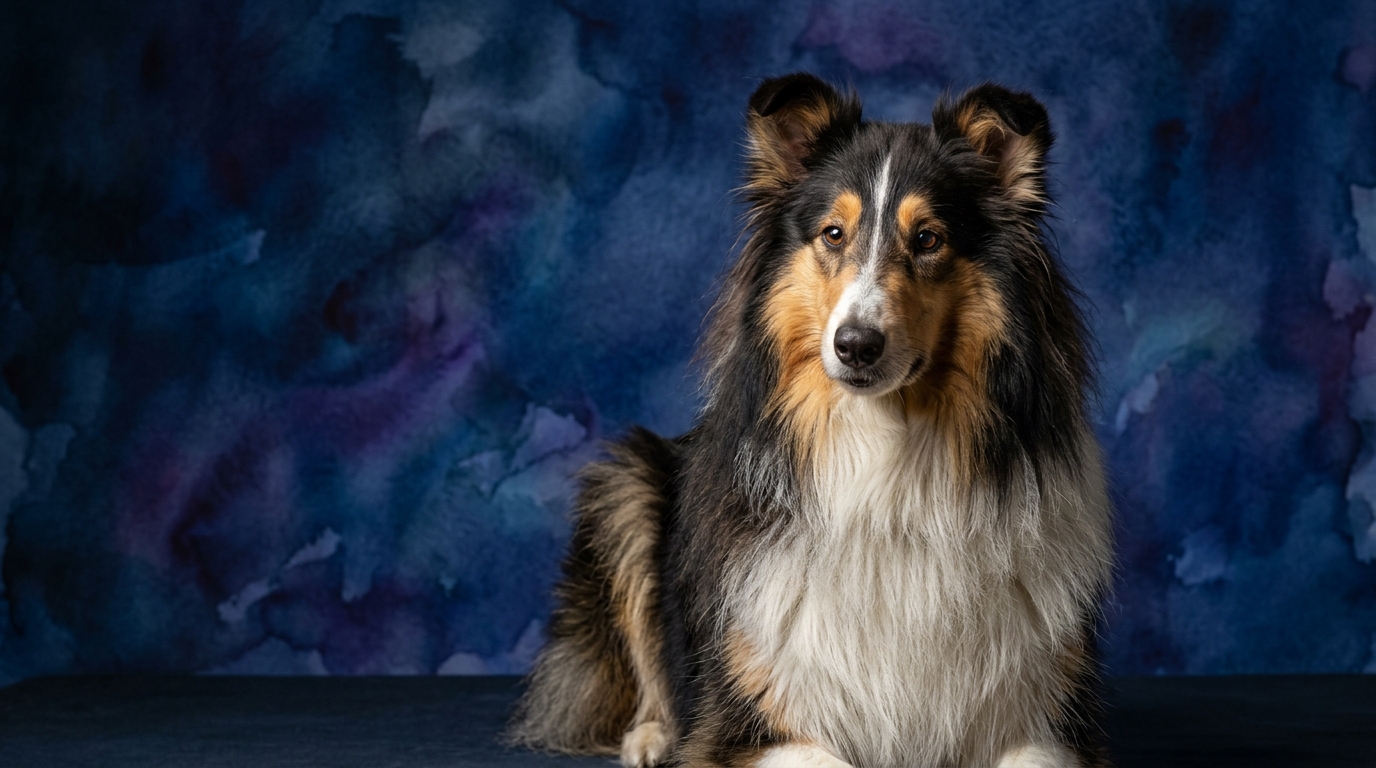
At The Cosmic Pet Pet IQ Lab, we evaluate canine intelligence across five key dimensions. For the Rough Collie, a breed long associated with herding and complex tasks, its profile reflects a strong aptitude for learning and retention. Their Problem Solving score of 4/5 indicates a capacity for understanding and navigating intricate situations, often requiring abstract thought to achieve goals. Training Speed, also at 4/5, points to a quick grasp of new commands and routines, making them responsive to structured instruction. Social Intelligence, rated 3/5, suggests an awareness of human cues and a desire for connection, though perhaps less emphasis on subtle manipulation than some breeds. Their Instinctive Drive, at 3/5, reflects a refined herding instinct that can be channeled into various activities, rather than an overwhelming, raw impulse. Finally, a standout Memory score of 5/5 underscores their exceptional ability to recall complex sequences and information over extended periods, a crucial trait for managing livestock or performing elaborate routines.
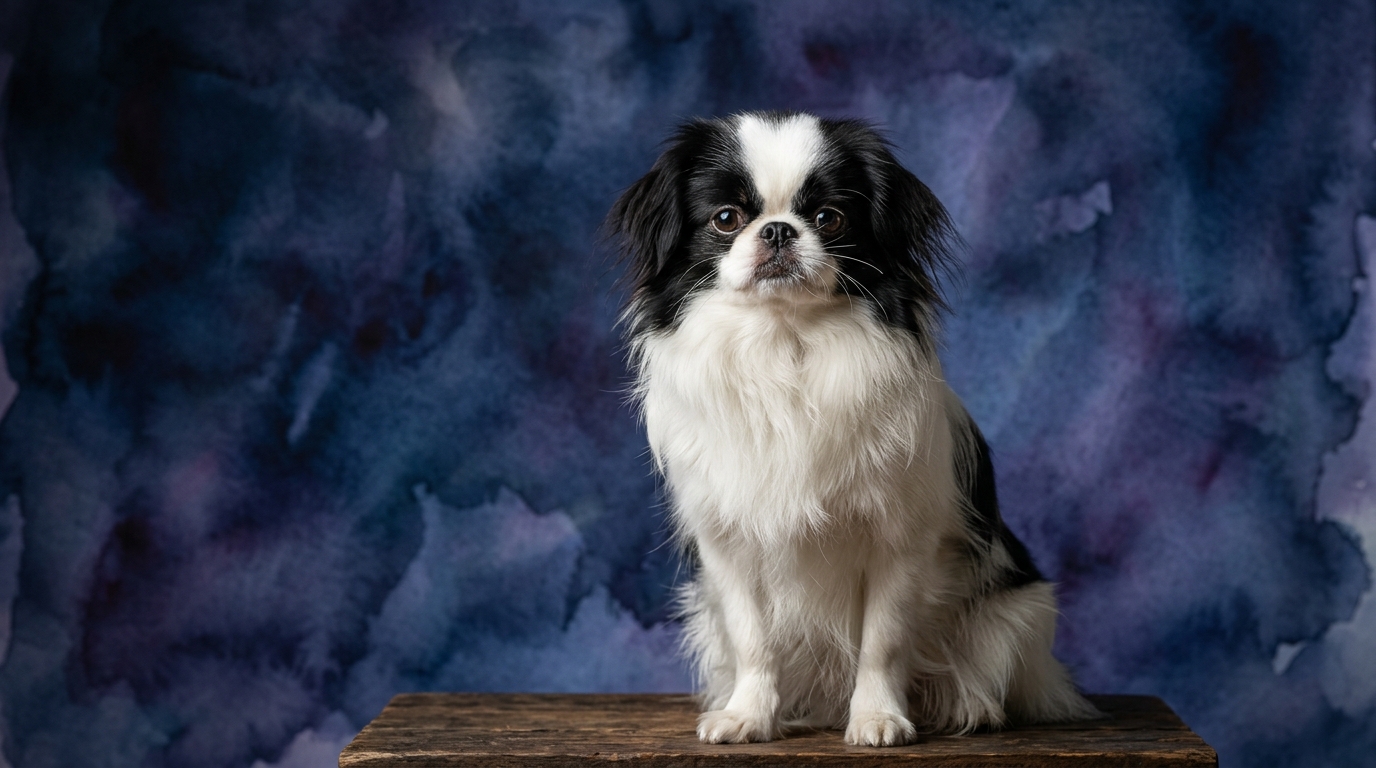
The Japanese Chin, a breed developed primarily for companionship, presents a cognitive profile tailored to its role as a charming housemate. Their Problem Solving score of 3/5 suggests they can navigate their environment and figure out simpler puzzles, particularly those leading to comfort or attention, but may not be inclined towards highly complex, multi-step challenges. Training Speed, also at 3/5, indicates they learn at a moderate pace, benefiting from consistent, positive reinforcement and motivation often tied to social rewards. Social Intelligence, matching the Collie at 3/5, manifests as a profound sensitivity to human emotions and a skill in using their endearing nature to influence interactions. Instinctive Drive, rated 3/5, is largely directed towards social bonding and seeking comfort, with minimal prey or working drives. Their Memory score of 3/5 is perfectly adequate for remembering routines, familiar faces, and preferred spots, though perhaps not designed for retaining vast arrays of sequential commands.
Where the Rough Collie Excels Cognitively
The Rough Collie's cognitive strengths distinctly position it as a partner for intricate tasks and advanced learning. Their superior Problem Solving (4/5 versus the Chin's 3/5) means they are more adept at analyzing novel situations and developing effective strategies, whether it's navigating an agility course with unexpected obstacles or figuring out how to direct a flock of sheep through a gate. This isn't just about following instructions, but applying learned principles to new, dynamic scenarios.
Their higher Training Speed (4/5) translates into a remarkable efficiency in acquiring new skills. A Rough Collie can often master a new command or a series of actions with fewer repetitions than many other breeds, allowing for rapid progression in obedience, rally, or even specialized service roles. This quick uptake is coupled with an unparalleled Memory (5/5 versus 3/5), enabling them to retain vast repertoires of commands, sequences, and learned behaviors over long periods. They are less likely to 'forget' complex routines, making them reliable performers in competitive sports or demanding working environments where consistent recall is paramount. This combination of problem-solving, rapid learning, and robust memory makes the Rough Collie particularly suited for owners who enjoy engaging in structured, mentally demanding activities.
The Japanese Chin's Unique Cognitive Strengths
While the Japanese Chin's numerical scores are generally lower than the Rough Collie's, their cognitive profile is expertly tuned for their historical role as a companion, highlighting strengths in areas crucial for close human-animal bonds. Their Social Intelligence (3/5), though numerically equal to the Collie's, manifests differently; the Chin often displays a profound empathy and sensitivity to human moods, using subtle cues to navigate social interactions. They are adept at 'reading the room,' understanding when to offer comfort, seek attention, or simply provide a quiet presence, leveraging their charm to foster deep connections.
The Japanese Chin's Problem Solving (3/5) is often directed towards optimizing their comfort and social rewards. They might figure out the quickest way to get onto a favorite lap, or how to signal their need for a treat with a well-timed glance, rather than solving a complex puzzle for its own sake. Their Instinctive Drive (3/5) is largely focused on maintaining proximity and connection with their human companions, meaning they are inherently motivated by social interaction and affection. This makes them remarkably effective at forming strong, reciprocal bonds, a cognitive strength that underpins their success as cherished family members, where intricate task performance is less valued than emotional attunement and companionship.
Training: Collie's Drive vs. Chin's Charm
When considering ease of training, the context of what is being trained is crucial. The Rough Collie, with its 4/5 Training Speed, 4/5 Problem Solving, and 5/5 Memory, is generally considered easier to train for complex obedience, multi-step tasks, and performance sports. They possess an inherent desire to work cooperatively with a handler, and their cognitive architecture allows them to grasp and retain intricate instructions quickly. They thrive on mental stimulation and purpose, often becoming bored or restless without consistent engagement, making them eager participants in structured training sessions. Their strong memory means once a behavior is learned, it tends to stick.
The Japanese Chin, with 3/5 across these dimensions, can certainly be trained effectively for basic manners, house-training, and simple tricks, but their approach differs. They respond best to positive reinforcement, patience, and training methods that feel like a game or offer immediate social rewards. While they can learn, their independent streak and focus on comfort might mean they require more repetition or higher-value motivation to maintain engagement, particularly for tasks they deem less interesting. They might not be as driven by the 'work' itself but rather by the attention and affection received during the process. Their social intelligence means they are sensitive to handler emotions, making positive, upbeat training environments essential for their success.
Active Owners vs. Relaxed Owners: A Lifestyle Match
The Rough Collie is an ideal match for active owners who are prepared to provide consistent mental and physical engagement. Their herding lineage and robust cognitive profile mean they require more than just daily walks; they flourish when given a 'job' to do, whether it's advanced obedience, agility, herding trials, or even long, stimulating hikes. Owners who enjoy structured training, canine sports, or simply spending significant time engaging their dog's mind will find the Collie a willing and capable partner. A purely sedentary lifestyle would likely lead to frustration and potentially undesirable behaviors due to unmet cognitive and physical needs.
Conversely, the Japanese Chin is perfectly suited for more relaxed owners seeking a devoted and charming companion. Their cognitive focus on social bonding and comfort aligns with a lifestyle that prioritizes companionship and gentle interaction over strenuous activity. While they enjoy short walks and playtime, they are generally content with moderate exercise and thrive in an indoor environment where they can be close to their human family. Owners who appreciate a dog's subtle social cues, enjoy lap-time, and seek a less demanding exercise routine will find the Chin an agreeable and affectionate presence. Their relatively lower instinctive drive and moderate problem-solving capacity means they don't demand constant mental puzzles or high-intensity physical outlets.
The Verdict
Choose a Rough Collie if you seek a highly trainable, mentally agile partner for advanced obedience, canine sports, or a structured, engaged lifestyle where complex tasks are valued.
Opt for a Japanese Chin if you desire a sensitive, charming companion dog that thrives on close social bonds, offers profound emotional connection, and fits seamlessly into a more relaxed home environment.
🧠 Find Your Pet's IQ Score
Our Pet IQ Lab assessment covers 25+ tests across 5 cognitive dimensions — personalized to your breed.
Take the Full IQ Test →Frequently Asked Questions
Are Japanese Chins difficult to train?
Japanese Chins are not difficult to train for basic manners and house-training, but they learn at a moderate pace (3/5 Training Speed) and respond best to positive reinforcement and consistency. Their charming independence means training should be engaging and rewarding, often tied to social interaction or treats.
Do Rough Collies need a lot of mental stimulation?
Yes, Rough Collies absolutely thrive on mental stimulation. With 4/5 Problem Solving and 5/5 Memory, they are eager learners who can become bored and develop undesirable behaviors if not given regular mental challenges through training, puzzle toys, or engaging activities.
How do their social intelligence scores compare in practice, given both are 3/5?
While both breeds score 3/5 in Social Intelligence, its manifestation differs. The Rough Collie uses it for cooperative work and understanding handler cues, while the Japanese Chin leverages it for deep emotional connection, reading human moods, and using charm to navigate social dynamics and secure comfort.