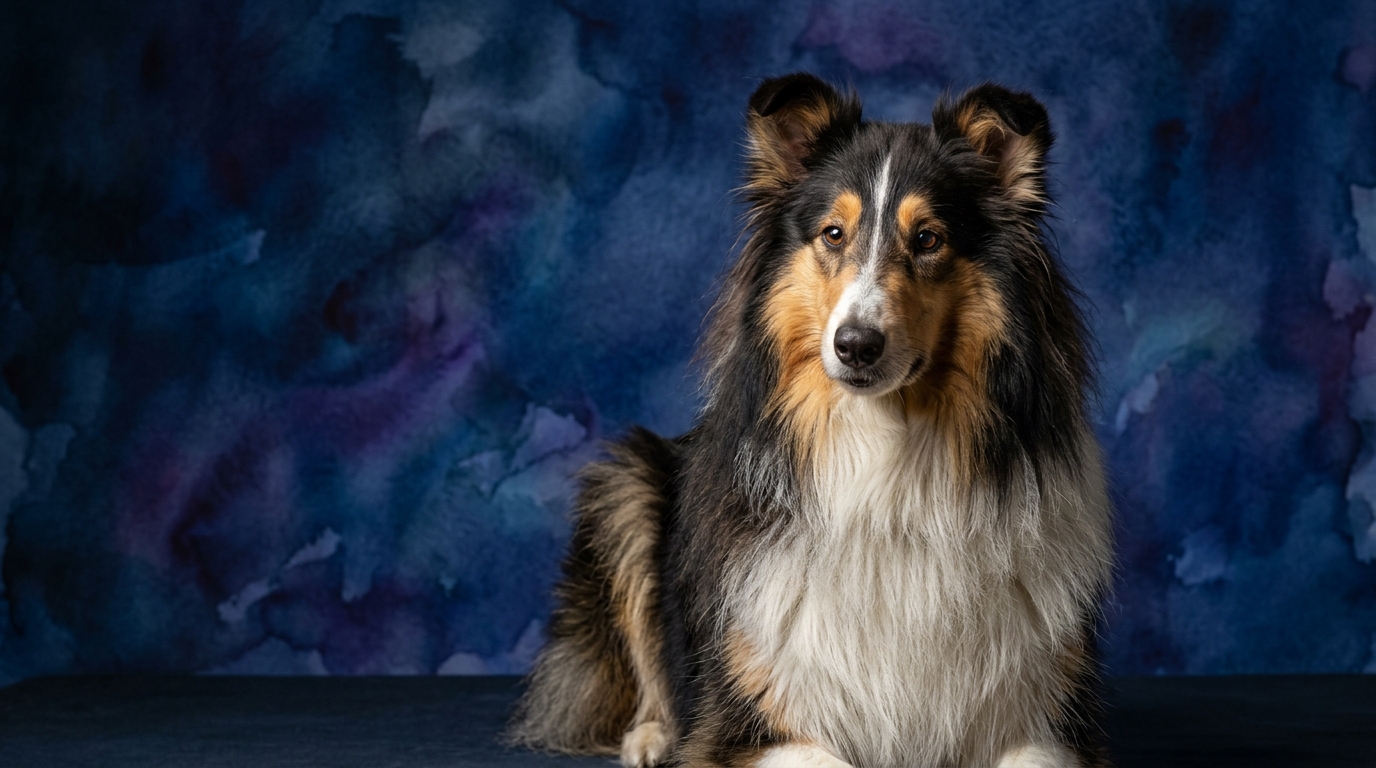
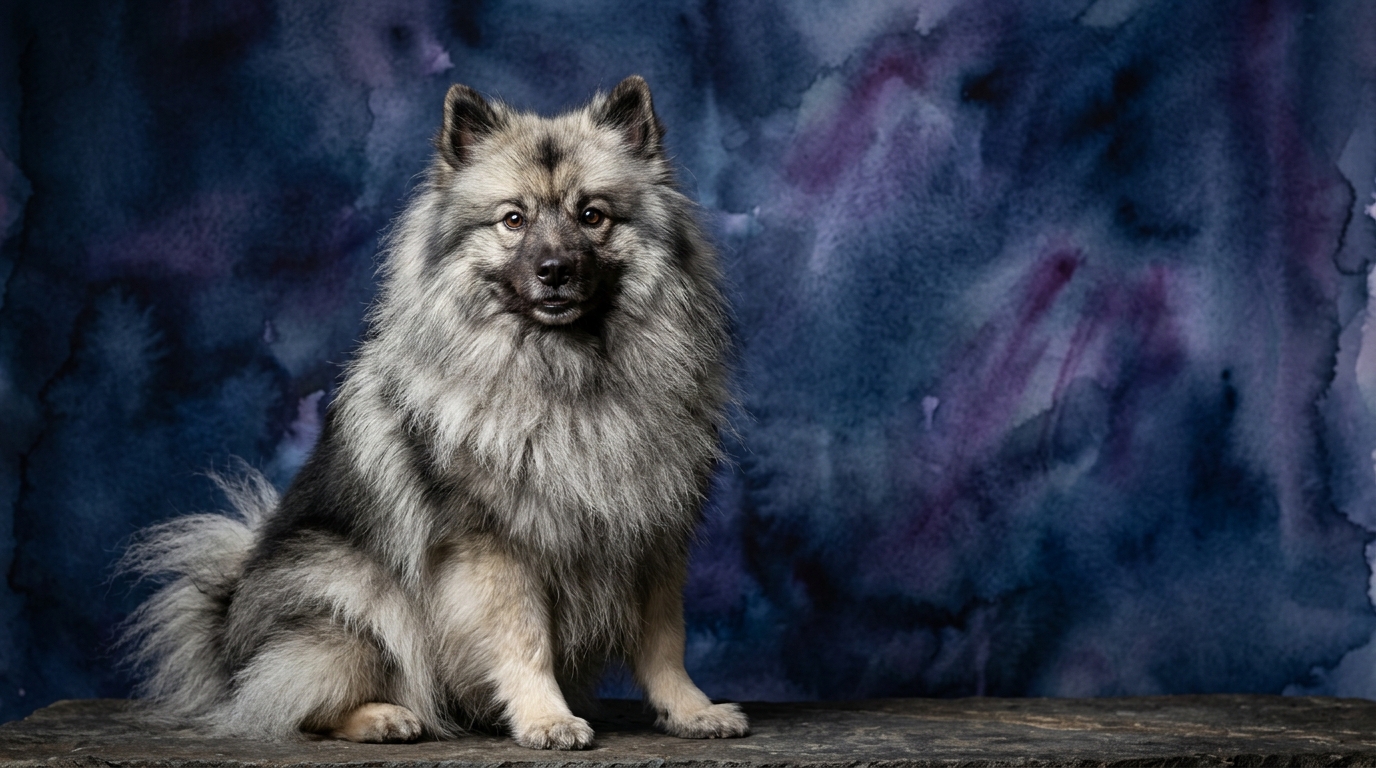
Side-by-Side IQ Profile: Unpacking Identical Scores
While the numerical scores for the Collie (Rough) and Keeshond are identical across the board, the manifestation of these cognitive traits is deeply rooted in their breed histories and inherent predispositions. Understanding this nuance is key to appreciating their individual brilliance.
Both breeds score a robust 4/5 in **Problem Solving**, indicating a strong capacity to navigate novel situations and devise effective solutions. For the Collie (Rough), this often translates to strategic thinking in dynamic environments, such as anticipating livestock movements or finding efficient routes during a task. Their solutions are often practical and goal-oriented, reflecting a heritage of independent decision-making in a working context. The Keeshond's problem-solving, conversely, tends to be more attuned to their human household. They excel at figuring out routines, manipulating situations to gain attention or comfort, or identifying unusual sounds and reacting appropriately, demonstrating a cleverness focused on their immediate social environment.
A 4/5 in **Training Speed** for both breeds signifies a quick grasp of new commands, often understanding them within 15-25 repetitions. The Collie (Rough) demonstrates this speed through a readiness to form working partnerships, eager to learn complex sequences and respond precisely to cues. Their motivation often stems from a desire to perform a 'job' and please their handler through accomplishment. The Keeshond, while equally swift to learn, often responds best when training is framed as a positive social interaction. Their speed is fueled by a desire to be involved and receive praise, making them receptive to consistent, reward-based methods, though they can sometimes exhibit a charming stubbornness if they don't see the immediate value or if they'd rather be cuddling.
With a 3/5 in **Social Intelligence**, both breeds possess a solid understanding of social cues, though their focus differs. The Collie (Rough) typically displays a focused social intelligence, primarily directed towards their immediate family or 'flock.' They are adept at reading their handler's subtle intentions and can discern the moods of those they trust, often maintaining a reserved demeanor with strangers. This allows them to effectively collaborate in complex tasks. The Keeshond's social intelligence, while also scoring 3/5, is often more outwardly expressed within the family unit. They are highly empathetic to human emotions, often acting as sensitive companions who can read the room and offer comfort or an alert bark as needed. Their social radar is finely tuned to the dynamics of their human family.
An **Instinctive Drive** score of 3/5 highlights the presence of innate behaviors that shape their cognitive expression. The Collie (Rough) carries a moderated herding instinct, which, while not always manifesting in active herding, translates into a drive for order, a tendency to 'gather' their family, and an innate alertness to their surroundings. This drive provides a foundational motivation for structured activities. The Keeshond's 3/5 instinctive drive is largely rooted in their historical role as a companion and watchdog. This manifests as a strong territorial instinct, leading to vocal alerts at perceived threats or unusual occurrences, and a keen observational nature. Their drive is less about physical work and more about vigilance and guardianship of their home and family.
Finally, both breeds achieve an impressive 5/5 in **Memory**, indicating an exceptional capacity for recall. The Collie (Rough) uses this memory for retaining intricate command sequences, remembering routes, recognizing individuals, and learning from past experiences—all vital for effective partnership in varied environments. The Keeshond's remarkable memory serves them well in remembering household routines, the specific sounds associated with different events, and the faces of friends versus strangers. This strong recall aids their watchdog duties and their ability to integrate seamlessly into a consistent family life, remembering exactly where that treat jar is kept or which family member is most likely to give in to their charm.
Where the Collie (Rough) Wins Cognitively
The Collie (Rough)'s cognitive strengths shine brightest in scenarios requiring sustained focus, independent problem-solving within a defined task, and a deep partnership built on shared objectives. Their Herding group lineage means their 4/5 problem-solving is often geared towards real-world, dynamic challenges, such as navigating complex outdoor terrain or adapting strategies to manage moving objects or groups. They excel at understanding multi-step commands and executing them with precision, often showing initiative when a direct command isn't immediately available, but the goal is clear. Their 5/5 memory is particularly adept at recalling intricate patterns and long sequences of actions, making them superb candidates for advanced obedience, agility, or even search and rescue work where remembering specific paths and cues is paramount. They demonstrate a unique ability to anticipate human needs within a working context, often moving to assist before being explicitly asked, a testament to their deep-seated partnership drive.
Where the Keeshond Wins Cognitively
The Keeshond's cognitive advantages are most evident in their nuanced understanding of the domestic environment and their human companions. Their 4/5 problem-solving prowess is often applied to social engineering within the family, figuring out how to prompt interaction, gain access to desired spaces, or alert their owners to subtle environmental changes that others might miss. Their 3/5 social intelligence, while not globally outgoing, is intensely focused on their family, making them exceptional at reading emotional states and responding with appropriate comfort or vigilance. This breed's 5/5 memory is outstanding for recalling specific routines, the nuances of family members' habits, and recognizing the particular sounds or scents associated with visitors. They are masters of observation, often remembering details about past interactions or events that inform their current behavior, such as remembering which friend always has a treat or which delivery person is 'safe.' Their instinctive drive for vigilance makes them cognitively superior in identifying and communicating changes in their home environment, acting as an ever-present, discerning guardian.
Which Is Easier to Train and Why
Given their identical 4/5 Training Speed scores, both the Collie (Rough) and the Keeshond are quick to pick up new commands. However, the 'ease' of training often comes down to motivation and the trainer's approach, referencing their real behavioral differences. The Collie (Rough), with its Herding background, often thrives on purpose-driven training. They respond well to clear, consistent instruction and appreciate having a 'job' to do, whether it's obedience, herding games, or agility. Their training is often a collaborative effort, and their desire to work alongside their human makes them highly responsive to precise commands and positive reinforcement tied to accomplishment. They are generally focused during training sessions, eager to learn and execute.
The Keeshond, while equally capable of learning quickly, often requires a different motivational approach due to their Non-Sporting, companion-oriented nature. They are highly social and thrive on positive interaction and praise, making training sessions feel more like a fun game or bonding experience. However, their independent spirit and strong watchdog instincts can sometimes lead to charming 'selective hearing' if they deem a command less interesting than, say, barking at a squirrel or getting a cuddle. Their tendency to be vocal means specific training might be needed to manage nuisance barking, which requires patience and consistency. While both are trainable, the Collie (Rough) might be perceived as 'easier' for owners seeking a consistently focused working partner, whereas the Keeshond might require an owner who enjoys making training a playful, relationship-building activity and can navigate their occasional independent streak with good humor.
Which Suits Active Owners vs. Relaxed Owners
For active owners seeking a canine companion that thrives on structured activity and mental engagement, the Collie (Rough) is often the more suitable choice. Their inherent drive for purpose, coupled with their cognitive strengths in problem-solving and memory, means they excel when given opportunities to 'work' their minds and bodies. This doesn't necessarily mean herding sheep, but rather participating in dog sports like agility, competitive obedience, or even long, varied hikes that challenge their navigational skills. They need consistent mental stimulation to prevent boredom and will happily engage in extended training sessions or complex puzzle toys. An owner who enjoys teaching new tricks, exploring new trails, or participating in dog activities will find a highly engaged and cooperative partner in a Collie (Rough).
Conversely, the Keeshond is an excellent fit for owners who appreciate a more relaxed, yet still engaged, companion. While they benefit from regular walks and playtime, their primary need is to be an integral part of the family unit. Their cognitive strengths, particularly in social intelligence and memory, are best utilized in a home environment where they can observe, interact, and 'guard' their loved ones. They are content with moderate daily exercise, such as a couple of brisk walks, combined with plenty of indoor interaction, cuddles, and opportunities to 'supervise' household activities. Their watchdog instincts mean they are always alert, even when seemingly relaxed, providing a subtle layer of security. A more relaxed owner who values a loyal, watchful, and affectionate companion who thrives on close family bonds will find the Keeshond to be an ideal match, provided they can manage their vocal tendencies with patience and training.
The Verdict
Choose the Collie (Rough) if you seek a highly engaged working partner for structured activities, advanced training, and outdoor adventures, valuing their precision and collaborative spirit.
Opt for the Keeshond if you desire a devoted, watchful family companion who excels at social observation and thrives on being an integral, affectionate part of daily home life, appreciating their cleverness and vigilance.
🧠 Find Your Pet's IQ Score
Our Pet IQ Lab assessment covers 25+ tests across 5 cognitive dimensions — personalized to your breed.
Take the Full IQ Test →Frequently Asked Questions
Do Rough Collies and Keeshonds have the same intelligence?
Based on the provided IQ dimensions and Coren rank, both breeds indeed score identically. However, how these cognitive abilities manifest in their behavior and preferred activities differs significantly due to their distinct breed histories and inherent drives.
Which breed is better for first-time dog owners?
Both breeds can be suitable for first-time owners who are committed to consistent training and socialization. The Collie (Rough) might be better for those who enjoy a more structured, activity-oriented relationship, while the Keeshond suits owners who prefer a devoted, watchful companion within a family setting, understanding their vocal nature.
Are Rough Collies or Keeshonds more prone to barking?
The Keeshond, with its strong watchdog instincts, is generally more prone to vocalization, often barking to alert their family to perceived changes or visitors. Rough Collies can bark, especially if bored or as part of their herding instinct, but the Keeshond's vocal nature is a more defining characteristic of the breed.