Side-by-Side IQ Profile: Unpacking Cognitive Dimensions
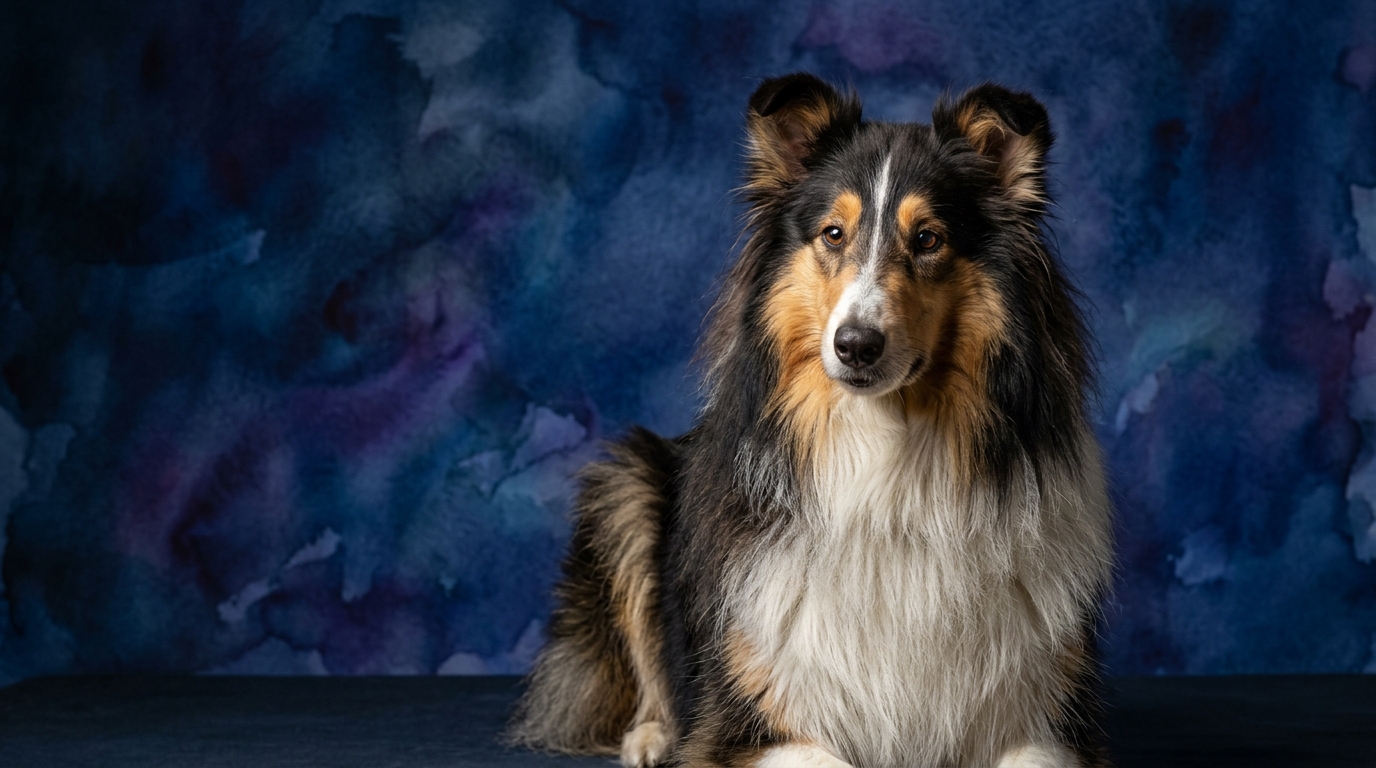
To truly understand these breeds, we must dissect their intelligence across five critical dimensions: problem solving, training speed, social intelligence, instinctive drive, and memory. The Collie (Rough) presents a profile indicating a dog with considerable cognitive strengths, particularly in its ability to retain information and navigate novel challenges. Its problem-solving capacity registers at a robust 4/5, suggesting a dog that can quickly assess and overcome new obstacles or puzzles. Coupled with a training speed of 4/5, this indicates a breed capable of grasping new commands and routines with efficiency. In terms of social intelligence, the Collie (Rough) scores a balanced 3/5, meaning it possesses a solid understanding of human cues and social dynamics without being overly dependent or aloof. Its instinctive drive, crucial for its herding heritage, is also 3/5, providing a moderate yet effective impulse to work. Perhaps its most striking cognitive attribute is its memory, rated at an exceptional 5/5, hinting at a profound capacity for recall and complex sequence retention.
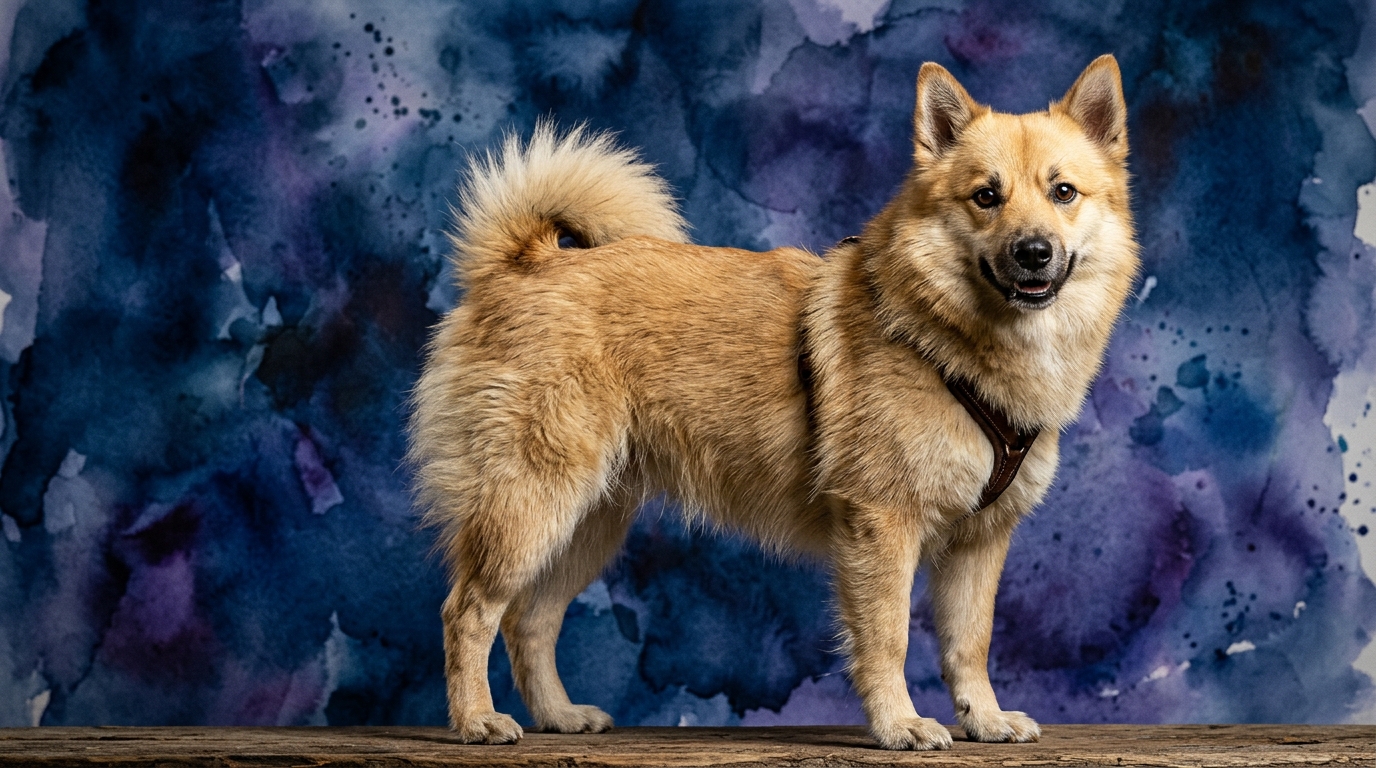
The Norwegian Buhund, while also a herding dog, exhibits a more uniformly distributed cognitive profile across these dimensions. It scores 3/5 in problem solving, suggesting it can tackle new situations but might require more structured guidance or time compared to its Collie counterpart. Its training speed is also 3/5, indicating a steady learning pace that benefits from consistent and clear instruction rather than rapid absorption. Social intelligence for the Buhund matches the Collie at 3/5, reflecting a comparable ability to connect with humans and understand social cues. Its instinctive drive is also 3/5, mirroring the Collie's moderate herding instincts, which are present but typically manageable. Finally, the Buhund's memory is rated at 3/5, signifying a good, functional memory for commands and routines, though perhaps not the expansive recall seen in the Collie (Rough). This balanced profile suggests a dog that is consistently capable across the board, without extreme peaks in any single cognitive area.
Where Collie (Rough) Wins Cognitively
The Collie (Rough) demonstrates clear cognitive advantages in areas that demand significant mental processing and retention. Its superior memory, rated at 5/5, is a standout feature, enabling it to recall a vast repertoire of commands, routines, and experiences with remarkable precision. This means a Collie can master elaborate multi-step tasks or remember numerous individual cues over long periods, making it an excellent candidate for complex obedience work, agility courses with intricate sequences, or even roles requiring the recall of specific environmental details. Owners will find that once a lesson is learned, it is truly embedded.
Furthermore, the Collie's problem-solving ability, scoring 4/5, provides it with an edge in navigating novel situations or figuring out puzzles. This isn't just about opening a gate; it extends to understanding causal relationships in its environment or devising strategies to achieve a goal, such as retrieving a toy from a tricky spot. This cognitive flexibility, combined with its Coren rank of #16, signifies a dog that isn't easily stumped and often finds creative solutions, making it an engaging and adaptable companion for owners who enjoy interactive mental challenges.
Where Norwegian Buhund Wins Cognitively
While the Norwegian Buhund's scores are consistently moderate, its cognitive profile offers a different kind of advantage, particularly for owners seeking a dog with a robust, straightforward approach to life. Its balanced 3/5 across all dimensions—problem solving, training speed, social intelligence, instinctive drive, and memory—suggests a dog that is less prone to overthinking or becoming overly complex in its behaviors. This consistency means a Buhund is often less likely to develop intricate, 'clever' undesirable habits that higher-scoring dogs might devise out of boredom or a desire to outsmart their environment.
The Buhund's moderate problem-solving and memory, while not as high as the Collie's, often translate into a dog that is less prone to anxiety from overwhelming novelty. It approaches new situations with a practical, grounded curiosity rather than an intense drive to dissect every detail, which can be a 'win' for owners seeking a less mentally demanding companion. Its even temperament, rooted in its balanced cognitive scores, allows it to be a dependable and less volatile presence, often adapting well to a variety of environments once basic routines are established, making its cognitive 'wins' more about stability and an uncomplicated nature.
Which is Easier to Train and Why
When considering ease of training, the Collie (Rough) generally holds an advantage due to its higher scores in training speed (4/5) and memory (5/5). A Collie will typically pick up new commands and routines more quickly, requiring fewer repetitions to achieve proficiency. Their exceptional memory ensures that once a behavior is learned, it is retained for a long time, making refresher sessions efficient. This means an owner can progress to more advanced training concepts or intricate obedience sequences at a faster pace, enjoying the process of teaching complex tricks or participating in dog sports that demand extensive behavioral chains. However, their higher problem-solving might also mean they are more likely to test boundaries or attempt to 'negotiate' if training is not consistent and firm.
The Norwegian Buhund, with its 3/5 in both training speed and memory, requires a more patient and consistent approach to training. While certainly trainable, Buhunds may need more repetitions and clearer, simpler instructions to grasp new concepts. They learn steadily, but perhaps not with the rapid fire acquisition of a Collie. Owners should be prepared for a slightly slower learning curve and prioritize foundational commands before moving to advanced tasks. Their training benefits immensely from positive reinforcement and short, engaging sessions to maintain focus. The real behavioral difference here is that while a Collie might 'get it' in three tries, a Buhund might need seven, but both will eventually learn with the right methodology. The Buhund's less complex cognitive profile might mean it is less inclined to try to 'outwit' the trainer, making it a straightforward, if slightly slower, learner.
Which Suits Active Owners vs. Relaxed Owners
For active owners who thrive on mental stimulation and engagement, the Collie (Rough) is often an ideal match. Its high problem-solving capacity and exceptional memory mean it genuinely enjoys and benefits from activities that challenge its mind, such as advanced obedience, agility, herding trials, or even learning complex service tasks. An owner who is eager to teach new tricks, engage in puzzle toys daily, or participate in competitive dog sports will find the Collie a willing and capable partner. Without sufficient mental engagement, a Collie with its higher cognitive drive can become bored, potentially leading to undesirable behaviors as it seeks to entertain itself, making it less suitable for a truly 'relaxed' owner who prefers minimal mental commitment.
The Norwegian Buhund, while still a herding breed requiring regular physical exercise, may be a better fit for owners who are active but prioritize physical activity and routine over constant, novel mental challenges. Its balanced 3/5 scores suggest a dog that is content with consistent daily walks, runs, or hikes, combined with standard training and social interaction, rather than an incessant demand for complex problem-solving or learning new, intricate skills every week. While a Buhund certainly enjoys mental engagement, it might not require the same intensity or novelty as a Collie to remain content. This makes the Buhund a good choice for active owners who enjoy outdoor adventures and consistent routines, but perhaps not those looking for a dog to constantly push the boundaries of canine cognition in competitive arenas.
The Verdict
Choose the Collie (Rough) if you are an owner who enjoys delving into complex training, values a dog with extraordinary memory and problem-solving skills, and is prepared to provide consistent, high-level mental engagement.
Opt for the Norwegian Buhund if you appreciate a dog with a balanced, consistent cognitive profile, are committed to patient and clear training, and seek an active companion whose mental needs are robust but less demanding of constant novelty.
🧠 Find Your Pet's IQ Score
Our Pet IQ Lab assessment covers 25+ tests across 5 cognitive dimensions — personalized to your breed.
Take the Full IQ Test →Frequently Asked Questions
Do Norwegian Buhunds make good family dogs despite not being Coren-ranked?
Yes, Norwegian Buhunds can make excellent family dogs. Their social intelligence of 3/5 indicates a good understanding of human dynamics, and their consistent temperament often makes them adaptable to family life, especially with early socialization and consistent training. The lack of a Coren rank doesn't diminish their capacity for companionship; it simply means their specific trainability wasn't assessed in that particular study.
How much mental stimulation does a Collie (Rough) need daily?
A Collie (Rough), with its 4/5 problem-solving and 5/5 memory, requires significant mental stimulation, ideally for at least 30-60 minutes daily, in addition to physical exercise. This could involve interactive puzzle toys, training sessions focused on new commands or complex sequences, or engaging in dog sports like agility or obedience. Neglecting their mental needs can lead to boredom and potentially destructive behaviors.
Are Norwegian Buhunds prone to being overly independent due to their balanced IQ scores?
Norwegian Buhunds do possess a degree of independence, typical of many herding breeds, reflected in their moderate instinctive drive and social intelligence scores. While they form strong bonds with their families, they are not overly clingy and can be self-sufficient. This independence generally means they are robust thinkers, but it doesn't equate to being aloof; they are attentive and responsive to their owners, especially with consistent positive training.