Side-by-Side Cognitive Profile
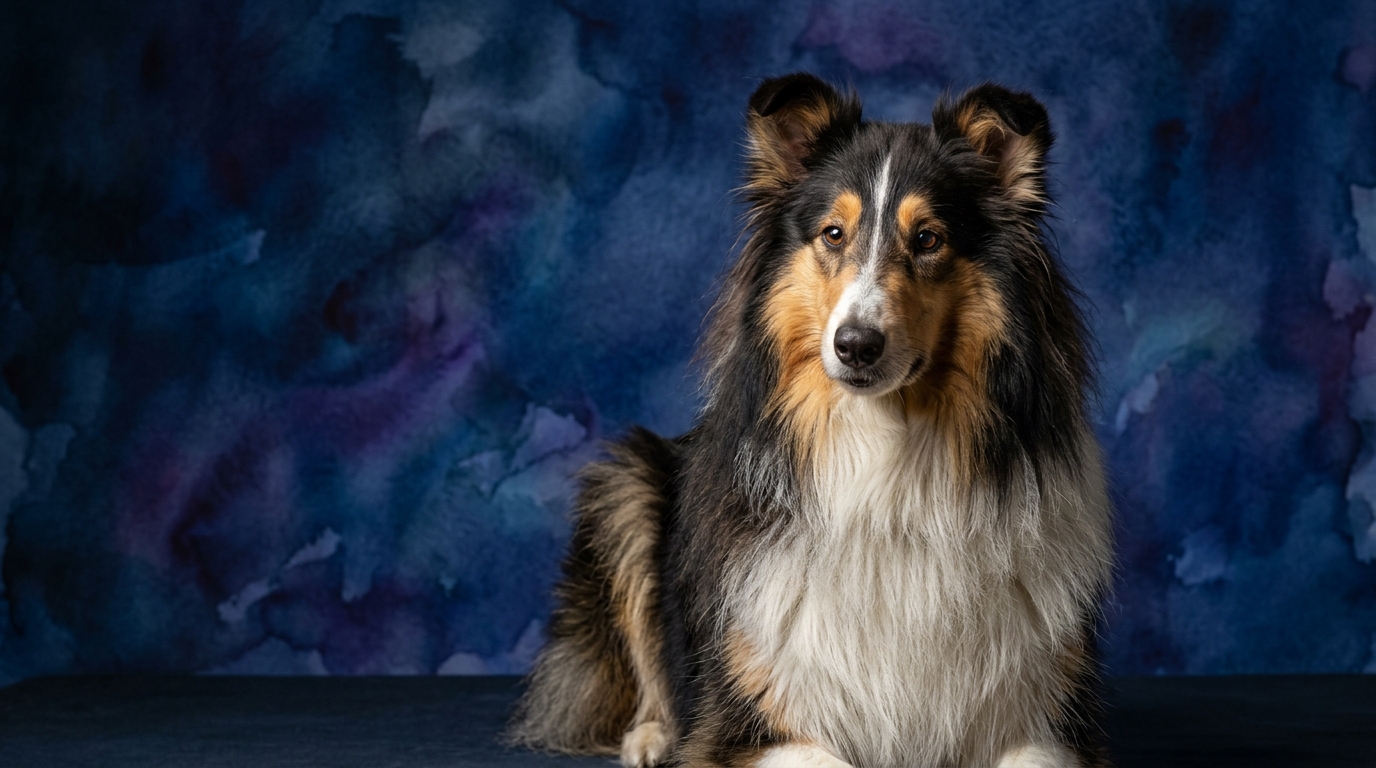
Examining the individual cognitive blueprints provided by The Cosmic Pet Pet IQ Lab reveals distinct intellectual profiles for our two contenders. The Collie (Rough) excels with: Problem Solving (4/5), indicating a strong ability to analyze novel situations and devise effective solutions, from complex latches to navigating new environments. Their Training Speed (4/5) is remarkably quick, often grasping concepts in just a few repetitions. Social Intelligence (3/5) suggests a solid understanding of human cues and emotional states, allowing for nuanced interaction. Their Instinctive Drive (3/5), rooted in herding, provides a moderate inclination to manage and gather, influencing play and protective instincts without being overwhelming. Finally, their Memory (5/5) is exceptional, retaining information, commands, and routines with impressive long-term recall.
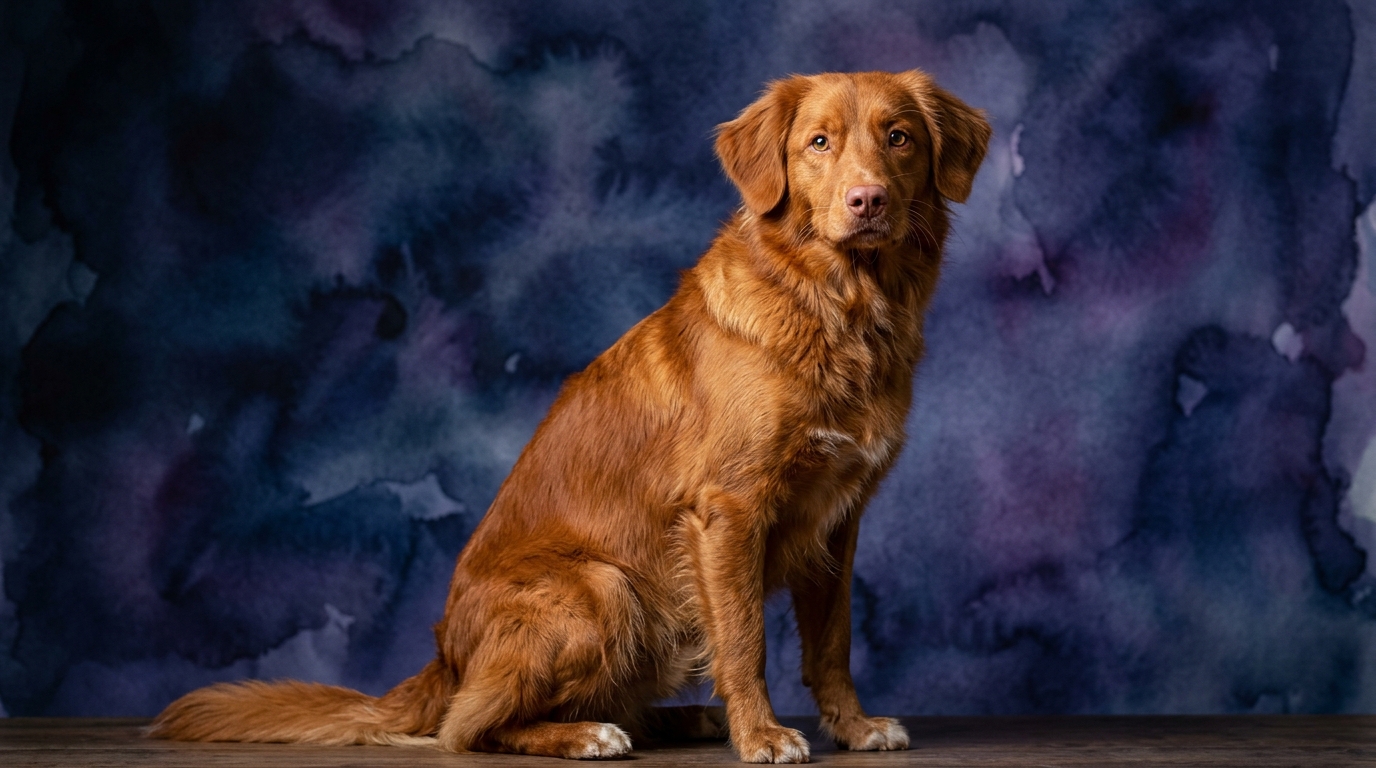
In contrast, the Nova Scotia Duck Tolling Retriever presents a more specialized profile: Problem Solving (3/5) indicates capability for practical, task-oriented solutions, particularly related to retrieving work, but less for abstract challenges. Their Training Speed (3/5) is steady, requiring consistent reinforcement but absorbing information effectively. Social Intelligence (3/5) shows good awareness of human intentions, fostering strong family bonds. Their Instinctive Drive (3/5) is moderate yet focused on retrieving and working alongside humans, channeling energy into purposeful activities. Memory (3/5) retains commands and routines reliably within familiar contexts, though perhaps not with the same detailed recall as the Collie.
Where the Collie (Rough) Wins Cognitively
The Collie (Rough) undeniably shines with its superior Problem Solving (4/5) and exceptional Memory (5/5). This intellectual prowess allows a Collie to independently decipher intricate puzzles, like a multi-step food dispenser, or understand complex sequences of commands for advanced obedience routines. Their problem-solving isn't just about following; it's about active processing and strategic thinking. This capacity, combined with a 5/5 memory, means Collies not only learn quickly but retain vast amounts of information over extended periods, making them superb candidates for service work, competitive obedience, or even acting roles requiring precise, remembered behaviors. Their robust recall also underpins their deep connection with owners, remembering subtle cues and past interactions with remarkable fidelity, fostering a relationship built on mutual understanding and learned expectations.
Where the Nova Scotia Duck Tolling Retriever Wins Cognitively
While its numerical scores are generally a point lower, the Nova Scotia Duck Tolling Retriever's cognitive profile is perfectly adapted for its specific heritage. Its 3/5 Problem Solving and 3/5 Memory, coupled with a 3/5 Instinctive Drive, forge a focused, efficient intellect. Tollers excel where problem-solving is practical and directly linked to a task, such as navigating a dynamic environment to locate and retrieve a hidden object, or creatively "tolling" to attract waterfowl. Their cognitive strengths lie in applying moderate, task-oriented problem-solving to real-world, often unpredictable, scenarios, particularly those involving their retrieving drive. They remember routines and commands reliably within these contexts, demonstrating a consistent, dependable application of their mental faculties without being prone to overthinking or seeking abstract challenges. This specialized cognitive toolkit makes them exceptionally effective and consistent in their intended roles.
Which is Easier to Train and Why
The Collie (Rough) generally presents as an easier breed to train, primarily due to its superior Training Speed (4/5) and Memory (5/5). Collies often grasp new commands and concepts with fewer repetitions, quickly understanding what is expected. Their exceptional memory ensures that once a behavior is learned, it is retained for extended periods, significantly reducing the need for constant re-training. This rapid acquisition and retention make them highly responsive to positive reinforcement and capable of mastering a wide repertoire of complex commands and tricks. In contrast, the Nova Scotia Duck Tolling Retriever, with its 3/5 Training Speed and 3/5 Memory, requires a more consistent and patient approach. While eager to please, Tollers may need more repetitions to solidify new behaviors and regular practice to maintain recall. Their training effectiveness stems from their cooperative nature and focused drive, but their cognitive processing for novel commands isn't as swift or deeply etched as the Collie's. Thus, a Collie is often perceived as more "effortless" in the initial training process for a broader range of tasks.
Which Suits Active Owners vs. Relaxed Owners
For active owners seeking a canine partner, both breeds offer engagement, but with different nuances. The Nova Scotia Duck Tolling Retriever, with its focused 3/5 Instinctive Drive for retrieving and energetic sporting background, thrives with owners who provide consistent outlets for physical exercise and purposeful work, like fetch, dock diving, or hunting simulations. They require mental stimulation tied directly to activity. For owners who are active but also appreciate a dog capable of independent thought and advanced learning, the Collie (Rough) is compelling. Their moderate 3/5 Instinctive Drive, rooted in herding, translates into a desire for purpose and mental engagement beyond solely high-octane physical exertion. They enjoy long walks and play, but their superior problem-solving and memory mean they also thrive on learning complex tasks, advanced obedience, or quiet problem-solving games. For more relaxed owners, the Collie (Rough) might be a better fit, provided their significant need for mental engagement is met. While they enjoy activity, their cognitive strengths allow for quieter, more cerebral forms of companionship. The Toller, conversely, might overwhelm a truly relaxed owner without sufficient outlets for its focused energy and retrieving drive, potentially leading to boredom-related behaviors.
The Verdict
Choose the Collie (Rough) if you seek a companion with exceptional memory and strong problem-solving skills, capable of mastering complex commands and adapting readily to nuanced routines. Their quick learning and retention make them ideal for advanced obedience, service work, or a family desiring a highly responsive and thoughtful canine partner.
Opt for the Nova Scotia Duck Tolling Retriever if you value a focused, energetic companion whose cognitive abilities are perfectly aligned with retrieving tasks and active, purposeful engagement. They are best suited for owners who can provide consistent outlets for their moderate but dedicated drive, enjoying a dog that applies its intellect to dynamic, outdoor challenges.
🧠 Find Your Pet's IQ Score
Our Pet IQ Lab assessment covers 25+ tests across 5 cognitive dimensions — personalized to your breed.
Take the Full IQ Test →Frequently Asked Questions
Is the Collie (Rough) good for first-time dog owners?
Yes, the Collie (Rough)'s eagerness to please, quick training speed, and excellent memory make them a forgiving and rewarding choice for first-time owners committed to consistent, positive reinforcement. Their social intelligence helps them attune to their owner's needs, simplifying communication.
What kind of mental stimulation does a Nova Scotia Duck Tolling Retriever need?
A Nova Scotia Duck Tolling Retriever thrives on mental stimulation that engages its retrieving drive and moderate problem-solving. This includes training sessions focused on obedience and tricks, puzzle toys that mimic hunting scenarios, and structured games of fetch or scent work that allow them to use their focused intellect purposefully.
Do Collies (Rough) require a lot of exercise?
Collies (Rough) require a moderate amount of exercise to stay healthy and happy, typically a good daily walk or playtime in a secure yard. While they enjoy activity, their mental engagement through training and problem-solving is equally important, allowing for a balance between physical exertion and cognitive challenges.