Side-by-Side Cognitive Profiles
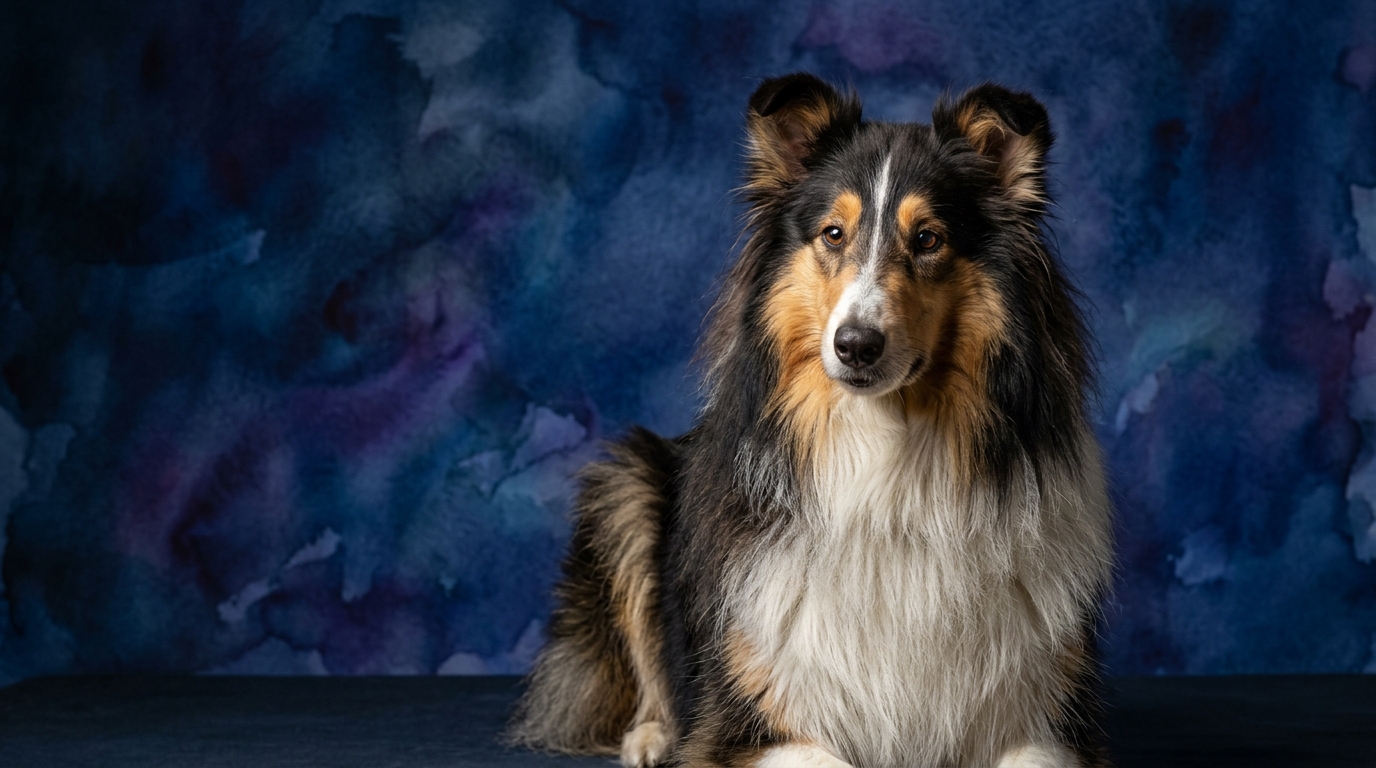
The Collie (Rough), ranked #16 by Coren, presents a cognitive profile optimized for cooperative work and structured learning. Their problem-solving ability (4/5) involves strategic thinking, allowing them to anticipate and adapt in complex situations, a trait invaluable in their herding heritage. This breed learns new commands with impressive training speed (4/5), quickly building on their knowledge base thanks to an exceptional memory (5/5) that ensures long-term retention of routines and instructions. While their social intelligence (3/5) fosters strong bonds, their instinctive drive (3/5) is well-channeled, focusing on purposeful tasks rather than undirected impulses, making them highly receptive to human guidance.
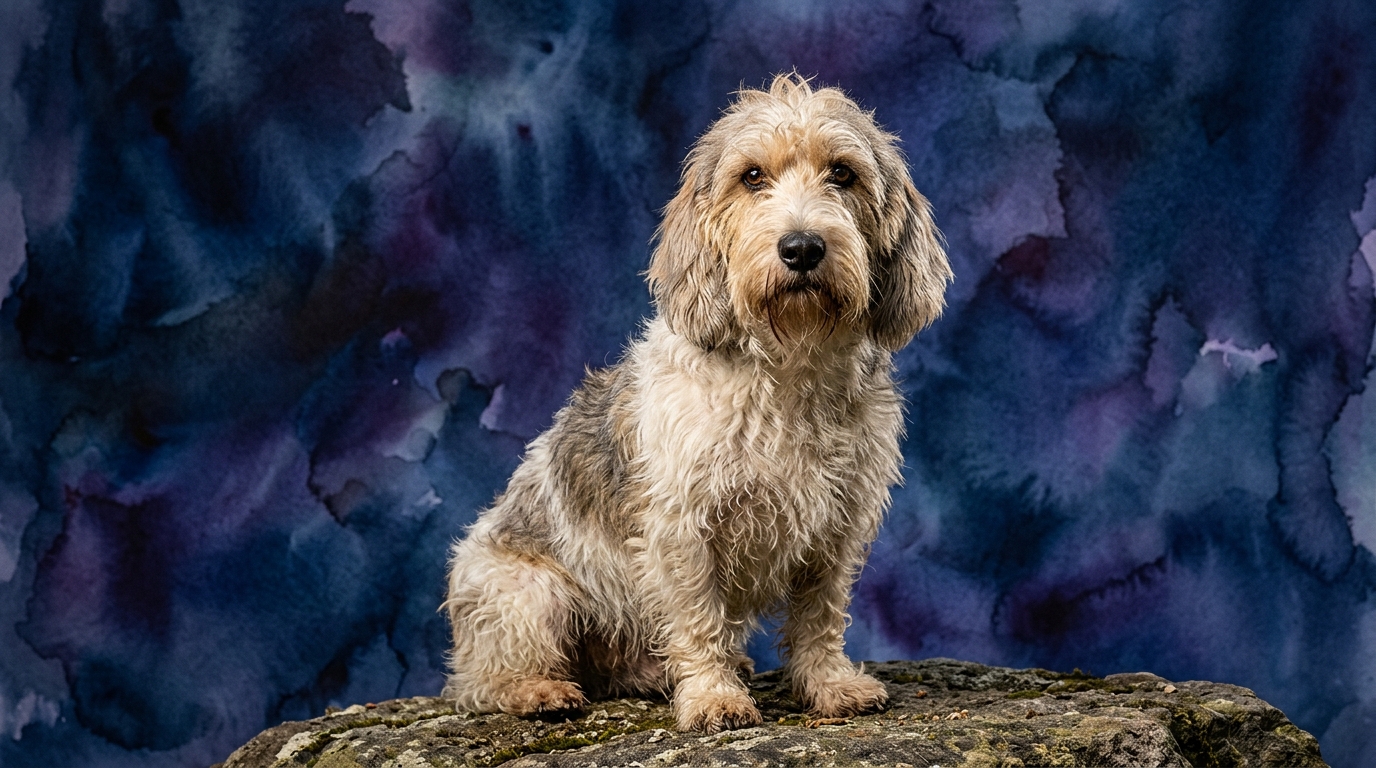
The Petit Basset Griffon Vendéen, a tenacious hound, exhibits a distinct cognitive approach driven by sensory exploration. Their problem-solving (3/5) is often rooted in interpreting olfactory cues and overcoming physical obstacles to pursue a scent trail, relying more on instinct than abstract reasoning. This breed's training speed (3/5) is moderate, as their independent nature and powerful instinctive drive (3/5) towards scent work can make maintaining focus a challenge. While they possess a moderate social intelligence (3/5) and enjoy companionship, their memory (3/5) is functional but can be influenced by immediate sensory distractions, requiring consistent reinforcement for learned behaviors.
Where the Collie (Rough) Demonstrates Cognitive Strengths
The Collie (Rough) demonstrates a clear cognitive advantage in areas demanding structured learning and long-term retention. Their superior memory, rated at 5/5, allows them to absorb and recall a vast array of commands, routines, and experiences with remarkable fidelity. This robust memory underpins their efficiency in complex tasks, enabling them to execute multi-step instructions reliably and adapt to evolving situations based on past learning.
Furthermore, their problem-solving ability (4/5) is geared towards strategic thinking and anticipatory action, a direct legacy of their herding origins where foresight and planning were essential. They are adept at understanding cause-and-effect relationships and can often predict outcomes, making them valuable partners in activities requiring a thoughtful approach. This contrasts with a more reactive, sensory-driven problem-solving style, giving the Collie a distinct edge in tasks that benefit from abstract reasoning and a structured understanding of their environment. Their quicker training speed also means they consolidate these cognitive gains more rapidly, building on their knowledge base efficiently.
Where the Petit Basset Griffon Vendéen Excels Cognitively
While the Collie excels in structured learning, the Petit Basset Griffon Vendéen's cognitive strengths lie in a different domain: sensory-driven persistence and environmental navigation. Although their problem-solving is rated 3/5, it is uniquely suited to their purpose as scent hounds. A PBGV's cognitive process is heavily weighted towards interpreting and following olfactory cues, demonstrating an unparalleled ability to discriminate and track scents over varied terrains and long distances.
This specialized form of problem-solving involves intricate sensory processing and an unyielding determination to pursue a trail, often overriding other stimuli. Their instinctive drive (3/5), while numerically similar to the Collie, manifests as an intense, focused energy directed towards their primary function – hunting. This drive enables them to sustain effort and focus on a single, compelling task for extended periods, even when faced with distractions that would deter other breeds. Their cognitive architecture prioritizes this deep, sensory engagement and tenacious pursuit, making them exceptionally adept at tasks that demand focused, independent exploration guided by scent, rather than human direction.
Trainability: A Tale of Two Temperaments
Considering the distinct cognitive profiles, the Collie (Rough) generally presents as the easier breed to train. Their training speed (4/5) is significantly higher than the PBGV's (3/5), meaning they typically pick up new commands and behaviors much more quickly. This efficiency stems from their strong memory (5/5), allowing them to retain instructions with ease, and their inherent desire to work cooperatively with humans, a trait honed by centuries of herding. A Collie responds well to positive reinforcement, often eager to please and quick to form associations between actions and rewards.
In contrast, the Petit Basset Griffon Vendéen's training journey can be more nuanced due to their independent nature and powerful instinctive drive. While they are certainly capable of learning, their attention is frequently captivated by scents, making it challenging to maintain focus during training sessions. Their problem-solving often involves independent exploration rather than collaborative task completion, requiring trainers to be patient, creative, and consistent, constantly competing with the allure of the olfactory world. Real behavioral differences, such as a PBGV's tendency to follow a compelling scent despite verbal commands, highlight the need for more specialized and persistent training approaches compared to the more readily compliant Collie.
Matching Breeds to Lifestyles: Active vs. Relaxed Owners
For active owners seeking a dynamic partner in structured activities, the Collie (Rough) is an excellent match. Their problem-solving abilities and strong memory make them excel in canine sports like obedience, agility, and herding trials. They thrive on mental stimulation and physical exercise, requiring consistent engagement to prevent boredom. Owners who enjoy teaching new tricks, participating in competitive events, or simply taking long, purposeful walks will find the Collie's energy levels and cognitive capacity highly rewarding. A more relaxed owner might find the Collie's need for consistent mental and physical outlets challenging, as unmet needs can lead to restless behavior.
The Petit Basset Griffon Vendéen, while certainly active in their pursuit of scents, suits owners who appreciate an independent spirit and are prepared for robust, exploratory walks rather than strictly structured activities. Their energy is often channeled into following a trail, making them ideal for owners who enjoy hiking off-leash in secure areas or participating in scent work. Relaxed owners who are content with less formal training and more spontaneous adventures, and who can manage a dog with a strong prey drive and a tendency to roam if not secured, might find the PBGV a charming companion. However, their need for substantial outdoor exploration means they are not suited to a truly sedentary lifestyle.
The Verdict
Choose a Collie (Rough) if you seek a highly trainable companion for structured activities, enjoy teaching complex commands, and value a dog with exceptional memory and problem-solving skills for cooperative tasks. They thrive with owners who provide consistent mental and physical engagement, excelling in obedience and canine sports.
Opt for a Petit Basset Griffon Vendéen if you appreciate an independent, tenacious explorer with an unparalleled nose, and are prepared for a dog whose problem-solving and drive are primarily scent-focused. They suit owners who enjoy long, adventurous walks and can provide patient, consistent training to manage their strong hunting instincts.
🧠 Find Your Pet's IQ Score
Our Pet IQ Lab assessment covers 25+ tests across 5 cognitive dimensions — personalized to your breed.
Take the Full IQ Test →Frequently Asked Questions
Is the Collie (Rough) prone to separation anxiety due to its social intelligence score?
The Collie's moderate social intelligence (3/5) indicates they form strong bonds but aren't necessarily predisposed to extreme separation anxiety more than other breeds. Their need for companionship and and engagement means they thrive on human interaction and can become distressed if left alone for very long periods without proper training and enrichment.
How does the PBGV's instinctive drive impact daily life for an owner?
The PBGV's strong instinctive drive means they will be compelled to follow interesting scents, often leading them to ignore commands or wander off if not securely leashed or contained. Owners must be vigilant about secure fencing and consistent recall training, as their nose can easily override their desire to stay close.
Can a Petit Basset Griffon Vendéen participate in dog sports like agility, given its moderate training speed?
Yes, a PBGV can participate in dog sports like agility, but their training journey might require more patience and creativity than with a breed like the Collie. Their independent nature and scent drive mean motivation needs to be high, and training methods might need to be adapted to keep them engaged and focused on the task at hand rather than environmental distractions.