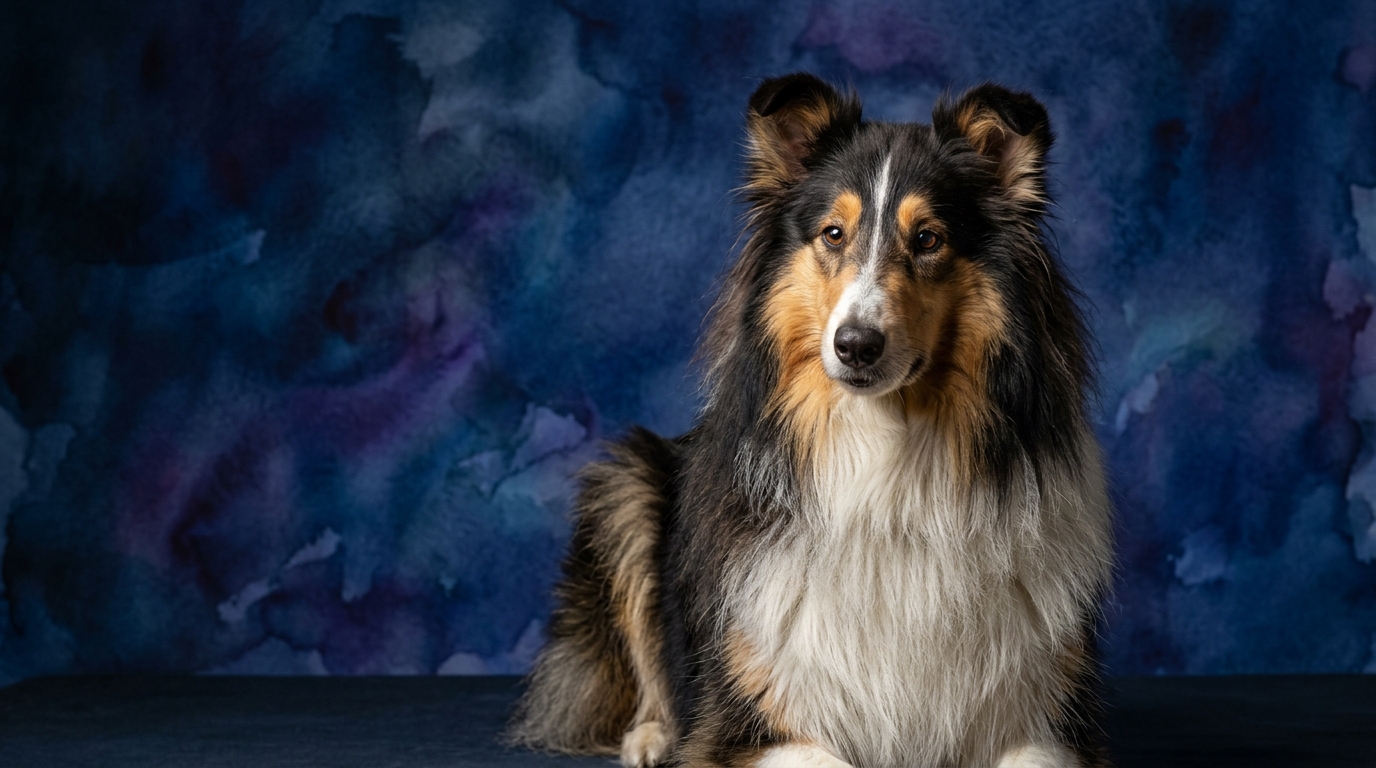
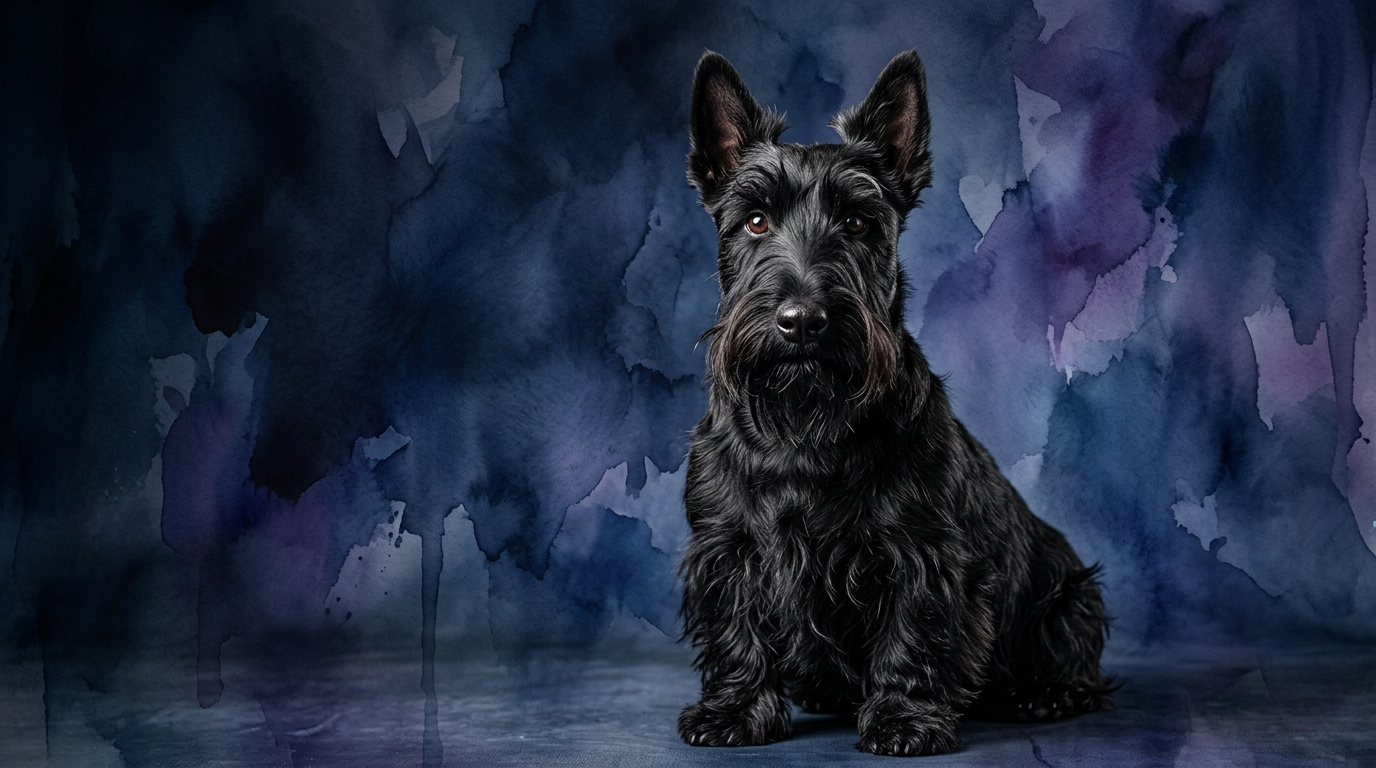
Side-by-Side Cognitive Profiles: Collie (Rough) vs. Scottish Terrier
The Collie (Rough), ranking #16 on the Coren scale, presents a cognitive profile indicative of a highly capable and responsive learner. Their problem-solving ability scores 4/5, suggesting an aptitude for figuring out complex tasks and navigating novel situations effectively, often adapting well to changing environments. A training speed of 4/5 points to a rapid ability to grasp new commands and routines, often requiring fewer repetitions than many other breeds, reflecting a strong willingness to cooperate and focus during learning sessions. Their social intelligence is rated 3/5, implying a moderate understanding of human cues and social dynamics, making them responsive without always initiating complex social interactions or reading subtle emotional shifts with extreme nuance. An instinctive drive of 3/5 indicates a moderate level of inherent drives, likely related to their herding background, which means their natural inclinations can be channeled without constant management. A standout trait is their memory, scoring 5/5, suggesting an exceptional ability to recall past experiences, learned behaviors, and even specific locations or people over long periods, significantly aiding in training retention and overall adaptability.
In contrast, the Scottish Terrier, with a Coren rank of #65, offers a profile rooted in independence and tenacity. Their problem-solving ability scores 3/5, indicating competence in figuring out challenges, often with a practical, persistent approach. They might not always seek the most efficient solution but will tenaciously work towards a goal until it is achieved. A training speed of 3/5 suggests a moderate pace for learning new commands, requiring consistency and patience, as their independent streak can sometimes make them less inclined to immediate compliance. Their social intelligence also scores 3/5; they possess a moderate understanding of social cues, but their interactions are often filtered through their reserved and self-reliant temperament, appreciating routine and clear communication. An instinctive drive of 3/5 reflects a moderate but distinct set of innate behaviors, primarily linked to their terrier heritage—digging, chasing small prey, and a certain self-reliance—which are present but manageable. Their memory, scoring 3/5, indicates a competent recall for routines and commands, though perhaps not the exceptional retention of detailed sequences or long-past events seen in breeds with higher scores; they remember what is important to their immediate world and daily life.
Where the Collie (Rough) Shines Cognitively
The Collie (Rough) distinctly excels in **memory (5/5)**, making them adept at retaining complex sequences of commands and remembering specific instructions over long periods. This superior recall means once a behavior is learned, it is deeply ingrained, requiring less reinforcement. Their **problem-solving (4/5)** capabilities, combined with a quick **training speed (4/5)**, allow them to rapidly grasp new concepts and apply learned solutions to novel situations, demonstrating cognitive flexibility. For instance, a Collie might quickly learn a multi-step obstacle course and remember the precise order and execution for each element days or weeks later, even adapting efficiently if a part of the course is altered. Their cognitive profile leans towards efficient, reliable task execution and remarkable learning retention.
Where the Scottish Terrier Stands Out Cognitively
The Scottish Terrier's cognitive strengths lie in their tenacious **problem-solving (3/5)**, often driven by their profound **instinctive drive (3/5)**. While their scores are moderate, their approach to problem-solving is characterized by persistence and a focused determination to achieve a goal, especially when it aligns with their innate terrier instincts like digging or pursuing small 'prey.' For example, a Scottie might methodically work to unearth a buried toy or figure out how to access a forbidden area with an unwavering, single-minded focus, even if it takes repeated attempts. Their cognitive resilience and self-reliance mean they are not easily deterred, making them adept at tasks requiring independent thought and sustained effort, even if the initial learning process is slower.
Ease of Training: A Tale of Two Temperaments
The Collie (Rough) presents as significantly easier to train due to their superior **training speed (4/5)** and exceptional **memory (5/5)**. They generally pick up new commands with fewer repetitions and retain them reliably. Their inherent biddability, a hallmark of herding breeds, means they are typically eager to please and responsive to handler cues. For example, teaching a Collie to heel perfectly or perform complex agility sequences often requires less time and frustration because they are motivated by cooperation and remember intricate instructions. This breed thrives on positive reinforcement and consistent guidance, quickly forming associations between commands and actions.
In contrast, the Scottish Terrier, with a moderate **training speed (3/5)** and **memory (3/5)**, coupled with a notable independent streak, requires more patience and consistency. Their terrier nature means they are often less inclined to unquestioning obedience, preferring to assess if a command aligns with their own interests. A Scottie might understand a command but choose not to perform it immediately, especially if distracted by an enticing scent or a perceived 'prey' item, demonstrating a strong internal motivation rather than a desire to please. Training a Scottie often benefits from making tasks feel like a game or puzzle, appealing to their inherent tenacity and problem-solving skills rather than relying solely on compliance. Their training success hinges on making the process engaging and rewarding from their perspective.
Matching Breeds to Lifestyles: Active vs. Relaxed Owners
The Collie (Rough) generally suits **active owners** who enjoy engaging in structured activities like obedience, agility, or even herding trials. Their cognitive need for mental stimulation, combined with a moderate physical drive, means they thrive on learning new tasks and participating in activities that challenge their problem-solving and memory skills. While they appreciate quiet time and companionship, their optimal well-being often comes from having a 'job' or a consistent training regimen that provides purpose. They are not necessarily high-energy in a relentless way, but they are receptive to purposeful interaction and thrive on being a partner in activities.
The Scottish Terrier can suit both **active and relaxed owners**, depending on the owner's understanding of their specific needs. While they possess an inherent terrier drive that necessitates regular, engaging walks and opportunities for independent exploration (like sniffing and digging in a secure yard), they are not typically high-intensity, constantly-on-the-go dogs. They enjoy bursts of activity followed by long periods of quiet companionship indoors. A relaxed owner who provides consistent, stimulating walks and some interactive play, but doesn't demand constant strenuous exercise, could find a Scottie a good fit. However, an owner who appreciates their independent spirit and provides outlets for their instinctive drives will be more successful, understanding they are not dogs that will endlessly fetch, but will enjoy a brisk walk and then settle contentedly beside their person.
The Verdict
Choose a Collie (Rough) if you seek a highly trainable, cooperative companion eager to learn and excel in structured activities, valuing a dog with exceptional memory and a strong desire to work alongside you. They are ideal for owners who enjoy consistent training and mental engagement.
Choose a Scottish Terrier if you appreciate an independent, tenacious companion with a unique personality and a practical approach to problem-solving, understanding they thrive with consistent, patient training and outlets for their innate terrier drives. They suit owners who value character and self-reliance.
🧠 Find Your Pet's IQ Score
Our Pet IQ Lab assessment covers 25+ tests across 5 cognitive dimensions — personalized to your breed.
Take the Full IQ Test →Frequently Asked Questions
Are Collies good for first-time dog owners?
Yes, Collies can be suitable for first-time owners due to their biddable nature and eagerness to learn. Their responsiveness to training and moderate energy levels make them relatively manageable, provided their mental stimulation needs are met and they receive consistent guidance.
Do Scottish Terriers need a lot of exercise?
Scottish Terriers require regular, moderate exercise, including daily walks and opportunities for off-leash exploration in a secure area. While not high-endurance dogs, their terrier instincts mean they benefit from activities that engage their senses and allow for some independent investigation, like sniffing and digging.
How do their social intelligence scores impact household dynamics?
Both breeds have a social intelligence score of 3/5, suggesting they understand household dynamics competently but may not always be overtly demonstrative or keenly attuned to subtle emotional shifts. Collies might be more inclined to seek interaction and respond readily, while Scotties may prefer to observe and engage on their own terms, both benefiting from clear communication and consistent routines for optimal integration.