Side-by-Side Cognitive Profiles
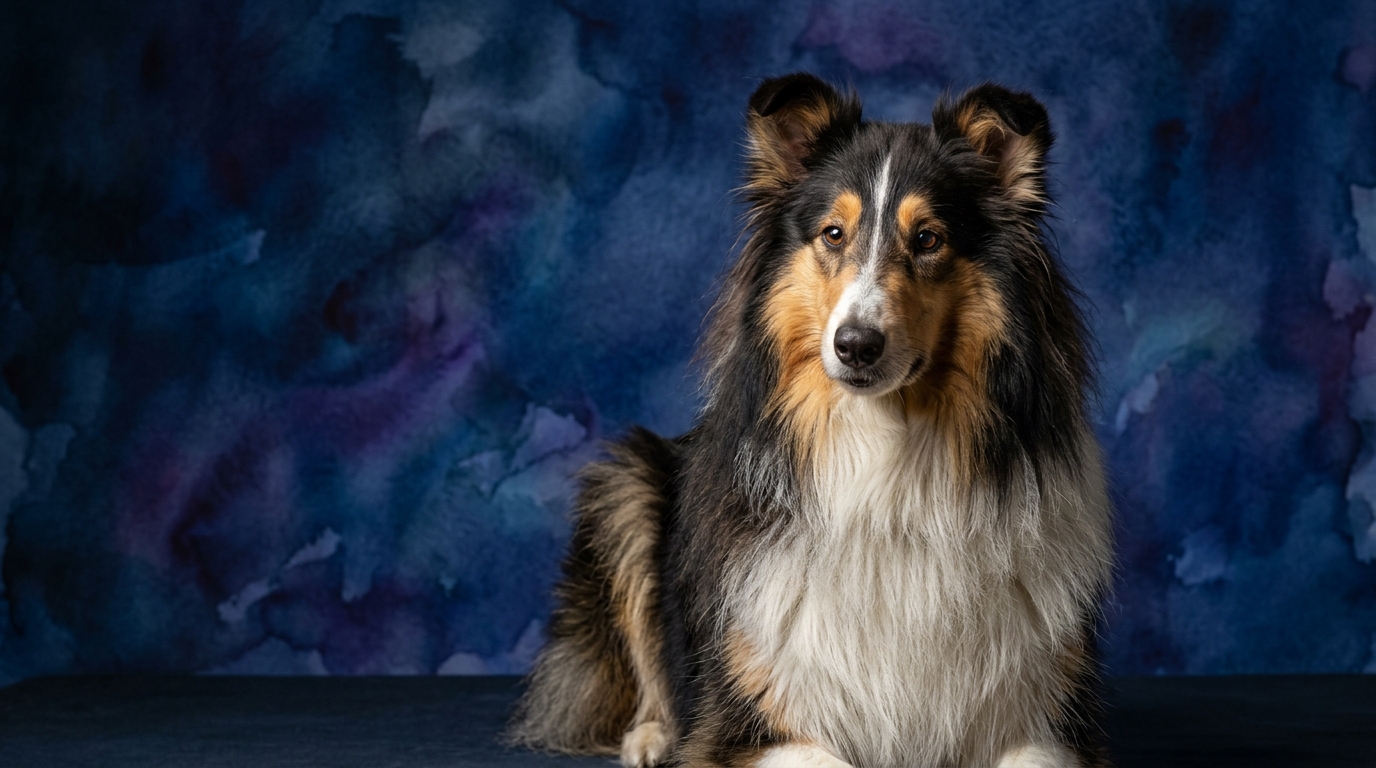
The Cosmic Pet Pet IQ Lab categorizes canine intelligence across five key dimensions, offering a nuanced view beyond a simple 'smart' label. For the Collie (Rough), ranked #16 by Coren, its profile paints a picture of a quick-witted and highly retentive learner. Its Problem Solving is rated 4/5, indicating an impressive ability to analyze new situations and devise effective strategies, whether it's navigating a complex obstacle course or figuring out how to access a desired toy. Training Speed also scores 4/5, meaning Collies typically grasp new commands and behaviors with remarkable efficiency, often requiring fewer repetitions than many other breeds. In Social Intelligence, the Collie scores 3/5; they are generally adept at understanding human cues and intentions, forming strong bonds, but might not possess the intuitive 'people-reading' of some more socially driven breeds. Their Instinctive Drive is 3/5, reflecting a moderate herding instinct that, while present, is typically manageable and not overwhelming. Finally, the Collie’s Memory stands out at a remarkable 5/5, suggesting an exceptional capacity to recall learned commands, routines, and experiences over extended periods.
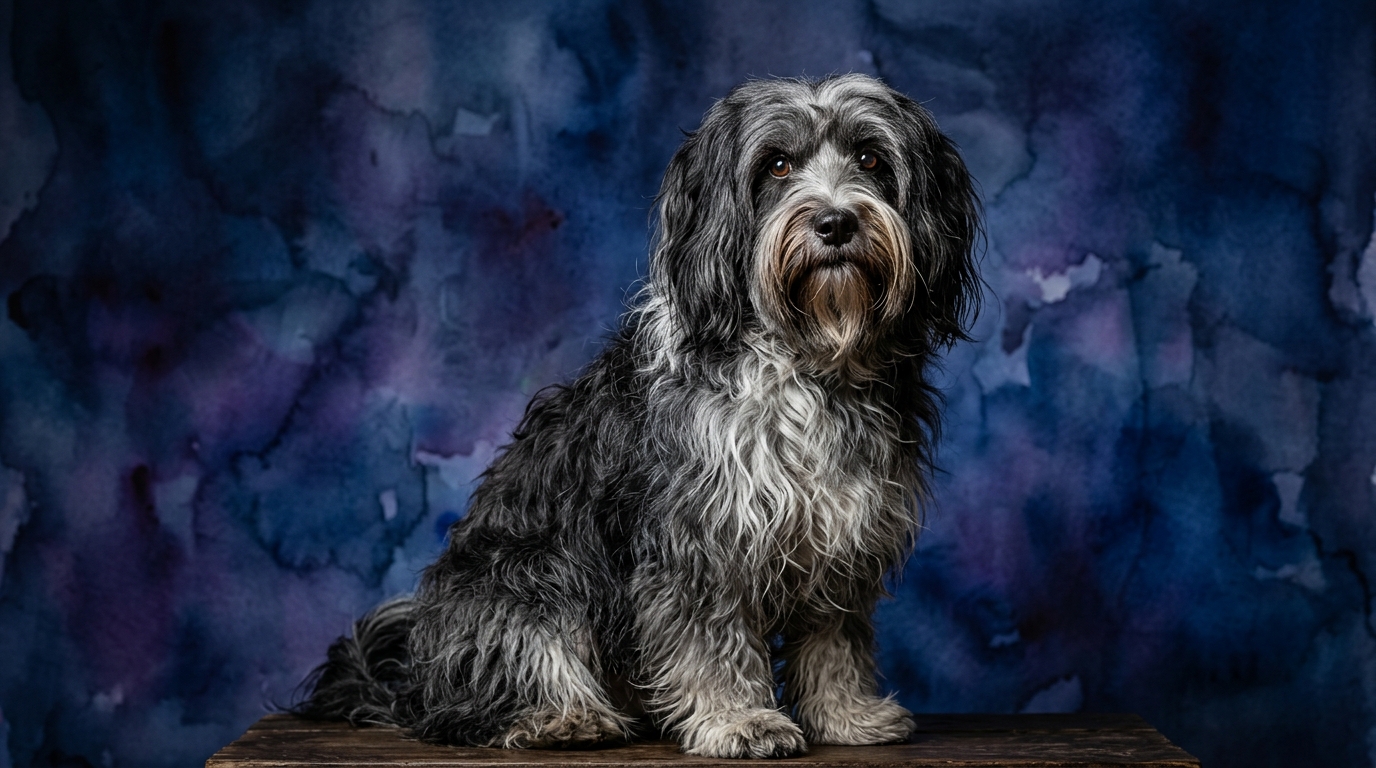
In contrast, the Tibetan Terrier, with a Coren rank of #63, presents a cognitive profile characterized by thoughtful independence and a steady learning pace. Its Problem Solving ability is rated 3/5, indicating that while capable of figuring out challenges, they may approach them with more deliberation or require more trial-and-error compared to the Collie. Training Speed also scores 3/5, meaning Tibetan Terriers learn at a consistent, moderate pace, benefiting significantly from patient and positive reinforcement, but perhaps not demonstrating the lightning-fast acquisition seen in some breeds. Their Social Intelligence is 3/5; they are affectionate and loyal with their families, capable of understanding their people, but often reserved or discerning with strangers, taking time to warm up. The Instinctive Drive for the Tibetan Terrier is also 3/5, reflecting a generally adaptable nature without strong predispositions towards intense herding, hunting, or guarding behaviors, making them versatile companions. Their Memory is rated 3/5, meaning they retain information adequately for daily routines and commands, but might not recall intricate sequences or less frequently practiced behaviors with the same precision as a Collie.
Where the Collie (Rough) Excels Cognitively
The Collie (Rough)'s cognitive strengths truly shine in areas demanding rapid assimilation of information and long-term retention. Their 4/5 Training Speed means they pick up new commands and multi-step tasks with impressive alacrity, making them ideal candidates for advanced obedience, rally, or agility. Combine this with a 5/5 Memory, and a Collie not only learns quickly but remembers those lessons for years, even after long breaks. This exceptional recall means intricate sequences, complex tricks, or precise behavioral responses become ingrained. Furthermore, their 4/5 Problem Solving allows them to adapt learned behaviors to novel situations or independently figure out solutions to environmental puzzles, such as how to open a gate or retrieve a toy from an awkward spot, often with minimal human intervention. This makes them highly adaptable to structured learning environments and capable of surprising ingenuity.
Where the Tibetan Terrier Excels Cognitively
While the Tibetan Terrier's scores might appear lower, their cognitive profile fosters a unique set of strengths centered around resilience and adaptability. Their 3/5 Problem Solving, for instance, translates not into a lack of ability, but a more thoughtful, sometimes independent approach to challenges; they may not rush to solve a puzzle but will methodically work through it, often with a charming persistence. The 3/5 Instinctive Drive is a significant advantage, meaning they are less predisposed to intense herding, chasing, or guarding behaviors, allowing them to integrate smoothly into diverse family environments without strong, innate urges to 'manage' or control. This moderation contributes to their reputation as adaptable house dogs, comfortable in various settings without needing constant, intense task-oriented stimulation. Their 3/5 Social Intelligence makes them discerning, forming deep bonds with their family while maintaining a dignified reserve with strangers, a trait often appreciated by owners seeking a loyal, yet not overly effusive, companion.
Training Journey: Collie (Rough) vs. Tibetan Terrier
When considering ease of training, the Collie (Rough) generally offers a more streamlined experience for most owners. Their 4/5 Training Speed means they typically grasp new commands and concepts in fewer repetitions, responding well to positive reinforcement and clear instruction. This quick uptake, coupled with their outstanding 5/5 Memory, ensures that once a behavior is learned, it is retained exceptionally well, making advanced training and long-term command reliability a natural outcome. They thrive on having a 'job' and are eager to please, which translates into an enthusiastic training partner.
The Tibetan Terrier, with its 3/5 Training Speed and 3/5 Memory, requires a more patient and consistent approach. While perfectly capable of learning, they may need more time and repetition to solidify new behaviors. Their moderate problem-solving often manifests as a thoughtful, sometimes independent streak; they might not immediately comply but rather consider the request, occasionally testing boundaries. This necessitates a trainer who is consistent, creative, and understands that while they are willing to learn, they are not driven by the same intense desire for immediate compliance as the Collie. Owners should be prepared for a steady, rather than rapid, progression, focusing on building a strong relationship through positive reinforcement.
Lifestyle Suitability: Active vs. Relaxed Owners
For active owners seeking a canine partner for structured activities, the Collie (Rough) is often an ideal match. Their superior Problem Solving, fast Training Speed, and exceptional Memory make them excel in pursuits like competitive obedience, agility, rally, or even traditional herding trials. They thrive on mental engagement that challenges their quick minds and robust memory, enjoying regular opportunities to learn and apply new skills. Owners who enjoy teaching complex routines, engaging in dog sports, or simply appreciate a dog that can quickly learn and reliably execute a wide array of commands will find the Collie incredibly rewarding.
The Tibetan Terrier, while active and playful, better suits owners who appreciate a more relaxed, yet still engaged, companionship. Their moderate instinctive drive and problem-solving mean they don't necessarily crave constant, high-intensity mental tasks, but rather enjoy regular walks, interactive play, and puzzle toys that provide thoughtful engagement without overwhelming pressure. They are adaptable to various living situations, content with a balance of physical exercise and comfortable indoor living. Owners who prefer a loyal, independent-minded companion for brisk daily walks, consistent home routines, and a dog that enjoys being a central part of family life without demanding constant 'work' will find the Tibetan Terrier a delightful fit.
The Verdict
Choose the Collie (Rough) if you are an active owner seeking a highly trainable, quick-learning companion for structured activities and complex tasks, valuing exceptional memory and problem-solving.
Opt for the Tibetan Terrier if you prefer a thoughtful, adaptable, and independent companion who thrives on consistent routines, moderate engagement, and deep family bonds rather than intense training demands.
🧠 Find Your Pet's IQ Score
Our Pet IQ Lab assessment covers 25+ tests across 5 cognitive dimensions — personalized to your breed.
Take the Full IQ Test →Frequently Asked Questions
Do Rough Collies need a lot of mental stimulation?
Yes, with their 4/5 problem-solving and 5/5 memory, Rough Collies benefit greatly from regular mental challenges. They enjoy learning new commands, practicing tricks, and engaging in puzzle toys to keep their active minds stimulated and prevent boredom.
Are Tibetan Terriers difficult to train due to their moderate scores?
Tibetan Terriers are not difficult to train, but they do require more patience and consistency than some other breeds. Their 3/5 training speed means they learn at a steady pace, and their independence means positive reinforcement and clear, consistent methods are key to success.
Which breed is better for a first-time dog owner?
For a first-time owner, the Collie (Rough) might be slightly more forgiving in training due to their quicker learning and memory. However, a dedicated first-time owner with patience and a commitment to consistent training could also thrive with a Tibetan Terrier, especially if they prefer a dog with a less intense drive for constant 'work'.