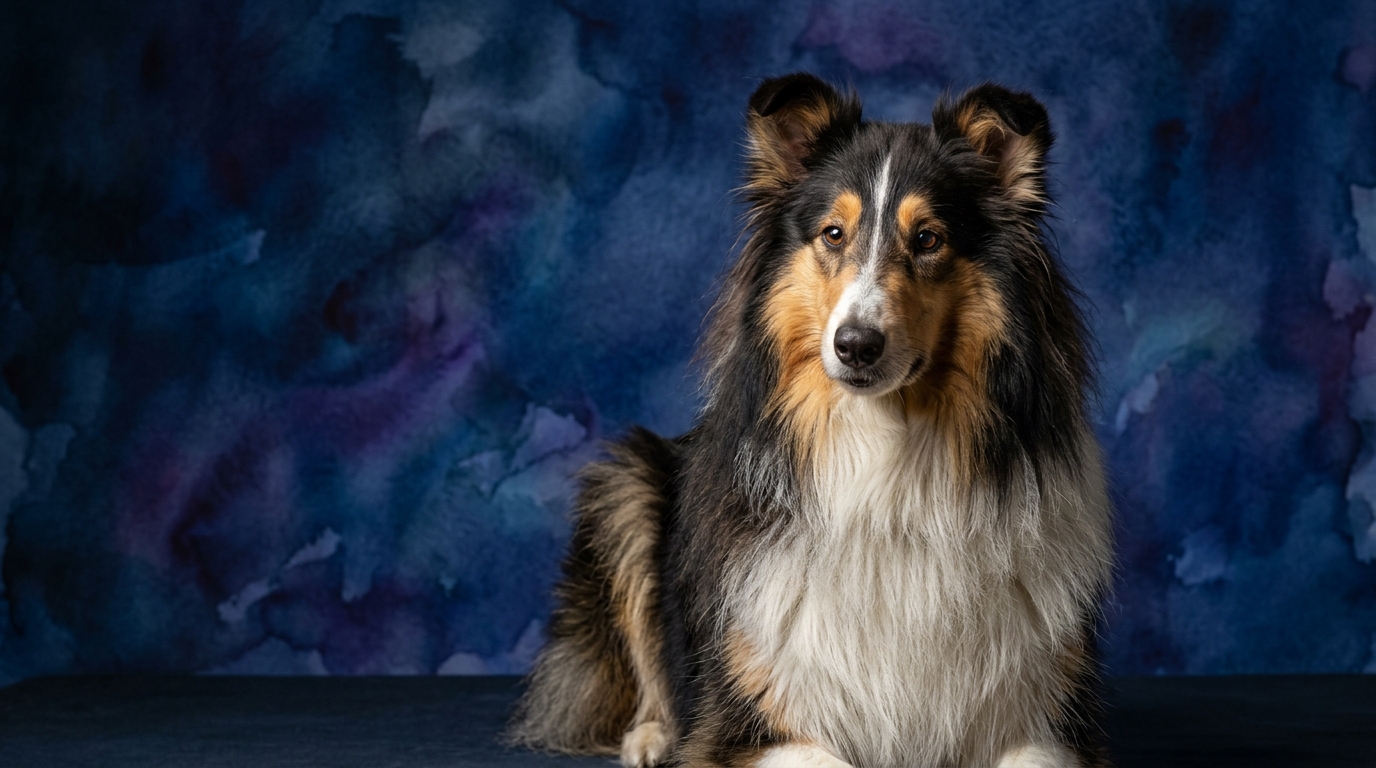
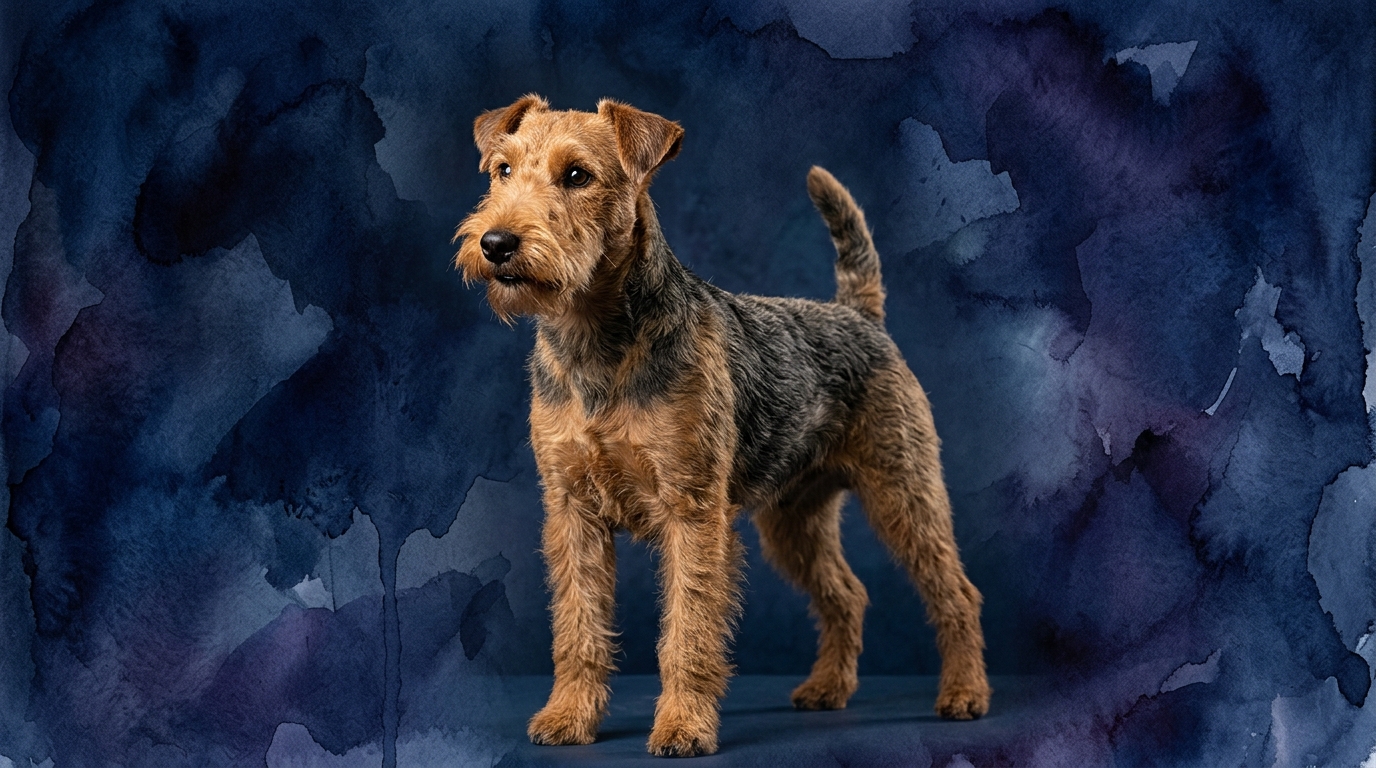
Side-by-Side IQ Profile: Collie (Rough) vs. Welsh Terrier
The Collie (Rough), holding a notable Coren rank of #16, demonstrates a high aptitude for working and obedience tasks. Their Problem Solving at 4/5 means they are highly capable of understanding complex sequences, inferring solutions to novel situations, and even manipulating objects to achieve goals, often displaying a thoughtful approach rather than pure trial-and-error. Training Speed, also 4/5, indicates a rapid acquisition of new cues and behaviors, requiring fewer repetitions than many other breeds. Social Intelligence, at 3/5, suggests they are attuned to human emotions and intentions, fostering a deep connection, yet they might be reserved or cautious with strangers rather than overtly outgoing. Their Instinctive Drive, rated 3/5, is largely channeled into their ancestral herding behaviors, manifesting as a desire for purpose and structure, though not an overwhelming physical intensity. The standout is Memory at 5/5, which allows them to recall an extensive repertoire of commands, routines, and even specific past events with remarkable accuracy, making them incredibly reliable in learned tasks.
The Welsh Terrier, lacking a specific Coren rank, possesses unique cognitive strengths distinct from the Collie. Their Problem Solving at 3/5 reflects a practical, often persistent approach; they might not devise the most elegant solution but will tenaciously work through obstacles, frequently employing a trial-and-error method driven by their strong will. Training Speed, also 3/5, means they learn at a moderate pace, but their independent nature often requires creative, engaging, and highly reinforcing methods to maintain focus and enthusiasm. Social Intelligence, 3/5, points to a strong bond with their immediate family, understanding their dynamics, but they can be assertive or less immediately accepting of outsiders, a characteristic often seen in terrier types. Their Instinctive Drive, 3/5, is profoundly rooted in their working terrier heritage, encompassing a robust prey drive, a propensity for digging, and an exploratory nature that demands outlets. Memory, at 3/5, is sufficient for retaining commands and routines with consistent practice, though it may not match the photographic recall of a Collie, sometimes requiring refreshers, particularly if a command isn't frequently used.
Where the Collie (Rough) Wins Cognitively
The Collie (Rough) undeniably shines in areas requiring advanced recall and structured learning, primarily due to their exceptional 5/5 Memory and strong 4/5 Problem Solving. This combination allows them to master intricate multi-step commands and remember them consistently over long periods, making them ideal for complex obedience, rally, or even service work. For example, a Collie can learn a sequence of retrieve tasks, remembering which specific item to fetch from a group, or follow a detailed agility course without constant verbal cues, relying on their internal map and learned patterns. Their ability to apply previously learned solutions to new, but similar, problems quickly (4/5 problem-solving) means they aren't just memorizing; they are integrating and adapting knowledge, which is a hallmark of sophisticated cognition. This leads to a highly predictable and reliable companion in various learned contexts.
Where the Welsh Terrier Wins Cognitively
The Welsh Terrier's cognitive strengths are rooted in their independent spirit and tenacious drive, making them formidable in practical, often self-directed problem-solving (3/5) fueled by their 3/5 instinctive drive. While a Collie might methodically deduce a solution, a Welsh Terrier is more likely to use ingenuity and persistence, often employing a "try everything" approach until something works. This can manifest as cleverly figuring out how to open a gate, outsmarting a puzzle toy through sheer determination, or finding novel ways to access forbidden areas. Their terrier heritage means they excel in tasks requiring independent thought and a certain level of "cunning" to achieve their goals, such as tracking a scent or navigating challenging terrain without direct human guidance. This resourcefulness, though sometimes channeled into mischief, highlights a distinct form of practical intelligence and adaptability to their environment.
Which is Easier to Train and Why
For the average owner seeking a responsive and cooperative learner, the Collie (Rough) is generally easier to train. Their 4/5 training speed means they quickly grasp new concepts, and their 5/5 memory ensures these lessons are retained with remarkable consistency, reducing the need for constant repetition. Collies historically worked in close partnership with shepherds, fostering an innate desire to understand and respond to human direction. This cooperative nature, combined with their thoughtful problem-solving, makes them eager participants in training sessions, often anticipating cues. Conversely, the Welsh Terrier's 3/5 training speed and 3/5 memory, coupled with their strong independent streak, present a different training challenge. They can learn, but often require more engaging, varied, and reward-heavy methods to maintain interest. A Welsh Terrier might understand a command but choose not to execute it if something more interesting captures their attention, a classic terrier trait. Their problem-solving might be applied to finding ways around commands rather than strictly adhering to them, demanding greater patience, consistency, and a sense of humor from their trainer.
Which Suits Active Owners vs. Relaxed Owners
The Collie (Rough) fits well with owners who are moderately active and enjoy engaging in structured activities without needing a constant, intense physical output. Their 3/5 instinctive drive means they appreciate regular walks, opportunities for mental stimulation through training, and perhaps participation in dog sports like obedience or rally, where their memory and problem-solving can shine. However, they are equally content with periods of relaxation indoors, making them suitable for families who enjoy both activity and calm companionship. A relaxed owner who can commit to daily mental enrichment and moderate exercise will find a Collie a fulfilling partner. The Welsh Terrier, with its robust 3/5 instinctive drive and boundless energy, is better suited for truly active owners. They thrive on vigorous daily exercise, adventurous outings, and opportunities to engage their terrier instincts, such as exploring new trails, playing intense fetch, or participating in earthdog trials. Their independent and tenacious nature means they need consistent physical and mental challenges to prevent boredom, which can lead to undesirable behaviors. Owners who love to hike, run, or engage in active outdoor sports will find a Welsh Terrier an enthusiastic and enduring companion.
The Verdict
Choose a Collie (Rough) if you seek a highly trainable companion who excels in memory, enjoys structured learning, and thrives on cooperative engagement within a family setting, offering a generally predictable and responsive demeanor.
Opt for a Welsh Terrier if you appreciate a spirited, tenacious partner with an independent streak, who will keep you active, enjoys challenging mental and physical games, and brings a lively, resourceful presence to your home.
🧠 Find Your Pet's IQ Score
Our Pet IQ Lab assessment covers 25+ tests across 5 cognitive dimensions — personalized to your breed.
Take the Full IQ Test →Frequently Asked Questions
Do Rough Collies genuinely understand human emotions?
With a social intelligence rating of 3/5, Rough Collies are indeed sensitive to human moods and intentions. They often pick up on subtle cues, reacting to their owner's tone and body language, which contributes to their empathetic and responsive companionship. This sensitivity, however, can also make them prone to anxiety if their environment is consistently chaotic or stressful.
How does a Welsh Terrier's instinctual drive manifest in daily life?
A Welsh Terrier's 3/5 instinctive drive primarily manifests as a strong prey drive and a desire to explore. Owners might observe behaviors like digging, chasing small animals, or intense focus on moving objects. Providing appropriate outlets, such as secure yards for digging or engaging fetch games, is crucial to channel this natural energy constructively.
Is the Coren ranking a definitive measure of a dog's intelligence?
Stanley Coren's ranking primarily assesses "working and obedience intelligence," focusing on trainability and command comprehension, which is one facet of cognitive ability. While the Collie's #16 rank indicates strong learning and obedience skills, the Welsh Terrier's lack of a specific rank doesn't imply a lack of intelligence, but rather that their cognitive strengths might lie more in independent problem-solving and tenacity, which are not as heavily weighted in Coren's methodology.