Side-by-Side IQ Profile: Understanding Core Cognitive Strengths
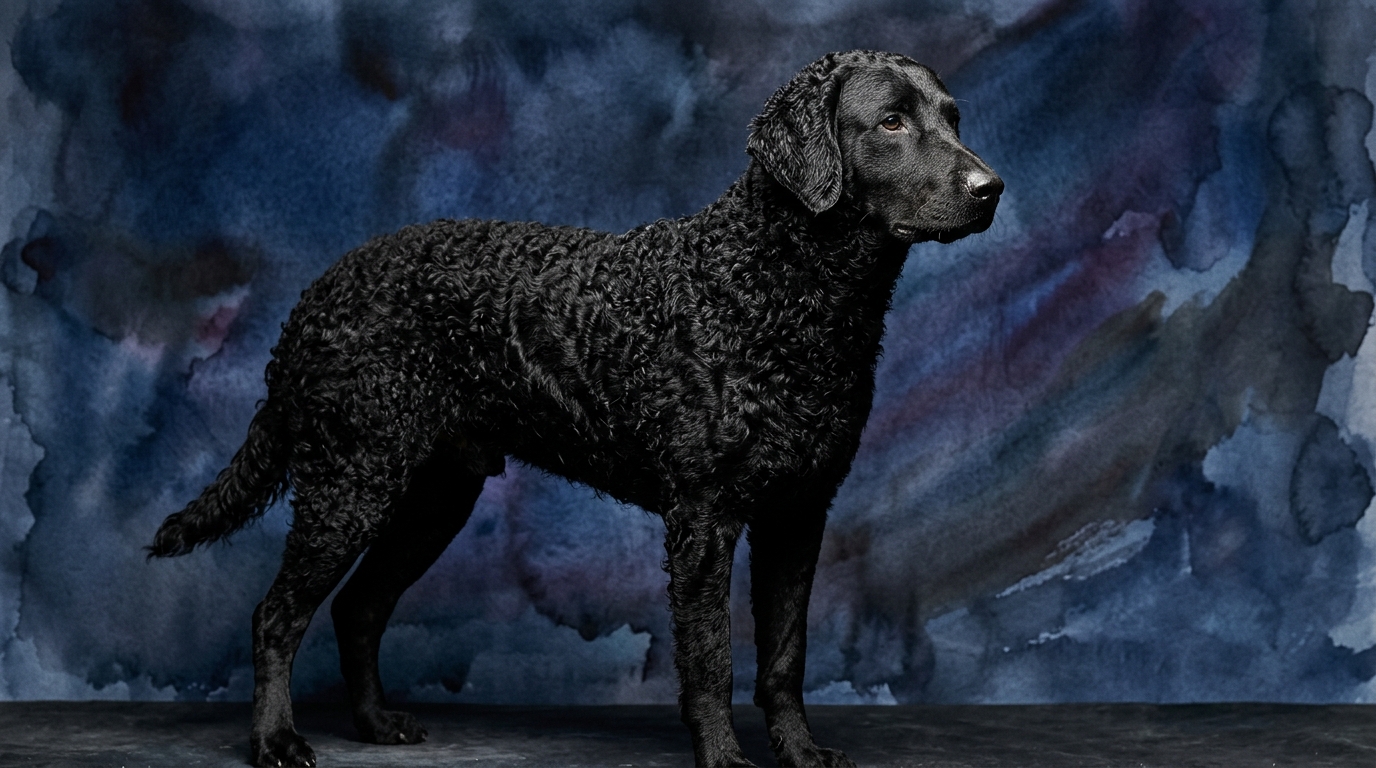
The Curly-Coated Retriever, a Sporting Group member ranking #41 on the Coren scale, presents a balanced cognitive profile geared towards cooperative work. Their Problem Solving is rated 3/5, indicating an aptitude for figuring out practical tasks, particularly those involving retrieving and navigating obstacles to reach a goal. Training Speed also sits at 3/5, suggesting they grasp new commands at a moderate pace, often motivated by engagement with their handler. Social Intelligence is 3/5, reflecting a capacity to read human cues and integrate smoothly into family dynamics, showing a moderate understanding of social structures. Their Instinctive Drive, at 3/5, is strongly focused on retrieving and water work, exhibiting a natural inclination for specific tasks. Crucially, their Memory scores 4/5, signifying an excellent ability to retain learned behaviors, complex routines, and past experiences, which is vital for consistent performance.
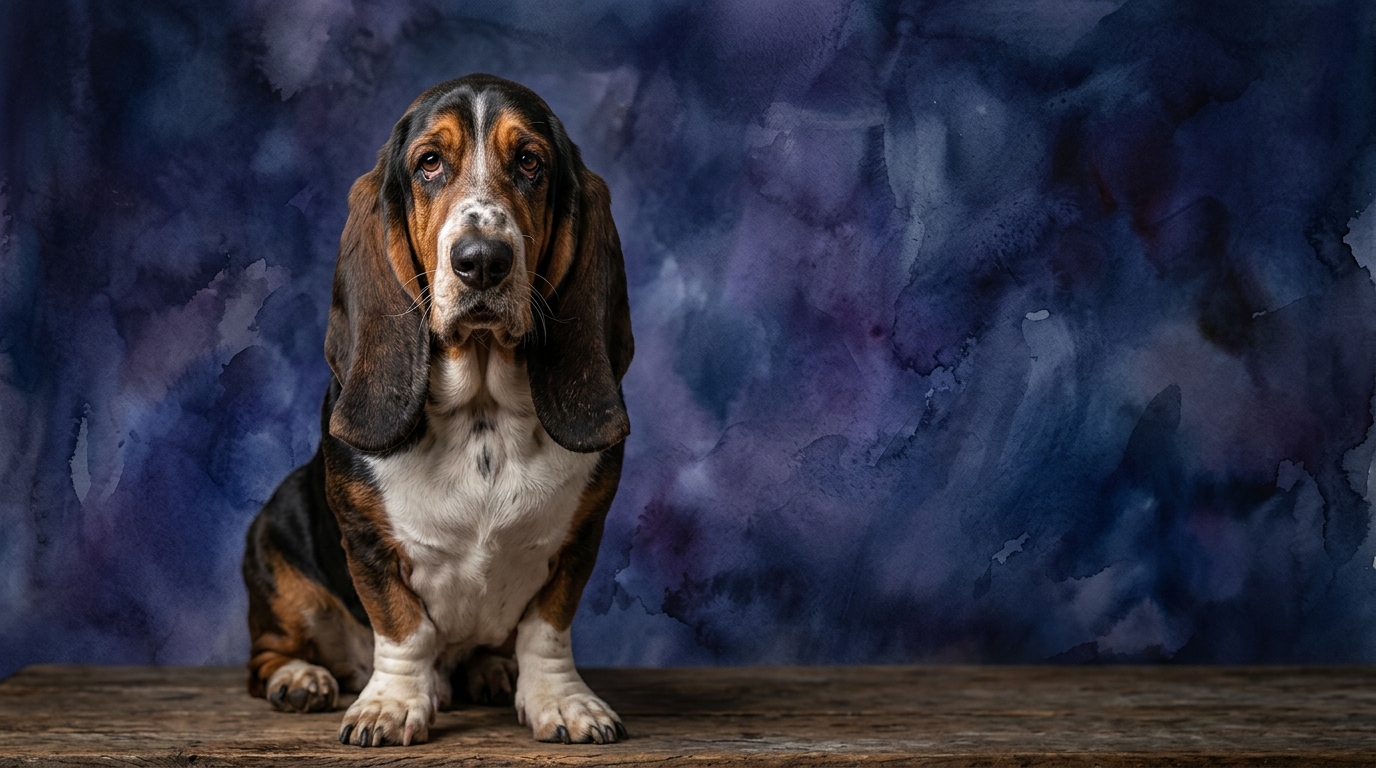
In contrast, the Basset Hound, a Hound Group member ranking #71 on the Coren scale, possesses a cognitive architecture specialized for scent work. Their Problem Solving, also 3/5, manifests differently; they excel at interpreting intricate scent trails and navigating environments based solely on olfactory information, rather than abstract puzzles. Training Speed is 3/5, meaning they can learn commands, though their independent nature and profound scent drive can sometimes present a challenge to immediate compliance. Social Intelligence is 3/5, depicting a calm, amiable disposition that allows them to interact well within a family, though they may not show the same overt eagerness to please as some working breeds. Their Instinctive Drive is also 3/5, but this score represents an overwhelming, singular focus on following a scent trail, often to the exclusion of all else. The Basset Hound’s Memory is 3/5, indicating a solid retention of familiar routines and people, but perhaps not the same capacity for complex sequences as the Curly-Coated Retriever.
Where the Curly-Coated Retriever Shows Cognitive Advantages
The Curly-Coated Retriever's most pronounced cognitive advantage lies in its superior Memory, scoring 4/5 compared to the Basset Hound’s 3/5. This enhanced memory translates directly into a greater capacity for retaining a wider array of commands, complex sequences, and intricate routines over time. An owner can expect more consistent recall and the ability to build upon learned skills more readily, making them proficient in advanced obedience, dog sports, or multi-step field tasks. This robust memory also aids in their adaptability to new situations, as they can quickly recall past successful strategies.
Furthermore, while both breeds score 3/5 in Instinctive Drive, the Curly-Coated Retriever’s drive is inherently geared towards cooperative partnership. Their sporting heritage means their problem-solving (3/5) and drive are often applied in tandem with a human handler, fostering a desire to work together to achieve a shared goal. This collaborative cognitive framework means they are often more attuned to human direction and feedback, making them more amenable to training that requires sustained attention and joint effort. Their enthusiasm for engaging in tasks alongside their owner provides a distinct cognitive edge for cooperative learning.
Where the Basset Hound Exhibits Unique Cognitive Strengths
The Basset Hound's primary cognitive strength lies in its profoundly specialized Instinctive Drive, rated 3/5. While numerically matching the Curly-Coated Retriever, the *nature* of this drive is uniquely powerful: an unparalleled ability to process, interpret, and relentlessly follow a complex tapestry of scent information. This sophisticated olfactory problem-solving allows them to piece together an entire narrative from faint odors, maintaining an unwavering focus on a trail for extended periods despite environmental distractions. This intense specialization represents a form of cognitive processing that few other breeds can match, showcasing a remarkable dedication to their primary purpose.
Their Problem Solving, also 3/5, is directly intertwined with this scent-driven focus. Basset Hounds excel at navigating intricate outdoor environments, not by visual cues or human direction, but by constructing a mental map based purely on scent. This form of environmental navigation and target identification, driven by their deep ancestral purpose, demonstrates a highly evolved cognitive function within their specific domain. They are masters at deciphering the 'language' of the ground, a distinct cognitive win for tasks requiring precise scent discrimination.
Training Dynamics: Which Breed is Easier to Shape?
The Curly-Coated Retriever generally proves easier to train for conventional obedience and diverse tasks, largely due to its superior Memory (4/5) and its cooperative Instinctive Drive. They tend to retain commands more effectively and for longer durations, meaning less repetition is required for mastery. Their inherent desire to work alongside a human makes them more receptive to structured learning environments, viewing training as a collaborative activity. This natural inclination for partnership, combined with their problem-solving capacity, helps them understand and execute human-initiated tasks with greater consistency.
The Basset Hound, despite a 3/5 Training Speed, often presents more challenges in traditional obedience training due to its overwhelming Instinctive Drive for scent work. When a captivating odor enters their world, their powerful nose often takes precedence over any command, making recall particularly difficult in stimulating outdoor environments. Their independent hound nature means they are less inclined to offer automatic compliance and require patient, consistent, and highly motivating reward-based training. While capable of learning, an owner must acknowledge that a Basset Hound might choose to follow its nose over a verbal cue, requiring a deeper understanding of their specialized cognitive priorities.
Lifestyle Suitability: Active Owners vs. Relaxed Companions
The Curly-Coated Retriever is an ideal match for active owners who seek an engaged and cooperative partner for various structured activities. Their Sporting Group background necessitates regular physical exertion and mental engagement, thriving on tasks like hiking, swimming, advanced obedience, agility, or field work. Owners who enjoy spending significant time outdoors, providing consistent training, and involving their dog in shared adventures will find a willing and capable companion in a CCR. Their cooperative nature ensures they are often eager participants in family activities, forging strong bonds through shared experiences and consistent interaction.
The Basset Hound, conversely, is better suited for more relaxed owners who appreciate a calm, amiable presence within the home but are also prepared to cater to their profound need for scent exploration. While they do not demand intense, high-impact physical exercise, they absolutely require ample opportunities for 'sniff walks' or structured scent games to satisfy their potent Instinctive Drive. Owners who enjoy leisurely strolls where the dog can follow its nose, or who can provide engaging indoor scent work, will foster a content and well-adjusted Basset. Their placid demeanor makes them excellent companions for a quiet evening at home, provided their unique cognitive needs for olfactory stimulation are met.
The Verdict
Choose a Curly-Coated Retriever if you seek a cooperative, active partner for structured activities and desire a dog with excellent memory retention for consistent training and complex tasks. Their enthusiasm for joint ventures makes them ideal for owners who enjoy an engaged canine companion in various pursuits.
Opt for a Basset Hound if you appreciate a calm, independent companion and are prepared to indulge their profound natural inclination for scent exploration. They are perfect for owners who value a relaxed home life but understand the importance of satisfying a dog's specialized cognitive drives through activities like scent work or leisurely sniff-filled walks.
🧠 Find Your Pet's IQ Score
Our Pet IQ Lab assessment covers 25+ tests across 5 cognitive dimensions — personalized to your breed.
Take the Full IQ Test →Frequently Asked Questions
Is a Curly-Coated Retriever a good family dog?
Yes, with their Social Intelligence at 3/5, Curly-Coated Retrievers typically integrate well into family life. They are generally patient and amiable, forming strong bonds with their human companions, especially when provided with sufficient mental and physical stimulation and consistent training.
Do Basset Hounds require a lot of exercise?
Basset Hounds have moderate exercise needs, scoring 3/5 for Instinctive Drive, which is primarily focused on scent work rather than sustained running. They benefit greatly from daily sniff walks where they can explore odors at their own pace, but intense, high-impact exercise is generally not their preference or requirement.
Which breed is more vocal?
Basset Hounds are often more vocal, known for their distinctive baying, especially when on a scent trail or when feeling lonely. Curly-Coated Retrievers are generally less vocal, typically only barking to alert or during play, making them a quieter companion overall.