Side-by-Side Cognitive Profile
To understand the unique intelligence of these breeds, we examine their scores across five key cognitive dimensions:
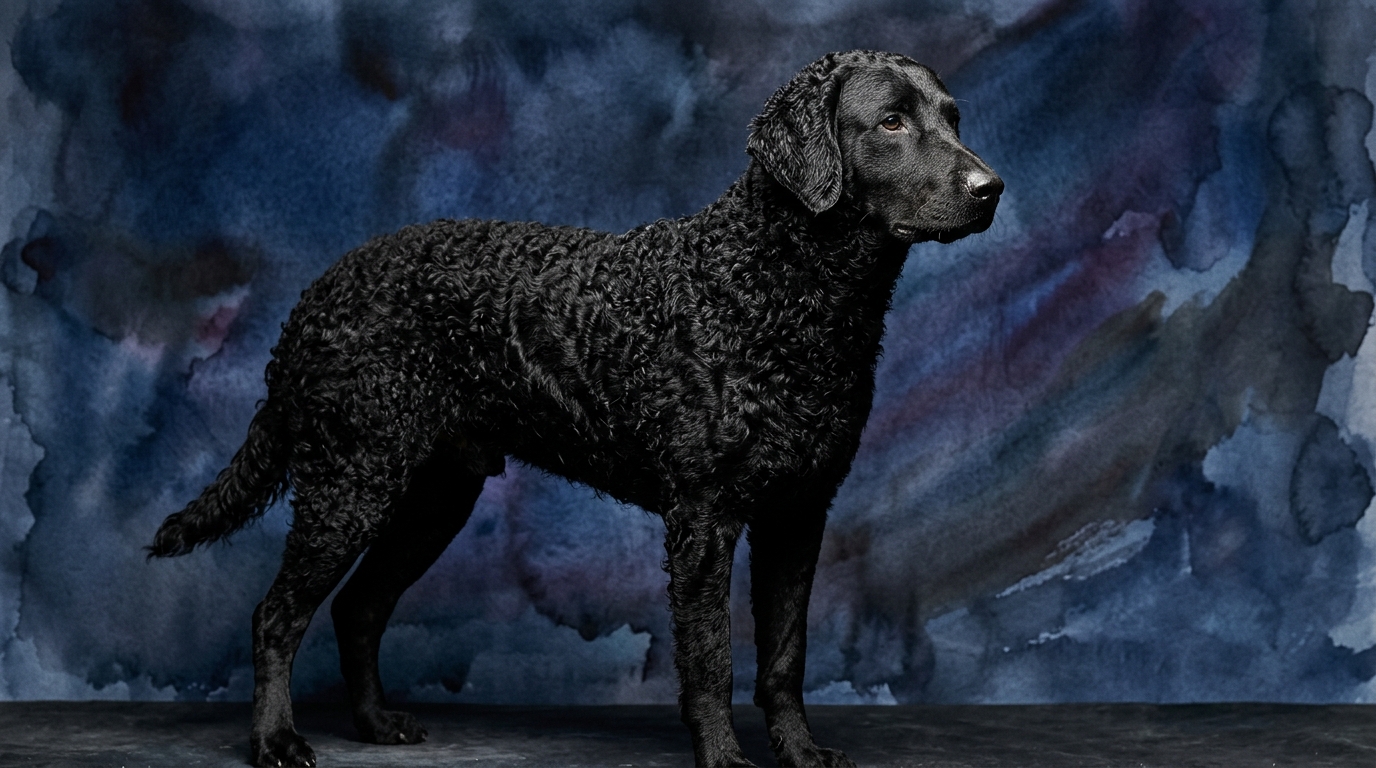
**Curly-Coated Retriever (Coren Rank #41)**
**Problem Solving (3/5):** This moderate score indicates a practical capacity for figuring out novel situations. Bred to retrieve game, Curly-Coats demonstrate functional problem-solving in tasks related to their working heritage, like navigating terrain or locating hidden objects, but might not excel at abstract puzzles without specific guidance.
**Training Speed (3/5):** A 3/5 suggests a reasonable pace for acquiring new commands and behaviors. While not the quickest learners, Curly-Coats are generally receptive to consistent, positive training that engages their natural retrieving instincts, aided by their desire to work with their handler.
**Social Intelligence (3/5):** This reflects a moderate understanding of human cues and social dynamics. Curly-Coats form strong bonds with their families and read familiar faces well, but can be reserved with strangers, necessitating careful socialization to develop nuanced social skills beyond their immediate circle.
**Instinctive Drive (3/5):** Their drive is moderate, primarily focused on their retrieving heritage. This manifests as a desire to carry things, explore, and engage in physical activity. While present, it's not overwhelming, allowing them to be attentive companions when their needs are met.
**Memory (4/5):** A strong 4/5 in memory means Curly-Coats retain learned information and experiences effectively over time. This aids in long-term obedience, remembering routes, and recalling specific training cues, making consistent practice highly rewarding for both dog and owner.
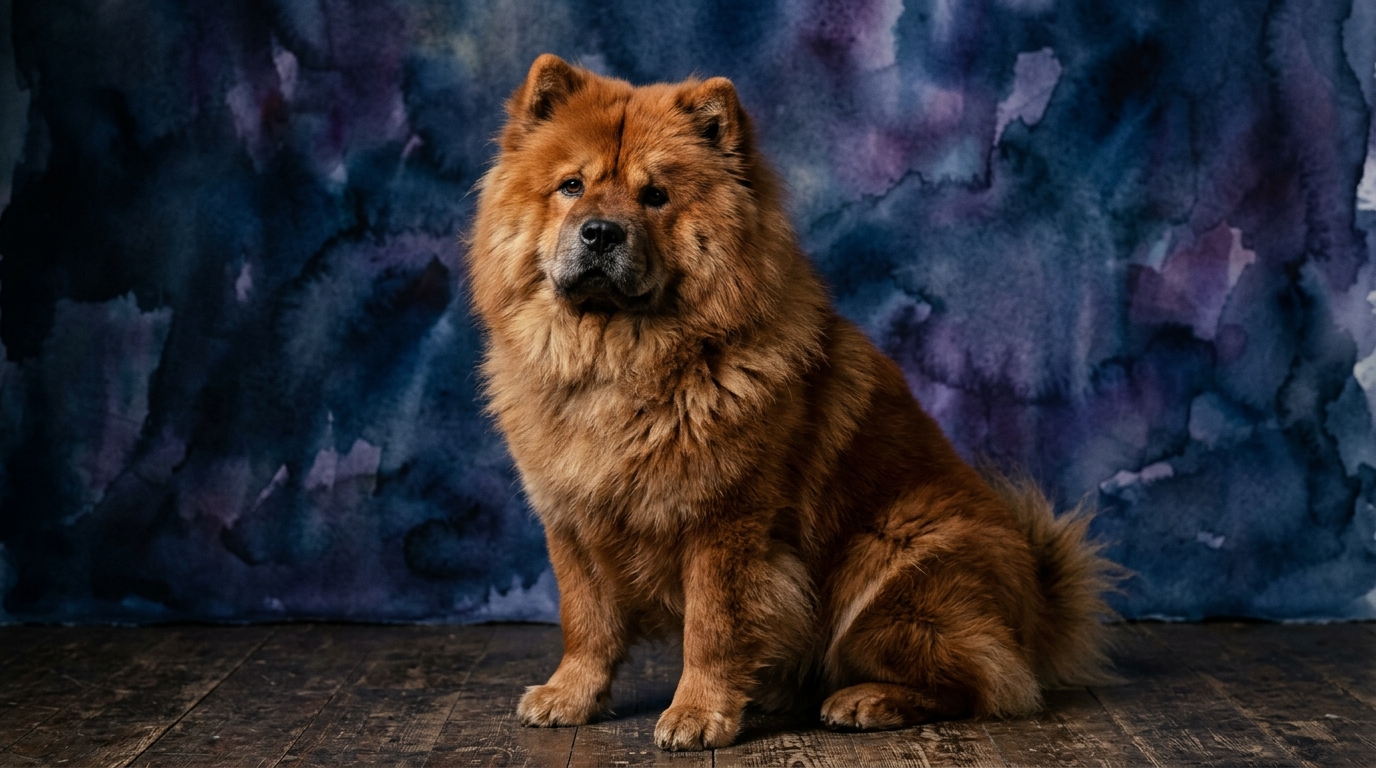
**Chow Chow (Coren Rank #76)**
**Problem Solving (3/5):** Similar to the Curly-Coated Retriever, the Chow Chow scores 3/5 in problem-solving. This breed displays a practical intelligence, capable of assessing situations within its own frame of reference, particularly concerning its territory or routine. Their independent nature means they often prefer to solve problems on their own terms rather than seeking human assistance.
**Training Speed (3/5):** A 3/5 for training speed suggests a moderate ability to learn. While Chows can certainly learn commands, their independent and often aloof temperament requires highly motivating, consistent, and patient training. They may not show the same eagerness to please, often evaluating a command's utility before complying.
**Social Intelligence (3/5):** The Chow Chow's 3/5 in social intelligence reflects a selective and often reserved approach to social interaction. They are deeply devoted to their immediate family but typically indifferent or suspicious of strangers. Their social understanding is geared towards protecting their inner circle and maintaining personal space, rather than broad social engagement.
**Instinctive Drive (3/5):** Their instinctive drive, rated 3/5, is channeled more towards guarding, protection, and maintaining their domain rather than active “working” tasks. This manifests as vigilance and a strong sense of territory, rather than an eagerness for high-intensity physical output or collaborative tasks.
**Memory (3/5):** A 3/5 in memory indicates a solid, but not exceptional, capacity for retaining information. Chows remember routines and established commands, but might require more repetition or stronger reinforcement than breeds with higher memory scores, especially if they perceive a task as irrelevant or uninteresting.
Where the Curly-Coated Retriever Wins Cognitively
The Curly-Coated Retriever holds a distinct cognitive edge, particularly in its superior memory, rated at 4/5 compared to the Chow Chow's 3/5. This enhanced recall means a Curly-Coat will generally solidify learned commands and experiences more quickly and retain them over longer periods, making training more efficient and progressive. Their higher Coren rank of #41 reflects a greater willingness to comply and understand human directives, a trait linked to their collaborative hunting heritage, leading to more consistent application of learned behaviors. Furthermore, their moderate instinctive drive, while equal in score, is directed towards cooperative tasks like retrieving, which requires understanding complex sequences and spatial awareness, giving them a practical cognitive advantage in task-oriented learning.
Where the Chow Chow Wins Cognitively
While the Chow Chow's scores are generally equal or slightly lower, its unique cognitive strengths lie in its independent problem-solving and highly developed sense of self-preservation and territoriality. Despite a 3/5 in problem-solving, the Chow Chow often applies this intelligence with a strong sense of autonomy, preferring to assess situations and act based on its own judgment rather than immediately seeking human direction. This self-reliance, rooted in its ancient guarding roles, means it excels at independent vigilance and making decisions to protect its domain. Its 3/5 social intelligence manifests as profound loyalty to its inner circle and a discerning reserve towards outsiders, a cognitive strategy maximizing protective instincts. This makes them highly effective at discerning perceived threats and acting accordingly, a specific form of practical intelligence.
Training: Biddability vs. Independence
Between these two breeds, the Curly-Coated Retriever is generally easier to train due to several inherent behavioral differences. Their higher Coren rank of #41 indicates a greater capacity for understanding and executing commands with fewer repetitions, a direct contrast to the Chow Chow's #76. This biddability stems from their Sporting heritage, where close collaboration was paramount, fostering a stronger desire to please and a more collaborative mindset, making them highly receptive to positive reinforcement. They thrive on engaging training sessions that tap into their natural instincts.
The Chow Chow, conversely, approaches training with a highly independent and often discerning attitude. While capable of learning, their inherent aloofness and strong will mean they require significantly more patience, consistency, and highly motivating rewards. A Chow Chow is more likely to question the necessity of a command or simply ignore it if it doesn't perceive immediate value, making training a partnership built on mutual respect and clear communication rather than eager compliance. Their willingness to perform is often tied to their perception of the task's benefit or their bond with the trainer.
Matching Breeds to Lifestyles: Active vs. Relaxed Owners
The choice between these breeds largely depends on an owner's lifestyle and activity levels. The Curly-Coated Retriever, with its Sporting background and moderate instinctive drive focused on activity, is an ideal match for active owners. They thrive on regular exercise, which could include long walks, runs, swimming, or engaging in dog sports like agility and obedience. Their need for physical and mental stimulation means they integrate well into homes prioritizing outdoor adventures and interactive play, preventing boredom.
In contrast, the Chow Chow is better suited for more relaxed owners who appreciate a dignified and less demanding companion. While they still require daily walks to maintain health, their instinctive drive is less about high-intensity activity and more about patrolling their territory and enjoying calm companionship. They are generally content with a moderate exercise routine and a comfortable spot to observe their surroundings, making them a good fit for individuals or families with a more sedentary lifestyle, provided their guarding instincts are managed and early socialization is prioritized.
The Verdict
When deciding between these two distinct breeds, the Curly-Coated Retriever is the superior choice for owners seeking a collaborative canine partner eager to learn, participate in activities, and engage deeply in family life, especially those valuing a strong memory for training.
Opt for the Chow Chow if you appreciate an independent, dignified companion with a strong protective instinct and a more reserved social nature, suitable for a home that values calm companionship over constant interaction.
🧠 Find Your Pet's IQ Score
Our Pet IQ Lab assessment covers 25+ tests across 5 cognitive dimensions — personalized to your breed.
Take the Full IQ Test →Frequently Asked Questions
Does the Chow Chow's independence mean it can't be trained?
Not at all. The Chow Chow can certainly be trained, but its independent nature means it requires a different approach. Training must be highly motivating, consistent, and built on mutual respect rather than constant eager compliance.
Are Curly-Coated Retrievers good with children?
Curly-Coated Retrievers can be excellent family dogs and are generally good with children, especially when socialized early. Their moderate social intelligence means they form strong bonds with their family, though their energy levels mean supervision is always wise with very young children.
How much exercise does a Chow Chow need daily?
While not as high-energy as the Curly-Coated Retriever, a Chow Chow still requires moderate daily exercise. This typically includes one or two brisk walks totaling 30-60 minutes to keep them physically fit and mentally content, without overexertion.