Side-by-Side Cognitive Profiles: A Closer Look
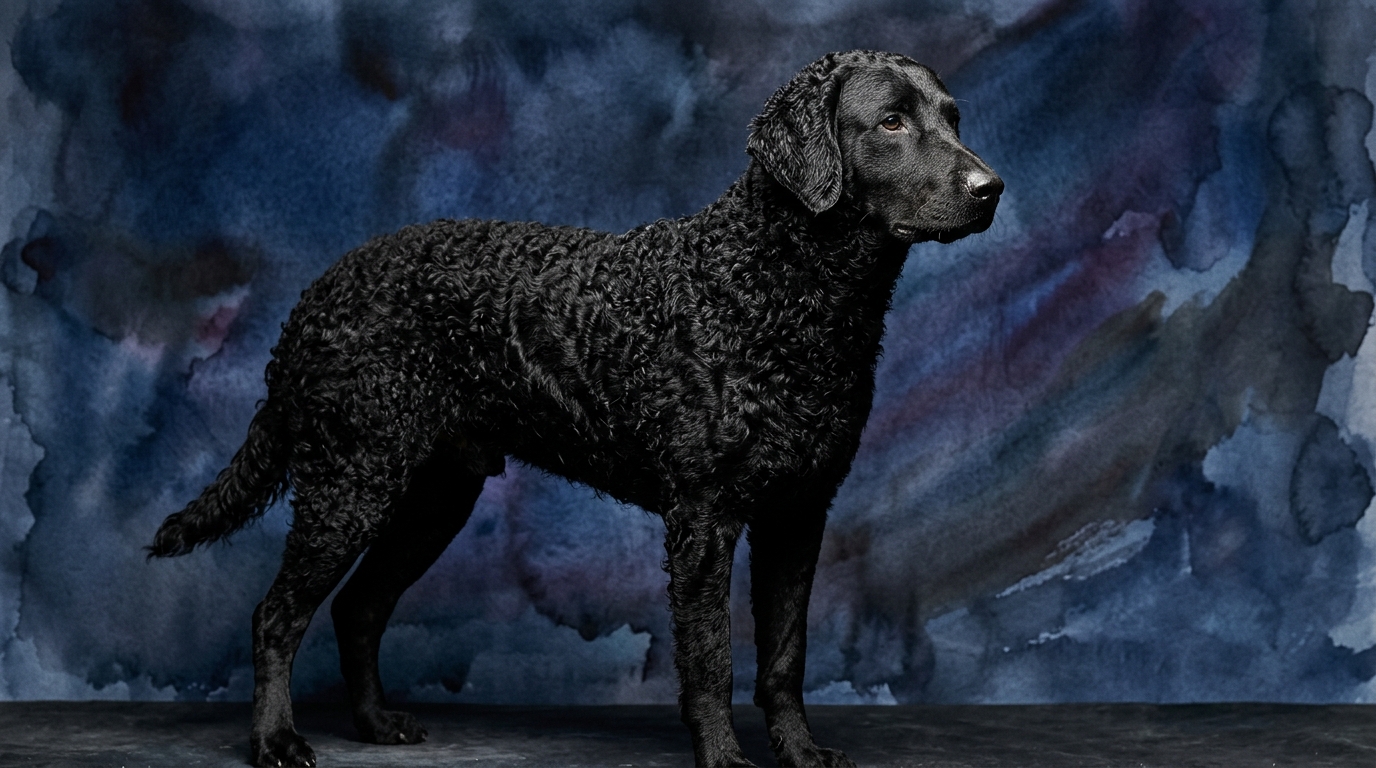
The Curly-Coated Retriever, a member of the Sporting group and ranked #41 by Coren, exhibits a balanced cognitive profile geared towards cooperative work. Its Problem Solving is rated 3/5, indicating a capacity for navigating moderately complex challenges, often in a task-oriented manner. Training Speed also sits at 3/5, suggesting a reasonable pace for acquiring new commands. Social Intelligence, at 3/5, points to a moderate understanding of human cues and social dynamics. Its Instinctive Drive, 3/5, is channeled typically into retrieving and working alongside handlers. Crucially, its Memory is 4/5, signifying a robust ability to recall learned behaviors and past experiences over time, a vital trait for a working retriever.
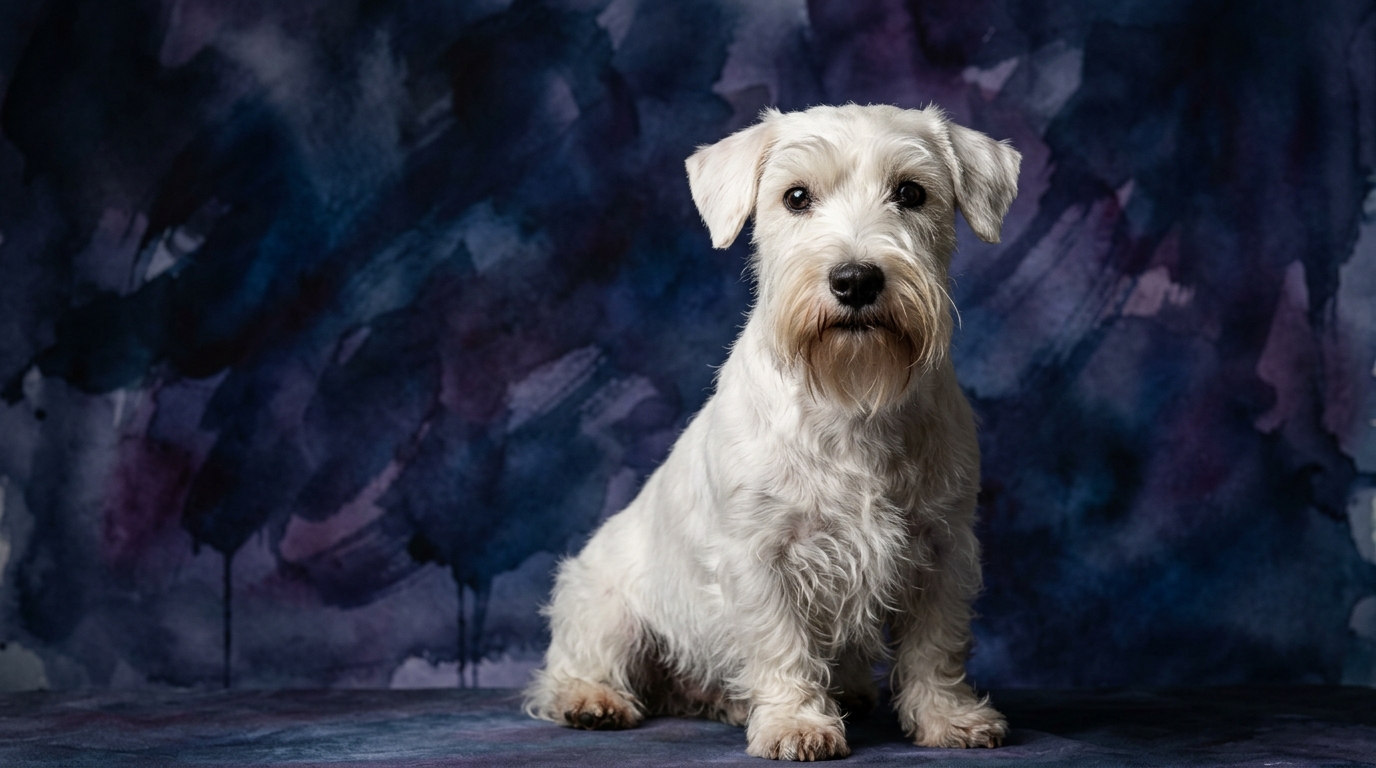
The Sealyham Terrier, a Terrier group member not present on Coren's ranking, presents a profile reflecting its independent, vermin-hunting heritage. Like the Curly-Coated Retriever, its Problem Solving is 3/5, but this often manifests in tenacious, self-directed efforts to overcome obstacles, especially those related to prey. Training Speed is 3/5, implying it can learn, but its independent spirit might require more engaging methods. Social Intelligence is 3/5, meaning it can interact appropriately but might prioritize its own agenda. Instinctive Drive, also 3/5, is strongly focused on scent, chase, and digging. Its Memory, however, is 3/5, suggesting it retains information adequately but perhaps not with the same depth or long-term recall as the Curly-Coated Retriever, potentially requiring more consistent reinforcement.
Where the Curly-Coated Retriever Shines Cognitively
The Curly-Coated Retriever's cognitive strengths distinctly align with its historical role as a versatile gun dog. Its standout feature is its Memory, rated 4/5, which allows it to excel in tasks requiring retention of complex sequences and long-term recall. This means a Curly is more likely to remember a multi-step retrieve pattern, the location of a dropped item from days ago, or a specific scent trail over time. This superior memory, coupled with a 3/5 Training Speed and its Coren ranking, indicates a dog that not only learns commands at a respectable pace but also reliably applies them consistently. They are adept at remembering the nuances of obedience routines, agility courses, or scent work, making them a consistent and predictable partner in structured activities. Their social intelligence, while rated similarly to the Sealyham, is often expressed in a willingness to collaborate and follow human direction, further amplifying their trainable memory for cooperative tasks.
Where the Sealyham Terrier Excels Cognitively
While the Sealyham Terrier shares a 3/5 score in Problem Solving with the Curly-Coated Retriever, its application of this skill is where it truly excels, rooted in its independent earth-dog origins. A Sealyham's problem-solving is characterized by tenacious persistence and ingenious, often self-directed, strategies to achieve its goals, particularly when those goals involve tracking or 'dispatching' perceived quarry. This isn't about following human instructions but about figuring things out on its own terms, whether it's navigating a complex burrow system or finding a way to access a hidden treat. Its 3/5 Instinctive Drive, though numerically similar, is channeled into a focused, unyielding pursuit that can make it incredibly effective in its niche. The Sealyham may not be Coren-ranked, but this doesn't diminish its specialized cognitive abilities; rather, it highlights a different kind of intelligence, one geared towards autonomous, determined action rather than cooperative obedience. Their social intelligence, while moderate, often involves assessing situations for personal gain or for opportunities to engage their terrier instincts.
Ease of Training: Understanding Behavioral Drivers
When considering ease of training, the Curly-Coated Retriever generally presents a more straightforward experience due to its inherent desire to work cooperatively and its stronger memory. With a 4/5 Memory score, a Curly will retain commands and routines with fewer repetitions and recall them more reliably over time. Their 3/5 Training Speed is supported by a history of working closely with humans, meaning they are often keen to please and respond well to positive reinforcement. While they can have an independent streak typical of retrievers, their primary motivation often involves engaging with their handler, making them more receptive to structured lessons.
The Sealyham Terrier, despite also having a 3/5 Training Speed, requires a different approach. Its 3/5 Memory means commands may need more consistent reinforcement to become ingrained. More significantly, its strong instinctive drive and independent nature, honed for solitary hunting, mean it can be more challenging to convince a Sealyham that your agenda is more important than its own. They are not unintelligent, but their motivation often stems from their own drives rather than a strong desire to please. Training a Sealyham requires patience, creativity, and an understanding of how to channel its tenacity into desired behaviors, often through play and high-value rewards that appeal to its prey drive. Consistency is key, as is making training feel like a game rather than a chore.
Matching Breeds to Lifestyles: Active vs. Relaxed Owners
For owners seeking an active, engaged companion, the Curly-Coated Retriever is typically a more natural fit. As a Sporting breed, they possess considerable stamina and thrive on consistent physical exercise combined with mental stimulation. Owners who enjoy long hikes, running, swimming, or participating in dog sports like agility, obedience, or dock diving will find a willing and capable partner in a Curly. Their cognitive profile, particularly their memory and social intelligence, makes them well-suited for structured activities that require focus and cooperation. They need an owner who can provide consistent training, varied daily activities, and sufficient outdoor time to prevent boredom and channel their energy constructively.
The Sealyham Terrier can suit a range of owners, but "relaxed" needs careful definition. While smaller in stature, they are not sedentary lapdogs. Their 3/5 Instinctive Drive means they require outlets for their terrier energy, which includes digging, chasing, and exploring. A "relaxed" owner for a Sealyham is someone who appreciates their independent spirit and can provide consistent mental stimulation through puzzle toys, structured play in a secure yard, and regular walks where they can sniff and investigate. They can adapt to apartment living if their exercise and mental needs are met, but they are not content with just lounging. Owners who prefer a less demanding training regimen in terms of complex tasks, but are prepared for a dog with a strong will and a need for engaging, stimulating activities will find the Sealyham a charming companion.
The Verdict
Opt for a Curly-Coated Retriever if you desire a highly cooperative, trainable companion with excellent memory for complex tasks and a willingness to engage in structured activities and dog sports. They excel with active owners who enjoy consistent training and outdoor adventures.
Select a Sealyham Terrier if you appreciate a tenacious, independent spirit, enjoy a dog with a strong character, and are prepared to engage its keen instincts with creative training and stimulating activities. They thrive with owners who understand and respect their unique terrier motivations.
🧠 Find Your Pet's IQ Score
Our Pet IQ Lab assessment covers 25+ tests across 5 cognitive dimensions — personalized to your breed.
Take the Full IQ Test →Frequently Asked Questions
Does the Sealyham Terrier's lack of a Coren ranking mean it's less intelligent than the Curly-Coated Retriever?
Not necessarily. Coren's ranking primarily assesses obedience and working intelligence, which aligns with the Curly-Coated Retriever's cooperative nature. The Sealyham Terrier possesses a different kind of intelligence, focused on independent problem-solving and tenacity, which is less reflected in obedience-centric rankings but is highly effective for its historical role.
Are Curly-Coated Retrievers better at remembering commands than Sealyham Terriers?
Yes, the Curly-Coated Retriever has a Memory score of 4/5 compared to the Sealyham Terrier's 3/5. This indicates that Curly-Coated Retrievers generally retain commands and learned behaviors more readily and for longer periods, often requiring less repetition to solidify new information.
Which breed is more likely to develop behavioral issues if not adequately stimulated?
Both breeds, if not given sufficient physical and mental outlets, can develop undesirable behaviors. The Curly-Coated Retriever might become destructive or excessively vocal due to boredom, while the Sealyham Terrier might channel its unspent energy into excessive digging, barking, or independent "hunting" within the home or yard, driven by its strong instinctive drives.