Side-by-Side IQ Profile: Diving Deeper than the Numbers
While both the Curly-Coated Retriever and the West Highland White Terrier register identical scores across all five dimensions of intelligence, a closer look through the lens of their breed heritage reveals distinct manifestations of these cognitive traits. It's not just about what they can do, but how and why they apply their mental muscle.
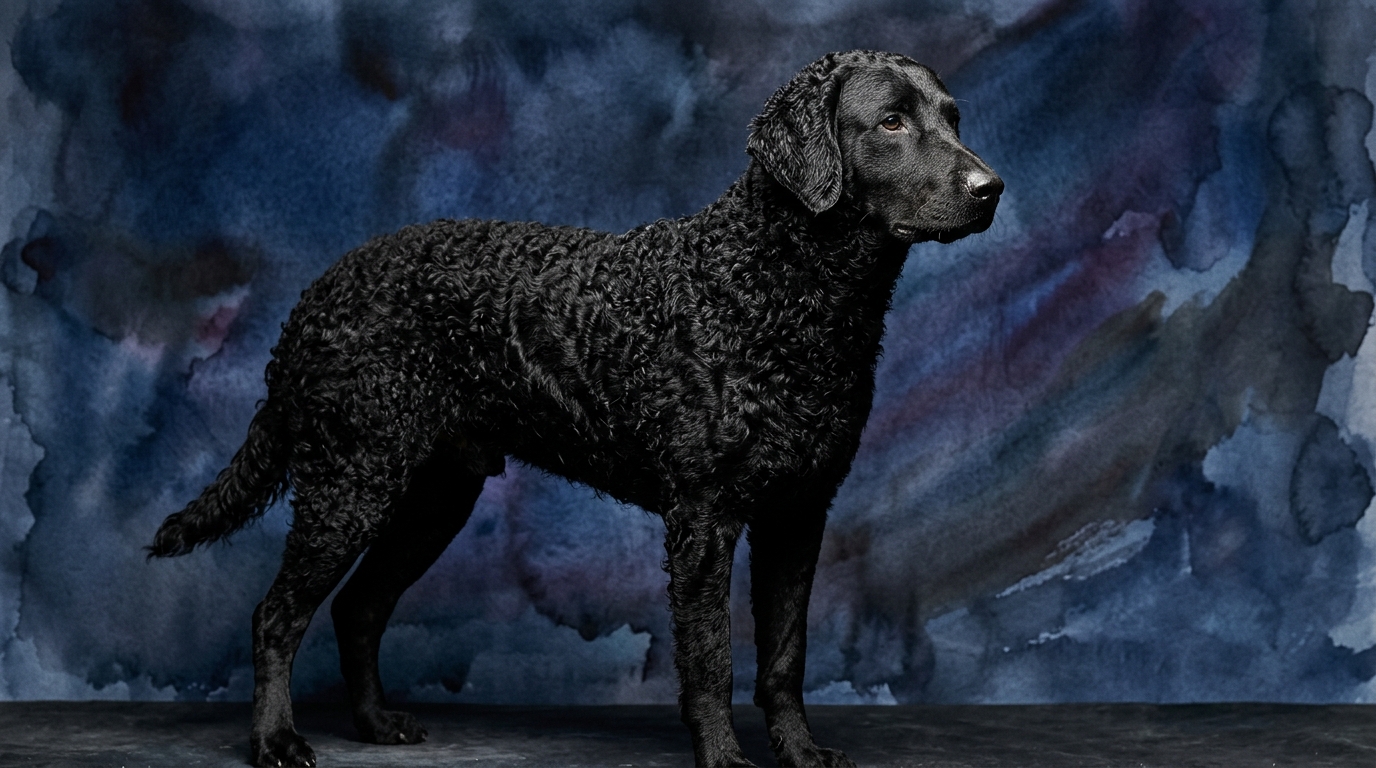
For the **Curly-Coated Retriever (Coren rank #41)**, a member of the Sporting group, their cognitive profile is finely tuned for cooperative work. Their **Problem Solving (3/5)** is geared towards navigating complex retrieval scenarios, such as locating downed game in varied terrain or executing multi-step commands during a field trial. This involves understanding and interpreting human direction to overcome environmental challenges efficiently. Their **Training Speed (3/5)** reflects a moderate pace of learning, but their inherent biddability and desire to please, characteristic of a working retriever, often make them feel responsive and eager during training sessions. The **Social Intelligence (3/5)** of a Curly manifests in their keen attunement to their human handler, reading subtle cues and emotional states to facilitate seamless teamwork. They form strong bonds and generally interact appropriately within a family or working unit. Their **Instinctive Drive (3/5)** is rooted deeply in their retrieving heritage, a persistent urge to fetch, carry, and engage with water and scent work. This drive, while moderate, is perfectly suited for channeling into productive, human-directed tasks. Crucially, their **Memory (4/5)** allows them to recall complex sequences of commands, the precise locations of retrieved items, and specific training routines over extended periods, which is vital for sustained performance in the field.
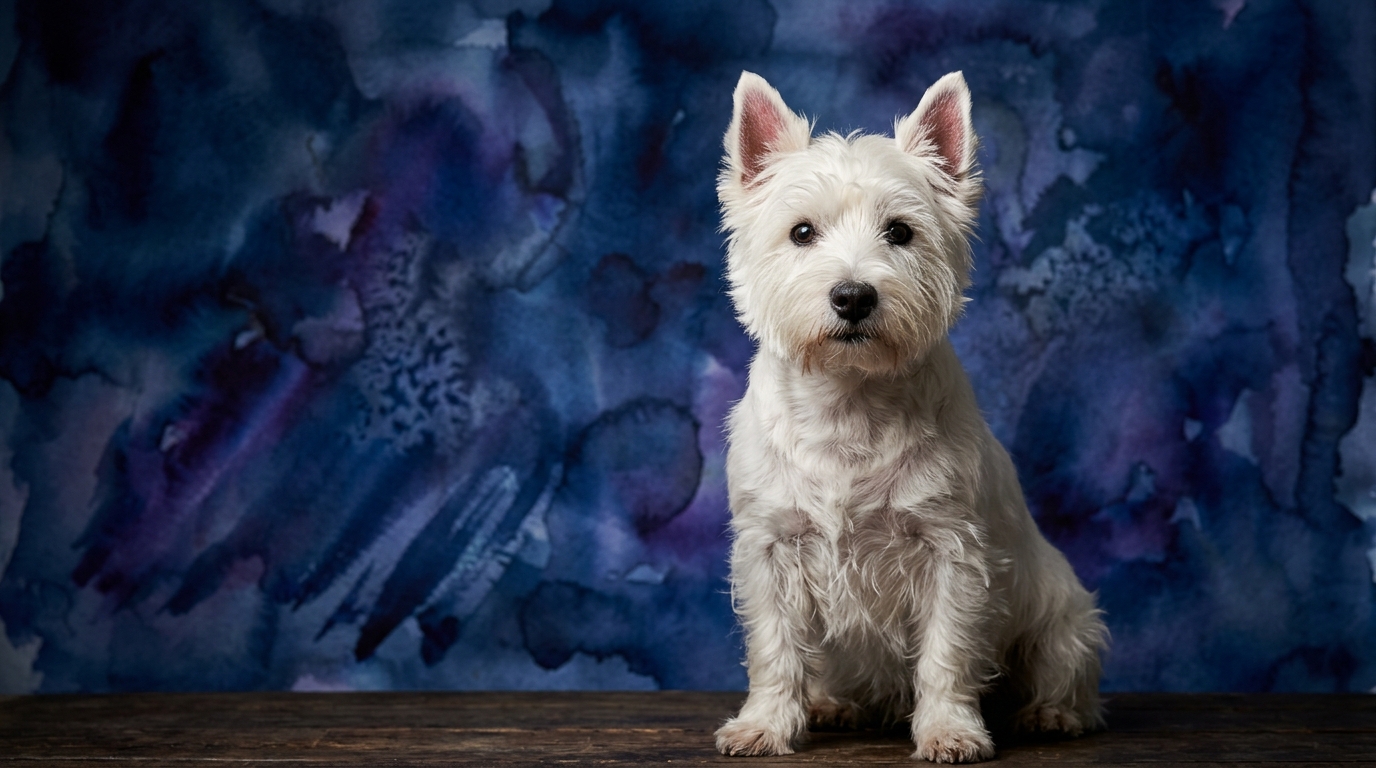
The **West Highland White Terrier (Coren rank #47)**, hailing from the Terrier group, applies its identical cognitive scores with a distinctly independent flair. Their **Problem Solving (3/5)** is characterized by tenacity and a self-directed approach to challenges, often involving figuring out how to get to something (like a perceived 'prey' item or a hidden treat) or out of a tight spot. They excel at devising creative, sometimes stubborn, strategies to achieve their own goals. A Westie's **Training Speed (3/5)**, while numerically the same as the Curly, can feel different in practice; their independent spirit means training requires more creativity and persuasion, making it feel like a game or a challenge rather than a simple command-and-response. Their **Social Intelligence (3/5)** involves shrewdly assessing their environment and the intentions of others, often with a characteristic terrier skepticism. They understand social dynamics within their 'pack' but might be more reserved with strangers or assert their boundaries more readily than a Sporting dog. The **Instinctive Drive (3/5)** of a Westie is powerfully ingrained in their vermin-hunting past – a robust urge to dig, chase, and investigate small movements. This translates into a persistent focus once a target is identified, requiring appropriate outlets. Their excellent **Memory (4/5)** serves them by recalling where they buried a toy, the layout of their territory, or successful past strategies for independent pursuits, allowing them to learn and retain complex routines that inform their self-motivated actions.
Where the Curly-Coated Retriever Excels Cognitively
The Curly-Coated Retriever’s cognitive strengths are particularly evident in scenarios demanding sustained focus, cooperative effort, and a methodical approach to tasks. Their 3/5 in Problem Solving, combined with a robust 4/5 Memory, enables them to excel at intricate retrieving sequences, accurately remembering the precise fall of multiple birds or executing a series of hand signals over a large area. Unlike the Westie’s independent problem-solving, the Curly's mental framework is built for partnership, allowing them to interpret complex human instructions and adapt their strategy within a structured working environment. They demonstrate a superior ability to maintain concentration on a given task, even amidst distractions, a testament to their Sporting group heritage that prioritized biddability and a steady temperament. This breed thrives on working alongside a handler, using their cognitive abilities to achieve a shared objective with precision and unwavering loyalty.
Where the West Highland White Terrier Shines Cognitively
The West Highland White Terrier showcases a unique brand of cognitive brilliance in situations requiring independent thought, tenacity, and resourceful adaptability. Their 3/5 in Problem Solving, while numerically identical to the Curly, manifests as an ingenious and often persistent ability to overcome obstacles to achieve a self-directed goal. This might involve devising creative ways to access a forbidden treat, outsmarting a perceived 'foe' like a squirrel, or navigating complex environments with unwavering determination. Their Terrier heritage instills a remarkable resilience and a willingness to operate without constant human instruction, making them adept at assessing novel situations and relying on their own wits. Their strong 4/5 Memory supports this by allowing them to recall successful past strategies for independent pursuits, whether remembering the best digging spots or which household rules can be subtly bent. This breed truly excels at self-motivated investigation and problem-solving, exhibiting a robust mental fortitude perfectly suited for their historical role.
Trainability: Cooperation vs. Conviction
Despite both breeds scoring 3/5 in Training Speed, the Curly-Coated Retriever generally presents as easier to train for traditional obedience and structured tasks due to fundamental behavioral differences rooted in their breed purposes. The Curly, as a Sporting dog, was meticulously bred to work in close partnership with humans, developing a strong desire to please and a natural inclination towards cooperation. Their social intelligence, while rated 3/5, is specifically attuned to reading human cues and responding to direction, making them inherently more biddable and responsive to clear instructions and positive reinforcement. Their sustained focus on the task at hand contributes to a smoother training process.
In contrast, the West Highland White Terrier, bred for independent vermin control, possesses a powerful sense of self-reliance and a tenacious spirit. While they learn new concepts at the same pace, their 3/5 Instinctive Drive often competes with human directives, making training feel more like a negotiation. Training a Westie demands more creativity, patience, and making the process feel like an engaging game or a worthwhile challenge rather than a strict command. Their independent streak means they are more likely to question the 'why' behind an instruction if it doesn't align with their immediate interests or perceived prey drive, requiring an owner to find compelling motivators beyond simple compliance.
Matching Lifestyles: Active Engagement vs. Curious Exploration
The Curly-Coated Retriever is ideally suited for active owners who relish structured outdoor activities and seek a true canine partner in their pursuits. Their Sporting background means they thrive on consistent physical exercise that engages both body and mind, such as long walks, running, swimming, or participation in dog sports like agility, obedience, and especially field trials. Their moderate Instinctive Drive and cooperative Problem Solving (3/5) are best satisfied when channeled into purposeful activities alongside their human, preventing boredom and potential behavioral issues. An owner with a more relaxed lifestyle might find the Curly's inherent need for consistent physical and mental engagement overwhelming, potentially leading to an understimulated dog.
The West Highland White Terrier, while active, can adapt to a wider range of owner activity levels, though 'relaxed' for a Westie still implies consistent mental stimulation. They suit owners who appreciate a dog with a robust, independent personality and are prepared to engage their unique problem-solving (3/5) and instinctive drives (3/5) through puzzle toys, supervised digging areas, scent games, or short, sharp bursts of play and exploration. While they benefit from regular walks, their energy is often expressed in bursts rather than long, sustained efforts. A relaxed owner who can offer consistent mental enrichment and allows for independent, safe exploration will find a Westie a rewarding companion, provided they understand and cater to their terrier's innate curiosity and drive to 'work' on their own terms.
The Verdict
Opt for the Curly-Coated Retriever if you seek a cooperative, biddable companion for structured outdoor activities, who thrives on working alongside you and excels in tasks requiring sustained focus and retrieving prowess.
Select the West Highland White Terrier if you desire an independent, tenacious companion with a vibrant personality, who excels at self-directed problem-solving and benefits from varied mental challenges and outlets for their natural curiosity.
🧠 Find Your Pet's IQ Score
Our Pet IQ Lab assessment covers 25+ tests across 5 cognitive dimensions — personalized to your breed.
Take the Full IQ Test →Frequently Asked Questions
Do their similar IQ scores mean they are equally easy to live with?
Not necessarily. While their core cognitive capacities are rated similarly, their breed-specific drives and temperaments significantly influence their compatibility with different lifestyles. The Curly's cooperative nature often makes them more straightforward in a family setting, while the Westie's independent streak requires an owner who appreciates and can manage their distinctive personality.
How does their 'memory 4/5' differ in practical terms?
For the Curly-Coated Retriever, a 4/5 memory is crucial for recalling complex command sequences and the precise locations of retrieved items over time, vital for their working role. For the West Highland White Terrier, this same memory score aids in remembering successful independent strategies, like where they buried a prized toy or which bush offers the most interesting scents, enabling them to navigate their environment effectively.
Can a Westie be trained for advanced obedience like a Curly-Coated Retriever?
Yes, a Westie can certainly learn advanced obedience, but the training approach will likely differ significantly. While a Curly might be motivated by a strong desire to please and work, a Westie often responds best to training that feels like a challenging game, utilizing high-value rewards and short, engaging sessions to maintain their interest and independence.