Side-by-Side IQ Profile: Dachshund vs. Affenpinscher
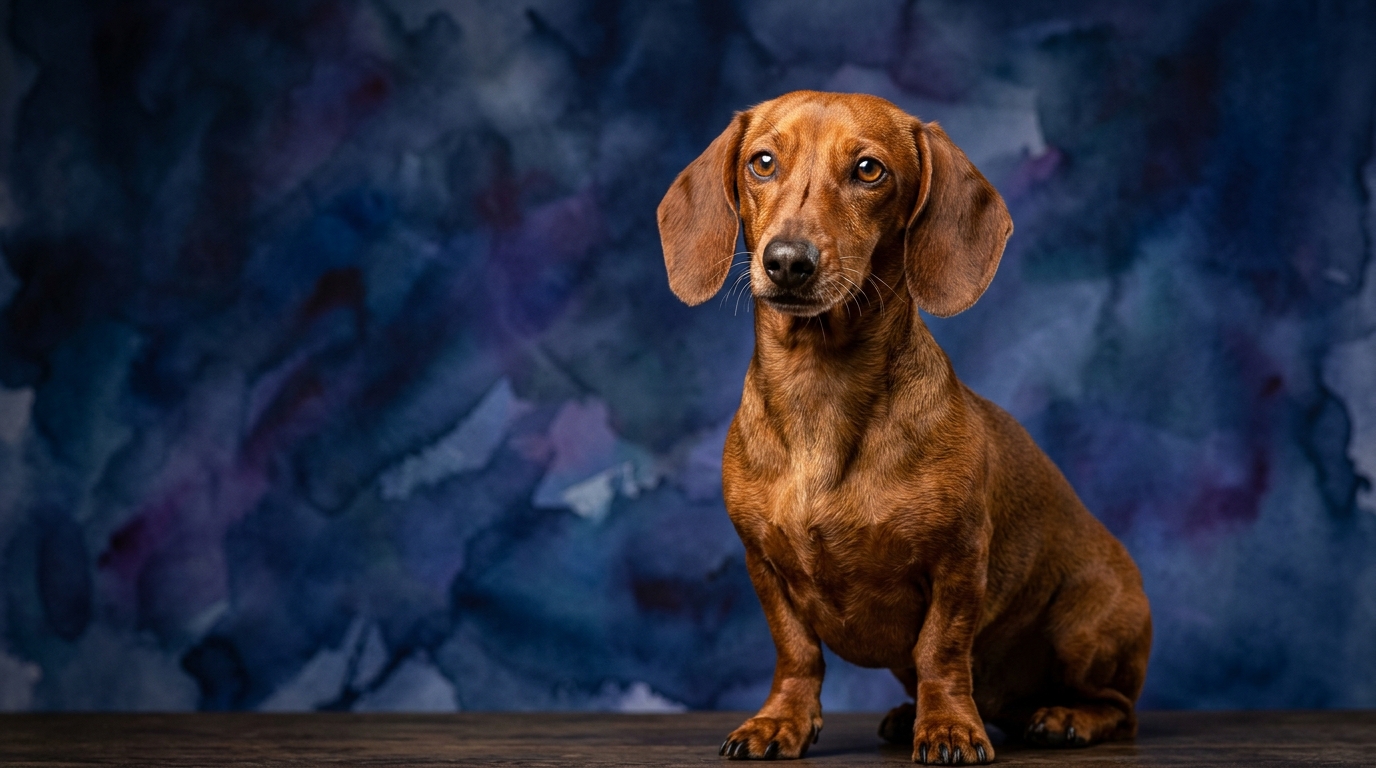
The Cosmic Pet Pet IQ Lab employs five key dimensions to evaluate canine intelligence, offering a nuanced view beyond simplistic rankings. For the Dachshund, a hound breed, its profile is distinctly shaped by its working heritage: Problem Solving at 4/5, Training Speed at 2/5, Social Intelligence at 3/5, Instinctive Drive at a formidable 5/5, and Memory at 3/5. This breed holds a Coren rank of #49, indicating a solid capacity for working and obedience intelligence within the broader canine spectrum.
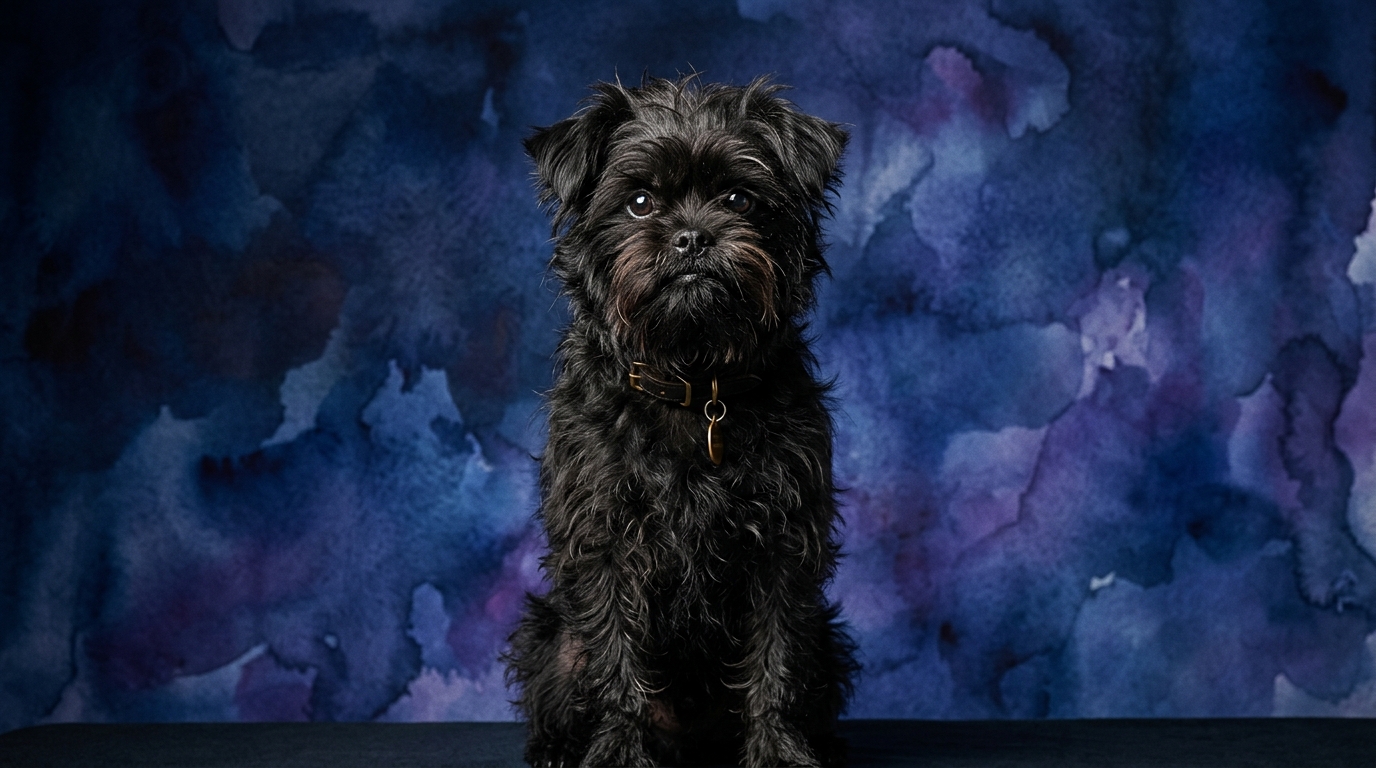
Conversely, the Affenpinscher, a toy breed, presents a different cognitive landscape. Its scores are generally more uniform: Problem Solving at 3/5, Training Speed at 3/5, Social Intelligence at 3/5, Instinctive Drive at 3/5, and Memory also at 3/5. Notably, the Affenpinscher is not included in Coren's ranking, which often reflects a focus on traditional working and obedience aptitudes. These profiles suggest the Dachshund possesses specific cognitive strengths, particularly in independent task resolution and drive, while the Affenpinscher offers a more generalized, adaptable mental toolkit.
Where the Dachshund Excels Cognitively
The Dachshund's standout cognitive advantage lies in its exceptional Problem Solving (4/5) coupled with an unparalleled Instinctive Drive (5/5). This combination makes them particularly adept at tasks requiring persistent, independent thought to achieve a goal, often related to their original purpose of badger hunting. Imagine a Dachshund presented with a puzzle feeder designed to simulate digging for prey: their drive fuels their focus, and their problem-solving skills enable them to methodically work through barriers, whether it's nudging, prying, or even strategically 'burrowing' with their nose, until the reward is uncovered. This isn't about rapid learning of commands, but about an intrinsic motivation to overcome obstacles and complete a self-directed mission.
Their Coren ranking of #49 further supports their capacity for understanding and executing complex sequences, even if it requires a determined, sometimes stubborn, approach. When given a scent trail, a Dachshund exhibits impressive cognitive mapping and recall, leveraging their memory (3/5) to follow intricate paths, demonstrating a specialized form of intelligence geared towards tracking. They can hold a specific objective in their mind with remarkable tenacity, making them excellent candidates for scent work or activities that tap into their innate prey drive, where their cognitive strengths are truly allowed to shine.
Where the Affenpinscher Shows its Cognitive Strengths
While the Dachshund's intelligence is often characterized by its intense focus and drive, the Affenpinscher demonstrates its cognitive strengths through a different lens, primarily in its more balanced temperament and adaptability. With a Training Speed of 3/5, the Affenpinscher edges out the Dachshund (2/5), suggesting a slightly quicker uptake of new commands and routines. This isn't to say they are always eager to please, but they typically require fewer repetitions to grasp what is expected of them, making initial obedience training potentially less protracted.
Their moderate Instinctive Drive (3/5) means they are generally less consumed by overwhelming urges to chase, dig, or hunt independently compared to the Dachshund. This cognitive balance allows them to be more present and responsive in a domestic setting, less likely to be distracted by external stimuli that trigger strong primal instincts. Their Social Intelligence (3/5) and Memory (3/5) contribute to their ability to form strong bonds with their human companions and remember household rules, fostering a more harmonious co-existence without the constant mental management often required for breeds with extreme drives. They possess a curious, alert mind, always observing and processing their environment, making them engaging companions who are quick to notice changes or new situations.
Training Dynamics: Which is Easier and Why?
When considering ease of training, the Affenpinscher generally presents a more straightforward experience than the Dachshund. The Affenpinscher's Training Speed of 3/5, combined with its moderate Instinctive Drive of 3/5, means it tends to pick up new cues at a reasonable pace and is less likely to be sidetracked by powerful, ingrained urges. They are curious and enjoy interaction, which can be leveraged in positive reinforcement training, making them cooperative partners in learning basic obedience and tricks. While they possess an independent streak characteristic of many toy breeds, their level of drive is manageable, allowing them to remain focused on a task for longer periods without becoming fixated on an external stimulus like a scent or a small moving object.
The Dachshund, on the other hand, presents a unique training challenge due to its Training Speed of 2/5 and its overwhelming Instinctive Drive of 5/5. This breed was developed to independently hunt tenacious prey, which translates into a strong-willed, self-reliant mindset. Teaching a Dachshund a new command often requires immense patience, creativity, and finding extremely high-value motivators to overcome their inherent preference for following their nose or pursuing their own agenda. Their problem-solving skills are often directed towards achieving their own desires rather than complying with human directives, making consistency and clear boundaries crucial. They are not 'unintelligent' in training, but rather possess a very specific type of working intelligence that demands a dedicated, understanding trainer who can channel their deep-seated drives effectively.
Suitability for Active vs. Relaxed Owners
The choice between a Dachshund and an Affenpinscher largely depends on an owner's lifestyle and their willingness to engage with specific canine behavioral patterns. Active owners who appreciate a challenge and are prepared to channel a dog's profound instincts will find the Dachshund a rewarding companion. These owners should be prepared for regular mental stimulation that taps into the Dachshund's high problem-solving capacity and intense drive, such as scent games, earthdog trials, or consistent, engaging training sessions designed to overcome their inherent independence. Their physical activity needs, while not extreme, require consistent walks and opportunities to explore, satisfying their inquisitive nature. Owners seeking a dog for competitive obedience might find their progress slower, but those interested in activities like nose work or barn hunt will see their Dachshund thrive.
Conversely, relaxed owners, or those seeking a more adaptable companion without highly specialized cognitive demands, may find the Affenpinscher a better fit. While they still require daily walks and playtime, their moderate instinctive drive and balanced cognitive profile make them generally content with a comfortable home life and regular human interaction. They enjoy being involved in family activities and are often quite playful, but their mental stimulation needs are more easily met through interactive toys, short training sessions, and social engagement rather than dedicated 'work' activities. Their quicker training speed means less frustration during initial obedience, and their generally lower prey drive makes them less likely to bolt after a squirrel, offering a more predictable and less demanding daily routine for owners who prefer a calmer pace.
The Verdict
Choose a Dachshund if you are an owner who values a profoundly independent, problem-solving companion with an unshakeable drive, and you are prepared for the dedicated, creative training required to channel their strong instincts.
Opt for an Affenpinscher if you seek a moderately trainable, adaptable, and curious companion who offers a balanced cognitive profile and integrates smoothly into a relaxed home environment without extreme behavioral demands.
🧠 Find Your Pet's IQ Score
Our Pet IQ Lab assessment covers 25+ tests across 5 cognitive dimensions — personalized to your breed.
Take the Full IQ Test →Frequently Asked Questions
Do Dachshunds and Affenpinschers get along well with other pets?
Dachshunds, with their strong prey drive, might require careful introduction and supervision around smaller pets. Affenpinschers, having a more moderate instinctive drive, can often coexist peacefully with other animals, especially if socialized from a young age, though individual personalities always play a role.
Are Dachshunds or Affenpinschers better for apartment living?
Both breeds can adapt to apartment living, but with different considerations. Dachshunds need consistent mental stimulation and outlets for their drive, which might mean more structured activities, while Affenpinschers are generally content with daily walks and indoor play, making them slightly more flexible for smaller spaces.
Which breed is more prone to 'stubbornness' during training?
The Dachshund is often perceived as more 'stubborn' due to its exceptionally high instinctive drive and lower training speed, meaning they prefer to follow their own independent agenda. Affenpinschers can have an independent streak but are generally more cooperative in training due to their balanced drives and slightly faster learning pace.