A Side-by-Side Cognitive Profile
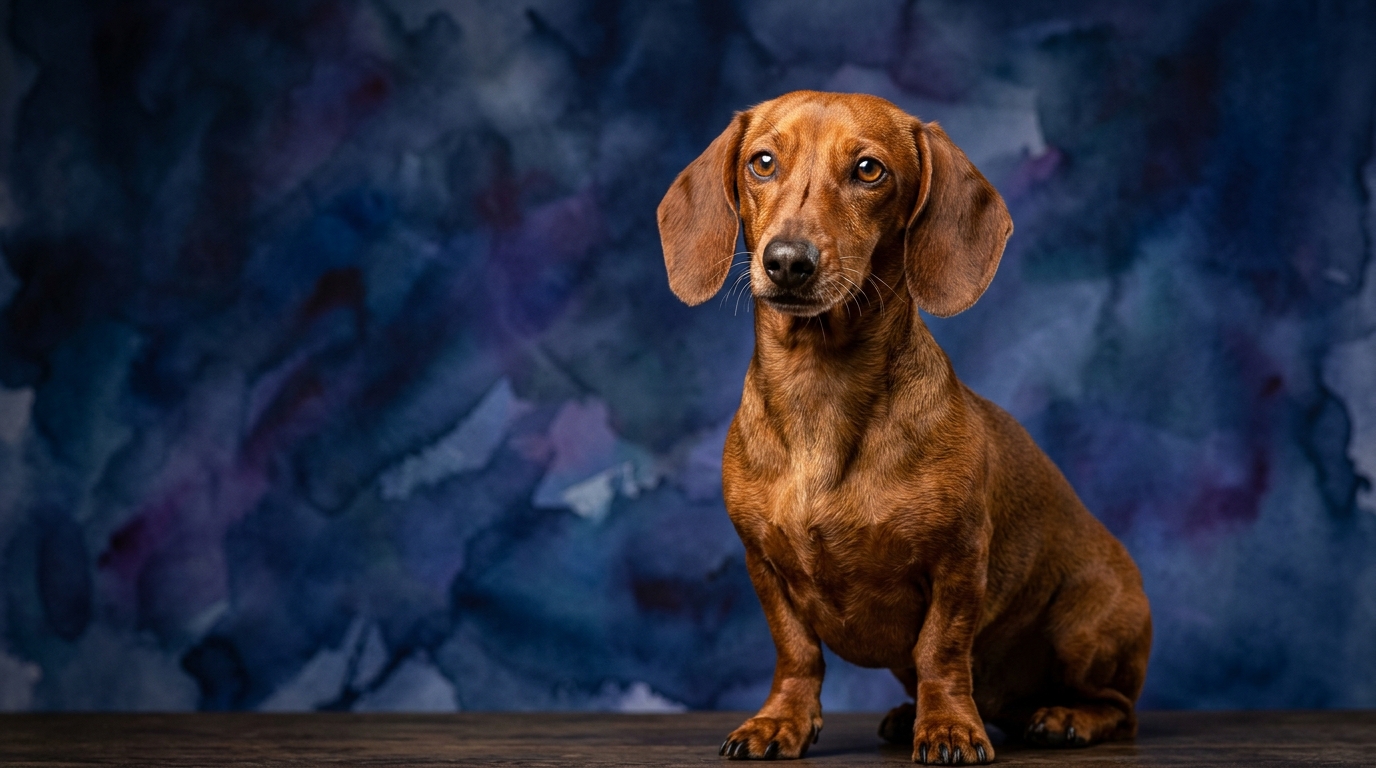
The Cosmic Pet Pet IQ Lab employs a five-dimensional framework to assess canine intelligence, offering a nuanced view beyond simple obedience. For the Dachshund, with a Coren rank of #49, we observe a problem-solving score of 4/5, indicating a strong capacity for independent thought and overcoming obstacles. Their training speed registers at 2/5, suggesting a more deliberate or selective approach to learning commands. Social intelligence stands at 3/5, reflecting an average ability to interpret human cues and interact within a social structure. A standout characteristic is their instinctive drive, scoring an impressive 5/5, highlighting an intense, inherent motivation for hunting and tracking. Memory is rated at 3/5, showing a solid, but not exceptional, recall of experiences.
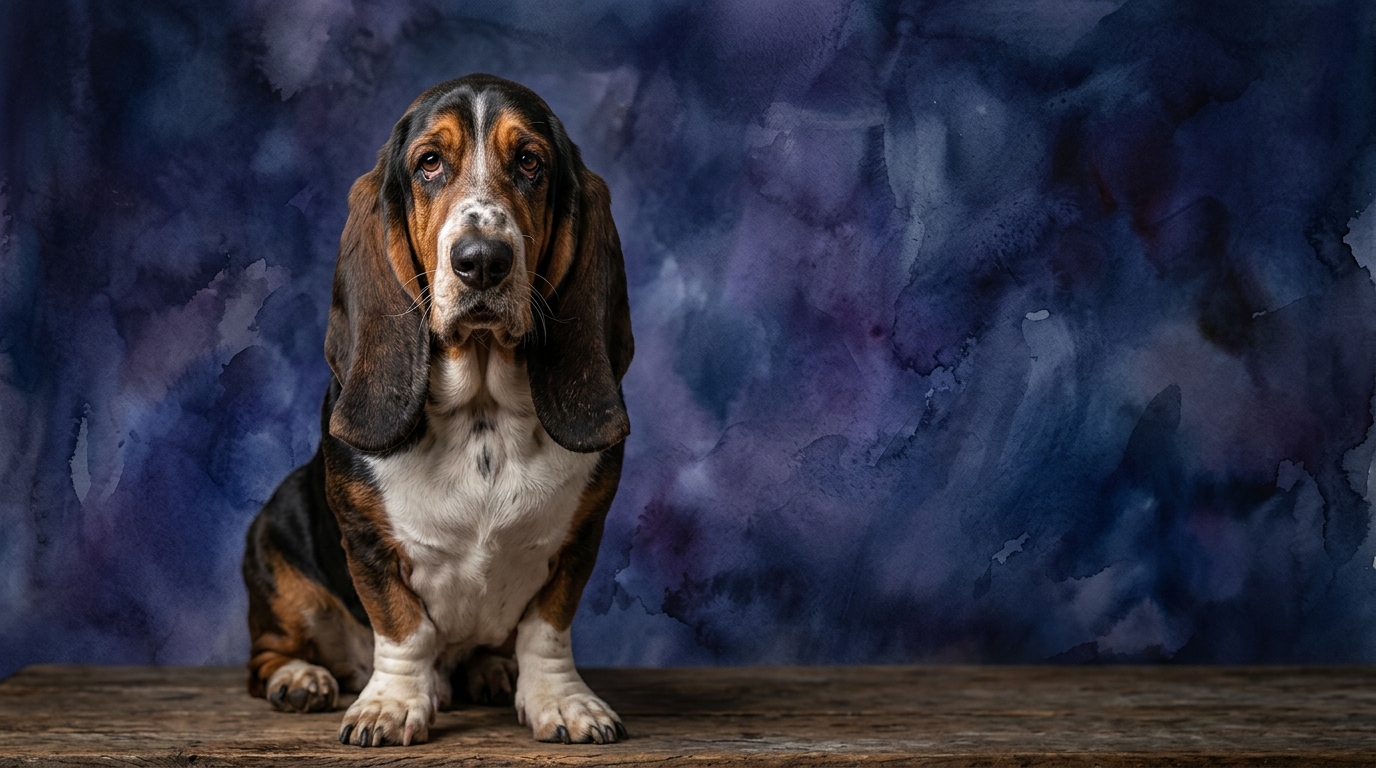
The Basset Hound, ranking #71 in the Coren scale, presents a different cognitive blueprint. Their problem-solving ability scores 3/5, indicating a competent but perhaps less tenacious approach to complex challenges compared to the Dachshund. Training speed is rated 3/5, suggesting they may pick up new commands with slightly more readiness. Social intelligence matches the Dachshund at 3/5, signifying a similar capacity for social engagement. Their instinctive drive, while still present as a hound, is assessed at 3/5, a more moderate intensity than their Dachshund counterparts. Memory, like the Dachshund, scores 3/5, reflecting a reliable ability to retain information over time.
Where the Dachshund Excels Cognitively
The Dachshund's cognitive strengths are most apparent in their superior problem-solving capabilities and formidable instinctive drive. A 4/5 score in problem-solving means a Dachshund is more likely to independently strategize how to reach a desired object, whether it’s figuring out how to open a cabinet or navigating a complex path to a hidden treat. This isn't just about physical agility; it's about mental planning and persistence.
Their 5/5 instinctive drive is a powerful cognitive engine. This isn't merely a desire to hunt; it's a deep-seated behavioral program that dictates their focus, determination, and sensory processing. A Dachshund's world is often dominated by scents and the impulse to follow them, making them incredibly tenacious trackers. This intense drive, while sometimes challenging for owners, equips them with an unparalleled focus when engaged in activities that tap into their natural inclinations, such as scent work or earthdog trials. This drive contributes to their independent nature, as they are often internally motivated by their primary instincts rather than external commands.
Where the Basset Hound Shines Cognitively
While the Basset Hound's problem-solving and instinctive drive scores are slightly lower than the Dachshund's, they exhibit a comparative advantage in training speed. Their 3/5 training speed, compared to the Dachshund's 2/5, suggests a marginally greater receptiveness to learning and executing commands. This isn't to say Bassets are effortlessly obedient, as their hound nature still prioritizes scent, but they might demonstrate a slightly quicker grasp of new instructions and a willingness to cooperate once their attention is captured.
The Basset Hound's cognitive profile, particularly their more moderate instinctive drive (3/5), often translates to a slightly more adaptable and less relentlessly independent temperament in a domestic setting. While still driven by scent, their focus can be redirected with a bit more ease, making them potentially more amenable to structured training sessions that don't directly align with their primary hunting instincts. This nuanced difference in cognitive prioritization can make the Basset Hound feel a touch more 'pliant' in everyday interactions, especially when not actively engaged in tracking.
Trainability: A Question of Drive and Speed
When considering which breed is easier to train, the data points towards the Basset Hound, albeit by a slim margin. The Dachshund's training speed of 2/5, coupled with their overwhelming 5/5 instinctive drive, means that while they are capable of learning, their attention is often intensely focused elsewhere. Their problem-solving prowess might even extend to figuring out how to outsmart training methods or find loopholes. Getting a Dachshund to consistently obey a command when a compelling scent or a perceived 'prey' is present can be a significant challenge, requiring immense patience and consistent, positive reinforcement. Their independent decision-making based on instinct often supersedes a desire to please.
The Basset Hound, with a training speed of 3/5 and a more moderate instinctive drive of 3/5, often presents a slightly less uphill battle in training. They still possess a strong desire to follow a scent, and their low-slung bodies are perfectly adapted for it, but their focus might be more readily shifted back to their handler. They may be slower to react than some breeds, but their willingness to engage in the training process can be more consistent. Their slightly higher training speed suggests they might retain learned behaviors with a bit more consistency once established, provided the training is engaging and consistent, leveraging their love for food or praise rather than fighting their nose.
Matching Canine Minds to Lifestyles
For active owners seeking a canine companion that thrives on mental challenges and physical engagement, the Dachshund's cognitive profile aligns well. Their 4/5 problem-solving and 5/5 instinctive drive mean they require regular opportunities to explore, sniff, and 'work' through scenarios. Owners who enjoy activities like scent work, earthdog events, or even just complex puzzle toys will find the Dachshund's mind stimulated. They are not content to merely observe; they want to investigate and solve. This requires an owner who can consistently provide outlets for their sharp minds and robust drives, otherwise, their problem-solving skills might be directed towards less desirable behaviors like digging or escaping.
The Basset Hound, with its 3/5 problem-solving and 3/5 instinctive drive, tends to suit owners who appreciate a more relaxed pace, while still understanding the need for regular, scent-driven walks. While they enjoy exploring and tracking, their intensity is often less frantic than a Dachshund's. They are generally content with a comfortable home life punctuated by leisurely strolls where they can indulge their nose. Owners who value a calm, affectionate presence and are prepared for a dog that moves at its own deliberate pace will find the Basset Hound a wonderful fit. Their slightly higher training speed also means they might integrate into a relaxed household routine with marginally less friction than their more independently-minded counterparts.
The Verdict
Choose the Dachshund if you are an owner prepared to channel a tenacious, problem-solving mind with an intense instinctive drive into engaging activities like scent work or puzzle challenges, appreciating their independent spirit.
Opt for the Basset Hound if you seek a more relaxed companion who still enjoys a good sniff-walk but offers a slightly more amenable training experience and a calmer demeanor in the home environment.
🧠 Find Your Pet's IQ Score
Our Pet IQ Lab assessment covers 25+ tests across 5 cognitive dimensions — personalized to your breed.
Take the Full IQ Test →Frequently Asked Questions
Are Dachshunds stubborn during training?
Dachshunds can certainly appear stubborn due to their low training speed (2/5) and very high instinctive drive (5/5). They often prioritize their own investigations, especially following scents, over human commands, requiring patient, consistent, and highly motivating training methods.
Do Basset Hounds require a lot of mental stimulation?
Basset Hounds benefit from mental stimulation, particularly activities that engage their powerful sense of smell, despite their moderate problem-solving (3/5) and instinctive drive (3/5). Regular sniff walks, puzzle toys, and basic obedience training are usually sufficient to keep their minds engaged without being overly demanding.
Which breed is better for first-time dog owners?
For first-time dog owners, the Basset Hound might be a slightly more forgiving choice due to their marginally higher training speed (3/5) and less intense instinctive drive. The Dachshund's strong will and independent problem-solving (4/5) often require a more experienced hand to guide their unique cognitive tendencies effectively.