Side-by-Side Cognitive Profiles
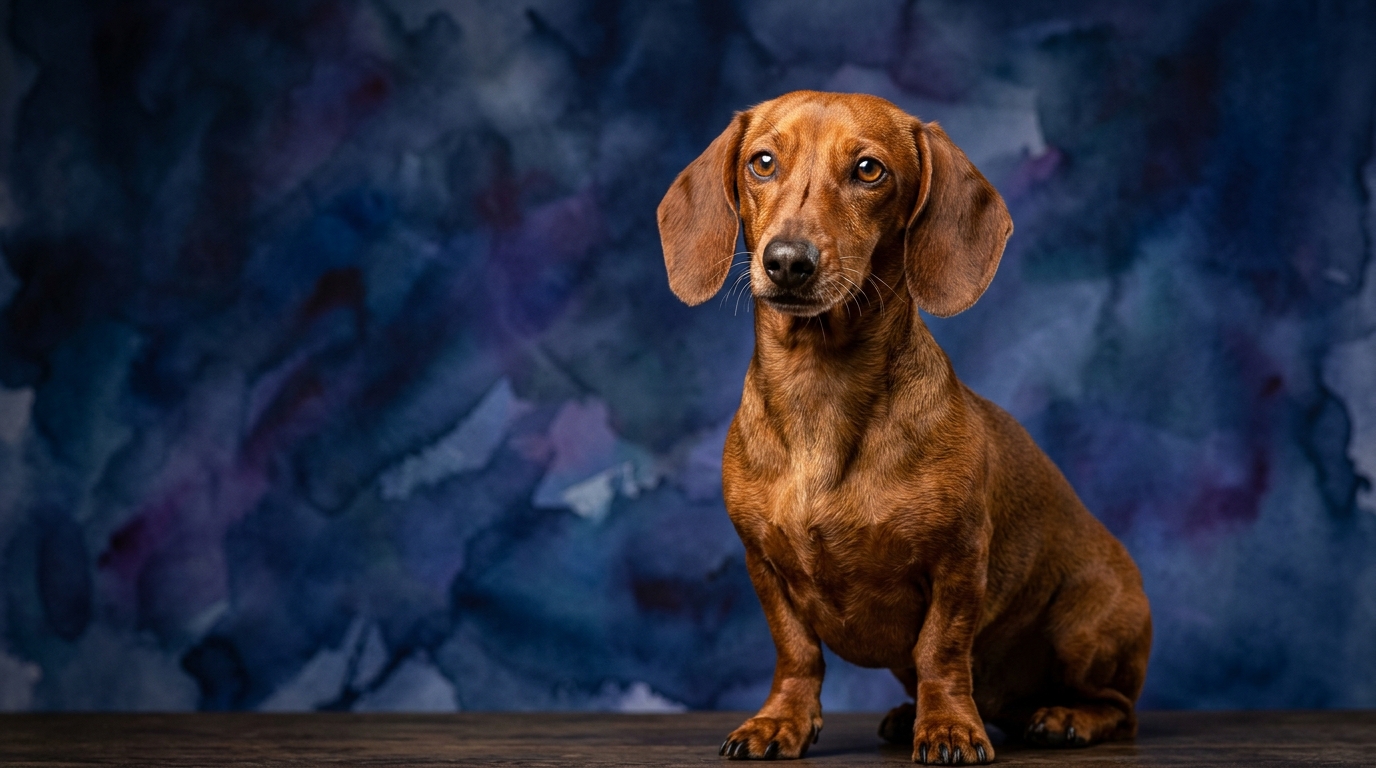
Dachshund (Hound Group, Coren Rank #49): This breed’s cognitive makeup is shaped by centuries of independent hunting work. Their Problem Solving (4/5) is characterized by cleverness and resourcefulness, often devising inventive ways to achieve their goals, sometimes to the exasperation of their owners. This isn't just about simple tasks; it’s about persistence and finding unconventional solutions. Training Speed (2/5) reflects their independent streak; they grasp commands but often weigh their own desires against compliance, requiring consistent and motivating methods. Social Intelligence (3/5) sees them forming deep, often singular bonds, but they can be reserved or wary with strangers. Their Instinctive Drive (5/5) is exceptionally high, manifested in intense scent tracking, digging, and a relentless pursuit of perceived 'prey,' a core aspect of their cognitive function. Memory (3/5) allows them to recall routines, past experiences, and learned strategies effectively.
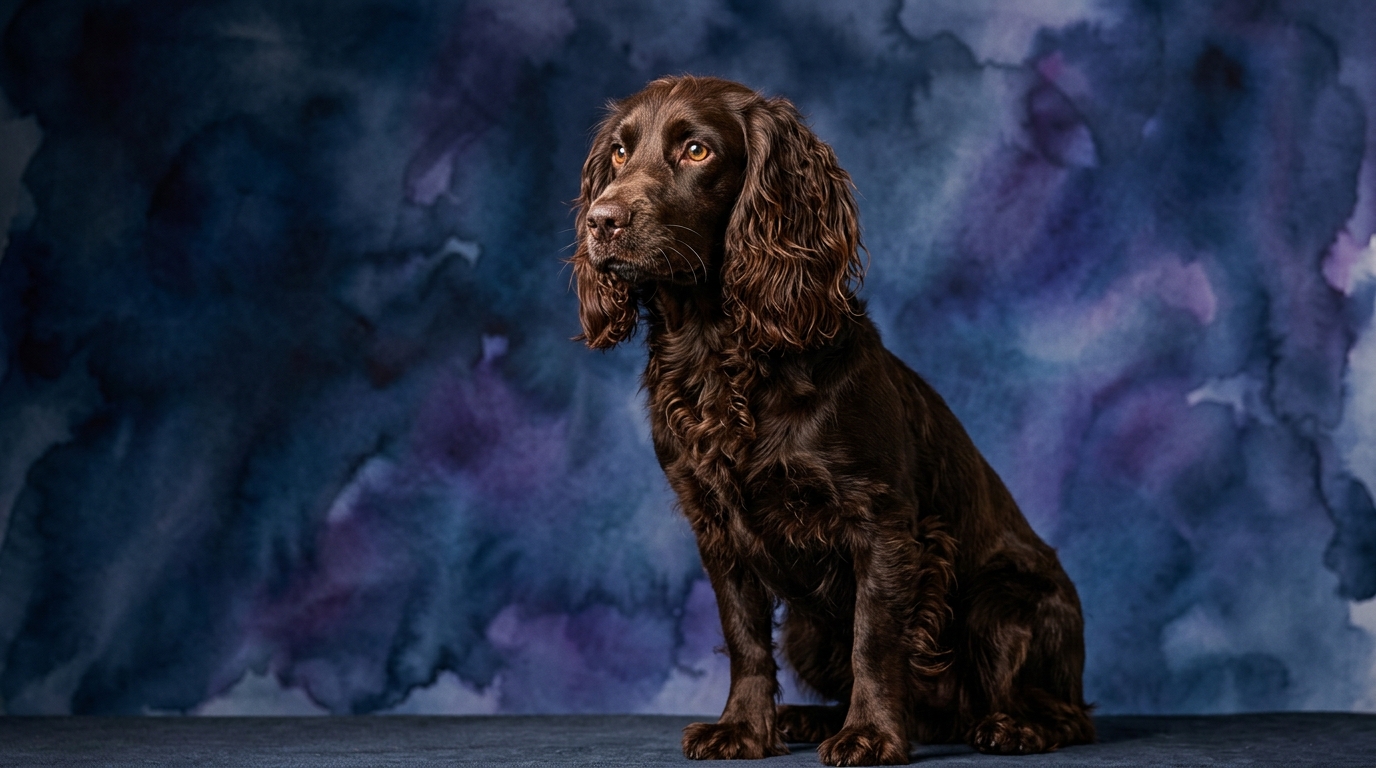
Boykin Spaniel (Sporting Group, Not Coren-Ranked): Originating as versatile hunting companions, the Boykin Spaniel exhibits a more balanced and cooperative cognitive profile. Their Problem Solving (3/5) is practical and adaptable, focusing on efficient solutions within a structured environment, rather than independent strategizing. Training Speed (3/5) is a notable strength; they are generally eager to please and respond well to positive reinforcement, showing a good capacity to learn new commands and tasks with moderate repetition. Social Intelligence (3/5) is often expressed through their friendly, outgoing nature, making them generally sociable with both people and other animals. Their Instinctive Drive (3/5) is geared towards retrieving and water work, a focused drive that is strong but generally more manageable and channelable than the Dachshund's. Memory (3/5) enables them to retain commands, learned behaviors, and positive associations reliably.
Where the Dachshund Wins Cognitively
The Dachshund's cognitive strengths lie profoundly in its Problem Solving (4/5) and Instinctive Drive (5/5). A Dachshund faced with a barrier to a desired object isn't merely stopped; they're actively strategizing, whether it's tunneling under, nudging it aside, or vocalizing until a human intervenes. This isn't just a physical act; it's a deep-seated cognitive drive to overcome obstacles using whatever means available, showcasing a tenacious and often clever approach to challenges. Their exceptional instinctive drive means they are unparalleled at tasks requiring sustained focus on scent or a relentless pursuit, making them formidable in specific working roles where persistence is paramount. This breed’s mind is wired for independent, determined action, often displaying a cunning that surprises.
Where the Boykin Spaniel Wins Cognitively
The Boykin Spaniel truly shines in its Training Speed (3/5), especially when contrasted with the Dachshund's more independent approach. Their eagerness to please and inherent biddability mean they typically pick up new commands and routines more readily, showing a greater willingness to cooperate with their handler's instructions. This isn't just about learning tricks; it extends to complex sequences of commands in field work or agility, where their focus and responsiveness are key assets. While their problem-solving is practical, it's their capacity for collaborative learning and a desire to work alongside humans that gives them an edge in structured training environments, making them generally more straightforward to guide through new skills and behaviors.
Which Is Easier to Train and Why
The Boykin Spaniel is generally easier to train due to its higher Training Speed (3/5) and a more balanced Instinctive Drive (3/5). Their cooperative nature means they are more inclined to accept direction and respond to cues, often finding satisfaction in pleasing their handler. For example, a Boykin Spaniel will likely retrieve a thrown object repeatedly with enthusiasm, understanding it as a shared activity. In contrast, the Dachshund's lower Training Speed (2/5) and powerful Instinctive Drive (5/5) mean that while they understand commands, they may choose to follow their nose or their own agenda instead. Training a Dachshund often involves more negotiation and finding ways to make compliance more rewarding than their independent pursuits, such as using high-value treats or turning training into a game that taps into their problem-solving skills, rather than relying solely on obedience.
Which Suits Active Owners vs. Relaxed Owners
For active owners, the Boykin Spaniel is a more natural fit. Their moderate Instinctive Drive (3/5) for retrieving and their general athleticism mean they thrive on regular, engaging activities like swimming, long hikes, or structured field work. They possess the stamina and enthusiasm for sustained physical and mental engagement, making them excellent companions for owners who enjoy an outdoor lifestyle and want a dog to participate actively.
Relaxed owners might find the Dachshund a better companion, but with a nuanced understanding. While they don't require the same intense, sustained physical output as a Boykin, their profound Instinctive Drive (5/5) and high Problem Solving (4/5) demand consistent mental stimulation and structured engagement. A 'relaxed' owner for a Dachshund must still be prepared to provide engaging puzzle toys, short but frequent scent walks, and consistent training to channel their cleverness and drive productively, preventing boredom-induced destructive behaviors. They adapt well to smaller living spaces, but their mind is always active.
The Verdict
If you appreciate a dog with a profoundly independent spirit, a cunning approach to problem-solving, and a tenacious, specific drive for exploration and scent work, and you are prepared for consistent, creative training methods that acknowledge their strong will, choose the Dachshund.
If you seek a cooperative, eager-to-please companion for active outdoor pursuits, valuing a dog that responds well to training and thrives on shared activities like retrieving and swimming, choose the Boykin Spaniel.
🧠 Find Your Pet's IQ Score
Our Pet IQ Lab assessment covers 25+ tests across 5 cognitive dimensions — personalized to your breed.
Take the Full IQ Test →Frequently Asked Questions
Are Dachshunds difficult to train because of their problem-solving ability?
Dachshunds are not necessarily difficult to train because of their problem solving; rather, their strong problem-solving skills often manifest as independence and a tendency to prioritize their own objectives. This requires a trainer to be more engaging, patient, and creative, making training a negotiation rather than simple instruction.
Can a Boykin Spaniel be a good apartment dog?
A Boykin Spaniel can adapt to apartment living if their owners are committed to providing substantial daily exercise and mental stimulation. Their moderate instinctive drive and need for activity mean short walks won't suffice; they require vigorous play, runs, or structured activities to be content in a smaller space.
How do their social intelligences compare in a family setting?
Both breeds have a social intelligence rating of 3/5, but it manifests differently. Dachshunds often form deep, loyal bonds with their primary family members, though they can be reserved with outsiders. Boykin Spaniels are generally more outwardly friendly and adaptable, often enjoying interactions with a wider circle of people and integrating smoothly into diverse family dynamics.