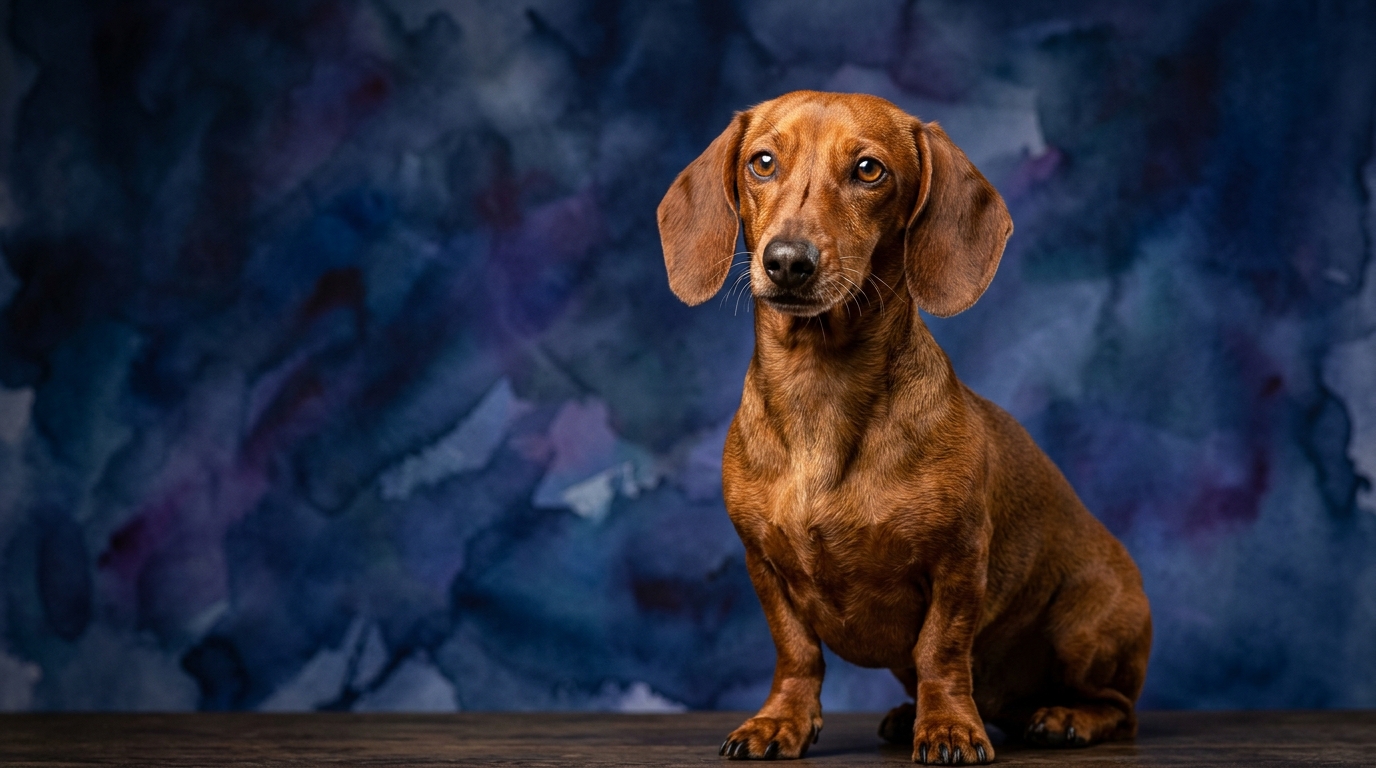
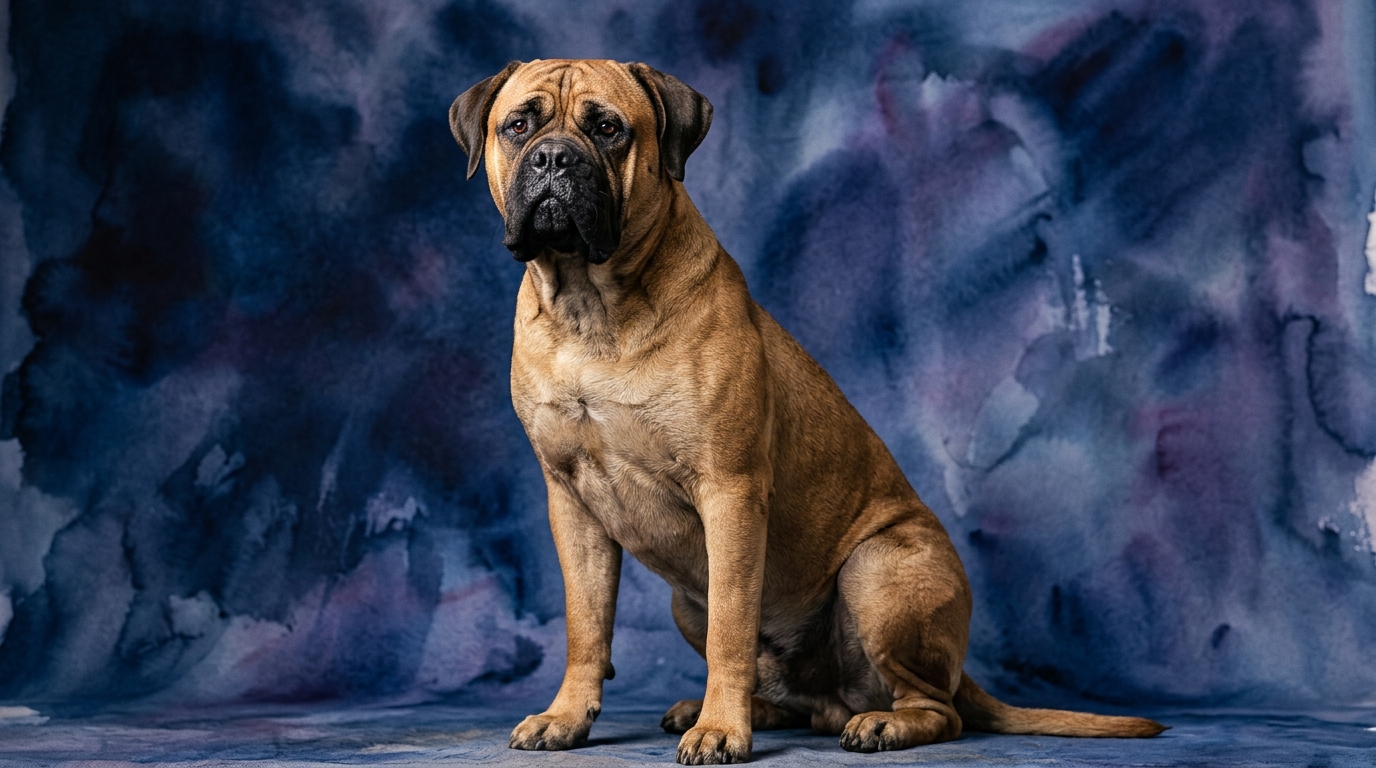
Side-by-side IQ profile
The Dachshund, ranking #49 on the Coren intelligence scale, possesses a cognitive architecture forged by its original purpose as a badger hunter. Their Problem Solving is rated 4/5, demonstrating a notable capacity for independent thinking and devising clever strategies to overcome obstacles, often in pursuit of a self-determined goal like exploring a scent trail. However, their Training Speed stands at 2/5, indicating a moderate receptiveness to commands, frequently overshadowed by their strong-willed nature and single-minded focus when an appealing distraction arises. Social Intelligence is 3/5, reflecting their ability to form deep bonds with their chosen family, though they can be discerning and protective around strangers. Their Instinctive Drive is an exceptional 5/5, manifesting as an intense urge to hunt, track, and burrow, which profoundly influences their daily behaviors and engagement with their surroundings. Finally, their Memory is a solid 3/5, enabling them to recall routines, people, and locations with reasonable accuracy.
The Bullmastiff, with a Coren ranking of #69, exhibits cognitive traits perfectly aligned with its heritage as a guard dog. Their Problem Solving is rated 3/5, which is practical and situation-dependent, primarily focused on assessing environmental cues and protecting their territory rather than intricate abstract puzzles. A Training Speed of 3/5 suggests a moderate willingness to learn and execute commands, particularly when these reinforce their role as a loyal and protective companion, though they tend to learn at a deliberate pace. Social Intelligence is 3/5, highlighting their capacity for deep family attachment and a generally calm, observant demeanor within their trusted circle, while maintaining a watchful stance towards unfamiliar individuals. Their Instinctive Drive is 3/5, primarily expressed as a territorial and protective impulse towards their family, rather than a strong prey drive. Their Memory also scores 3/5, allowing them to recall routines, boundaries, and the individuals they consider part of their inner circle with consistent reliability.
Where Dachshund wins cognitively
The Dachshund's cognitive profile showcases distinct advantages, particularly in Problem Solving (4/5 compared to the Bullmastiff's 3/5) and Instinctive Drive (a powerful 5/5 versus 3/5). Their historical role as independent hunters of formidable prey like badgers forged a mind capable of intricate, self-directed solutions. This means a Dachshund is more likely to devise creative, albeit sometimes mischievous, ways to achieve a personal goal, whether it's outsmarting a food puzzle or tunneling under a perceived barrier. Their exceptional Instinctive Drive fuels this problem-solving prowess, providing an unwavering focus and persistence that can be truly impressive. This high drive translates into a relentless pursuit of scent and a profound engagement with their environment, often leading them to discover and investigate things other breeds might overlook, making them formidable little strategists.
Where Bullmastiff wins cognitively
While the Dachshund excels in independent problem-solving and intense drive, the Bullmastiff demonstrates its cognitive strengths in areas crucial for its working heritage. A key advantage for the Bullmastiff is its slightly higher Training Speed (3/5 compared to the Dachshund's 2/5). This indicates a greater inherent willingness to absorb and execute commands consistently, a trait vital for a breed tasked with responsible guarding duties. Their cognitive processing is geared towards reliability and partnership in a working context, making them generally more receptive to structured obedience. Furthermore, their balanced Social Intelligence (3/5) and Memory (3/5), combined with a moderate Instinctive Drive, allow them to be steady, observant companions who remember their place within the family unit and respond predictably to social cues, fostering a sense of dependable presence and consistent behavior.
Which is easier to train and why
When evaluating ease of training, the Bullmastiff generally holds an advantage due to its Training Speed (3/5) compared to the Dachshund's (2/5). The Bullmastiff's background as a guardian required them to be responsive to human direction, leading to a cognitive predisposition for accepting and retaining commands, even if they learn at a deliberate pace. Their moderate Instinctive Drive (3/5) means they are less likely to be sidetracked by overpowering urges during training sessions, allowing for more focused learning. In contrast, the Dachshund's lower Training Speed coupled with an exceptionally high Instinctive Drive (5/5) presents a unique challenge. Their minds are often singularly focused on tracking scents or pursuing perceived prey, making it difficult to redirect their attention to human-initiated lessons. Their independent problem-solving, while impressive, can manifest as a strong-willed determination in a training context, as they might prioritize their own agenda over your commands, demanding more patience and creative motivation from their handler.
Which suits active owners vs relaxed owners
Matching a dog's cognitive profile to an owner's lifestyle is crucial for harmonious cohabitation. For active owners, particularly those who enjoy engaging a dog's mind in structured activities, the Dachshund can be a surprisingly good fit. While small, their powerful Instinctive Drive (5/5) and strong Problem Solving (4/5) mean they thrive on mental challenges like scent work, earthdog trials, or complex puzzle toys that allow them to exercise their innate hunting behaviors. An active owner for a Dachshund isn't necessarily about endless physical running, but rather providing consistent, stimulating outlets for their sharp, independent minds, channeling their natural tenacity into productive tasks. Conversely, relaxed owners who appreciate a calm, steady presence will often find the Bullmastiff a more suitable companion. Their moderate Instinctive Drive (3/5) and practical Problem Solving (3/5) mean they are generally content with a routine that includes regular, but not necessarily intense, physical exercise and consistent social interaction. While they benefit from mental engagement, their cognitive needs lean towards companionship and guardian duties rather than constant independent exploration, making them well-suited for a more tranquil home environment where their loyalty and calm demeanor can truly shine.
The Verdict
Choose the Dachshund if you are an owner who appreciates a dog with a robust, independent mind, prepared to engage their powerful instinctive drives with creative mental challenges and patient, consistent guidance.
Choose the Bullmastiff if you seek a loyal, steady companion with a moderate pace of learning, valuing their protective instincts and generally calm demeanor over an intense, self-directed cognitive drive.
🧠 Find Your Pet's IQ Score
Our Pet IQ Lab assessment covers 25+ tests across 5 cognitive dimensions — personalized to your breed.
Take the Full IQ Test →Frequently Asked Questions
Are Dachshunds considered stubborn during training?
Yes, Dachshunds can exhibit what appears to be stubbornness due to their high Instinctive Drive and moderate Training Speed. Their strong desire to pursue scents or personal agendas often overrides a willingness to follow commands, requiring consistent, positive reinforcement and patience to guide their independent minds effectively.
Do Bullmastiffs require extensive mental stimulation to prevent boredom?
Bullmastiffs benefit from regular mental stimulation, but their needs are generally moderate. Their Problem Solving (3/5) and Instinctive Drive (3/5) focus on practical, guardian-oriented tasks, so consistent routines, basic obedience training, and thoughtful puzzle toys are usually sufficient to keep their minds engaged without the need for constant, intense cognitive challenges.
Which breed is generally better suited for first-time dog owners?
For first-time dog owners, the Bullmastiff might be a more manageable choice due to its slightly higher Training Speed and more moderate Instinctive Drive, which can make them more receptive to learning basic obedience. The Dachshund's strong independent streak and powerful drives can be more challenging for an inexperienced owner to navigate effectively, requiring a deeper understanding of canine behavior.