
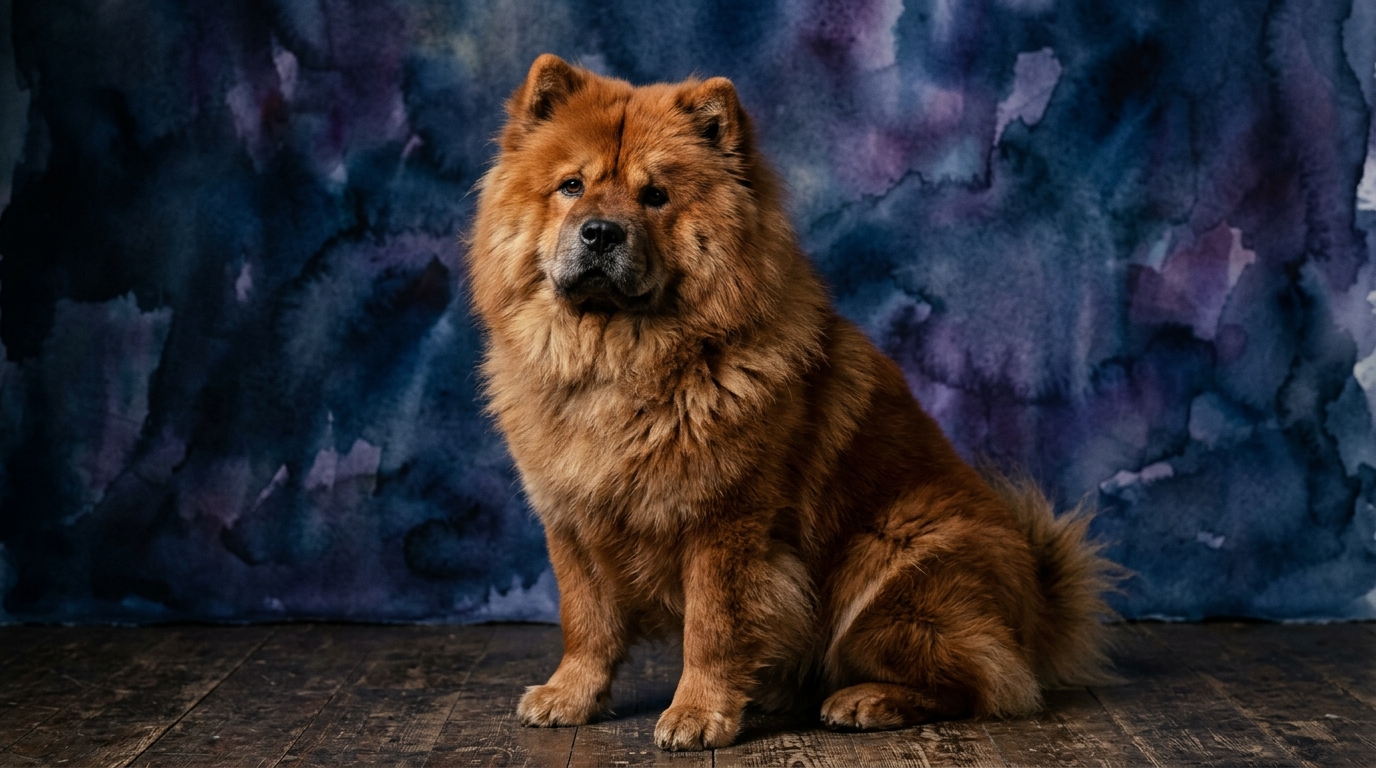
Side-by-Side IQ Profile: Dachshund vs. Chow Chow
The Dachshund, ranking 49th in Coren's intelligence scale, presents a fascinating cognitive blend. Their Problem Solving is rated 4/5, indicative of a clever, often resourceful mind adept at navigating challenges to achieve goals. Training Speed, however, stands at 2/5, reflecting a potential stubbornness or strong independence that can make consistent obedience a nuanced endeavor. Social Intelligence is 3/5, suggesting a selective loyalty and a discerning nature with strangers. A formidable Instinctive Drive of 5/5 highlights their profound prey drive and scent-tracking prowess, while Memory is a solid 3/5, indicating an average retention for learned tasks and experiences.
In contrast, the Chow Chow, positioned at 76th on Coren's scale, offers a different cognitive landscape. Their Problem Solving is 3/5, suggesting a methodical approach rather than spontaneous innovation. Training Speed matches at 3/5; while capable of learning, their independence requires specific motivation and consistent methods. Social Intelligence is also 3/5, characterizing their reserved, often aloof demeanor, deeply loyal to their inner circle. Instinctive Drive is a moderate 3/5, focusing more on guarding than hunting, and their Memory is 3/5, reflecting an average recall for routines and familiar individuals.
Where the Dachshund Excels Cognitively
The Dachshund's cognitive superiority shines brightly in two key areas. Their Problem Solving, rated 4/5 against the Chow Chow's 3/5, underscores an inherent cleverness. This isn't just about learning tricks; it's about their capacity for strategic thinking when faced with an obstacle, like figuring out how to access a forbidden treat or outmaneuver a gate. This resourcefulness, stemming from centuries of independent hunting, means they often devise creative, sometimes exasperating, solutions to their desires. Secondly, their Instinctive Drive, a powerful 5/5 compared to the Chow Chow's 3/5, represents a profound cognitive focus. This isn't merely physical energy; it's a deep-seated mental persistence in pursuing a scent or a perceived quarry. This drive fuels their tenacious investigation of their surroundings, making them exceptional at tasks requiring sustained focus on sensory input, like scent work or tracking games, where their minds are intensely engaged in the chase.
Where the Chow Chow Exhibits Unique Cognitive Strengths
While the Dachshund excels in tenacious problem-solving, the Chow Chow exhibits distinct cognitive strengths. Their Training Speed, rated 3/5 compared to the Dachshund's 2/5, suggests a slightly more consistent and predictable learning curve, provided the training approach is suitable. While still independent, they often respond to calm, confident guidance with a steady, albeit unhurried, acquisition of commands. This isn't about being 'faster' but rather about a different kind of receptiveness. Furthermore, while both breeds share a 3/5 Social Intelligence rating, the Chow Chow's expression of this intelligence is particularly notable. Their reserved nature translates into a discerning social awareness, where they often observe and assess situations before engaging. This can be a cognitive advantage in maintaining composure and exhibiting a quiet, unwavering loyalty, a deep understanding of their family unit without constant overt displays. Their social interactions are often thoughtful and measured, indicating a nuanced processing of their environment.
Training Dynamics: Which Breed is Easier?
When assessing ease of training, the distinction between these breeds becomes quite clear, largely due to their differing drives and social approaches. The Dachshund, with its Training Speed of 2/5 and a formidable Instinctive Drive of 5/5, presents a unique challenge. Their minds are often preoccupied with tracking scents or exploring, making consistent obedience a test of an owner's patience and ingenuity. A Dachshund might quickly learn a command if it leads to a reward they value, but their independent spirit means they often choose whether or not to comply, especially if a more interesting scent or squirrel is present. Training requires making the desired behavior seem like the most appealing option, often leveraging their problem-solving skills to 'figure out' what you want. In contrast, the Chow Chow, holding a 3/5 Training Speed, is often perceived as independent but can be more predictably trained. Their moderate Instinctive Drive (3/5) means they aren't constantly overridden by prey instincts. Training a Chow Chow demands respect, consistency, and clear, calm communication from a young age. They aren't inherently driven to 'please' in the same way some breeds are, but they are capable of learning and retaining commands once they understand the expectation and perceive the value. Their reserved social intelligence means they might not respond well to overly boisterous or inconsistent training methods, preferring a dignified and steady approach.
Matching Breeds to Owner Lifestyles
The ideal owner dynamic for each breed stems directly from their cognitive and instinctual profiles. Despite their diminutive size, Dachshunds are far from sedentary. Their powerful Instinctive Drive (5/5) and keen Problem Solving (4/5) mean they thrive with owners who can provide consistent mental and physical engagement. They need outlets for their tracking instincts, whether through structured walks, scent work, or interactive puzzle toys. An owner who enjoys outdoor activities, is prepared for consistent training, and can channel their tenacious energy will find a rewarding companion. A relaxed owner who underestimates their need for engagement might find themselves with a bored, potentially mischievous, and vocal Dachshund. The Chow Chow, however, generally suits a more relaxed lifestyle. Their moderate Instinctive Drive (3/5) means they are content with moderate daily exercise—a good walk or supervised garden time. They are not typically demanding of constant attention or high-intensity activities. An owner who appreciates a calm, dignified, and self-sufficient companion, happy to share quiet companionship without constant stimulation, would find a Chow Chow an excellent match. Their reserved nature means they don't constantly seek interaction, making them a good fit for a more tranquil household.
The Verdict
Opt for a Dachshund if you appreciate a clever, tenacious companion with a formidable drive for exploration and problem-solving, and you're prepared for a dedicated, creative approach to training their independent spirit.
Select a Chow Chow if you seek a dignified, self-possessed companion who thrives on calm consistency and a more relaxed pace, valuing loyalty and reserved affection over constant interaction or high-octane activities.
🧠 Find Your Pet's IQ Score
Our Pet IQ Lab assessment covers 25+ tests across 5 cognitive dimensions — personalized to your breed.
Take the Full IQ Test →Frequently Asked Questions
Are Dachshunds good at learning tricks?
Dachshunds are quite capable of learning tricks, leveraging their problem-solving skills to figure out what earns a reward. However, their independent nature means they might perform only when they feel sufficiently motivated or if the trick genuinely interests them. Consistency and making it fun are key to engaging their unique intellect.
How does a Chow Chow's reserved nature impact training?
A Chow Chow's reserved nature means they might not be overtly eager to please, requiring an owner to build trust and respect through calm, consistent training. They respond best to clear expectations and positive reinforcement, often taking their time to process and commit to commands rather than reacting impulsively. Patience is crucial for success.
Which breed is more prone to behavioral issues if not mentally stimulated?
Dachshunds, with their high instinctive drive and problem-solving ability, are more prone to destructive behaviors like excessive digging, barking, or chewing if not sufficiently mentally and physically stimulated. Their active minds need outlets, whereas a Chow Chow's more moderate drive makes them less likely to resort to such behaviors out of boredom, though they still benefit from engagement.