
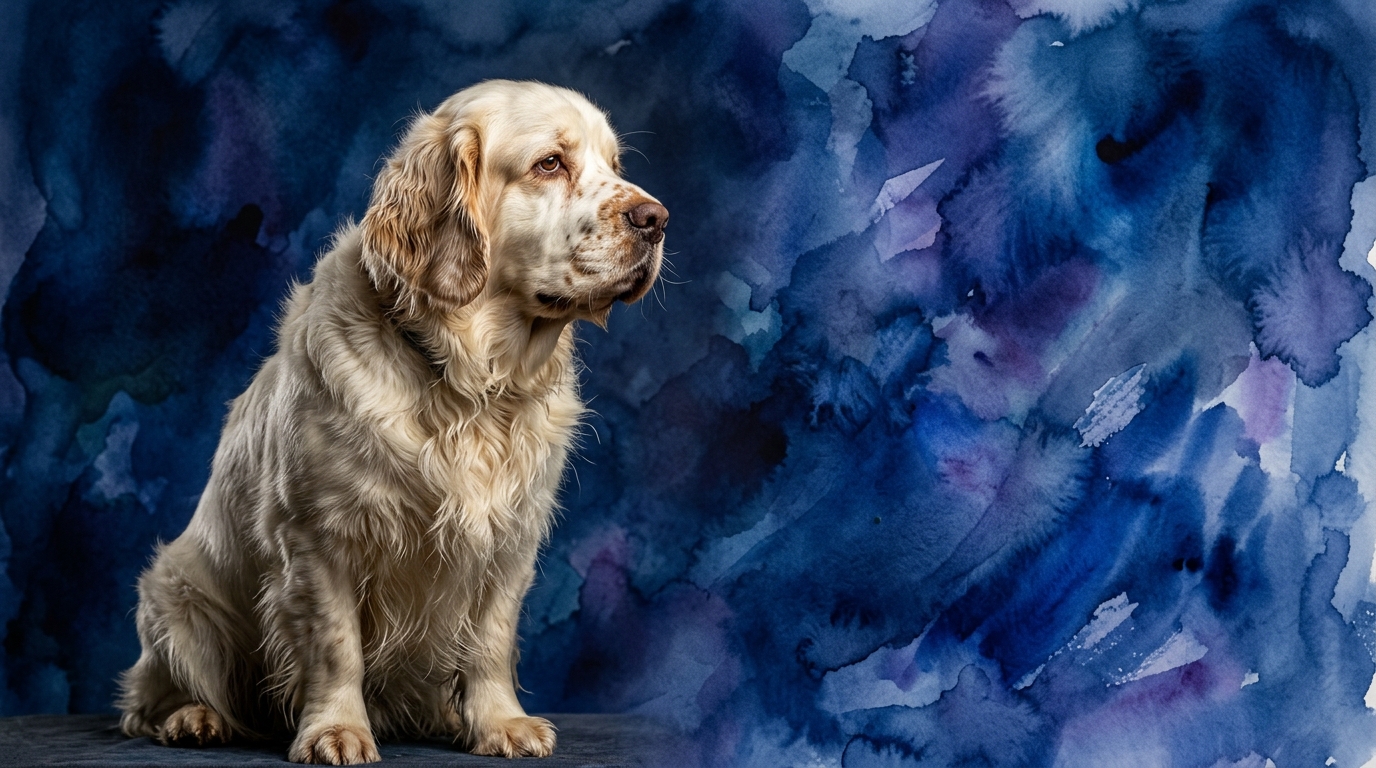
Side-by-Side IQ Profile: Dachshund vs. Clumber Spaniel
The Dachshund, a Hound breed ranked #49 by Coren, presents a cognitive profile marked by keen independence and drive. Their Problem Solving ability scores a robust 4/5, indicating a strong capacity for independent thought and navigating complex situations. Training Speed, however, is a more moderate 2/5, suggesting they learn at their own pace. Social Intelligence sits at 3/5, demonstrating an ability to understand human cues, while their Instinctive Drive is exceptionally high at 5/5, reflecting their ancestral purpose. Memory for this breed is a solid 3/5, allowing them to retain learned behaviors and experiences.
In contrast, the Clumber Spaniel, a Sporting breed ranked #55, offers a profile of steady cooperation and moderate drive. Their Problem Solving ability is rated 3/5, signifying a competent but less intensely independent approach to challenges. Training Speed is a respectable 3/5, indicating a more amenable disposition to instruction compared to the Dachshund. Social Intelligence matches the Dachshund at 3/5, showing similar capabilities in interpreting social signals. Their Instinctive Drive is moderate at 3/5, reflecting a balanced enthusiasm for their working heritage, and their Memory also scores 3/5, ensuring consistent retention of information.
Where the Dachshund Excels Cognitively
The Dachshund's cognitive strengths truly shine in areas demanding independent thought and relentless persistence. Their Problem Solving score of 4/5 is a significant advantage, manifesting in their ability to methodically work through obstacles to achieve a goal. This isn't just about simple tasks; it’s about their historical role in flushing out burrowing animals, requiring them to assess tunnels, anticipate movements, and strategize their approach without direct human command. This tenacity means they are adept at figuring out how to get to a coveted toy or investigating a new scent, often employing creative solutions that might surprise their owners.
Furthermore, their Instinctive Drive at 5/5 is a powerful cognitive asset. While sometimes perceived as stubbornness, this intense drive is a highly focused form of intelligence. It means a Dachshund can concentrate on a scent trail or a perceived 'mission' with singular dedication, tuning out distractions that would deter other breeds. This deep-seated drive fuels their problem-solving, providing the motivation to persist even when faced with difficulties, making them exceptionally effective in tasks that tap into their natural hunting instincts, such as scent work or earthdog trials.
Where the Clumber Spaniel Shows Cognitive Advantage
The Clumber Spaniel's primary cognitive advantage lies in its more amenable Training Speed, scoring 3/5 compared to the Dachshund's 2/5. This indicates a greater willingness to engage with human instruction and a more consistent pace of learning new commands and behaviors. While not the fastest learners, their steady and cooperative nature means they are generally less likely to challenge an instruction or become distracted by an overriding independent agenda. This makes them particularly well-suited for owners who value a predictable and responsive training partner for obedience, field work, or therapy roles.
Their moderate Instinctive Drive (3/5) also contributes to a more balanced cognitive approach. Unlike the Dachshund's intense, often singular focus, the Clumber's drive allows them to maintain a broader awareness of their surroundings and their handler's cues. This means they are less likely to become entirely consumed by a scent or a task, making them more adaptable in varied environments and more receptive to redirection during training or daily activities. This steady temperament supports their consistent learning and social interaction, making them a more predictable companion in diverse settings.
Which Is Easier to Train and Why?
When considering ease of training, the Clumber Spaniel generally holds an advantage due to its higher Training Speed (3/5 vs. Dachshund's 2/5) and more moderate Instinctive Drive. The Clumber's temperament is often described as more eager to please and less prone to independent decision-making when given a clear directive. Their steady learning pace means that while they might not grasp a new command instantly, they are likely to retain it consistently with patient, positive reinforcement. This makes them a more straightforward candidate for foundational obedience, advanced commands, and specialized tasks like retrieving or scent discrimination.
The Dachshund, with its lower Training Speed and exceptionally high Instinctive Drive, presents a different training challenge. Their strong problem-solving abilities often mean they are thinking for themselves, sometimes prioritizing their own 'mission' (like following a scent) over human commands. Training a Dachshund requires creativity, patience, and a deep understanding of motivation. Owners must tap into their innate drives and make training feel like a problem-solving game, rather than a rigid command structure. While capable of learning a great deal, their independent streak means they may require more consistent reinforcement and creative approaches to maintain engagement and compliance, making them less 'easy' in the conventional sense but incredibly rewarding for those who embrace their unique cognitive style.
Cognitive Profiles for Active vs. Relaxed Owners
The cognitive profiles of these two breeds naturally align with different owner lifestyles. The Dachshund, with its high Problem Solving (4/5) and intense Instinctive Drive (5/5), is often a better match for active owners who appreciate a dog with a strong will and an independent spirit. These owners might enjoy engaging in activities that challenge a Dachshund's mind and body, such as earthdog trials, scent work, or long walks where their dog can explore and follow interesting smells. They thrive with owners who understand their need for mental stimulation and who can channel their tenacious drive into productive outlets, rather than trying to suppress it. An active owner for a Dachshund isn't necessarily about high-impact exercise, but more about providing consistent mental engagement and opportunities for exploration and 'work'.
Conversely, the Clumber Spaniel, with its moderate Problem Solving (3/5) and Instinctive Drive (3/5), coupled with a respectable Training Speed (3/5), is well-suited for more relaxed or methodical owners. These owners might prefer a companion that is generally more cooperative and less prone to independent ventures. Clumbers enjoy consistent routines and thrive in environments where their calm demeanor and steady learning pace are appreciated. While they certainly need regular exercise and mental engagement, their energy levels are typically lower than many sporting breeds, making them excellent companions for families or individuals seeking a gentle, amiable dog that is happy with moderate activity and consistent training. They fit well into a home that values a predictable and affectionate presence.
The Verdict: When to Choose Each Breed
The Verdict
Choose a Dachshund if you're an owner who values a clever, independent thinker with a tenacious spirit and are prepared to engage their strong instinctive drives with consistent, creative training. They thrive with owners who appreciate their unique problem-solving approach and can channel their determination.
Opt for a Clumber Spaniel if you seek a cooperative, steady companion that responds well to consistent training and possesses a more balanced, amiable temperament. They are an excellent fit for owners desiring a gentle, predictable presence in their home and who enjoy a moderate pace of activity and learning.
🧠 Find Your Pet's IQ Score
Our Pet IQ Lab assessment covers 25+ tests across 5 cognitive dimensions — personalized to your breed.
Take the Full IQ Test →Frequently Asked Questions
Are Dachshunds difficult to train because of their problem-solving ability?
Dachshunds aren't necessarily 'difficult' but require a different approach. Their high problem-solving (4/5) and instinctive drive (5/5) mean they're often thinking for themselves, so training needs to be engaging, consistent, and tap into their natural motivations rather than relying on rote commands. Patience and creativity are key.
Do Clumber Spaniels require a lot of mental stimulation despite their relaxed nature?
Yes, Clumber Spaniels benefit greatly from mental stimulation, even with their relaxed demeanor. Their moderate problem-solving (3/5) and training speed (3/5) mean they enjoy learning new things and engaging in activities like scent games or obedience training to keep their minds active and prevent boredom, contributing to their overall well-being.
Which breed is better for first-time dog owners interested in training?
For first-time dog owners primarily interested in a more straightforward training experience, the Clumber Spaniel (training speed 3/5) might be a more manageable choice due to their generally cooperative nature and steady learning pace. The Dachshund's independent streak (training speed 2/5, high instinctive drive 5/5) can be more challenging for those new to dog training dynamics.