A Side-by-Side Look at Cognitive Profiles
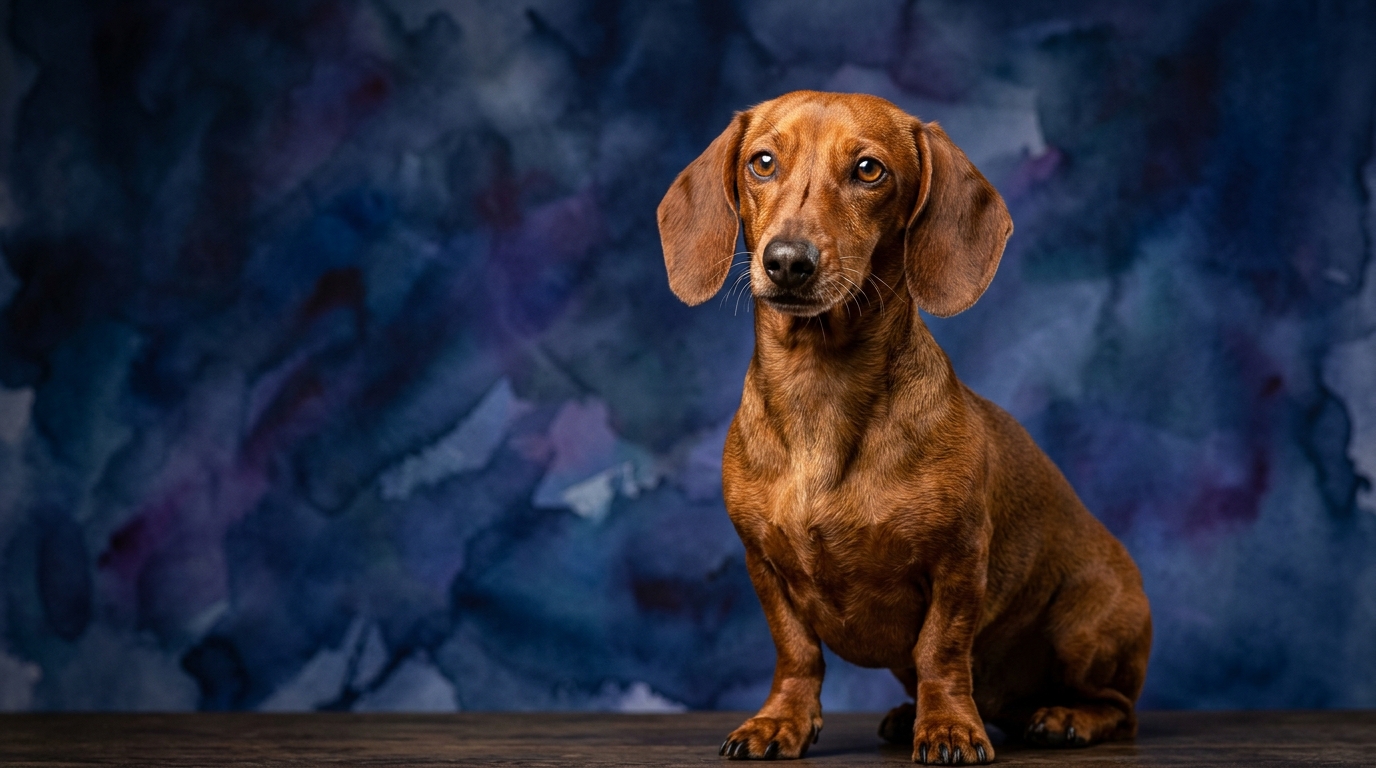
The Dachshund, a hound with a Coren rank of #49, exhibits a remarkable cognitive profile defined by its original purpose. Its Problem Solving score of 4/5 highlights an impressive capacity to independently figure out complex situations, often driven by its instinct to pursue. Training Speed, however, is a moderate 2/5, indicating that while capable of learning, their strong will can make the process require more patience and consistency. Social Intelligence stands at 3/5, suggesting a moderate ability to interpret human cues and interact within a family unit, but often on their own terms. Most notably, their Instinctive Drive is a perfect 5/5, reflecting an intense, ingrained urge to hunt, track, and explore, which profoundly shapes their cognitive output. Memory is rated 3/5, meaning they can retain information and learned behaviors, but perhaps not with the same precision or longevity as some other breeds.
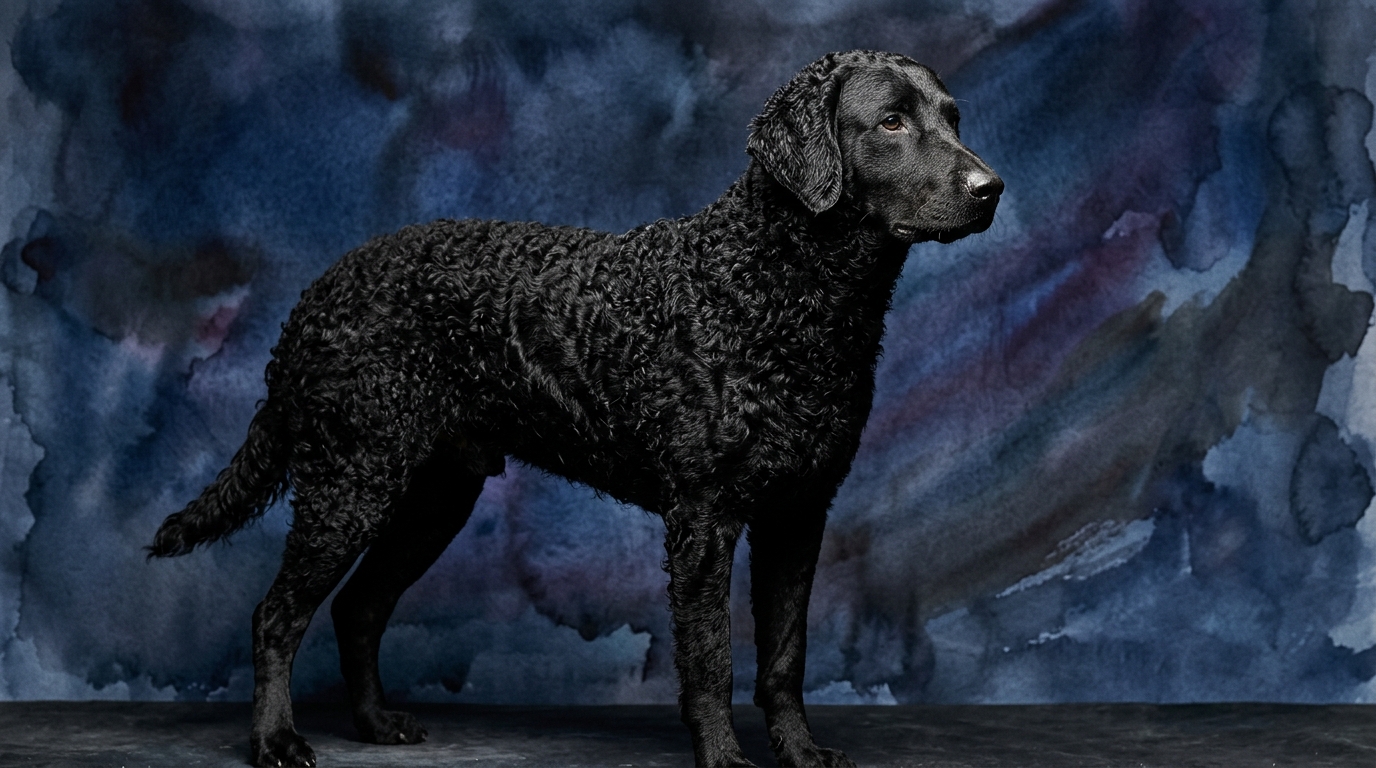
In contrast, the Curly-Coated Retriever, a sporting breed ranked #41 by Coren, presents a different cognitive blueprint. Their Problem Solving ability is a solid 3/5, demonstrating an aptitude for navigating tasks and challenges, though perhaps with less independent ingenuity than the Dachshund. Training Speed is a balanced 3/5, indicating a willingness and capacity to learn new commands and routines at a reasonable pace. Social Intelligence also scores 3/5, reflecting their generally amiable nature and ability to form strong bonds and respond to their human companions. Their Instinctive Drive is 3/5, present but less intense than a hound's, primarily focused on retrieving and working alongside a handler rather than independent pursuit. Where the Curly-Coated Retriever truly shines is in Memory, with an impressive 4/5, suggesting a strong ability to recall commands, routines, and past experiences, which is invaluable for a working companion.
Where the Dachshund's Mind Excels
The Dachshund's cognitive strength lies prominently in its Problem Solving skills, rated 4/5. This isn't just about learning tricks; it's about their innate ability to strategize and overcome obstacles, particularly when motivated by an objective. For example, a Dachshund might meticulously work out how to reach a treat placed out of immediate grasp, or how to tunnel under a fence to explore an interesting scent. This is intrinsically linked to their formidable Instinctive Drive, a perfect 5/5. This drive fuels their persistence and focus, enabling them to concentrate intensely on a perceived "mission," whether it's tracking a scent trail or protecting their territory. This combination means they can be incredibly resourceful and determined in achieving their goals, often outmaneuvering conventional barriers.
Their keen sense of purpose, rooted in generations of badger hunting, translates into a dog that often thinks several steps ahead in pursuit of an objective. While this makes them fascinating to observe, it also requires owners to be equally clever in managing their environment and channeling these strong drives constructively. Their cognitive victories are often self-directed, showcasing an independent spirit that values individual achievement, making them formidable little strategists in their own right when a reward or perceived challenge is present.
The Curly-Coated Retriever's Cognitive Strengths
The Curly-Coated Retriever's cognitive advantages are rooted in its cooperative nature and impressive recall. Their Memory score of 4/5 is a standout trait, enabling them to quickly internalize and retain a vast array of commands, complex sequences, and routines. This superior memory is crucial for a breed designed to work collaboratively, allowing them to remember multiple retrieves, hand signals, and intricate field patterns over extended periods. This makes them highly reliable in performing learned tasks consistently, even after a break.
Coupled with a balanced Training Speed of 3/5, the Curly-Coated Retriever learns new concepts at a steady, reliable pace, without the strong-willed resistance sometimes seen in more independent breeds. While their Problem Solving at 3/5 is not as singularly focused as the Dachshund's, it's applied in a more collaborative context, allowing them to adapt to new situations within a structured framework provided by their handler. Their cognitive wins are often shared victories, where their intelligence is expressed through teamwork, precision, and dependable execution of tasks, making them excellent partners in activities requiring consistent performance.
Training Dynamics: Dachshund vs. Curly-Coated Retriever
When it comes to training, the contrasting scores in Training Speed and Instinctive Drive paint a clear picture. The Dachshund, with a Training Speed of 2/5 and an Instinctive Drive of 5/5, can present a significant challenge. Their powerful drive to follow scents or pursue perceived prey means they are easily distracted from training exercises, and their independent problem-solving often translates into a "what's in it for me?" attitude. They learn, but often at their own pace and only if the reward is compelling enough to override their innate urges. This can manifest as selective hearing or a stubborn refusal to comply if a more interesting environmental stimulus is present.
The Curly-Coated Retriever, with a Training Speed of 3/5 and an Instinctive Drive of 3/5, generally offers a more amenable training experience. Their moderate instinctive drive means they are less likely to be completely derailed by external stimuli, allowing for more consistent focus during sessions. Their better memory (4/5) also aids in retention, meaning less repetition is needed over time to solidify commands. While they still require consistent, positive reinforcement, their inclination to work *with* their handler, rather than independently, makes them more responsive to cues and less prone to outright defiance. Their cooperative nature allows for a smoother, more predictable training trajectory compared to the Dachshund's often more challenging, self-directed learning style.
Matching Cognitive Profiles to Lifestyles
For owners who lead an active lifestyle and enjoy engaging in structured activities, the Curly-Coated Retriever is often a more natural fit. Their balanced instinctive drive, solid training speed, and excellent memory make them ideal companions for dog sports like obedience, agility, or competitive retrieving. They thrive on having a "job" that involves working closely with their human, channeling their energy and intelligence into cooperative tasks. Their moderate problem-solving is applied within a framework, making them adaptable and eager to please in structured environments.
The Dachshund, with its intense instinctive drive and independent problem-solving, is better suited for owners who appreciate a dog with a strong, self-directed personality and who can provide ample mental stimulation that caters to their natural instincts. This might involve scent work, puzzle toys that challenge their ingenuity, or secure, varied environments for exploration. Relaxed owners might find their tenacity and independent streak challenging without proper outlets, as their cognitive strengths can manifest as digging, barking, or persistent pursuit if not managed. They excel with owners who understand and respect their hound nature, offering opportunities for brain games that satisfy their deep-seated drives in a controlled manner.
The Verdict
Choose the Dachshund if you admire a tenacious, independent thinker with exceptional problem-solving skills and a profound instinctive drive, and are prepared to channel their strong will creatively. They are ideal for owners who appreciate a dog with a self-directed personality and can provide stimulating outlets for their natural curiosity and persistence.
Opt for the Curly-Coated Retriever if you seek a cooperative, dependable companion with excellent memory and a balanced training aptitude, eager to engage in structured activities alongside you. They are a superb choice for active individuals who value a trainable partner for dog sports and consistent companionship.
🧠 Find Your Pet's IQ Score
Our Pet IQ Lab assessment covers 25+ tests across 5 cognitive dimensions — personalized to your breed.
Take the Full IQ Test →Frequently Asked Questions
Is the Dachshund truly stubborn during training?
The Dachshund's reputation for stubbornness often stems from its strong Instinctive Drive (5/5) and moderate Training Speed (2/5). They are not unwilling to learn, but their independent problem-solving and powerful urges to follow scents can make them less immediately responsive than breeds bred for cooperation. Training requires consistent, highly motivating rewards to capture their attention over external distractions.
How does the Curly-Coated Retriever's memory benefit owners?
The Curly-Coated Retriever's impressive Memory (4/5) significantly benefits owners by making them highly reliable in recalling commands and routines. This trait is invaluable for complex tasks, competitive dog sports, and daily life, as they retain learned information efficiently and consistently apply it, reducing the need for constant re-training.
Can a Dachshund participate in dog sports?
Yes, Dachshunds can excel in certain dog sports, particularly those that leverage their problem-solving and instinctive drive, such as earthdog trials, scent work, or even agility, where their low center of gravity can be an advantage. Success depends on an owner's commitment to patient, positive reinforcement that appeals to their independent nature and strong motivation.