
Dachshund IQ Profile: The Tenacious Earthdog
Problem Solving (4/5): Dachshunds display considerable ingenuity, particularly when motivated by a scent or the desire to reach a specific location. Their historical role as badger hunters required them to independently navigate complex underground tunnels, fostering a resourceful mindset. This translates into a dog adept at figuring out how to open cabinets, escape enclosures, or retrieve items they deem theirs.
Training Speed (2/5): Their independent nature and powerful instinctive drives can make training a patient endeavor. Dachshunds often evaluate whether a command serves their own interests, and if not, they may choose to ignore it. Consistency and positive reinforcement are critical to overcoming this inherent stubbornness.
Social Intelligence (3/5): While deeply loyal and affectionate with their families, Dachshunds can be reserved or even wary around strangers. They are observant and may not always be eager to engage with new people or dogs. Their social interactions often follow their own terms.
Instinctive Drive (5/5): This is where the Dachshund truly shines. Their prey drive is intense and unwavering, focused on scent and pursuit. Digging, tracking, and vocalizing when on a trail are deeply ingrained behaviors, requiring outlets to prevent destructive habits.
Memory (3/5): Dachshunds possess an average memory for commands, but an excellent memory for locations of interesting scents, hidden treats, or past experiences, especially those tied to their hunting instincts.
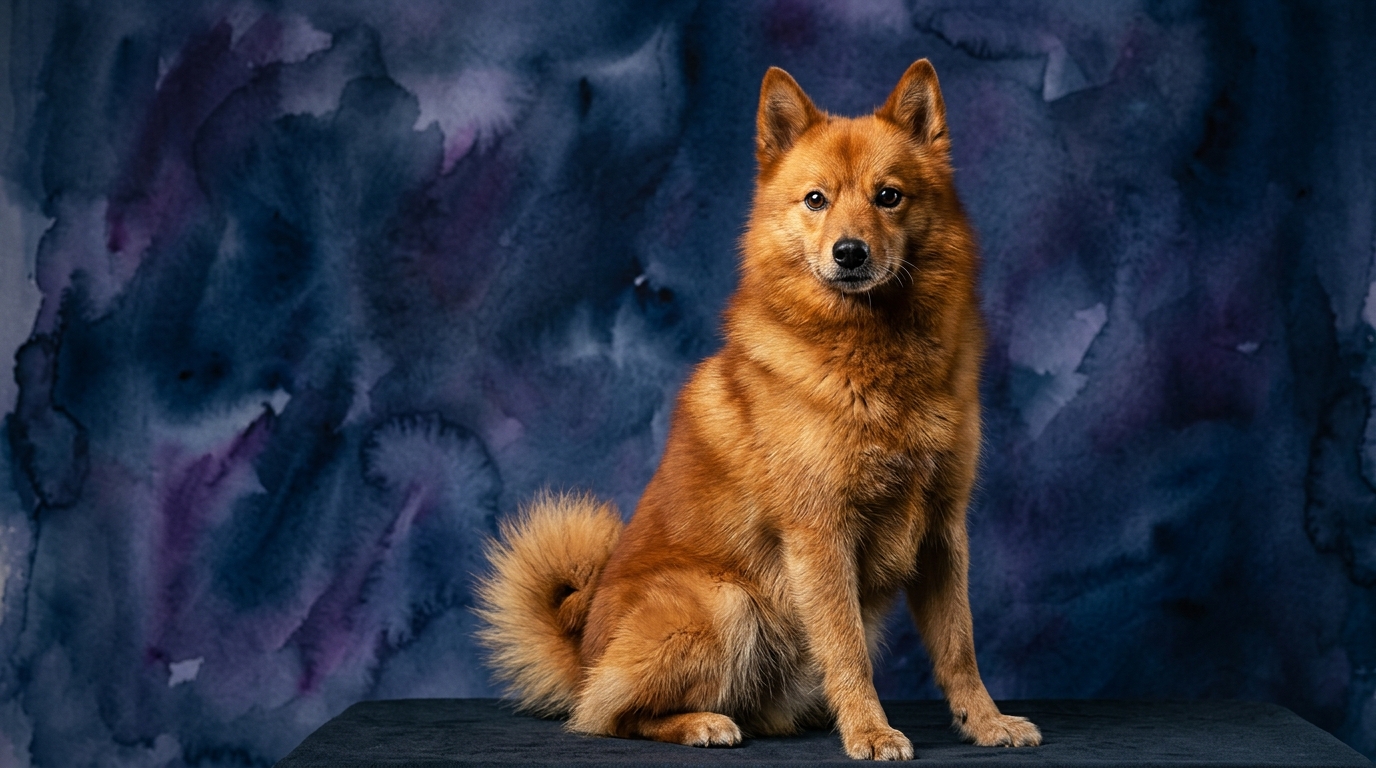
Finnish Spitz IQ Profile: The Barking Bird Dog
Problem Solving (3/5): Finnish Spitz are capable problem solvers, demonstrating adaptability in various situations. They learn routines and can figure out how to navigate their environment effectively. Their problem-solving often leans towards cooperative efforts rather than the independent, goal-oriented approach of the Dachshund.
Training Speed (3/5): Generally more willing to engage in training than the Dachshund, the Finnish Spitz responds well to positive reinforcement. They possess a degree of independence but are often keen to please their human companions. Consistency is still key, as they can become bored with repetitive drills.
Social Intelligence (3/5): Finnish Spitz are typically friendly, alert, and curious. They are observant of their surroundings and often form strong bonds with their families. Their characteristic vocalizations, which range from barks to yodels, are a significant aspect of their social communication and interaction with the world.
Instinctive Drive (3/5): Bred to hunt birds by barking to alert hunters, their instinctive drive is focused and specific. While they have a prey drive, it is generally less intense and less broadly applied than the Dachshund's. They are less prone to digging or relentless pursuit of ground game.
Memory (3/5): Finnish Spitz exhibit an average memory for commands and learned behaviors. They remember routines and their environment well, contributing to their adaptability and ease of integration into family life.
Where the Dachshund Excels Cognitively
The Dachshund's problem-solving prowess, rated at 4/5, stands out. Their heritage as badger hunters demanded they think for themselves, navigating complex underground tunnels to locate and flush prey. This translates into a remarkable ability to overcome obstacles, whether it's figuring out how to open a childproof gate, tunneling under a fence, or retrieving a toy from an inaccessible spot. Their resourcefulness, born from necessity, makes them master strategists in their own small world.
Furthermore, their instinctive drive, a perfect 5/5, represents a cognitive strength in its sheer focus and tenacity. When a Dachshund locks onto a scent or a perceived "prey" item, their concentration is unwavering. This single-minded determination, while sometimes challenging for owners, is a testament to their specialized intelligence for their original working purpose. It’s a deep-seated program for persistent pursuit, making them incredibly effective at tasks requiring sustained focus.
Where the Finnish Spitz Excels Cognitively
The Finnish Spitz holds a slight edge in training speed, rated 3/5 compared to the Dachshund's 2/5. While both breeds possess an independent spirit, the Finnish Spitz is often more amenable to learning new commands and routines with positive reinforcement. Their desire to engage with their human companions often outweighs their stubbornness, making the initial stages of obedience training a smoother process. They are generally more responsive to cues and less likely to deliberately ignore commands than a Dachshund.
Their social intelligence, while rated similarly at 3/5, manifests differently and offers unique cognitive strengths. The Finnish Spitz's highly developed vocal communication system is a key differentiator. Their ability to produce a wide range of barks, yodels, and howls to communicate alerts, excitement, or even dissatisfaction, speaks to a sophisticated understanding of their environment and their role within it. This expressive vocalization is a specific form of cognitive processing and interaction, crucial to their historical role as hunting companions who "talked" to their human partners.
Which is Easier to Train, and Why?
Based on their respective training speed scores, the Finnish Spitz (3/5) generally presents an easier training experience compared to the Dachshund (2/5). The Dachshund's independent spirit and deep-seated hunting instincts often lead to what owners perceive as stubbornness. Their focus on scent can make recall challenging in distracting environments, and their innate desire to dig or pursue can override learned commands. Potty training, in particular, can be a prolonged effort due to their tendency to mark territory and their independent problem-solving skills which might lead them to find hidden spots indoors.
The Finnish Spitz, while possessing an independent streak, is typically more eager to please and less resistant to learning. They respond well to consistent, positive reinforcement and thrive on engagement with their owners. Their vocal nature means they might "express opinions" during training, but they are generally more cooperative in mastering basic obedience. They are less likely to be completely consumed by a scent trail or a digging urge that overrides all learned behaviors, making them more predictable in a training context.
Suitability for Active vs. Relaxed Owners
For the Dachshund, the ideal owner isn't necessarily a marathon runner, but rather someone who understands and can channel their intense mental and instinctive energy. A "relaxed" owner who doesn't provide outlets for their 5/5 instinctive drive and 4/5 problem-solving ability will quickly find themselves with a destructive or frustrated dog. Dachshunds thrive with owners who engage them in scent games, puzzle toys, structured walks that allow for sniffing, and consistent, firm, but positive training. They require an owner who is mentally active in their approach to dog ownership, providing enrichment and management for their deep-seated urges, even if their physical exercise needs are moderate.
The Finnish Spitz suits owners who appreciate a dog with moderate activity levels and a communicative nature. They enjoy regular outdoor walks, playtime, and opportunities for mental engagement, but they don't typically demand extreme physical exertion. An owner who is active in terms of daily walks and interactive play will suit them well. They are well-suited to owners who can manage and appreciate their characteristic vocalizations, which are an integral part of their personality. While not demanding constant high-impact exercise, they are alert and observant, making them good companions for owners who enjoy a dynamic presence in their home.
The Verdict
Opt for a Dachshund if you are captivated by a determined, scent-driven companion, willing to commit to consistent, patient training and provide ample mental enrichment to channel their powerful, independent instincts.
Select a Finnish Spitz if you seek an alert, communicative, and generally more biddable Northern breed, who enjoys regular outdoor activity and whose characteristic vocalizations you find endearing.
🧠 Find Your Pet's IQ Score
Our Pet IQ Lab assessment covers 25+ tests across 5 cognitive dimensions — personalized to your breed.
Take the Full IQ Test →Frequently Asked Questions
Are Dachshunds good family dogs despite their stubbornness?
Dachshunds can be wonderful family dogs, deeply loyal and affectionate with their immediate household. Their independent streak requires consistent boundaries and early socialization to ensure they are well-adjusted, especially with children and other pets. With the right guidance, their playful and loving nature shines through.
Do Finnish Spitz bark excessively?
Finnish Spitz are known as "barking bird dogs" and are indeed vocal. Their barks are part of their heritage for alerting hunters, and they use their voice to communicate a range of emotions and observations. While not necessarily "excessive" in their natural context, prospective owners must be prepared for a communicative dog and consider training to manage their vocalizations.
How do their different hunting backgrounds impact their daily behavior?
The Dachshund's badger-hunting background fuels a strong independent problem-solving ability, intense prey drive, and a desire to dig or pursue scents, making them tenacious and sometimes challenging to redirect. The Finnish Spitz's bird-hunting role resulted in a dog that uses its voice to alert and "point" game, leading to a more vocal, observant nature and generally less intense digging or ground-pursuit behaviors.