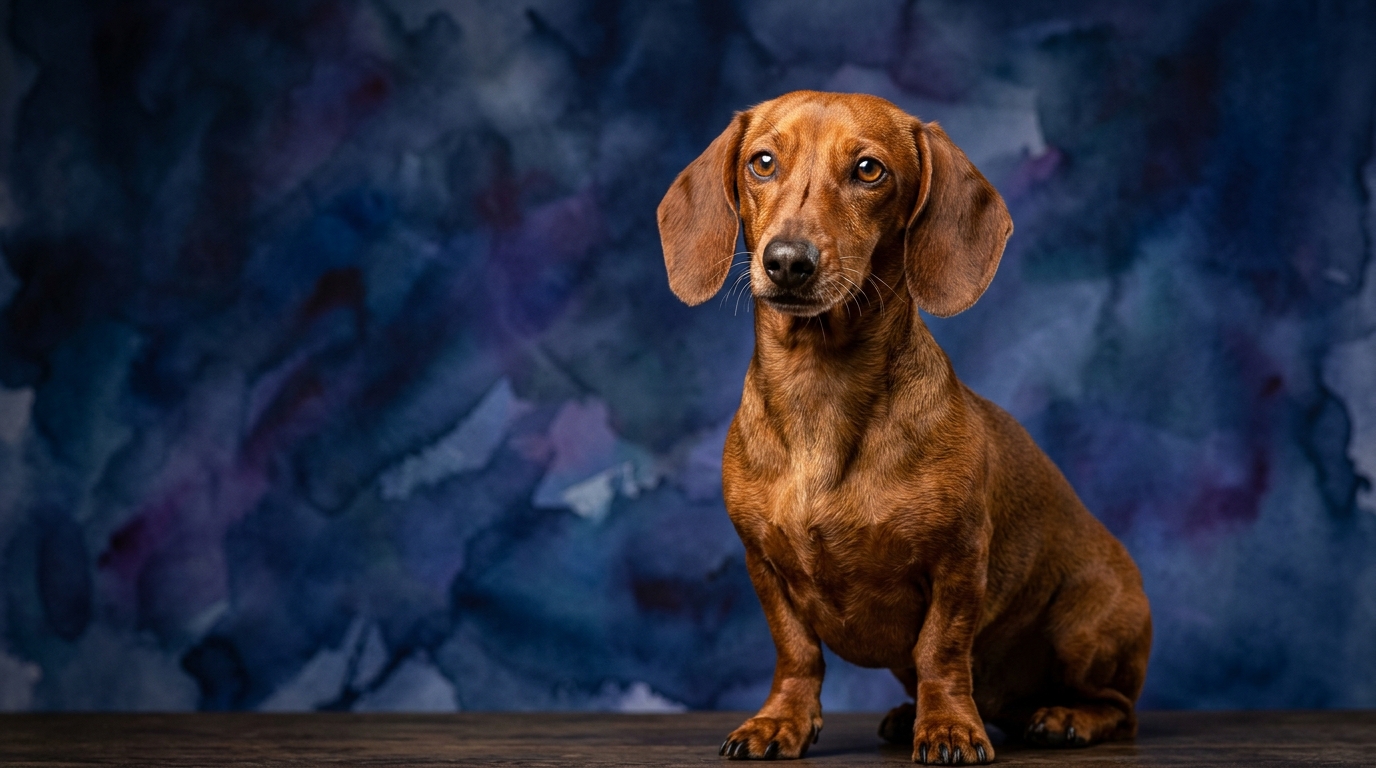
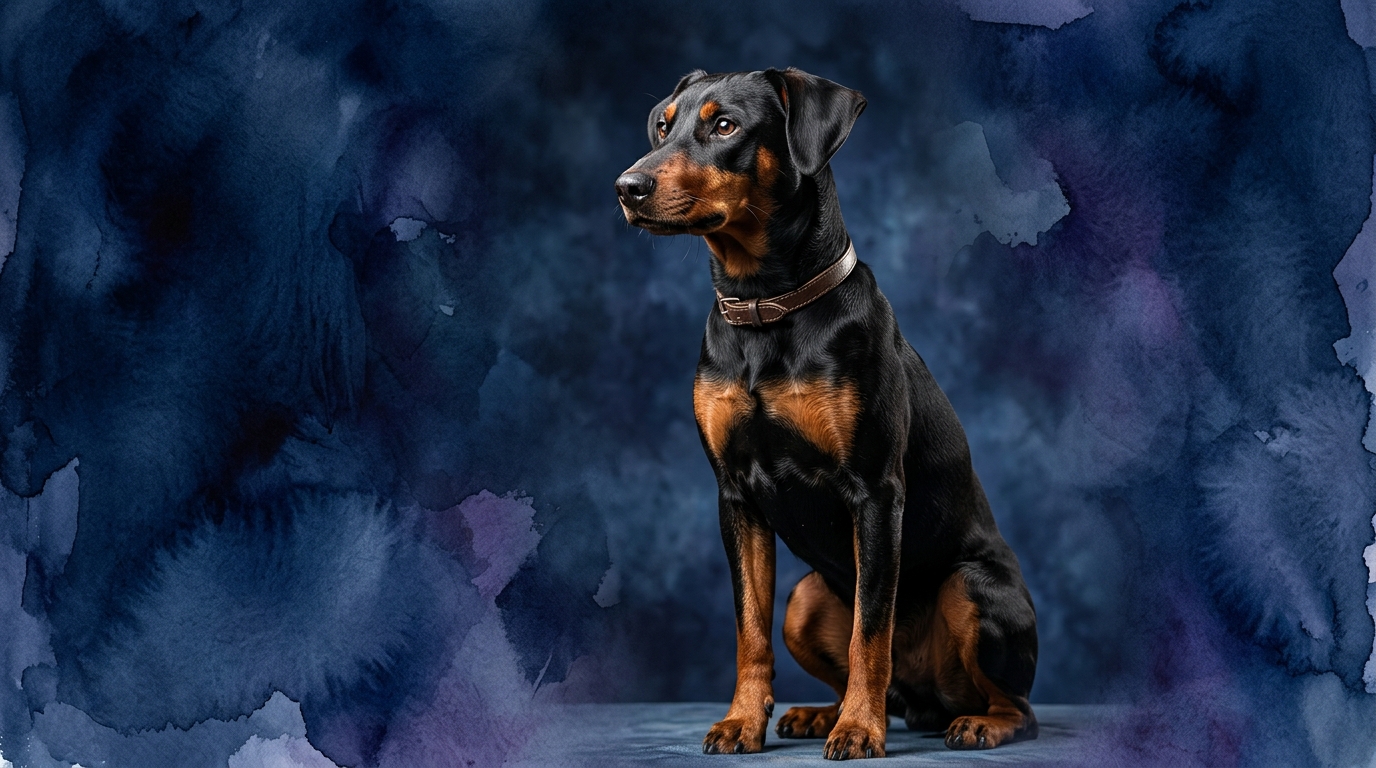
Side-by-Side IQ Profile: Dachshund vs. German Pinscher
At The Cosmic Pet Pet IQ Lab, we delve beyond general perceptions to offer a nuanced understanding of canine cognitive abilities. For the Dachshund, we observe a problem-solving capacity rated at 4/5, indicating a strong aptitude for independent thought and overcoming environmental challenges, often in pursuit of a goal. Their training speed is assessed at 2/5, suggesting a more deliberate or independent approach to learning structured commands, rather than immediate compliance. Social intelligence for the Dachshund stands at 3/5, reflecting a moderate understanding of human social cues and group dynamics, where they are aware but not overtly people-pleasing. Their instinctive drive is a formidable 5/5, a clear testament to their heritage as tenacious hunters with an unwavering focus on scent and quarry. Memory for the Dachshund is rated at 3/5, indicating a solid ability to recall routines, experiences, and learned associations over time.
In contrast, the German Pinscher exhibits a problem-solving score of 3/5, demonstrating practical intelligence and an ability to navigate various situations effectively, though perhaps less inventively than a Dachshund. Their training speed is rated at 3/5, suggesting a more cooperative and consistent learning curve when introduced to new commands and behaviors. Social intelligence for the German Pinscher also registers at 3/5, mirroring the Dachshund's capacity for understanding social structures and interacting appropriately within a family setting. The German Pinscher's instinctive drive is rated at 3/5, a balanced drive that manifests as vigilance, moderate prey interest, and a desire for engagement, without the singular intensity seen in the Dachshund. Their memory, like the Dachshund's, is rated at 3/5, indicating a reliable ability to retain information and adapt based on past experiences.
Where the Dachshund Excels Cognitively
The Dachshund's cognitive strengths distinctly shine in areas demanding intense focus and independent ingenuity. Their 4/5 problem-solving score highlights a remarkable capacity to devise creative strategies, whether it’s figuring out how to bypass a baby gate to reach a desired treat or navigating complex terrain during a scent trail. This isn't about blind obedience; it's about a dog who thinks critically to achieve its objectives, often with a unique, self-directed approach. This high problem-solving ability, coupled with their unmatched 5/5 instinctive drive, means they possess an incredible mental tenacity. This drive is a powerful cognitive engine, enabling them to concentrate on a task, particularly scent-related ones, with an almost unwavering dedication, filtering out distractions that would deter other breeds. They are masters of sustained mental effort when their instincts are engaged, making them formidable in activities like earthdog trials where their innate cognitive functions are fully utilized.
Where the German Pinscher Excels Cognitively
The German Pinscher's cognitive advantages lie in their balanced and versatile application of intelligence, particularly evident in their training speed and adaptable drives. With a training speed of 3/5, they demonstrate a more consistent and willing engagement in structured learning environments compared to the Dachshund. This means they often grasp new commands and routines with greater readiness, making initial training stages smoother and less prone to persistent independent agendas. Their instinctive drive, rated at 3/5, is also a cognitive asset; it's significant enough to provide motivation for various activities but not so overwhelming that it singularly fixates their mental resources. This allows the German Pinscher to apply their problem-solving (3/5) and social intelligence (3/5) across a broader spectrum of tasks, from obedience and agility to being an alert family companion. Their cognitive profile suggests a more generalist intellect, capable of adapting to diverse demands without the specialized intensity of a Dachshund's hunting mind.
Training Dynamics: Which is Easier to Train?
When considering ease of training, the German Pinscher generally presents a more straightforward path for most owners. Their training speed of 3/5 suggests they are more receptive to learning new commands and are often eager to please their human companions. This willingness to engage in a cooperative learning process, combined with a more moderate instinctive drive (3/5), means their focus is less likely to be hijacked by an overwhelming innate urge to hunt or explore independently. They possess a practical intelligence that responds well to clear communication and consistent reinforcement, making them good candidates for various dog sports and advanced obedience work where partnership is key. Their working heritage often translates into a desire for purpose and structure, which aids in their trainability.
The Dachshund, with a training speed of 2/5 and an instinctive drive of 5/5, presents a more significant training challenge. Their strong problem-solving ability (4/5) often means they are adept at finding their own solutions, which might not always align with human expectations. This isn't a lack of cognitive capacity, but rather an independent mind that frequently prioritizes its own agenda, such as following a captivating scent trail, over a handler's command. Training a Dachshund requires immense patience, creativity, and a deep understanding of their hound nature. Owners must work to channel their profound instinctive drives rather than attempting to suppress them, making training a continuous exercise in motivation, redirection, and consistent boundary setting. Their 'stubbornness' is often a manifestation of their powerful cognitive focus on their own perceived goals.
Matching Breeds to Lifestyles: Active vs. Relaxed Owners
For active owners, both breeds can be engaging companions, but they cater to different types of activity. An active owner who enjoys precision dog sports, structured obedience, or hiking with a vigilant, responsive partner might find the German Pinscher (training speed 3/5, instinctive drive 3/5) an excellent fit. Their balanced cognitive profile allows them to excel in activities requiring both mental and physical engagement, and their moderate drive means they can transition between high-energy pursuits and calm home life effectively. They thrive on having a 'job' and appreciate consistent interaction and guidance during activities, making them ideal for owners who enjoy a collaborative training style.
An active owner who appreciates a dog with an independent spirit and is keen to engage in activities that tap into profound innate drives, such as scent work, earthdog trials, or advanced tracking, would find the Dachshund (instinctive drive 5/5, problem-solving 4/5) profoundly rewarding. While their physical exercise needs are moderate, their mental drive is exceptionally high. They require activities that challenge their incredible nose and problem-solving abilities, even if it means less structured, more exploratory engagement. For more relaxed owners, neither breed is a true 'couch potato,' but a German Pinscher might be marginally more adaptable if provided with consistent daily mental and physical stimulation. A Dachshund requires an owner who understands their need for mental engagement to prevent them from creating their own, potentially destructive, 'work' around the house, regardless of the owner's activity level.
The Verdict
Choose the Dachshund if you value a companion with exceptional independent problem-solving skills and an unparalleled, tenacious instinctive drive, and you are prepared for a training journey that respects their strong will and channels their natural hunting acumen.
Opt for the German Pinscher if you seek a versatile companion with balanced cognitive abilities, a moderate drive that's easier to redirect, and a relatively cooperative attitude towards training, fitting well into various active lifestyles.
🧠 Find Your Pet's IQ Score
Our Pet IQ Lab assessment covers 25+ tests across 5 cognitive dimensions — personalized to your breed.
Take the Full IQ Test →Frequently Asked Questions
Is the Dachshund's lower training speed indicative of lower overall intelligence?
Not at all. The Dachshund's training speed (2/5) primarily reflects their independent nature and powerful instinctive drives, which often make them prioritize their own motivations over human commands. Their high problem-solving (4/5) shows a robust cognitive capacity, just one that requires more nuanced and patient training approaches.
How does the German Pinscher's unranked Coren status affect understanding their intelligence?
The absence of a Coren rank doesn't diminish the German Pinscher's cognitive abilities; it simply means they weren't included in that specific ranking methodology, which often focuses on obedience and working intelligence. Our IQ metrics provide a direct, multi-faceted assessment, showing them to have solid, balanced cognitive abilities across various dimensions.
What's the biggest difference in their 'instinctive drive' scores?
The Dachshund's 5/5 instinctive drive signifies an exceptionally powerful, singular focus on scent and pursuit, embodying a deep-seated drive to hunt small quarry, making them incredibly persistent and often oblivious to distractions. The German Pinscher's 3/5 drive is more generalized, manifesting as vigilance, moderate prey interest, and a desire for activity, but it's more easily managed and less all-consuming than the Dachshund's specialized intensity.