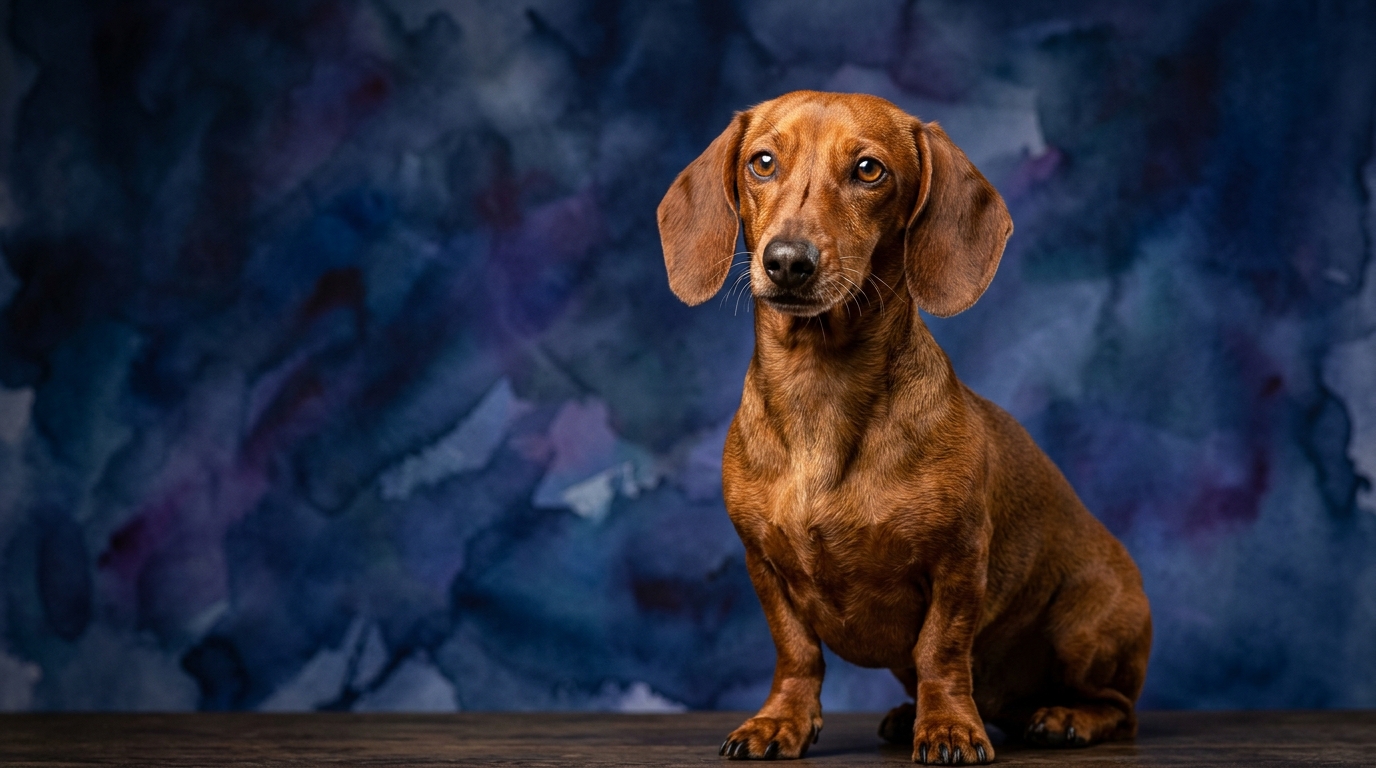
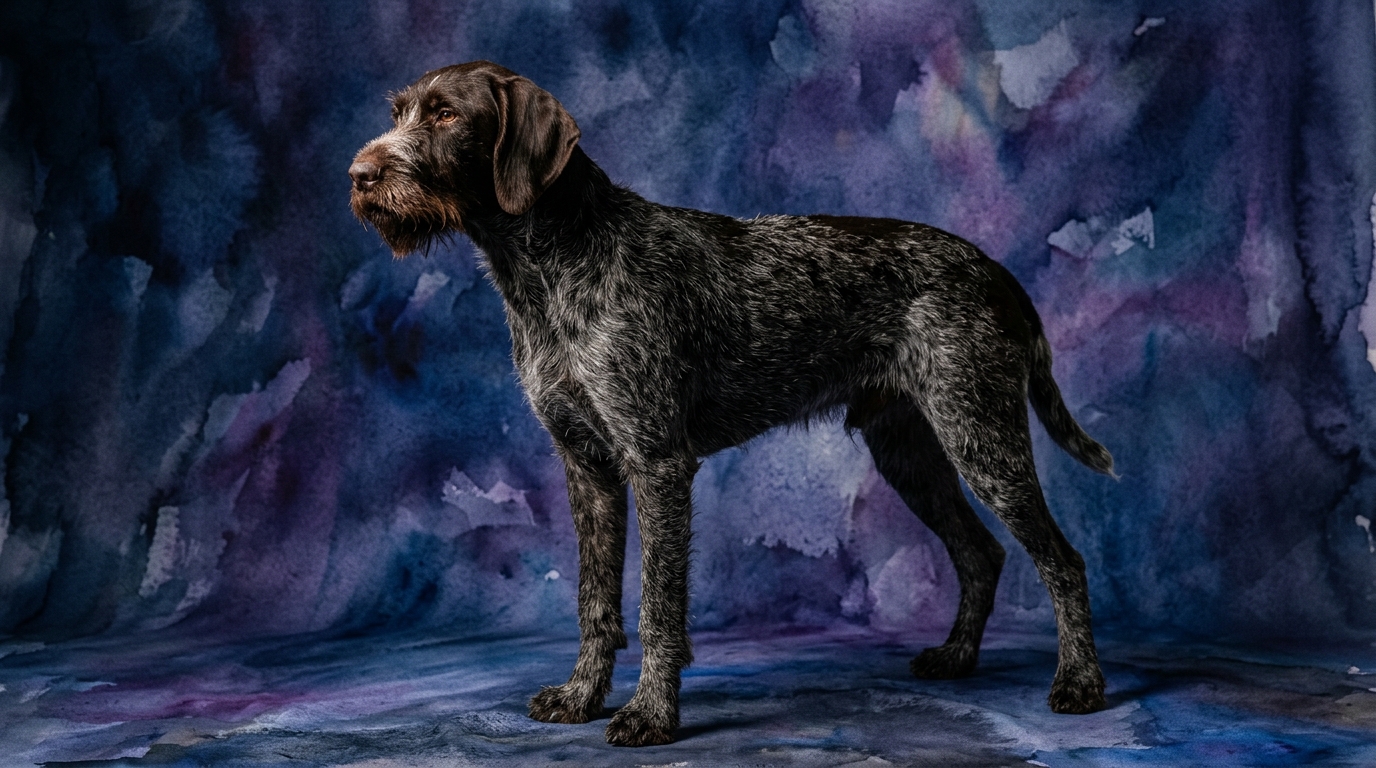
Side-by-Side IQ Profile: Dachshund vs. German Wirehaired Pointer
The Cosmic Pet Pet IQ Lab employs a multi-dimensional approach to assess canine cognition, moving beyond simple obedience scores to reveal a breed's true mental makeup. For the Dachshund, Coren rank #49 places it in a middle tier for working and obedience intelligence, suggesting a characteristic independence that shapes its learning style. Its Problem Solving score of 4/5 indicates a resourceful mind, particularly adept at navigating intricate spaces or uncovering hidden treasures, often driven by its innate curiosity. However, its Training Speed of 2/5 highlights a need for patience and varied methods, as these hounds can be selective in their cooperation. Social Intelligence at 3/5 suggests a capacity for connection but also a tendency towards self-sufficiency, while an Instinctive Drive of 5/5 is their defining feature – an intense, unwavering focus on scent and pursuit that often overrides other impulses. A Memory score of 3/5 means they retain information adequately, but perhaps not with the rapid recall of some other breeds.
In contrast, the German Wirehaired Pointer, with a Coren rank #28, demonstrates a more cooperative and biddable cognitive profile. Its Problem Solving also scores 4/5, but this intelligence is often applied in a collaborative context, such as locating and retrieving game, rather than purely independent exploration. The GWP's Training Speed of 4/5 is a significant differentiator, indicating a swift grasp of new commands and a keenness to engage in structured learning. A Social Intelligence of 3/5 aligns with the Dachshund, reflecting a balanced capacity for bonding alongside task orientation. Its Instinctive Drive at 3/5 is robust, fueling its hunting prowess, yet it's typically more manageable and directed by an owner's guidance compared to the Dachshund's intense focus. Crucially, its Memory score of 4/5 signifies a strong ability to recall complex sequences and past experiences, making it an efficient learner and reliable partner in diverse environments.
Where the Dachshund Excels Cognitively
The Dachshund's cognitive strengths are deeply rooted in its original purpose: tenacious badger hunting. Its exceptional Instinctive Drive (5/5) means it possesses an unparalleled focus when it comes to scent work and burrowing. This isn't just a physical trait; it's a cognitive superpower, enabling them to ignore distractions and persist in a task that aligns with their innate programming, far surpassing many breeds in sheer determination. Their 4/5 Problem Solving ability shines brightest when applied to these instinctual tasks – figuring out how to get to something hidden, navigating obstacles to reach a perceived 'prey,' or outsmarting barriers that stand between them and a scent trail. This problem-solving is often self-directed and highly creative in its pursuit of a goal, making them surprisingly resourceful in specific, often mischievous, contexts. They excel at independent decision-making when following their nose, a trait some might interpret as stubbornness but is, in fact, a testament to their focused, driven intellect.
Where the German Wirehaired Pointer Shows Cognitive Superiority
The German Wirehaired Pointer's cognitive advantages are most evident in its collaborative learning and retention. Its Training Speed of 4/5 marks it as a swift and eager learner, absorbing new commands and complex routines with remarkable efficiency compared to the Dachshund's 2/5. This rapid assimilation of information makes them highly responsive to instruction and capable of mastering a broader range of tasks more quickly. Complementing this is their superior Memory (4/5), which ensures that learned behaviors are retained with greater precision and for longer durations, allowing for consistent performance and the building of an extensive repertoire of skills. While both breeds share a 4/5 in Problem Solving, the GWP's application of this skill is often more aligned with cooperative work, such as strategically flushing game or efficiently retrieving fallen birds. Their instinctive drive (3/5), while strong, is also more amenable to direction, allowing their cognitive resources to be channeled effectively towards owner-led objectives rather than being solely self-directed.
Training Dynamics: Which is Easier and Why?
When it comes to ease of training, the German Wirehaired Pointer holds a clear advantage due to its higher Training Speed (4/5) and Memory (4/5), coupled with an Instinctive Drive (3/5) that is more readily channeled. GWPs typically exhibit a strong desire to work alongside their human companions, absorbing new commands quickly and remembering them reliably. Their biddable nature means fewer repetitions are needed for skill acquisition, and they often find joy in the learning process itself, making them receptive to varied training methods. This cooperative spirit, rooted in their hunting heritage, translates into a more straightforward and often faster training journey for owners seeking a responsive partner.
The Dachshund, on the other hand, presents a more significant training challenge. Its Training Speed of 2/5 means that owners must be prepared for a longer, more patient, and highly consistent approach. Their formidable Instinctive Drive (5/5) means that their nose and prey drive can frequently override commands, requiring diligent management and redirection. What appears as 'stubbornness' is often a Dachshund prioritizing its innate programming over human instruction. While they are capable of learning, their independent spirit and tendency to follow their own agenda necessitate engaging, positive reinforcement techniques, a keen understanding of their motivations, and a recognition that their learning curve will likely be more gradual.
Matching Breed Intelligence to Owner Lifestyles
Understanding these cognitive profiles is key to selecting a companion that aligns with your lifestyle. For active owners seeking a dog for outdoor adventures, structured activities, or even competitive dog sports, the German Wirehaired Pointer is an excellent fit. Their higher Training Speed and Memory, combined with a manageable Instinctive Drive, make them eager partners for hiking, running, field trials, or agility. They thrive on having a job to do and appreciate consistent mental and physical engagement, making them ideal for individuals or families who can dedicate time to regular training and exercise. Their cooperative intelligence means they genuinely enjoy working alongside their owners, fostering a strong, dynamic bond through shared activities.
The Dachshund, while also energetic in bursts, suits owners who appreciate a more independent and spirited companion, perhaps those with a relaxed home life but who are prepared for focused engagement. Their intense Instinctive Drive (5/5) means they excel in scent games or short, vigorous bursts of exploration, but they are not typically the breed to accompany long-distance runs. Their lower Training Speed and independent problem-solving require an owner who finds charm in their determined nature and is patient with their learning process, enjoying a dog with a distinct personality. Owners who appreciate a dog that thinks for itself and is content with a mix of cuddles and short, engaging activities will find a rewarding partnership with a Dachshund.
The Verdict
Choose a Dachshund if you appreciate a tenacious, independent thinker with a profound sense of smell and a spirited personality, and you are prepared for a patient, consistent training approach.
Opt for a German Wirehaired Pointer if you desire a highly trainable, cooperative, and active companion eager to engage in structured activities and outdoor adventures with you.
🧠 Find Your Pet's IQ Score
Our Pet IQ Lab assessment covers 25+ tests across 5 cognitive dimensions — personalized to your breed.
Take the Full IQ Test →Frequently Asked Questions
Which breed is better for first-time dog owners?
The German Wirehaired Pointer generally presents an easier training experience for first-time owners due to its higher training speed and cooperative nature. The Dachshund's independent streak and intense instinctive drive can be more challenging for those new to dog ownership.
Do Dachshunds and German Wirehaired Pointers get along with other pets?
Both breeds can coexist with other pets, especially if socialized early, but their instinctive drives play a role. Dachshunds might view smaller pets as prey due to their high drive, while GWPs, with their moderate drive, are generally more adaptable, though their hunting instincts remain.
How much mental stimulation do these breeds require?
German Wirehaired Pointers require significant daily mental stimulation through training, puzzles, and structured activities to satisfy their working intelligence. Dachshunds benefit from scent work and problem-solving games that engage their strong instinctive drive, but often in shorter, focused bursts.