Side-by-Side IQ Profile: Dachshund vs. Greyhound
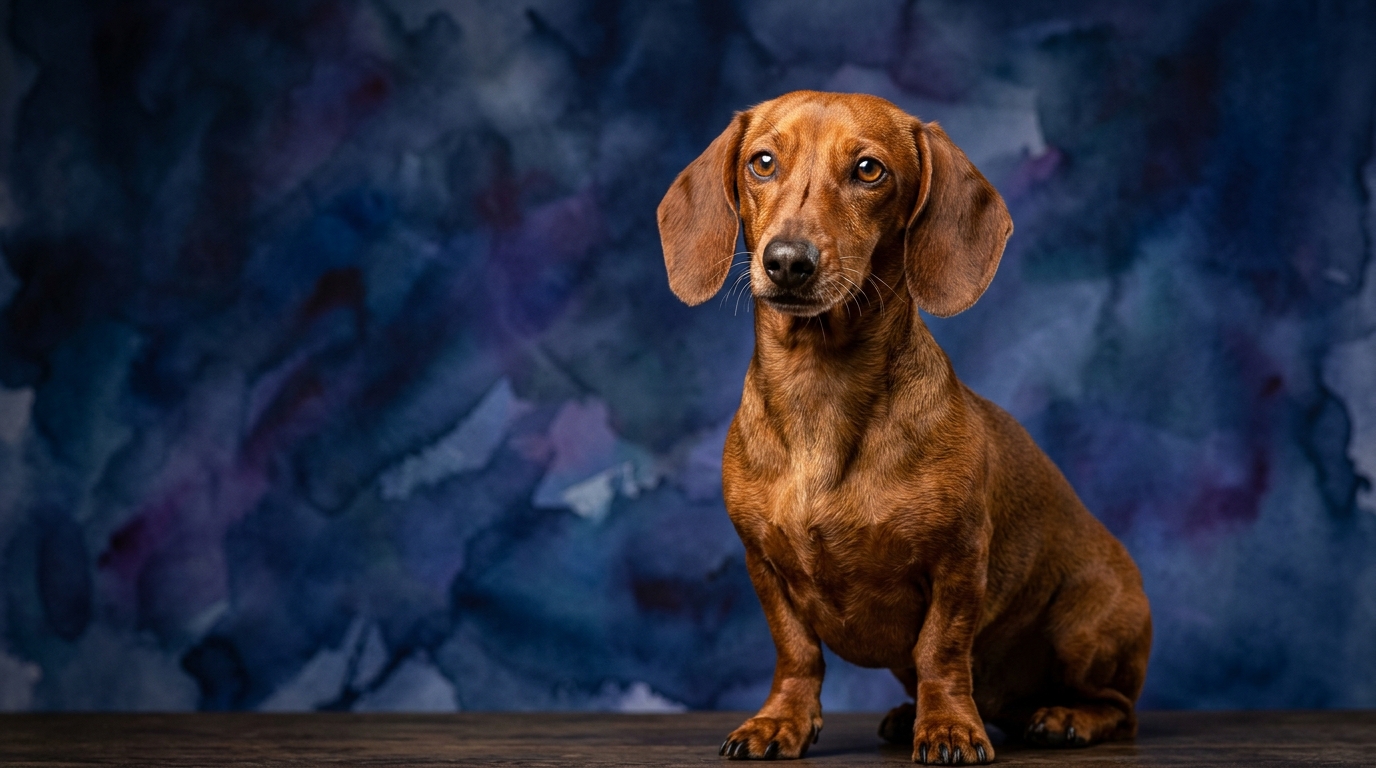
The Cosmic Pet Pet IQ Lab evaluates canine intelligence across five key dimensions, offering a nuanced view beyond simplistic 'smart' labels. For the Dachshund, ranked #49 on Dr. Stanley Coren's scale of working and obedience intelligence, its cognitive profile reflects a breed purpose-built for independent hunting. Its problem-solving ability scores an impressive 4 out of 5, showcasing a mind adept at navigating complex situations and outsmarting prey. However, its training speed registers a modest 2 out of 5, often challenged by a powerful instinctive drive, rated a perfect 5 out of 5, which prioritizes scent and pursuit over human directives. Social intelligence sits at 3 out of 5, indicating strong bonds with its immediate family but potential reservation with strangers, while its memory also scores 3 out of 5, reliable for familiar routines and associations.
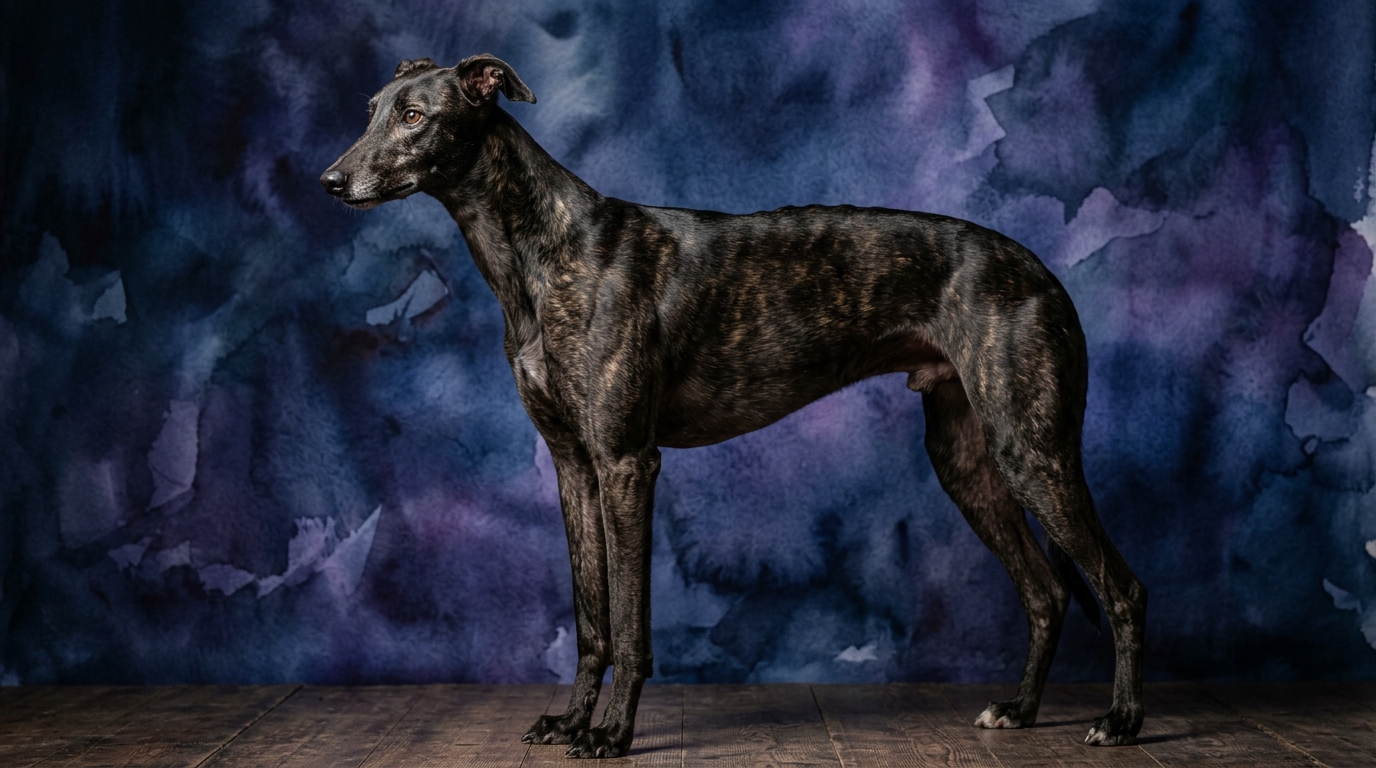
In contrast, the Greyhound, with a slightly higher Coren rank of #46, presents a cognitive profile sculpted by its history as a sighthound, primarily focused on speed and chase. Its problem-solving score is 3 out of 5, demonstrating competence in learning and adapting, but perhaps less inclination towards abstract ingenuity than its Dachshund counterpart. Like the Dachshund, its training speed is 2 out of 5, a reflection of its independent sighthound nature and a formidable instinctive drive, also rated 5 out of 5, which compels it to pursue moving objects with singular focus. Social intelligence for the Greyhound is 3 out of 5, revealing a gentle, sensitive nature that forms deep connections with its chosen humans, often accompanied by a characteristic aloofness towards unfamiliar faces. Its memory, at 3 out of 5, supports the retention of learned commands and routines, particularly those associated with positive reinforcement.
Where the Dachshund Wins Cognitively
The Dachshund's distinct cognitive advantage unequivocally lies in its superior problem-solving ability, scoring 4 out of 5 compared to the Greyhound's 3 out of 5. This isn't merely a numerical difference; it signifies a fundamental aspect of their intelligence rooted in their original purpose. Dachshunds were bred to independently track badgers and other burrowing animals into their dens, requiring an incredible capacity for spatial reasoning, strategic thinking, and creative maneuvering in confined, unpredictable environments. This means a Dachshund is more likely to figure out how to open a cupboard, outsmart a child-proof latch, or devise a novel way to reach a coveted treat.
Their minds are constantly engaged in assessing their surroundings for opportunities or challenges, demonstrating a tenacious ingenuity. Owners often observe this in their ability to manipulate objects, strategize during interactive games, or persistently work towards a goal, even if it involves a bit of mischief. This higher problem-solving score suggests a breed that thrives on mental stimulation that engages their cleverness, making them excellent candidates for puzzle toys and scent work activities that challenge their innate capacity for intricate thought and persistent investigation.
Where the Greyhound Wins Cognitively
While individual sub-scores for the Greyhound might not always surpass the Dachshund, its slightly higher Coren rank of #46 (compared to Dachshund's #49) indicates a subtle but significant advantage in overall 'working intelligence' or 'obedience intelligence.' This suggests that, in a structured training environment, the Greyhound possesses a marginally greater capacity for understanding and consistently performing human-directed tasks, despite both breeds sharing a similar training speed score.
This cognitive edge in working intelligence often manifests in the Greyhound's ability to generalize learned commands more readily across different situations, or to maintain focus on a specific task when adequately motivated. Their powerful instinctive drive, while potent, is often channeled into precise bursts of speed and pursuit, a trait that lends itself to disciplined performance in activities like lure coursing or racing. This focused application of their instinct, combined with their gentle sensitivity, can make them highly responsive to positive reinforcement, allowing them to excel in structured obedience once their independent nature is understood and respected. Their intelligence, while perhaps less about creative problem-solving, is highly effective in executing specific, learned behaviors with remarkable grace and efficiency.
Which is Easier to Train and Why?
Neither the Dachshund nor the Greyhound are considered 'easy' to train, with both breeds scoring 2 out of 5 for training speed. This shared characteristic stems largely from their profound instinctive drives, both rated a perfect 5 out of 5, which often overshadow a desire to please or follow human commands when a more compelling stimulus presents itself. For Dachshunds, their unwavering scent drive means a captivating aroma can instantly override any recall command, sending them off on an independent olfactory adventure. Their history as independent hunters means they were bred to make their own decisions in the field, a trait that translates into a strong-willed personality at home.
Similarly, Greyhounds, as sighthounds, possess an irresistible urge to chase anything that moves quickly. A fleeting squirrel or a distant plastic bag can activate their powerful prey drive, making them oblivious to their surroundings or human directives. While both breeds are capable of learning and understanding commands, their independent hound nature requires immense patience, consistency, and highly motivating rewards from their trainers. Successful training with both breeds relies on understanding their core motivations and channeling their powerful instincts rather than trying to suppress them entirely. Positive reinforcement, short engaging sessions, and making training feel like a game are crucial for both breeds to foster cooperation.
Which Suits Active Owners vs. Relaxed Owners?
When considering an owner's activity level, the distinction between these two breeds becomes clearer, though perhaps counter-intuitive for some. Active owners who enjoy engaging in mentally stimulating activities, scent work, and consistent, purposeful walks might find a wonderful partner in the Dachshund. Despite their small size, Dachshunds possess a persistent energy and a profound need for mental engagement due to their high problem-solving ability and intense instinctive drive. They thrive on exploring, digging, and solving puzzles, making them ideal for owners who are prepared to channel that tenacious energy into constructive outlets rather than simply providing short strolls. Their 'activity' is often more about mental and sensory exploration than sustained physical exertion.
Conversely, Greyhounds are often affectionately dubbed '45 mph couch potatoes,' making them surprisingly suitable for more relaxed owners who can accommodate their specific exercise needs. While they require bursts of intense, off-leash running in a securely fenced area to satisfy their powerful instinctive drive, they are otherwise content to lounge and nap for many hours a day. Their physical activity is concentrated and explosive, rather than continuous. Therefore, an owner who can provide a safe space for daily sprints but otherwise prefers a calm, quiet companion indoors might find the Greyhound a perfect fit. Their gentle, sensitive nature also makes them excellent companions for those seeking a tranquil presence in the home once their exercise requirements are met.
The Verdict: Choosing Your Canine Companion
Choosing between a Dachshund and a Greyhound ultimately comes down to aligning their unique cognitive profiles and needs with your lifestyle and expectations. Both are hounds, driven by instinct, but their mental strengths manifest in distinct ways, influencing everything from trainability to daily enrichment.
If you are an owner who relishes a clever, tenacious companion capable of intricate problem-solving, who thrives on mental challenges, scent games, and consistent engagement to manage their strong independent streak, the Dachshund will be a delightful, if sometimes challenging, partner. Their cognitive agility and spirited nature demand an owner who appreciates ingenuity and is prepared to channel their deep-seated instincts into productive activities.
However, if your ideal companion is a gentle, sensitive soul that offers bursts of incredible athleticism followed by long periods of serene lounging, and you appreciate a slightly higher capacity for structured obedience in a graceful package, the Greyhound may be your perfect match. They require an owner who understands their need for secure, high-speed exercise and respects their calm, often reserved, demeanor indoors, valuing their affectionate but independent spirit.
The Verdict
Choose the Dachshund if you desire a clever, tenacious companion who excels at problem-solving and thrives on mental challenges and scent work, even if it comes with a strong independent streak. They require an owner who appreciates ingenuity and is prepared to channel their deep-seated instincts into productive activities.
Opt for the Greyhound if you seek a gentle, sensitive companion that provides bursts of incredible athleticism followed by long periods of serene lounging, and you value a slightly higher capacity for structured obedience. They need an owner who understands their need for secure, high-speed exercise and respects their calm, often reserved, demeanor indoors.
🧠 Find Your Pet's IQ Score
Our Pet IQ Lab assessment covers 25+ tests across 5 cognitive dimensions — personalized to your breed.
Take the Full IQ Test →Frequently Asked Questions
Are Dachshunds stubborn?
Dachshunds are often perceived as stubborn due to their high instinctive drive (5/5) and independent problem-solving skills (4/5). They are not unintelligent; rather, they prioritize their own interests, like following a scent, over human commands, requiring consistent and engaging training methods.
Do Greyhounds need a lot of exercise?
Greyhounds need specific types of exercise, primarily daily opportunities for short, intense sprints in a securely fenced area to satisfy their powerful instinctive drive (5/5). They are not endurance runners and are often content to lounge and nap for much of the day, earning them the nickname '45 mph couch potatoes.'
Which breed is better for first-time dog owners?
Both breeds present unique challenges for first-time owners due to their independent hound natures and high instinctive drives. A Greyhound might be slightly easier if the owner can provide safe running space and appreciates a calm indoor companion, while a Dachshund demands more consistent mental engagement to manage its cleverness and tenacity.