The Cognitive Blueprint: Dachshund vs. Harrier IQ Profiles
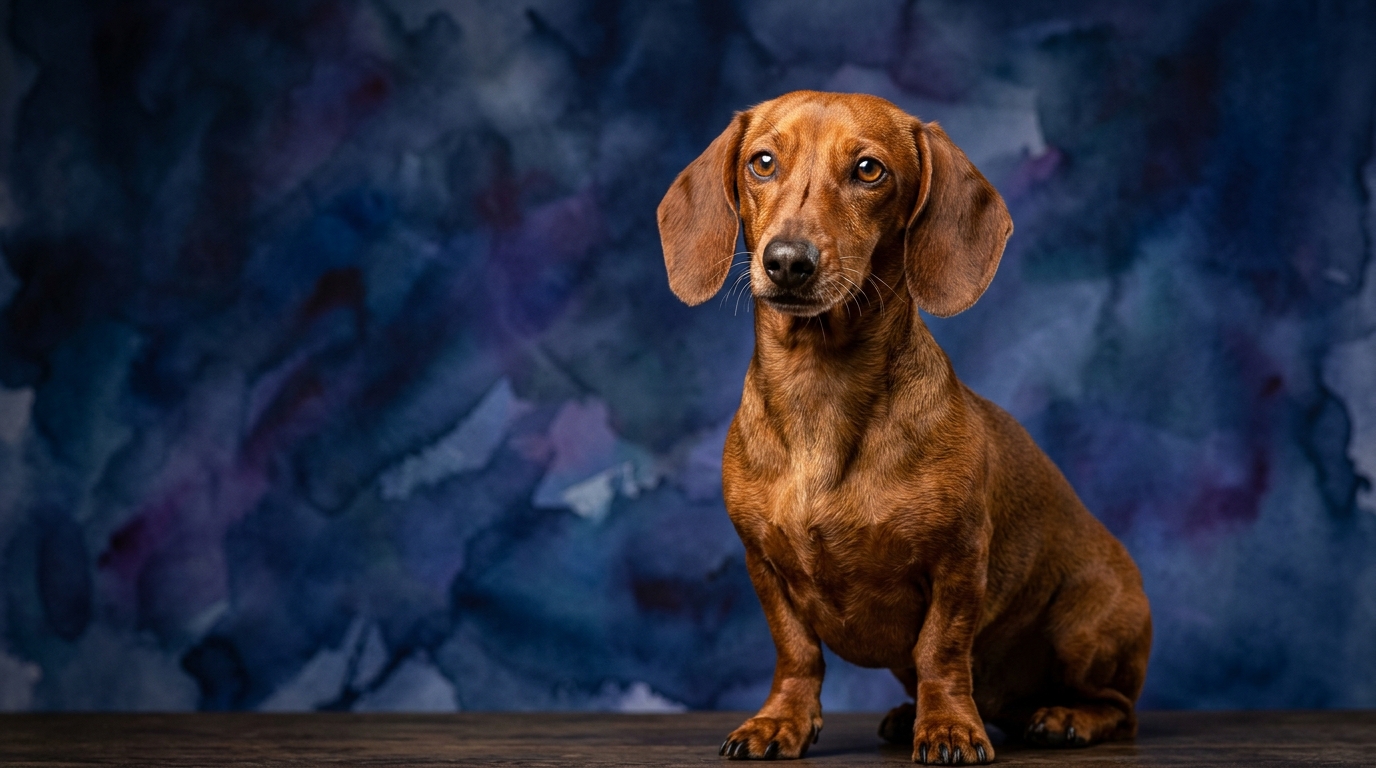
At The Cosmic Pet Pet IQ Lab, we dissect canine intelligence into five key dimensions: Problem Solving, Training Speed, Social Intelligence, Instinctive Drive, and Memory. The Dachshund, a small but formidable hound, boasts a Coren rank of #49, placing it firmly in the above-average working intelligence category. Its profile is marked by exceptional Problem Solving (4/5) and a very high Instinctive Drive (5/5), reflecting its heritage as a tenacious badger hunter. However, its Training Speed is rated lower at 2/5, suggesting a more independent learning curve. Social Intelligence and Memory both sit at a moderate 3/5, indicating a capable but not overly compliant companion.
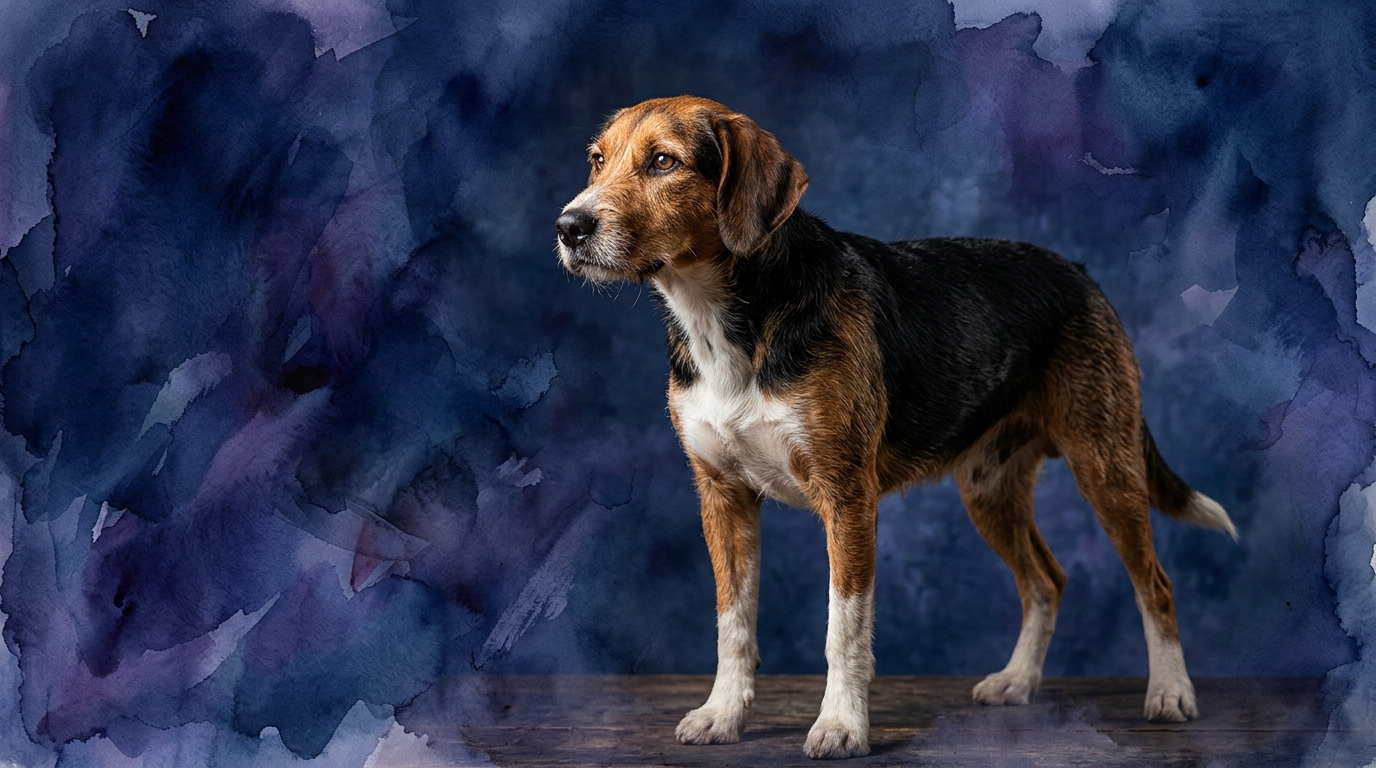
In contrast, the Harrier presents a more uniformly balanced cognitive profile, without a specific Coren ranking, often characteristic of breeds whose roles prioritize pack cooperation over individual obedience. This breed scores a consistent 3/5 across all five IQ dimensions: Problem Solving, Training Speed, Social Intelligence, Instinctive Drive, and Memory. This equilibrium suggests a breed that is neither an extreme specialist nor a cognitive outlier in any single area. Instead, the Harrier's intelligence is geared towards adaptability and harmonious functioning within a group, a testament to its history as a pack hunting dog. These foundational differences provide a compelling framework for understanding their distinct behaviors and suitability for various lifestyles.
Dachshund's Cognitive Edge: The Tenacious Thinker
The Dachshund's standout cognitive strengths lie in its Problem Solving (4/5) and Instinctive Drive (5/5). This breed excels at independent thought and figuring out complex environmental challenges, a skill honed over centuries of navigating subterranean tunnels to flush out prey. When faced with an obstacle, a Dachshund is likely to employ creative, often persistent, strategies to overcome it, whether it's extracting a toy from under furniture or finding a way around a closed door. This isn't about following human directives, but about applying their own intellect to achieve a desired outcome.
Their extremely high Instinctive Drive fuels this tenacity. Once a Dachshund locks onto a scent, a perceived 'prey' (like a squirrel), or a goal, their focus can be singular and intense. This drive makes them relentless in their pursuits, demonstrating a powerful will that, while impressive for its original purpose, can sometimes be perceived as stubbornness in a domestic setting. This combination of shrewd problem-solving and unyielding drive means Dachshunds are constantly assessing their environment and acting on their impulses, making them engaging, albeit sometimes challenging, companions that demand consistent mental engagement and clear boundaries.
Harrier's Balanced Intellect: The Cooperative Companion
The Harrier's cognitive strengths stem from its balanced profile, with all five IQ dimensions rated at 3/5. While lacking the extreme scores of the Dachshund, this equilibrium makes Harriers highly adaptable and cooperative, traits essential for their historical role as pack hunters. Their Problem Solving at 3/5 indicates a capable mind that can learn and adapt, but perhaps without the intense, independent strategizing seen in the Dachshund. They are more likely to look to their human 'pack leader' for guidance rather than attempting to solve every puzzle on their own.
Crucially, the Harrier's moderate Instinctive Drive (3/5) allows for a more manageable focus compared to the Dachshund's intense single-mindedness. While they possess a keen nose and enjoy tracking, their drive is typically channeled more readily into cooperative activities like structured walks or games with their family. Their Social Intelligence (3/5), on par with the Dachshund, combined with their balanced drive, makes them excellent integrators into family life, thriving on interaction and participation. This breed offers a consistent, amiable intelligence that values teamwork and companionship, making them reliable and agreeable partners in various activities.
Training Dynamics: Patience vs. Persistence
Comparing the Training Speed scores, the Dachshund (2/5) generally requires more patience and creative motivation than the Harrier (3/5). Dachshunds are not unintelligent, but their strong independent problem-solving and innate drive mean they often prefer to apply their intellect to their own agenda rather than immediate obedience. They can be prone to selective hearing, evaluating whether a command aligns with their current interests. Effective training for a Dachshund necessitates consistency, engaging methods, and a deep understanding of their independent spirit, turning training into a collaborative challenge rather than a simple instruction-following exercise. Owners must be prepared for repetition and to make training feel like a rewarding game to capture their attention.
Harriers, with their 3/5 training speed, tend to be more responsive and generally easier to train using standard methods. Their balanced drive and social intelligence make them more inclined to work cooperatively with their human companions. While they are still hounds with a strong sense of smell that can distract them, Harriers are typically less prone to the outright stubbornness that can characterize a Dachshund. Their learning curve is more consistent, making basic obedience and even some advanced tasks achievable with dedication and positive reinforcement. They thrive on clear communication and appreciate being part of a structured routine, making them rewarding students for most owners.
Lifestyle Alignment: Active Explorers vs. Dedicated Companions
When considering lifestyle, the Dachshund's high instinctive drive and problem-solving demand specific outlets. Owners who enjoy engaging their dog in scent work, puzzle toys, or activities that mimic their hunting heritage, such as earthdog trials, will find a rewarding partnership. These dogs thrive with owners who can provide consistent mental stimulation and clear boundaries to channel their independent nature. While their short legs limit sustained high-impact activity, their minds require constant engagement, making them suitable for owners who appreciate a clever, tenacious companion and are prepared to manage a strong-willed personality.
The Harrier's balanced temperament and moderate drive make them adaptable to a wider range of active lifestyles without the intense, single-minded focus of the Dachshund. They thrive on regular exercise, enjoying brisk walks, runs, and outdoor adventures, but are generally content to relax at home once their physical and mental needs are met. Their cooperative nature makes them excellent family dogs who enjoy being involved in daily activities and spending time with their human 'pack.' Harriers are suited for active individuals or families who seek a sociable, energetic companion that is eager to participate in shared experiences and provides steady, amiable companionship without extreme demands on their problem-solving skills.
The Verdict
Choose a Dachshund if you appreciate a clever, independent thinker with a strong will and are prepared to engage their mind with consistent, creative training and activities that channel their tenacious drive.
Opt for a Harrier if you seek a cooperative, balanced companion who learns steadily, enjoys an active lifestyle with their human pack, and thrives on social interaction rather than intense independent pursuits.
🧠 Find Your Pet's IQ Score
Our Pet IQ Lab assessment covers 25+ tests across 5 cognitive dimensions — personalized to your breed.
Take the Full IQ Test →Frequently Asked Questions
Are Dachshunds hard to train?
Dachshunds can present a training challenge due to their independent problem-solving skills and high instinctive drive, which can translate into stubbornness. While capable of learning, they require consistent, positive reinforcement and engaging methods to overcome their desire to do things their own way.
How active does a Harrier need to be?
Harriers are active dogs requiring regular exercise, including daily walks or runs, to satisfy their moderate instinctive drive and maintain their physical condition. They thrive on outdoor activities and benefit from owners who can provide consistent opportunities for movement and exploration.
Which breed is better with children?
Both breeds can be good with children, but the Harrier's balanced social intelligence and cooperative nature might make them a slightly more consistent choice for families willing to manage their energy. Dachshunds can be affectionate but might be less tolerant of rough play due to their delicate backs and independent streak, making careful supervision essential.