A Side-by-Side Cognitive Profile
Understanding a breed's intelligence goes beyond simple obedience; it encompasses a spectrum of cognitive abilities that shape their behavior and interaction with the world. The Cosmic Pet Pet IQ Lab evaluates five key dimensions: Problem Solving, Training Speed, Social Intelligence, Instinctive Drive, and Memory. Let's delve into how the Dachshund and Havanese measure up.
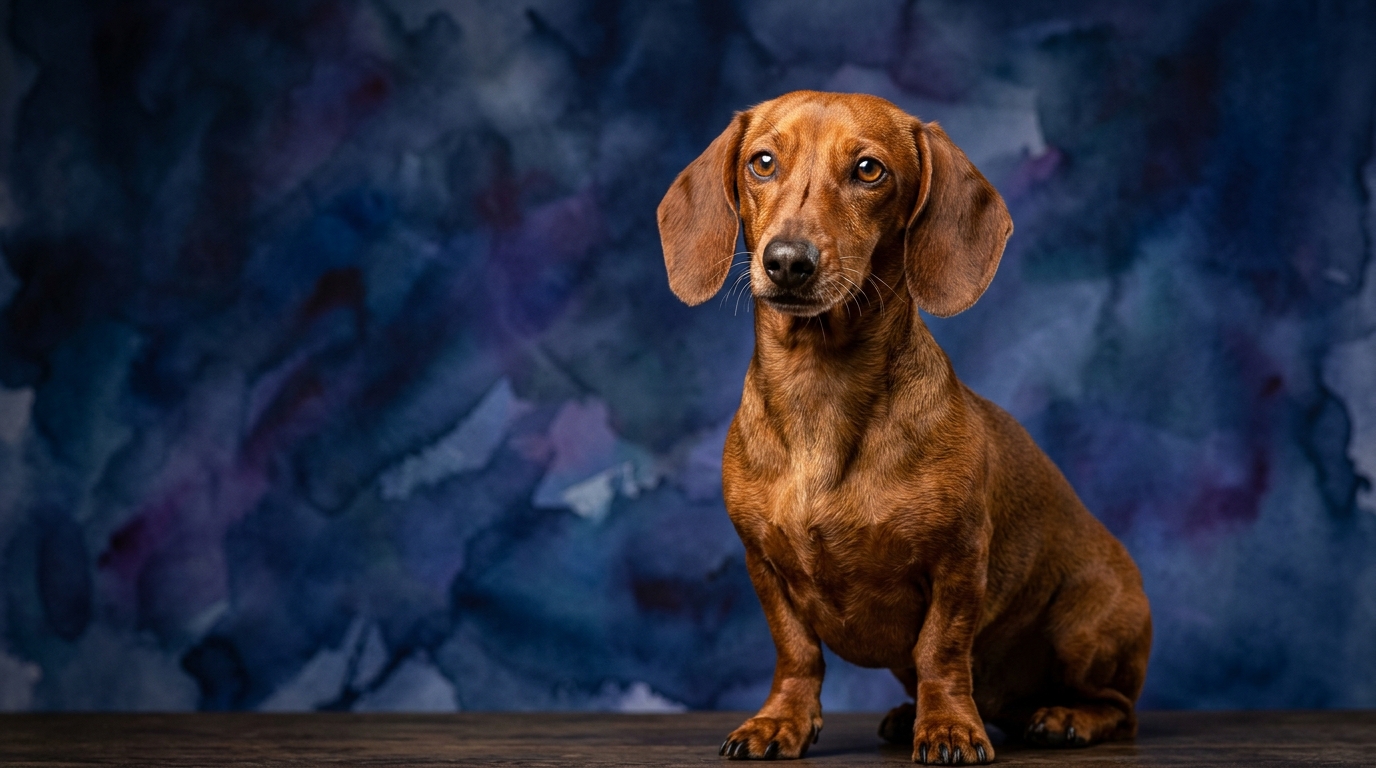
The Dachshund, a hound breed, exhibits a strong aptitude for Problem Solving, earning a 4/5. This manifests in their remarkable ability to figure out how to navigate obstacles or access desired items, often employing tenacity and cleverness to achieve their goals. However, their Training Speed is rated 2/5, indicating they can be slower to grasp new commands due to their independent nature and strong focus on their own objectives. Their Social Intelligence stands at 3/5; they form deep bonds with their immediate family but might be more reserved around strangers. The Dachshund's Instinctive Drive is exceptionally high at 5/5, reflecting their heritage as hunters with an intense focus on scent work and pursuit. Memory for this breed is a moderate 3/5, meaning they retain learned behaviors and experiences but their powerful instincts can sometimes override recall.
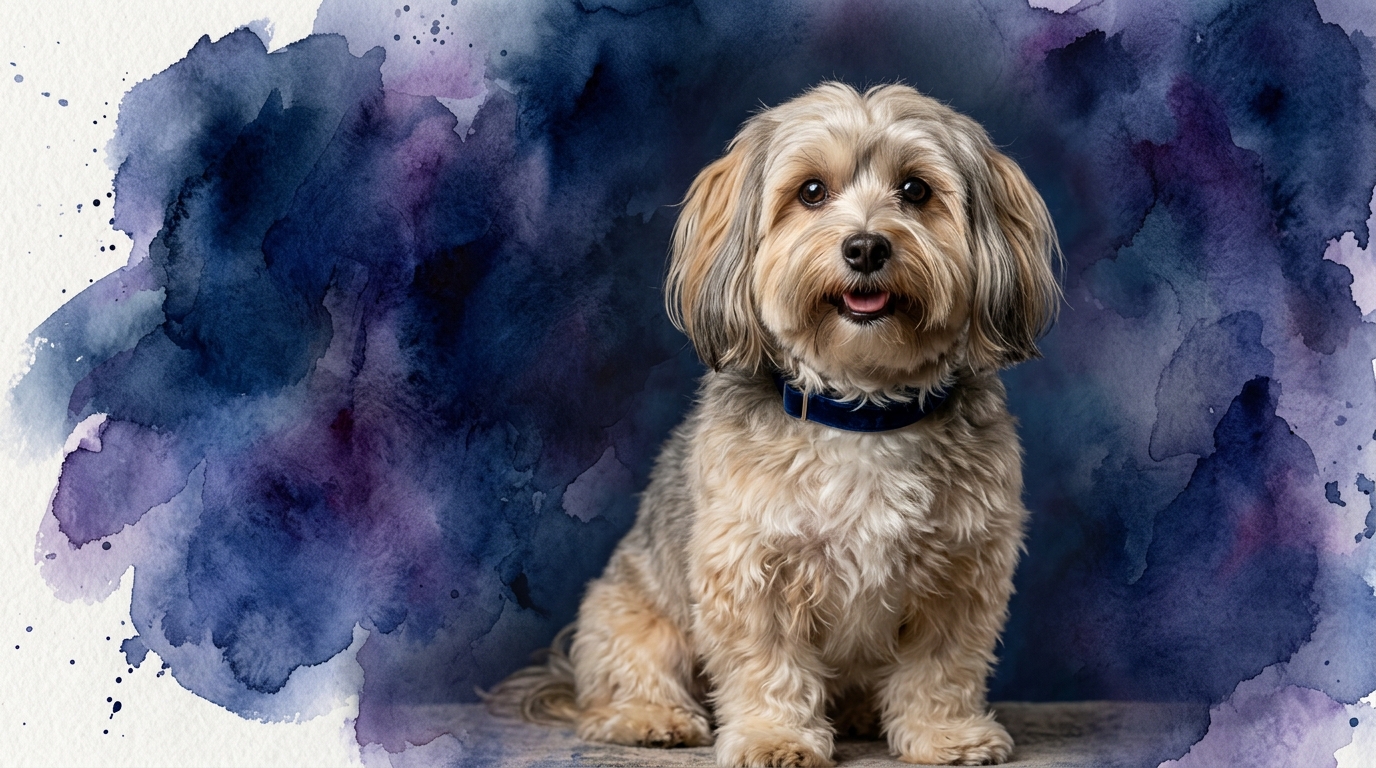
In contrast, the Havanese, a toy breed, shows a Problem Solving score of 3/5. They are capable of navigating moderate challenges, often using their innate charm and understanding of human behavior to achieve their aims. Their Training Speed is 3/5, suggesting a moderate pace of learning new commands, often driven by their desire for interaction and positive reinforcement. Where the Havanese truly shines is in Social Intelligence, scoring a perfect 5/5. These dogs are profoundly attuned to human emotions and social cues, thriving on companionship and interaction. Their Instinctive Drive is quite low at 2/5, as their primary role historically has been that of a companion rather than a working dog. Like the Dachshund, the Havanese also has a Memory score of 3/5, capable of recalling routines and pleasant experiences, which enhances their social bond.
Where the Dachshund's Mind Excels
The Dachshund's cognitive strengths are deeply rooted in their original purpose. Their 4/5 Problem Solving score means they are adept at practical, goal-oriented tasks. For instance, a Dachshund presented with a puzzle feeder will likely exhibit persistent effort, trying various methods until they succeed in extracting the treat, not giving up easily. This isn't abstract reasoning but rather a determined application of trial and error, often combined with an impressive ability to remember what has worked before. Their exceptional 5/5 Instinctive Drive further reinforces this; when a Dachshund catches a scent, their cognitive focus narrows intensely, allowing them to track and pursue with unwavering dedication. This drive makes them excellent candidates for scent work or earth dog activities, where their natural inclinations are channeled productively. Their mental framework is geared towards independent action and overcoming physical obstacles to achieve a desired outcome.
The Havanese's Unique Cognitive Strengths
The Havanese's cognitive advantages lie in their profound understanding of the social world, reflected in their stellar 5/5 Social Intelligence. These dogs are masters at reading human body language, tone of voice, and emotional states, often adjusting their behavior to elicit a desired response, whether it's comforting a sad owner or initiating play with a joyful one. This social acumen means they are highly empathetic and intuitive companions, making them exceptionally good at forming deep, reciprocal bonds. While their Problem Solving is a respectable 3/5, they often leverage their social skills to "solve" problems, for example, by charming a treat out of a human rather than figuring out a complex mechanism. Their cognitive processes are heavily weighted towards interaction and connection, making them remarkably sensitive to their human family's needs and moods, a trait that enhances their role as dedicated companions.
Training Dynamics: Dachshund vs. Havanese
When it comes to training, the cognitive profiles of these two breeds lead to distinctly different experiences. The Havanese, with a Training Speed of 3/5 and a high Social Intelligence of 5/5, tends to be more receptive to instruction. They are eager to please their human companions and thrive on positive reinforcement and interactive learning sessions. A Havanese will often look to their owner for guidance, making them generally more straightforward to teach basic commands and house manners. Their desire for social engagement means they view training as a fun, bonding activity.
Conversely, the Dachshund's Training Speed of 2/5, coupled with their strong 5/5 Instinctive Drive and 4/5 Problem Solving, can make training a more patient endeavor. Dachshunds possess an independent spirit; if a scent trail or the prospect of digging is more interesting than a "sit" command, their mind will prioritize their instinctual drive. They are capable of learning, but their determination to follow their own agenda means owners must be consistent, engaging, and understand that repetition and high-value rewards are key. Their problem-solving skills might even be applied to figuring out how to get around a command rather than directly complying, requiring a clever training approach.
Lifestyle Compatibility: Active Explorers vs. Social Butterflies
Considering their cognitive makeup, the Dachshund and Havanese appeal to different owner lifestyles. The Dachshund, with its intense 5/5 Instinctive Drive and 4/5 Problem Solving, is best suited for owners who enjoy engaging with a dog's natural hunting tendencies. While they are small, they are not fragile couch potatoes. They need opportunities for mental stimulation that tap into their tracking abilities, such as scent games, puzzle toys, or structured walks where they can explore and follow interesting smells. Owners who appreciate a dog with a tenacious spirit and are willing to provide outlets for their independent, exploratory nature will find a rewarding companion. They might seem relaxed indoors, but their minds are always seeking engagement.
The Havanese, with its outstanding 5/5 Social Intelligence and lower 2/5 Instinctive Drive, thrives in environments where social interaction is paramount. They are perfectly content with moderate daily exercise, like walks or playtime in the yard, but their true need is for companionship and mental engagement through human interaction. They are adaptable to apartment living or larger homes, as long as they are an integral part of family activities. Owners who desire a constant, emotionally responsive shadow, a dog that participates in daily life from quiet evenings to social gatherings, will find the Havanese's cognitive profile aligns perfectly with their desire for a devoted, interactive companion. Their cognitive strength is in their ability to connect and respond socially, making them excellent partners for relaxed, family-oriented lifestyles.
The Verdict
Choose a Dachshund if you appreciate a tenacious, independent companion with a keen problem-solving mind and a strong drive for exploration, and are prepared for patient, consistent training to channel their instincts.
Opt for a Havanese if you desire an exceptionally social, emotionally intelligent companion who thrives on interaction and is eager to please, making them a responsive and devoted family member.
🧠 Find Your Pet's IQ Score
Our Pet IQ Lab assessment covers 25+ tests across 5 cognitive dimensions — personalized to your breed.
Take the Full IQ Test →Frequently Asked Questions
Are Dachshunds difficult to train because of their problem-solving skills?
Dachshunds are not necessarily difficult to train, but their independent problem-solving (4/5) and high instinctive drive (5/5) mean they prioritize their own interests. Training requires consistency, patience, and making the desired behavior more rewarding than their natural inclinations, often involving high-value treats and engaging methods.
Do Havanese dogs require a lot of mental stimulation?
While their instinctive drive is low (2/5), Havanese dogs absolutely require mental stimulation, primarily through social interaction (5/5). They thrive on being involved in family activities, learning new tricks, and playing interactive games that engage their social intelligence and desire for companionship, rather than intense physical challenges.
Which breed is generally better suited for first-time dog owners?
The Havanese is often considered a more straightforward choice for first-time dog owners due to their higher social intelligence (5/5) and moderate training speed (3/5), making them more responsive to guidance. Dachshunds, with their stronger independent streak and lower training speed (2/5), may require more experience and patience to manage effectively.