
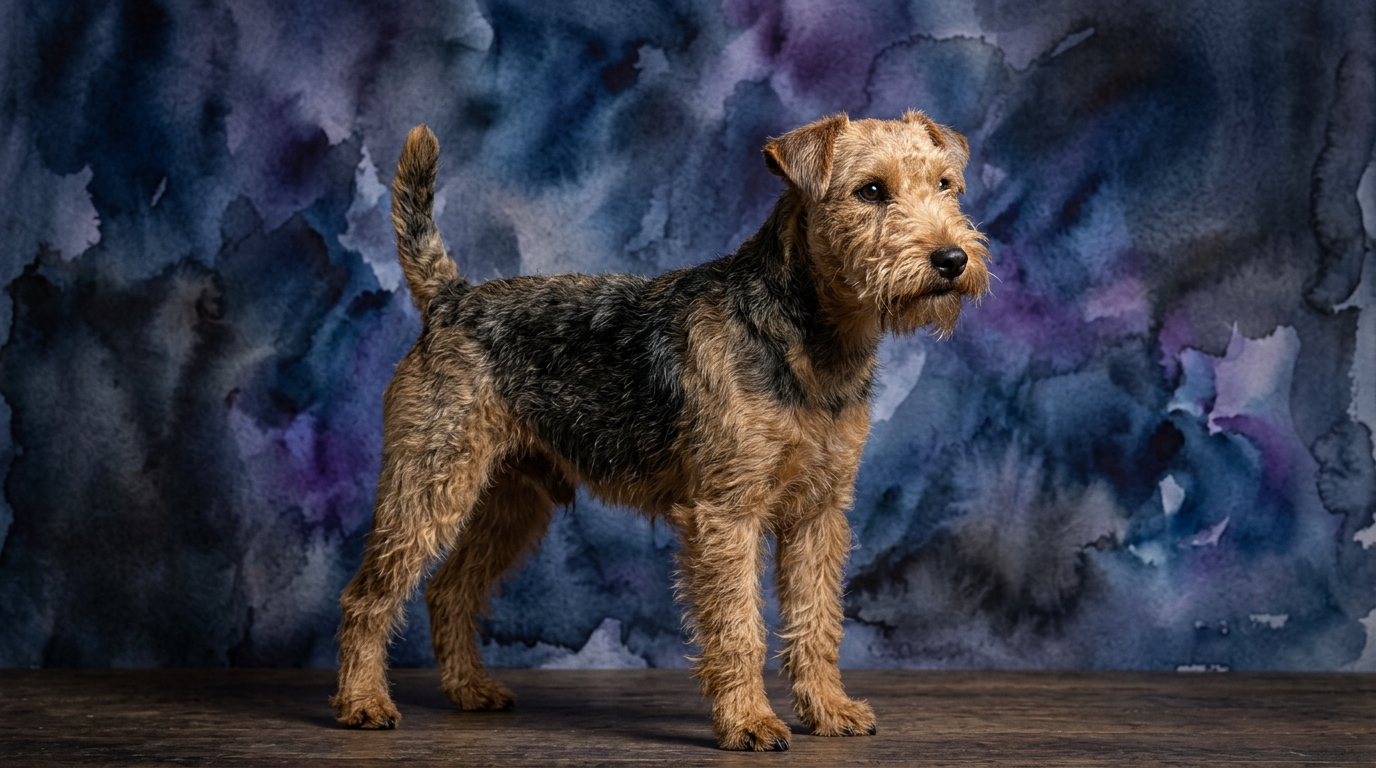
Side-by-Side Cognitive Profile: Dachshund vs. Lakeland Terrier
The Dachshund, a hound group member, presents a distinctive cognitive blueprint, reflecting its historical role. Their Problem Solving ability rates at a robust 4 out of 5, indicating a strong capacity for independent thought and figuring out complex situations, often driven by their keen senses. However, their Training Speed scores lower at 2 out of 5, suggesting they may take longer to grasp human commands or require more repetition to solidify learned behaviors. Social Intelligence is marked at 3 out of 5, reflecting an adequate understanding of social cues within their pack or family, but perhaps with a degree of selective engagement. A standout feature is their Instinctive Drive, rated a powerful 5 out of 5; this breed possesses an intense, unwavering focus on their original hunting purpose, particularly scent tracking and pursuing quarry. Their Memory is assessed at 3 out of 5, indicating an average recall of experiences and learned information.
In contrast, the Lakeland Terrier, a member of the terrier group, exhibits a more balanced cognitive profile across several dimensions. Their Problem Solving capability stands at 3 out of 5, showing they can navigate challenges and learn from experience, though perhaps with less independent ingenuity than the Dachshund in certain contexts. Training Speed for the Lakeland Terrier is a solid 3 out of 5, implying a reasonable readiness to learn and respond to training cues, making them generally more amenable to instruction. Like the Dachshund, their Social Intelligence is rated 3 out of 5, suggesting a similar level of awareness and responsiveness to social dynamics within their human family. The Lakeland’s Instinctive Drive is also rated 3 out of 5, indicating a present but more modulated drive compared to the Dachshund's intense focus, geared towards their terrier role of dispatching vermin. Their Memory is also rated 3 out of 5, suggesting an average capacity for retaining information and past events.
Where the Dachshund Excels Cognitively
When examining cognitive strengths, the Dachshund demonstrably excels in two key areas: Problem Solving and Instinctive Drive. Their 4/5 Problem Solving score means a Dachshund is adept at independently navigating and overcoming obstacles to achieve a desired outcome, a trait often observed when they are determined to reach a forbidden treat or burrow under a blanket. This isn't just about simple curiosity; it's about persistent, often creative, application of effort to solve a physical puzzle. Coupled with their unparalleled 5/5 Instinctive Drive, the Dachshund possesses an unwavering tenacity for tasks rooted in their heritage, particularly scent work. This intense drive, while sometimes challenging in domestic settings, translates into an exceptional focus and endurance for activities that tap into their deep-seated hunting instincts, making them formidable in earth dog trials or advanced scent detection games where sustained, independent effort is paramount. Owners who appreciate and can channel this deep-seated, self-directed mental energy will find the Dachshund's cognitive strengths truly shine.
Where the Lakeland Terrier Shines Cognitively
The Lakeland Terrier, while exhibiting a different cognitive emphasis, shows a clear advantage in one crucial dimension: Training Speed. With a score of 3 out of 5, the Lakeland Terrier generally processes and internalizes new commands and routines more readily than the Dachshund. This means they are often quicker to form associations between cues and desired behaviors, making initial training sessions potentially more fluid and rewarding for both dog and handler. Their balanced 3/5 Instinctive Drive also contributes positively here; while they possess the terrier's characteristic determination, it is less singularly focused than the Dachshund's, allowing for a more open receptiveness to human direction rather than being solely driven by an internal, singular objective. This capacity for quicker learning and adaptability makes the Lakeland Terrier a more responsive student in a wider array of obedience and agility disciplines, where timely compliance and varied skill acquisition are valued.
Training Dynamics: Which Breed is Easier to Train?
When considering ease of training, the Lakeland Terrier generally holds an edge over the Dachshund, primarily due to their respective scores in Training Speed and the nature of their Instinctive Drive. The Lakeland's 3/5 Training Speed indicates a moderate willingness to learn and accept guidance, translating to a dog that is often more receptive to cues and quicker to pick up new behaviors. Their 3/5 Instinctive Drive, while still robust, is typically more manageable and can be channeled effectively into cooperative tasks without overwhelming their capacity for human-directed learning. In contrast, the Dachshund's 2/5 Training Speed suggests a more deliberate, often independent, approach to learning from human instruction. Their unparalleled 5/5 Instinctive Drive means they are profoundly motivated by their own internal impulses, such as scent tracking or burrowing, which can often override human commands if not carefully managed. A Dachshund might understand what is asked but choose to prioritize a compelling scent or a perceived 'mission,' making consistent obedience a longer-term endeavor requiring immense patience and creative motivation from their handler. While both breeds are capable of learning, the Lakeland Terrier typically offers a smoother, more direct training journey due to their greater inherent responsiveness and balanced drives, whereas training a Dachshund often involves more strategic motivation and understanding their deeply ingrained independent spirit.
Matching Cognitive Profiles to Owner Lifestyles
The cognitive profiles of these two breeds suggest different ideal matches for owner lifestyles. For owners seeking a companion for highly focused, instinct-driven activities, the Dachshund's potent 5/5 Instinctive Drive and 4/5 Problem Solving abilities make them an exceptional choice. They excel in tasks like earth dog trials or advanced scent detection, where their unwavering tenacity and independent thinking are assets. This breed thrives when their deep-seated cognitive strengths are challenged, making them a poor fit for truly 'relaxed' owners who prefer minimal engagement, as their drive requires consistent, purposeful outlets. The Lakeland Terrier, with its balanced 3/5 Instinctive Drive and 3/5 Training Speed, offers a more adaptable companion for active owners. They are well-suited for a broader range of activities like agility, hiking, or general obedience, where their responsiveness and versatility shine. While not a sedentary breed, the Lakeland can integrate more smoothly into a moderately active household that values varied mental and physical stimulation. For a genuinely relaxed owner, neither breed is a perfect fit due to their inherent cognitive needs, but the Lakeland's more balanced drive and training speed might make them marginally easier to manage than the intensely driven Dachshund, provided basic mental engagement is consistently provided.
The Verdict
Choose a Dachshund if you are prepared to channel a profound, independent problem-solver with an intense, singular instinctive drive into activities like advanced scent work or earth dog trials, appreciating their tenacious spirit.
Opt for a Lakeland Terrier if you desire a responsive, versatile companion for a variety of active pursuits, valuing their quicker training speed and more balanced, adaptable cognitive approach.
🧠 Find Your Pet's IQ Score
Our Pet IQ Lab assessment covers 25+ tests across 5 cognitive dimensions — personalized to your breed.
Take the Full IQ Test →Frequently Asked Questions
Are Dachshunds stubborn or just independent thinkers?
Dachshunds are often perceived as stubborn due to their 5/5 Instinctive Drive and 2/5 Training Speed. This isn't necessarily defiance, but rather a strong inclination to follow their own independent problem-solving instincts, especially when a compelling scent or 'mission' presents itself, making them more self-directed learners.
Can a Lakeland Terrier live happily in an apartment?
Yes, a Lakeland Terrier can adapt to apartment living provided their cognitive and physical needs are met with consistent daily exercise and mental stimulation. Their 3/5 Instinctive Drive means they require engagement to prevent boredom, which can manifest as unwanted behaviors if not properly channeled.
Which breed is better for a first-time dog owner regarding intelligence?
For a first-time dog owner, the Lakeland Terrier might present a slightly smoother experience due to their 3/5 Training Speed and more balanced 3/5 Instinctive Drive, making them generally more responsive to initial training efforts. The Dachshund's intense drive and independent problem-solving require a more experienced hand to channel effectively.