
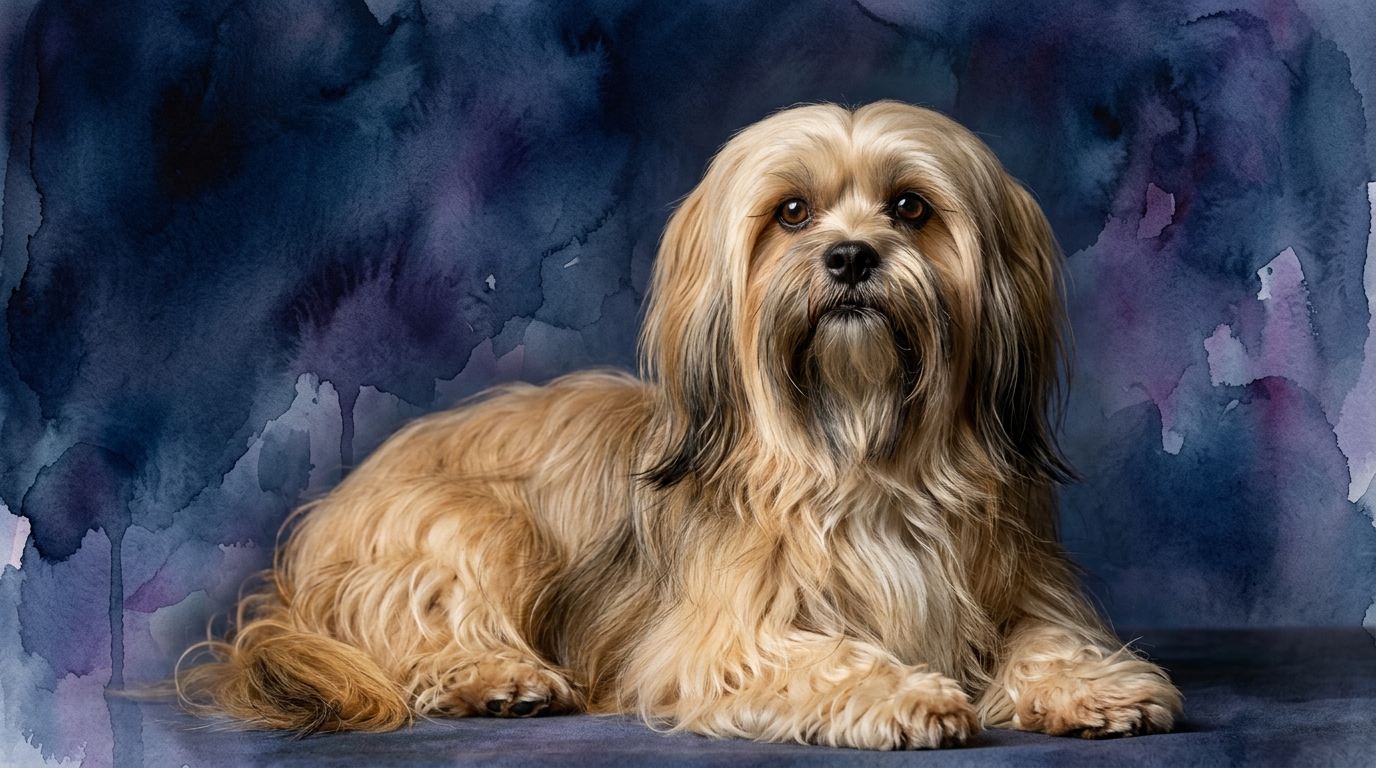
Side-by-Side Cognitive Profile: Dachshund vs. Lhasa Apso
To understand these breeds, The Cosmic Pet Pet IQ Lab employs a five-dimensional cognitive framework. For the Dachshund (Coren rank #49, Hound group), problem-solving scores 4/5, indicating a strong capacity for independent thought and overcoming obstacles, often tied to their tenacious nature. Their training speed is 2/5, reflecting a selective compliance, while social intelligence is 3/5, suggesting a moderate understanding of human cues alongside their own agenda. Instinctive drive is a standout 5/5, profoundly influencing their behavior, and memory is 3/5, allowing for recall of routines and experiences. This profile paints a picture of a resourceful, driven canine.
The Lhasa Apso (Coren rank #68, Non-Sporting group) presents a different cognitive landscape. Their problem-solving ability is 3/5, demonstrating practical intelligence, often focused on comfort and security. Training speed scores 3/5, indicating a moderate willingness to learn with proper motivation. Social intelligence is 3/5, showing an aptitude for reading family dynamics and forming strong, though sometimes independent, bonds. Instinctive drive is 3/5, primarily manifesting as alertness and territorial awareness rather than a strong prey drive. Memory is 3/5, enabling them to navigate household routines and remember associations. This breed offers a thoughtful, adaptable companion.
Where the Dachshund's Cognition Shines
The Dachshund's cognitive strengths are deeply rooted in their original purpose: hunting. Their 4/5 problem-solving ability is not merely about learning tricks, but about persistent, often creative, methods to achieve a goal. Whether it's tunneling under blankets to reach a toy or figuring out how to open a cupboard, their tenacity is unmatched. This is intrinsically linked to their exceptional 5/5 instinctive drive, which fuels an unwavering focus on scent and exploration. They process environmental cues with an intensity that allows them to excel in activities like scent work or tracking, demonstrating a profound, innate intelligence for their specialized tasks. This breed exemplifies a mind wired for determined pursuit and independent navigation.
Where the Lhasa Apso's Cognition Excels
The Lhasa Apso's cognitive advantages lie in their balanced approach to learning and social adaptability. While their problem-solving is a solid 3/5, their slightly higher 3/5 training speed compared to the Dachshund's 2/5 indicates a more cooperative disposition towards structured learning, provided the motivation is compelling. They possess a keen social intelligence (3/5), allowing them to subtly understand household dynamics and their human companions' moods, often using this awareness to secure comfort or attention. Their cognitive strength is less about raw drive and more about a thoughtful, observant nature that enables them to integrate smoothly into family life, adapting routines and responding to nuanced communication. They are adept at learning within a social context.
Training Dynamics: Dachshund vs. Lhasa Apso
Training effectiveness often boils down to a breed's willingness to engage with human directives, and here, the Lhasa Apso generally presents a smoother path. Their 3/5 training speed suggests a moderate readiness to learn, responding well to positive reinforcement and clear, consistent methods. While they can have an independent streak, their historical role as companions fosters a readiness to comply when expectations are well-communicated and rewarding. They observe, adapt, and learn routines, making them receptive to varied training approaches.
Conversely, the Dachshund's 2/5 training speed and formidable 5/5 instinctive drive can make training a more significant endeavor. Their attention is easily captivated by scents or perceived 'prey,' often overriding human commands. Their problem-solving ability is frequently applied to their own agenda, requiring owners to be exceptionally patient, creative, and consistent. Training a Dachshund is about making compliance more rewarding than their independent pursuits, often by incorporating their natural drives into games and tasks. They are capable learners, but their strong will and focus on their own perceived 'work' necessitate a very specific and engaging approach to achieve consistent results.
Matching Breeds to Owner Lifestyles
For active owners, the Dachshund offers a spirited companion who thrives on mental and physical engagement. Their high instinctive drive means they need daily opportunities to explore, sniff, and solve problems. This doesn't necessarily mean long runs, but rather engaging walks, scent games, and puzzle toys that challenge their tenacious minds. An owner who enjoys channeling a dog's natural instincts, managing a strong personality, and providing consistent, stimulating interaction will find the Dachshund a rewarding match. They are best suited for those who appreciate a dog with a profound sense of purpose and are prepared to facilitate that drive.
The Lhasa Apso, with its moderate instinctive drive and focus on companionship, often aligns better with relaxed owners who still prioritize daily engagement. They enjoy comfortable routines, moderate walks, and indoor play, combined with consistent social interaction. Their mental stimulation comes from interactive toys, short training sessions, and observing their surroundings from a comfortable vantage point. Owners who value a loyal, watchful presence, appreciate a dog that is adaptable to household life, and prefer a less demanding outdoor exercise routine will find the Lhasa Apso an excellent fit. They offer a balance of calm companionship and alert interaction.
The Verdict
Opt for a Dachshund if you are an owner who appreciates a tenacious, problem-solving companion with an independent spirit and a profound connection to their primal drives, ready to engage them daily with scent work and creative training.
Select a Lhasa Apso if you seek a loyal, watchful companion who thrives on comfortable routines, moderate activity, and consistent social interaction, and you are prepared to engage their adaptable social intelligence with gentle, rewarding training methods.
🧠 Find Your Pet's IQ Score
Our Pet IQ Lab assessment covers 25+ tests across 5 cognitive dimensions — personalized to your breed.
Take the Full IQ Test →Frequently Asked Questions
Are Dachshunds difficult to train due to their stubbornness?
Dachshunds can be perceived as stubborn because their strong instinctive drives often take precedence over human commands, leading to selective hearing. Successful training requires immense patience, consistency, and making learning highly engaging, often by incorporating their natural desire to hunt and explore into the process.
What kind of mental stimulation do Lhasa Apsos need?
Lhasa Apsos benefit from mental stimulation that aligns with their observant and companionable nature. This includes interactive puzzle toys, short, positive reinforcement-based training sessions, and opportunities to observe their environment, such as from a window perch. Consistent social interaction is also key to their well-being.
How do their social intelligence scores (3/5 for both) differ in practice?
While both score 3/5, the practical manifestation differs: the Dachshund's social intelligence is often balanced by their independent drive, meaning they understand cues but might prioritize their own agenda. The Lhasa Apso's social intelligence often leans towards understanding household dynamics and human moods to maintain comfort and secure interaction, making them subtly adaptive companions.