
Side-by-Side Cognitive Profiles: Dachshund vs. Maltese
The Cosmic Pet Pet IQ Lab provides a detailed framework for understanding canine intelligence, breaking it down into five key dimensions. For the Dachshund, a breed originally developed for badger hunting, its cognitive profile reflects a history of independent work and persistence. Its Problem Solving score of 4/5 indicates a capacity for figuring out complex tasks on its own, often driven by instinct. Training Speed, at 2/5, suggests they can be slower to pick up new commands, frequently preferring to follow their own agenda. Social Intelligence, rated 3/5, shows an awareness of human cues but often balanced with a strong sense of self-direction. A dominant Instinctive Drive of 5/5 highlights their powerful urge to hunt, track, and burrow, which heavily influences their behavior. Memory, at 3/5, signifies an average ability to retain information and learned behaviors.
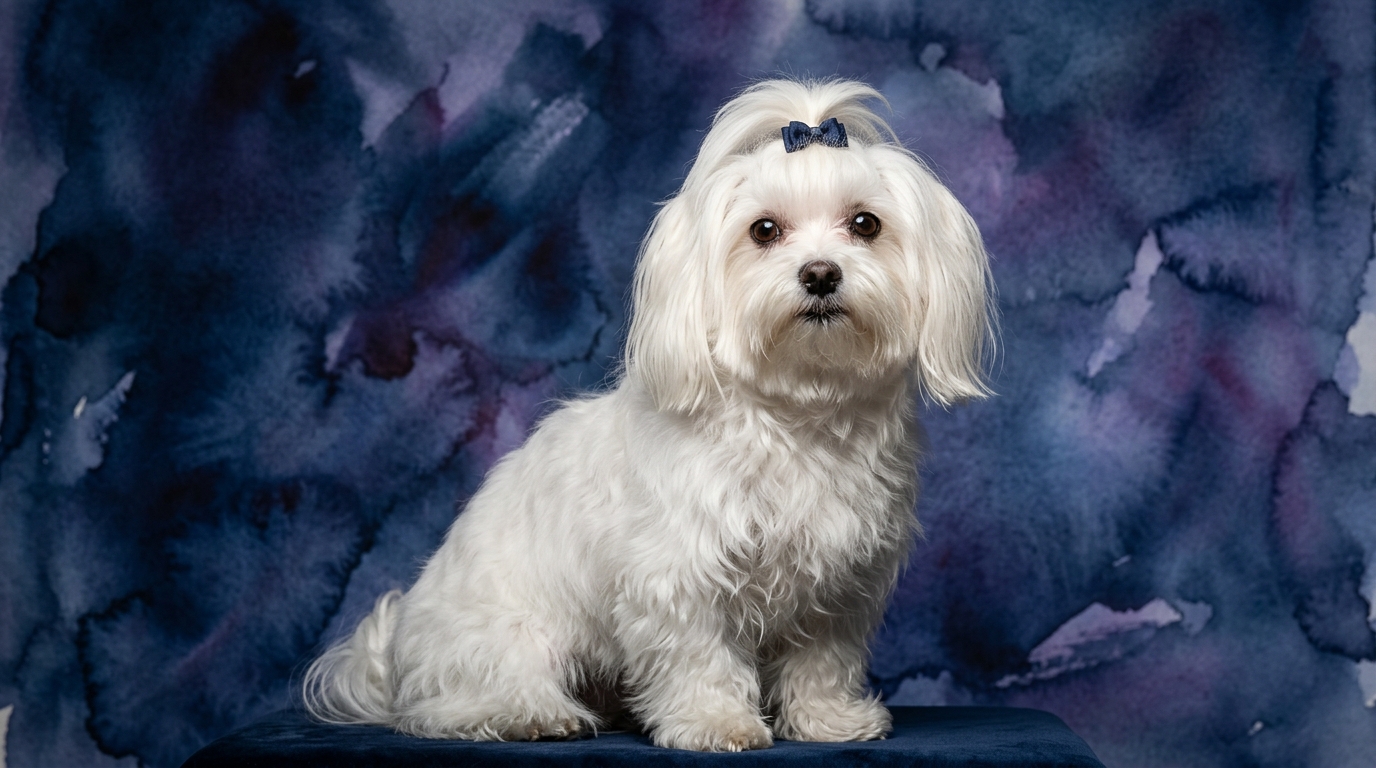
In contrast, the Maltese, a quintessential companion breed, presents a cognitive profile optimized for close human interaction. Its Problem Solving score of 3/5 indicates a moderate capacity for independent task resolution, often preferring to involve their human counterparts. Training Speed, at 3/5, suggests they learn at an average pace, responsive to positive reinforcement and engagement. A standout Social Intelligence score of 5/5 reveals their exceptional ability to read and respond to human emotions, intentions, and communication, making them highly attuned companions. Their Instinctive Drive, a modest 2/5, means they possess a relatively low intrinsic urge to perform traditional working tasks, prioritizing social connection instead. Memory, like the Dachshund, is rated 3/5, indicating an average recall for experiences and training.
Where the Dachshund Excels Cognitively
The Dachshund's cognitive strengths are deeply rooted in its original purpose as a hunting dog, particularly its prowess in problem-solving and an overwhelming instinctive drive. With a Problem Solving score of 4/5, these dogs demonstrate a remarkable ability to navigate complex environments and overcome obstacles independently. This isn't about solving puzzles for treats, but rather the tenacious mental fortitude to outwit prey or find a way through challenging terrain. Their historical role required them to think on their paws, making decisions underground without human direction, a trait that manifests today as a determined and sometimes stubborn independence.
Furthermore, their Instinctive Drive, rated 5/5, is a powerful cognitive force. This isn't just a physical urge; it's a mental blueprint that directs their focus, energy, and decision-making. A Dachshund's mind is often occupied with scents, the possibility of digging, or the pursuit of small critters. This drive fuels their persistence and focus when engaged in activities that tap into these innate tendencies, making them formidable in scent work or earthdog trials where sustained, self-directed effort is paramount. Their intelligence in these areas is less about quick obedience and more about strategic, self-motivated action.
Where the Maltese Shines Cognitively
The Maltese excels in the realm of social intelligence, a critical cognitive dimension for a breed developed solely for companionship. Their exceptional Social Intelligence score of 5/5 signifies an unparalleled ability to interpret human cues, emotions, and desires. This isn't just about being friendly; it's a sophisticated cognitive skill that allows them to anticipate needs, offer comfort, and engage in deeply reciprocal interactions. They are masters at reading body language, vocal tones, and even subtle shifts in mood, enabling them to adapt their behavior to maintain harmony and connection within their human family.
While their Problem Solving and Training Speed scores are moderate, their social acumen often enhances their learning. A Maltese's intelligence is geared towards understanding and interacting with people, making them highly responsive to social learning. They learn best when training is a collaborative, positive experience that reinforces their bond with their owner. Their lower Instinctive Drive means their minds are less distracted by independent urges, allowing them to focus more intently on social feedback. This makes them adept at learning complex routines that involve close interaction, such as therapy work or intricate trick training where human engagement is central.
Training Dynamics: Dachshund vs. Maltese
When it comes to trainability, the Dachshund and Maltese present distinct challenges and rewards, largely influenced by their core cognitive profiles. The Dachshund, with its Training Speed of 2/5 and formidable Instinctive Drive of 5/5, can be a more challenging student. Their independent problem-solving often translates into a preference for self-direction over strict obedience. A Dachshund might understand a command but choose not to execute it if their strong hunting drive or curiosity leads them elsewhere. Training requires immense patience, consistency, and a deep understanding of their hound nature, often needing creative methods to channel their instincts rather than suppress them. Their average social intelligence means they respond to human interaction, but it's often secondary to their inherent urges.
The Maltese, on the other hand, typically proves to be a more willing and responsive training partner. Its Training Speed of 3/5, combined with a stellar Social Intelligence score of 5/5, means they are eager to please and highly attuned to their owner's feedback. They thrive on positive reinforcement and make strong efforts to understand what is expected of them, motivated by the desire to maintain close social bonds. While they may not be the fastest learners, their responsiveness and dedication to their human companions often make training a more fluid and rewarding experience. Their lower Instinctive Drive means fewer internal distractions, allowing them to focus more intently on the task at hand and their trainer's cues, making them receptive to varied training disciplines like agility or obedience in a companion setting.
Lifestyle Suitability: Active vs. Relaxed Owners
The cognitive profiles of the Dachshund and Maltese directly influence their suitability for different owner lifestyles. A Dachshund, with its high instinctive drive and independent problem-solving, is better suited for an active owner who appreciates a dog with a strong will and a need for engaging mental and physical outlets. These dogs require consistent stimulation that taps into their natural urges, such as regular walks where they can explore scents, opportunities for digging (perhaps in a designated sandpit), or participation in earthdog trials. Owners who enjoy outdoor activities and can provide structured engagement for their dog's tenacious spirit will find a fulfilling partnership. Their independent nature means they might not always be 'velcro dogs,' but their loyalty is fierce once earned, appealing to those who respect a dog's self-reliance.
Conversely, the Maltese, with its exceptional social intelligence and lower instinctive drive, is an ideal match for relaxed owners seeking a highly interactive and devoted companion. These dogs thrive on close human contact and excel in environments where they can be central to family life. Their cognitive strengths are best utilized in homes where they receive ample attention, gentle training, and opportunities for social interaction. They are content with moderate indoor play and short walks, making them suitable for apartment living or owners with less intense physical activity requirements. An owner who values constant companionship, emotional responsiveness, and a dog that easily integrates into a quiet, loving home will find the Maltese to be an exceptionally rewarding partner.
The Verdict
Choose a Dachshund if you appreciate a tenacious, independent thinker with a strong instinctual drive, and are prepared to channel their unique problem-solving abilities into engaging activities.
Opt for a Maltese if you seek a highly socially intelligent, deeply attuned companion who thrives on close interaction and whose cognitive strengths lie in fostering profound human-animal bonds.
🧠 Find Your Pet's IQ Score
Our Pet IQ Lab assessment covers 25+ tests across 5 cognitive dimensions — personalized to your breed.
Take the Full IQ Test →Frequently Asked Questions
Are Dachshunds stubborn?
Dachshunds often exhibit what can be perceived as stubbornness due to their high instinctive drive and independent problem-solving skills. They were bred to work autonomously, which translates to a strong will and a tendency to prioritize their own motivations over immediate human commands, especially if a more enticing scent or activity presents itself.
Do Maltese dogs bark a lot?
Maltese dogs can be prone to barking, often due to their high social intelligence and alertness. They are very aware of their surroundings and their human companions' presence, often using barking as a way to communicate excitement, alert their owners to new arrivals, or express a desire for attention.
Which breed is better for first-time dog owners?
For first-time dog owners, the Maltese might be a more manageable choice due to their higher social intelligence and eagerness to please, making training generally more straightforward. Dachshunds, with their independent nature and strong drives, often require more experienced handling and consistent, patient training to navigate their unique cognitive tendencies effectively.