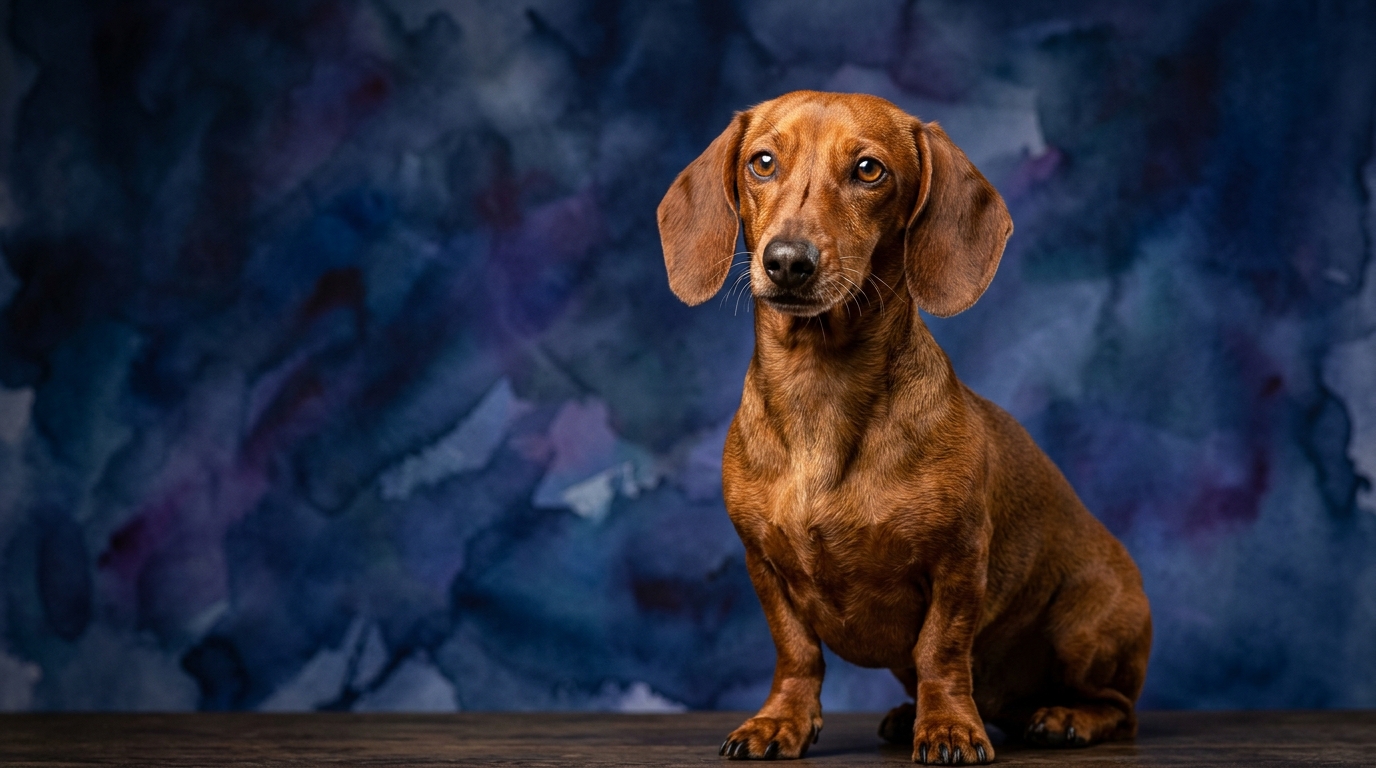
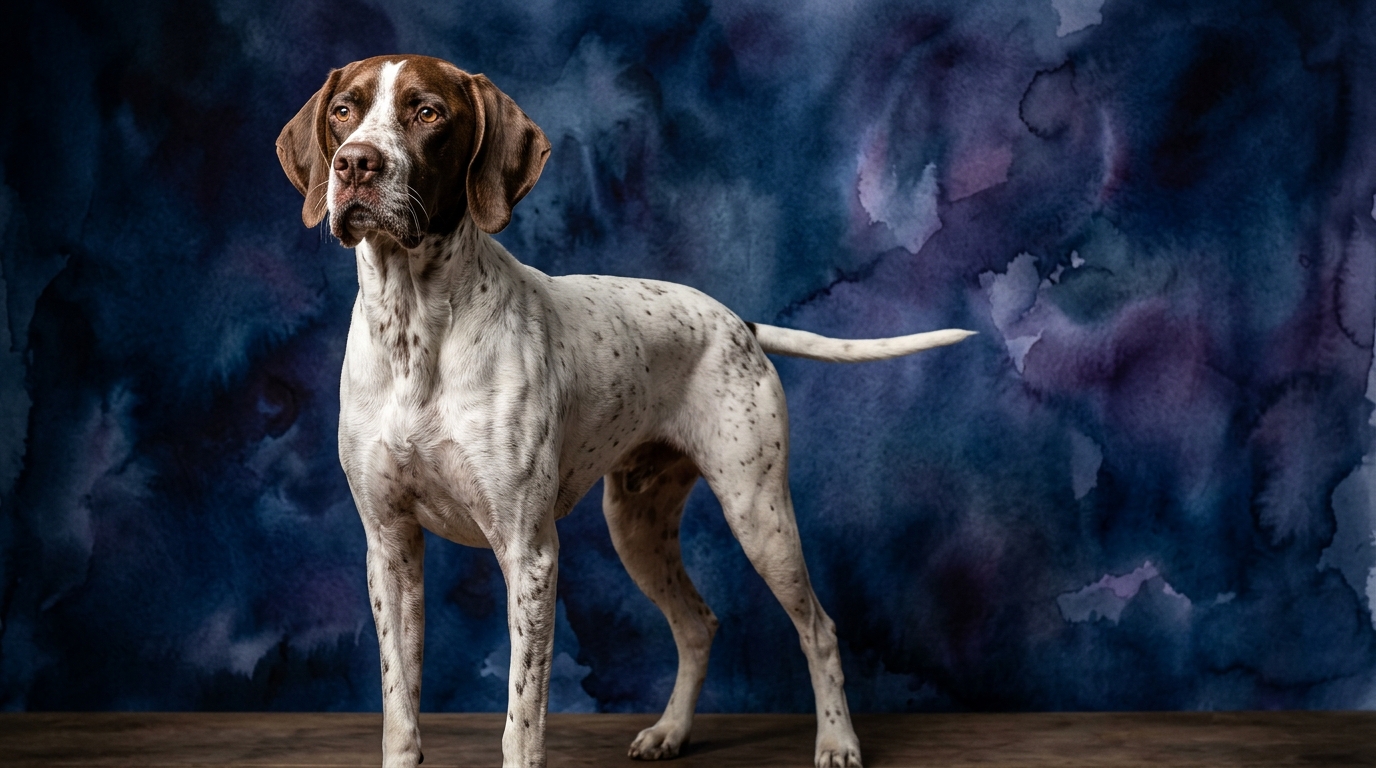
Side-by-Side IQ Profile: Dachshund vs. Pointer
The Cosmic Pet Pet IQ Lab employs five key dimensions to evaluate canine intelligence, offering a nuanced view beyond simple obedience. For the Dachshund, a hound breed, their profile is marked by a Coren rank of #49, placing them within the top 50 in working and obedience intelligence. Their Problem Solving ability scores a strong 4/5, reflecting their independent thinking and resourcefulness, while Training Speed is rated 2/5, indicating a strong-willed nature that can make conventional obedience a slower process. Social Intelligence stands at 3/5, often demonstrating loyalty to their inner circle but sometimes reserved with strangers, and their Instinctive Drive is an impressive 5/5, a testament to their heritage as tenacious hunters. Memory is assessed at 3/5, sufficient for routines but not for highly complex, multi-step sequences.
In contrast, the Pointer, a sporting breed, does not have a Coren rank, as their specialized intelligence for field work doesn't align with the obedience-focused Coren metrics. Their Problem Solving ability is rated 3/5, adept at tasks related to their specific hunting role but perhaps less inclined towards generalist problem-solving. Training Speed scores 3/5, suggesting a more cooperative and responsive nature compared to the Dachshund. Social Intelligence also registers 3/5, typically amiable and focused on their handler during work. Their Instinctive Drive, while powerful for pointing and retrieving, is rated 3/5, reflecting a more specialized and controlled drive than the Dachshund's broader hunting tenacity. Memory for the Pointer is also 3/5, suitable for learning and retaining specific commands and routines required for their work.
Where the Dachshund Excels Cognitively
The Dachshund's cognitive strengths are deeply rooted in their original purpose: hunting badgers and other burrowing animals. Their Problem Solving score of 4/5 is a direct reflection of this heritage. These dogs exhibit a remarkable capacity for independent thought and strategic action when faced with a challenge, particularly one that involves navigating complex environments or outsmarting prey. Unlike breeds that primarily seek human direction, a Dachshund often prefers to figure things out on their own, demonstrating a tenacious focus on achieving their objective, whether it's unearthing a buried toy or finding a way around an obstacle. This isn't about rote memorization or quick command execution; it's about persistent, self-directed ingenuity.
Furthermore, the Dachshund's Instinctive Drive, rated a perfect 5/5, is a dominant cognitive feature. This isn't just a physical urge; it's a powerful mental preoccupation that directs their attention and actions. Their drive to scent, pursue, and burrow is incredibly strong, shaping their perception of the world and their priorities. This intense focus, while sometimes challenging for owners in a domestic setting, represents a highly specialized and effective form of intelligence for their intended work. It allows them to maintain a single-minded pursuit of a goal, ignoring distractions that might deter other breeds, showcasing a cognitive architecture built for relentless determination.
Where the Pointer Shines Cognitively
The Pointer's cognitive advantages lie in their capacity for focused cooperation and their specialized working intelligence. While their Problem Solving is 3/5, it's highly effective within the context of their field work. They excel at tasks requiring sustained attention to scent, pattern recognition in varied terrains, and precision in their 'point.' This isn't generalist problem-solving, but rather a sophisticated application of their senses and learned behaviors to a specific, complex goal. Their ability to quickly process environmental cues and respond appropriately is a testament to their cognitive design for hunting.
Perhaps the most distinct advantage for the Pointer, especially when contrasted with the Dachshund, is their Training Speed, rated at 3/5. This score, while not the highest across all breeds, indicates a significant willingness to engage with human instruction and a greater ease in forming associations between commands and actions. Pointers are generally eager to please their handlers and possess a focused attention span when engaged in training. This cooperative spirit is crucial for a dog whose historical role demands close collaboration with a hunter, requiring them to learn and execute complex sequences of commands and hand signals reliably. Their cognitive makeup prioritizes attentiveness to human cues, making them more receptive to structured learning environments and consistent reinforcement.
Trainability: Which is Easier and Why?
When considering ease of training, the Pointer generally presents a more straightforward experience than the Dachshund, largely due to their differing cognitive priorities and instinctive drives. The Pointer's Training Speed of 3/5 and their inherent desire to work collaboratively with a human make them quite biddable. They are typically keen to learn, respond well to positive reinforcement, and thrive on having a clear purpose provided by their handler. Their specialized Instinctive Drive (3/5) is channelled towards tasks like pointing and retrieving, which are often integrated into their training, making the learning process feel natural and rewarding for them. This focus on cooperation means they are often more attentive to commands and less prone to independent decision-making during a training session, resulting in quicker mastery of basic and advanced obedience.
The Dachshund, with a Training Speed of 2/5 and a formidable Instinctive Drive of 5/5, offers a more challenging training journey. Their problem-solving abilities (4/5) are often directed towards their own goals rather than strictly adhering to human directives. This independent streak, combined with their powerful urge to hunt and explore, means they can be easily distracted by scents or perceived 'prey,' often prioritizing their inherent drives over obedience commands. Training a Dachshund requires immense patience, creativity, and a deep understanding of their terrier-like tenacity. Owners must find ways to make training incredibly rewarding and engaging, often by incorporating games that mimic hunting behaviors or appealing to their strong food drive, to overcome their natural inclination to follow their own independent agenda rather than simply complying with commands.
Suitability for Active vs. Relaxed Owners
The cognitive and physical needs of these two breeds dictate their suitability for different owner lifestyles. The Pointer, bred for sustained activity in the field, is unequivocally suited for active owners. Their physical endurance and mental focus for hunting tasks translate into a significant need for daily exercise and engagement. These dogs thrive on long runs, hikes, vigorous play sessions, and participation in dog sports like agility, flyball, or scent work. Their cognitive makeup, which values purpose and collaboration, means that without sufficient mental and physical outlets, a Pointer can become bored, potentially leading to destructive behaviors or excessive vocalization. An active owner who can provide consistent, challenging activities will find a Pointer to be an incredibly rewarding and devoted companion, whose intelligence truly shines when given a job.
The Dachshund, while possessing an incredibly strong Instinctive Drive (5/5), has a different physical requirement profile. Their short legs and long backs mean they are not built for endurance running but still require regular, moderate exercise to stay healthy and mentally stimulated. They are well-suited for owners who enjoy consistent daily walks, engaging in scent games in the yard, or puzzle toys that challenge their problem-solving skills (4/5). While they appreciate interaction, their independent nature means they can also be content to relax alongside their owners, provided their core needs for mental engagement and short bursts of activity are met. A relaxed owner who appreciates a dog with a strong personality and is prepared to channel their independent problem-solving and hunting instincts through appropriate games and training, rather than expecting constant high-energy demands, will find a Dachshund to be a charming and loyal companion.
The Verdict
Choose a Dachshund if you appreciate a dog with strong independent problem-solving skills and a tenacious spirit, and are prepared for a more creative approach to training their formidable instinctive drives.
Opt for a Pointer if you seek a highly trainable, cooperative companion for active outdoor pursuits, valuing their focused working intelligence and eagerness to collaborate.
🧠 Find Your Pet's IQ Score
Our Pet IQ Lab assessment covers 25+ tests across 5 cognitive dimensions — personalized to your breed.
Take the Full IQ Test →Frequently Asked Questions
Do Dachshunds really dig a lot?
Yes, their powerful instinctive drive (5/5) for burrowing, a remnant of their badger hunting origins, often translates into a strong desire to dig, requiring consistent training and appropriate outlets like sandboxes or designated digging areas.
Are Pointers good family dogs despite their active nature?
Pointers can be excellent family dogs, exhibiting social intelligence (3/5) with a generally amiable temperament, but their significant exercise needs mean they thrive best with active families who can provide ample physical and mental stimulation.
How does Coren ranking apply to these breeds?
The Dachshund's Coren rank of #49 reflects their solid working intelligence in obedience, while the Pointer's absence from the Coren list suggests their specialized field intelligence, focused on scenting and pointing, isn't directly measured by Coren's obedience-centric metrics.