Side-by-Side IQ Profile: Dachshund vs. Pug
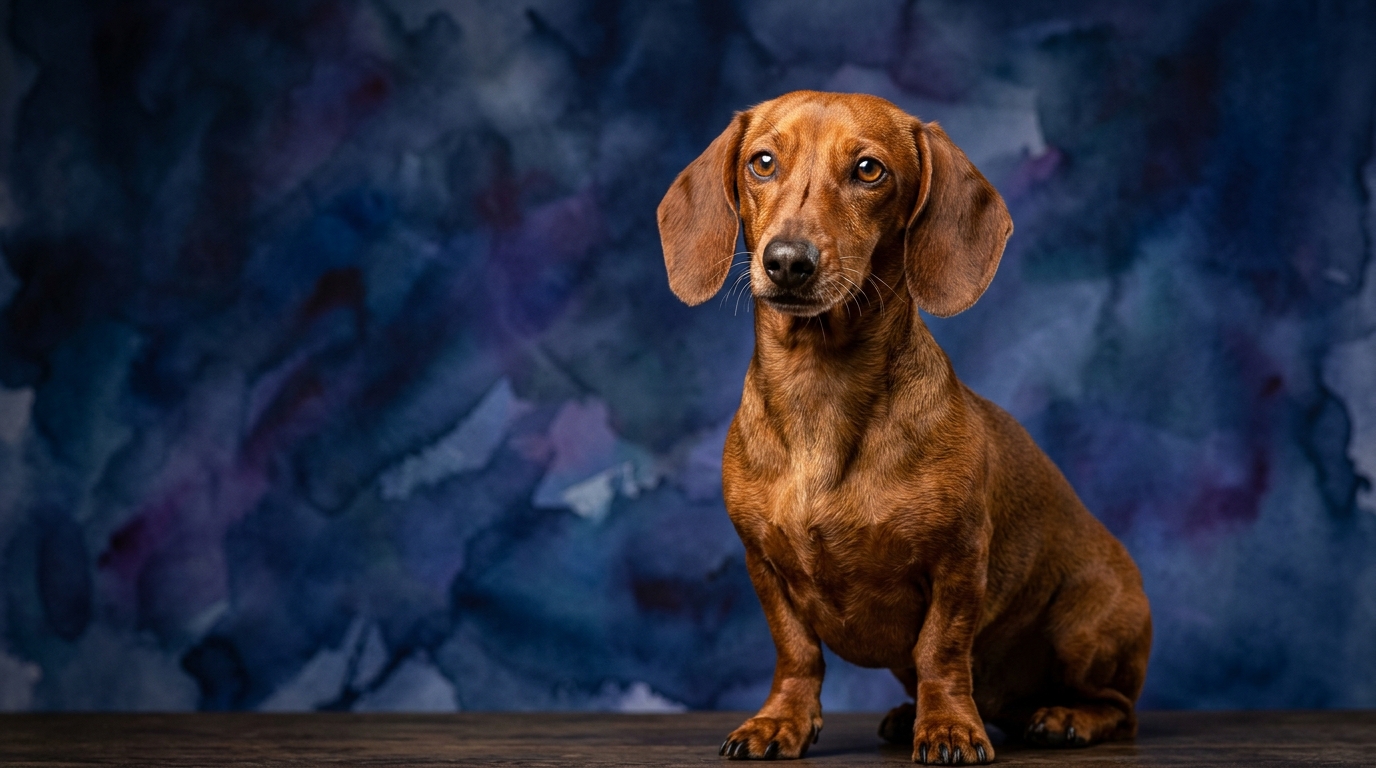
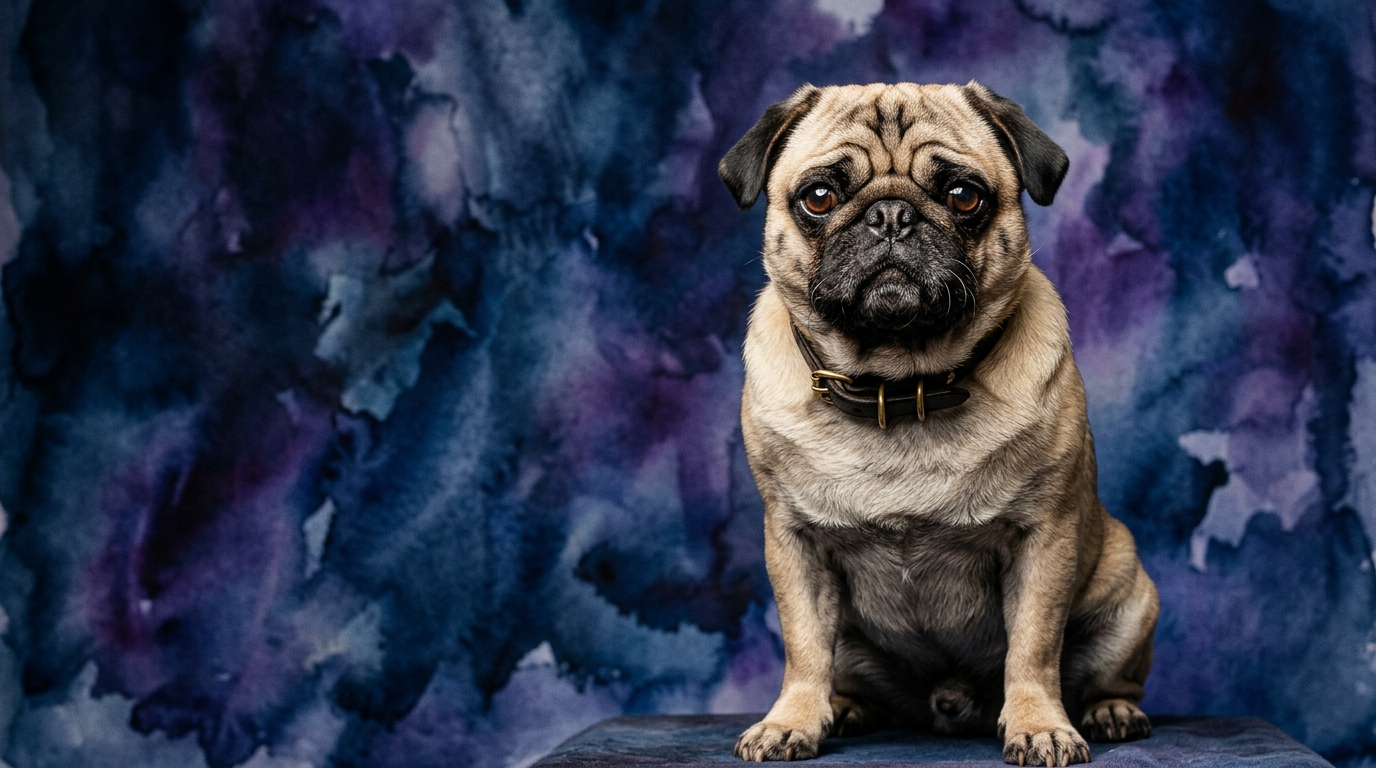
Our Cosmic Pet Pet IQ Lab assessment reveals distinct cognitive profiles for these two beloved breeds. The Dachshund, a Hound group member with a Coren rank of #49, exhibits a robust independent streak, while the Pug, a Toy group member ranked #57, shines in areas of social connection.
For Problem Solving, the Dachshund scores an impressive 4/5. This reflects their innate ability to independently navigate complex situations, often devising their own solutions to reach objectives, a trait honed by their historical role as badger hunters. The Pug, by contrast, scores 2/5 in Problem Solving, indicating they typically prefer to rely on human guidance or simpler, learned behaviors rather than intricate independent strategizing.
In Training Speed, both breeds share a 2/5 score. This suggests that neither the Dachshund nor the Pug are quick studies in formal obedience, often requiring patience, consistency, and creative motivation from their human companions. Their progress in learning new commands can be deliberate, rather than rapid.
Social Intelligence sees a clear divergence. The Dachshund registers a 3/5, indicating a moderate understanding of human cues and social dynamics, often balanced with their independent nature. The Pug, however, excels with a perfect 5/5, demonstrating an exceptional capacity to read human emotions, intentions, and social contexts, making them highly attuned and empathetic companions.
Instinctive Drive is another area of stark contrast. The Dachshund boasts a powerful 5/5, reflecting their strong prey drive, scenting abilities, and persistent pursuit of perceived goals, deeply rooted in their hunting heritage. The Pug scores a modest 2/5, indicating a much lower intrinsic drive for hunting, tracking, or other traditionally 'working' dog behaviors, prioritizing comfort and companionship instead.
Finally, Memory is consistent between the two, with both breeds scoring 3/5. This suggests they possess a solid capacity for recalling learned commands, routines, and experiences over time, neither exceptionally forgetful nor possessing a photographic memory, but capable of retaining important information for daily life.
Where the Dachshund Excels Cognitively
The Dachshund's cognitive prowess is most evident in its problem-solving abilities and unwavering instinctive drive. Their 4/5 problem-solving score means they are adept at figuring out how to bypass obstacles to achieve a desired outcome, whether it's tunneling under a fence to explore or manipulating a puzzle toy to get a treat. This isn't about rote learning, but an intrinsic capacity for independent thought and strategic action.
Their 5/5 instinctive drive is a powerful cognitive engine, fueling their persistence and focus. A Dachshund will follow a scent trail with single-minded determination, demonstrating a remarkable ability to process olfactory information and maintain a 'mental map' of their pursuit. This drive makes them excellent at tasks requiring endurance and focus, even if it sometimes conflicts with human commands. They are thinkers who act on their own initiative, often to their owner's surprise and occasional exasperation, showcasing a self-directed intelligence rather than one reliant on constant human instruction.
Where the Pug Shines Cognitively
The Pug's cognitive strengths lie profoundly in the realm of social intelligence, where they achieve a perfect 5/5. This isn't merely about being friendly; it's about a sophisticated understanding of human communication, both verbal and non-verbal. A Pug can often anticipate their owner's mood or intentions, responding with comforting nudges or playful invitations, demonstrating a profound empathy and connection.
Their social acumen allows them to seamlessly integrate into human families, adapting their behavior to fit household dynamics and individual personalities. While their problem-solving score is lower, their high social intelligence means they are often 'smart' in a different way – by understanding how to elicit desired responses from their humans, whether it's getting extra cuddles or a preferred snack. This makes them exceptionally intuitive companions, masters of social navigation within their human pack, proving that cognitive strength can manifest as emotional attunement and relational understanding.
Which is Easier to Train and Why?
When considering ease of training, both Dachshunds and Pugs present unique challenges, both scoring 2/5 in training speed, yet their underlying reasons differ significantly. The Dachshund's independent problem-solving (4/5) and overwhelming instinctive drive (5/5) often mean they prioritize their own agenda, such as following an intriguing scent or pursuing a perceived 'prey,' over human commands. This isn't a lack of understanding, but a strong will and an ingrained drive to act on their instincts, requiring consistent, patient, and highly motivating training methods to redirect their focus from their internal world to human instruction.
Pugs, while equally deliberate in their training speed (2/5), are often less distracted by external environmental factors like scents. Their challenge stems more from a potential lack of intrinsic motivation for rigorous activity and a preference for comfort, combined with a subtle stubbornness that can emerge when they're not fully engaged. However, their high social intelligence (5/5) can be a significant advantage: if training is framed as a positive, engaging interaction that strengthens their bond with their human, a Pug is more likely to cooperate due to their strong desire for companionship and approval. Success with Pugs often relies on making training a fun, low-pressure social game, rather than a strict regimen, leveraging their desire to please and connect with their people.
Matching Canine Cognition to Lifestyle: Active vs. Relaxed Owners
The distinct cognitive profiles of the Dachshund and Pug make them suitable for vastly different owner lifestyles. For active owners who enjoy intellectual engagement, outdoor adventures, and appreciate a dog with a strong independent streak, the Dachshund is an excellent match. Their high instinctive drive and problem-solving capabilities mean they thrive with activities like scent work, puzzle toys, and exploring new environments where they can engage their keen senses and independent minds. Owners who can channel this drive into constructive activities, rather than trying to suppress it, will find a rewarding partnership with a Dachshund. They require mental stimulation that goes beyond simple walks, preferring to 'work' their brains through exploration and investigation, making them ideal for individuals who enjoy collaborative problem-solving with their canine companion.
Conversely, the Pug is perfectly suited for more relaxed owners seeking a devoted, low-key companion who excels at social interaction and comfort. Their exceptional social intelligence means they are content to be close to their humans, participating in the everyday rhythms of the home. While they enjoy short, leisurely strolls, their cognitive focus is less on physical feats or complex independent tasks and more on emotional connection and shared quiet moments. Owners who cherish a dog's presence, appreciate subtle cues, and desire a constant, affectionate shadow will find the Pug's social acumen and desire for companionship to be a perfect fit. They are masters of creating a warm, comforting atmosphere, making them ideal for individuals or families whose primary desire is a loving, socially astute household member.
The Verdict
Choose a Dachshund if you're an active owner who appreciates an independent thinker with a strong drive for exploration and problem-solving, ready to engage in mentally stimulating activities. They thrive with consistent guidance that respects their innate tenacity and sharp wit.
Opt for a Pug if you're a relaxed owner seeking a highly social, empathetic companion whose greatest joy is being close to you, offering comfort and intuitive understanding. They excel in households where their primary role is loving companionship and emotional connection.
🧠 Find Your Pet's IQ Score
Our Pet IQ Lab assessment covers 25+ tests across 5 cognitive dimensions — personalized to your breed.
Take the Full IQ Test →Frequently Asked Questions
Are Dachshunds stubborn?
Dachshunds can certainly appear stubborn, scoring 2/5 in training speed and 5/5 in instinctive drive. This 'stubbornness' often stems from their strong independent thinking and tendency to prioritize their own instincts, like following a scent, over human commands. With patient, consistent, and reward-based training, their focus can be redirected effectively.
Do Pugs understand human emotions well?
Yes, Pugs possess exceptional social intelligence, scoring 5/5 in this dimension. They are highly attuned to human emotions and subtle cues, often anticipating their owner's moods and responding with comforting or engaging behaviors. This makes them incredibly empathetic and intuitive companions.
Which breed is better for first-time dog owners?
For first-time owners, the choice depends on lifestyle. Pugs, with their high social intelligence and lower exercise needs, can be a good fit for those seeking a devoted companion and ready for consistent, positive-reinforcement training. Dachshunds, due to their strong independent streak and higher instinctive drive, might require a more experienced owner prepared to manage their tenacity and provide ample mental stimulation.