
Side-by-Side Cognitive Profiles
At The Cosmic Pet Pet IQ Lab, we evaluate canine intelligence across five key dimensions, providing a nuanced understanding beyond simple rankings. The Dachshund, a Hound breed with a Coren rank of #49, presents a distinct cognitive blueprint shaped by its history as a badger hunter. Its Problem Solving is rated 4/5, reflecting a remarkable ability to strategize and overcome physical barriers to reach a goal, often leveraging its unique physique. Training Speed for the Dachshund is 2/5, indicating a strong independent streak that can make consistent obedience a challenging endeavor. Social Intelligence stands at 3/5, as they form deep bonds with their families but can be discerning with outsiders. Their Instinctive Drive is a formidable 5/5, manifesting as an intense focus on scent and a relentless desire to dig or pursue. Finally, their Memory is 3/5, allowing them to recall routines and favored locations.
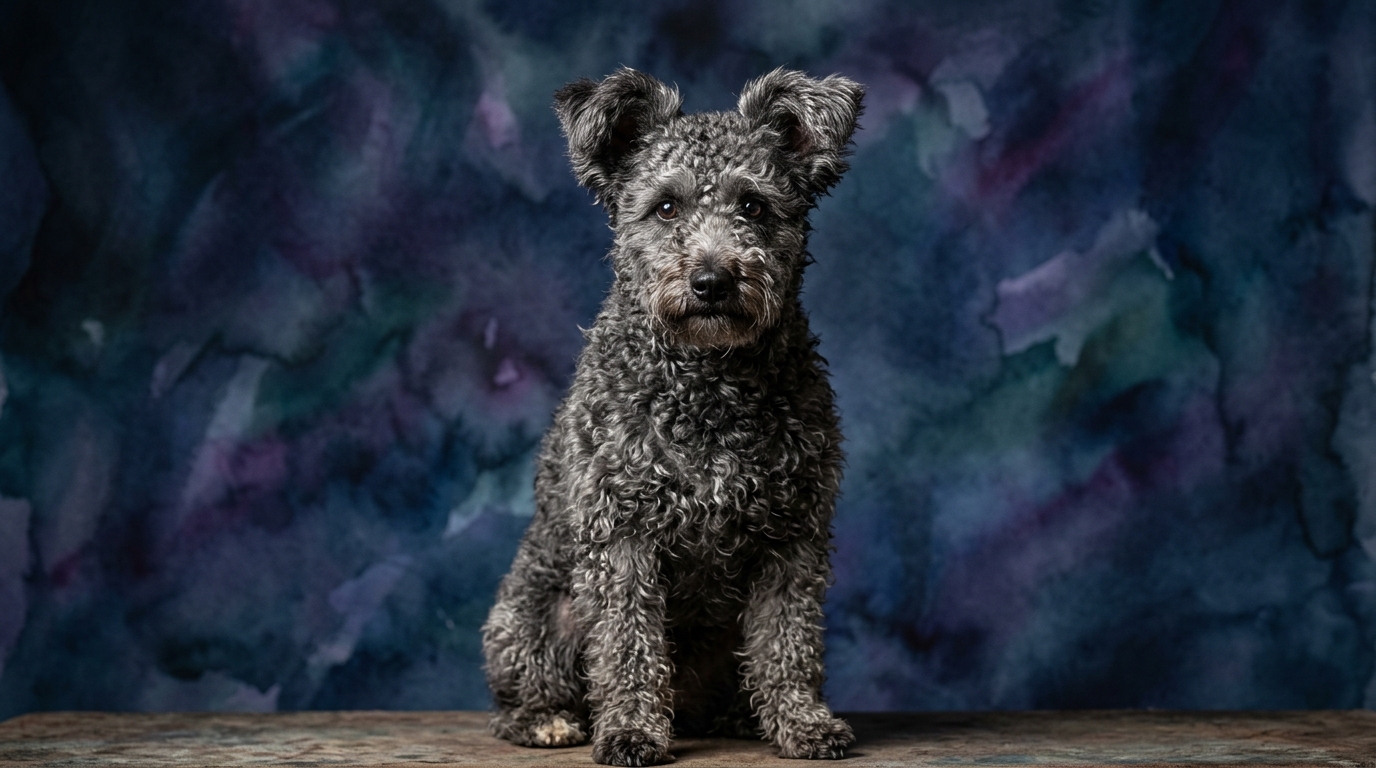
In contrast, the Pumi, a Herding breed not listed on the Coren ranking, showcases a different set of mental aptitudes tailored for working alongside humans and livestock. Its Problem Solving is rated 3/5, demonstrating practical intelligence in dynamic situations, such as maneuvering around obstacles or anticipating movement. The Pumi's Training Speed is 3/5, suggesting a moderate willingness and capacity to learn new commands and respond to cues with consistency. Social Intelligence is also 3/5, as they are devoted to their family but often reserved with strangers, observing before engaging. Their Instinctive Drive is 3/5, primarily expressed as a moderate herding impulse to gather and direct. Their Memory, like the Dachshund's, is rated 3/5, proving sufficient for retaining complex commands and routines necessary for their working roles.
Where the Dachshund Excels Cognitively
The Dachshund's cognitive edge shines brightest in their exceptional problem-solving abilities and unparalleled instinctive drive. Their 4/5 rating in problem-solving reflects a tenacious ingenuity, honed by centuries of pursuing quarry underground. A Dachshund faced with a barrier separating them from a desired object, perhaps a toy or a tantalizing scent, will often display remarkable persistence, employing various strategies like digging, burrowing, or even pushing objects aside to achieve their goal. This isn't just brute force; it's a strategic application of their unique physical build and a deep-seated desire to overcome obstacles. Their 5/5 instinctive drive is the engine behind this, fueling a relentless focus on scent trails and a single-minded determination that can make them seem impervious to distractions when on the hunt, whether for a badger or a dropped crumb.
Where the Pumi Excels Cognitively
While the Pumi doesn't boast a Coren ranking, their cognitive strengths lie in a balanced blend of attributes that make them highly functional in dynamic environments. Their 3/5 training speed, while not top-tier, is still commendable, indicating a readiness to absorb new information and respond to cues with moderate repetition. This is often paired with a cooperative spirit, making them eager to engage in activities that involve their handler. Furthermore, their herding background fosters a practical application of their 3/5 problem-solving, where quick decisions are made in response to moving livestock or changing environmental factors. They excel at real-time, fluid cognitive tasks, adapting their approach based on immediate feedback rather than relying solely on pre-planned strategies, which contrasts with the Dachshund's more singular, goal-oriented problem-solving.
Training Dynamics: Dachshund vs. Pumi
When assessing ease of training, the Pumi generally presents a more straightforward path for the average owner compared to the Dachshund. The Pumi's 3/5 training speed indicates they absorb commands at a moderate pace, often displaying a genuine desire to work alongside their human. Their herding heritage instilled a responsiveness to handler cues and a willingness to cooperate, making them relatively eager students when positive reinforcement is consistently applied. In contrast, the Dachshund's 2/5 training speed reflects a more independent and often stubborn streak. While they are fully capable of understanding commands, their strong instinctive drive and self-directed nature mean they may weigh the 'cost-benefit' of obeying, especially if a more enticing scent or activity presents itself. Training a Dachshund demands exceptional patience, creativity, and a consistent demonstration of why following your lead is more rewarding than pursuing their own agenda.
Matching Canine Minds to Lifestyles
For active owners seeking a canine companion, the Pumi often aligns better with a lifestyle rich in physical and mental engagement. Their moderate instinctive drive (3/5) and background as working dogs mean they thrive on activities that challenge both their bodies and minds, such as agility, flyball, or even continued herding tasks. They require regular exercise and structured mental stimulation to prevent boredom and channel their energy constructively, making them excellent partners for hiking, long walks, or dog sports. A relaxed owner, however, might find the Dachshund to be a surprisingly good fit, provided they understand and manage the breed's unique needs. While their 5/5 instinctive drive can manifest as relentless digging or chasing small creatures in the yard, their overall physical exercise requirements are moderate. They are often content with shorter, regular walks and plenty of indoor snuggling, though their keen problem-solving mind still benefits from puzzle toys and scent games to keep them engaged without demanding constant high-impact activity. The critical distinction is managing the *type* of activity: Pumis need to move, Dachshunds need to think and sniff.
The Verdict
Choose a Dachshund if you appreciate a dog with tenacious problem-solving skills, an incredibly strong independent streak, and a moderate physical activity requirement, provided you are prepared to channel their formidable instinctive drive and navigate a more challenging training journey.
Opt for a Pumi if you seek an agile, moderately trainable companion who thrives on active engagement, cooperative work, and enjoys a structured routine that taps into their balanced cognitive profile and herding instincts.
🧠 Find Your Pet's IQ Score
Our Pet IQ Lab assessment covers 25+ tests across 5 cognitive dimensions — personalized to your breed.
Take the Full IQ Test →Frequently Asked Questions
Are Dachshunds good at learning tricks?
Dachshunds are certainly capable of learning tricks, leveraging their 4/5 problem-solving ability to figure out sequences. However, their 2/5 training speed and independent nature mean they may take longer to master commands and require consistent, highly motivating rewards to stay engaged.
Does the Pumi's herding instinct make them difficult pets?
The Pumi's moderate herding instinct (3/5) is a natural part of their breed character and can be managed with proper training and outlets. Early socialization and structured activities like herding trials or agility can channel this drive positively, preventing it from becoming problematic in a home environment.
How do their memory capabilities affect daily life?
Both breeds have a 3/5 memory, meaning they reliably recall routines, commands, and experiences. For the Dachshund, this might mean remembering where they buried a toy or where a treat dispenser is, while for the Pumi, it aids in recalling complex training sequences or the layout of a familiar environment.