Side-by-Side IQ Profile: Dachshund vs. Soft Coated Wheaten Terrier
At The Cosmic Pet Pet IQ Lab, we evaluate canine intelligence across five key dimensions, providing a nuanced understanding beyond simple obedience. Let's examine how the tenacious Dachshund and the spirited Soft Coated Wheaten Terrier compare.
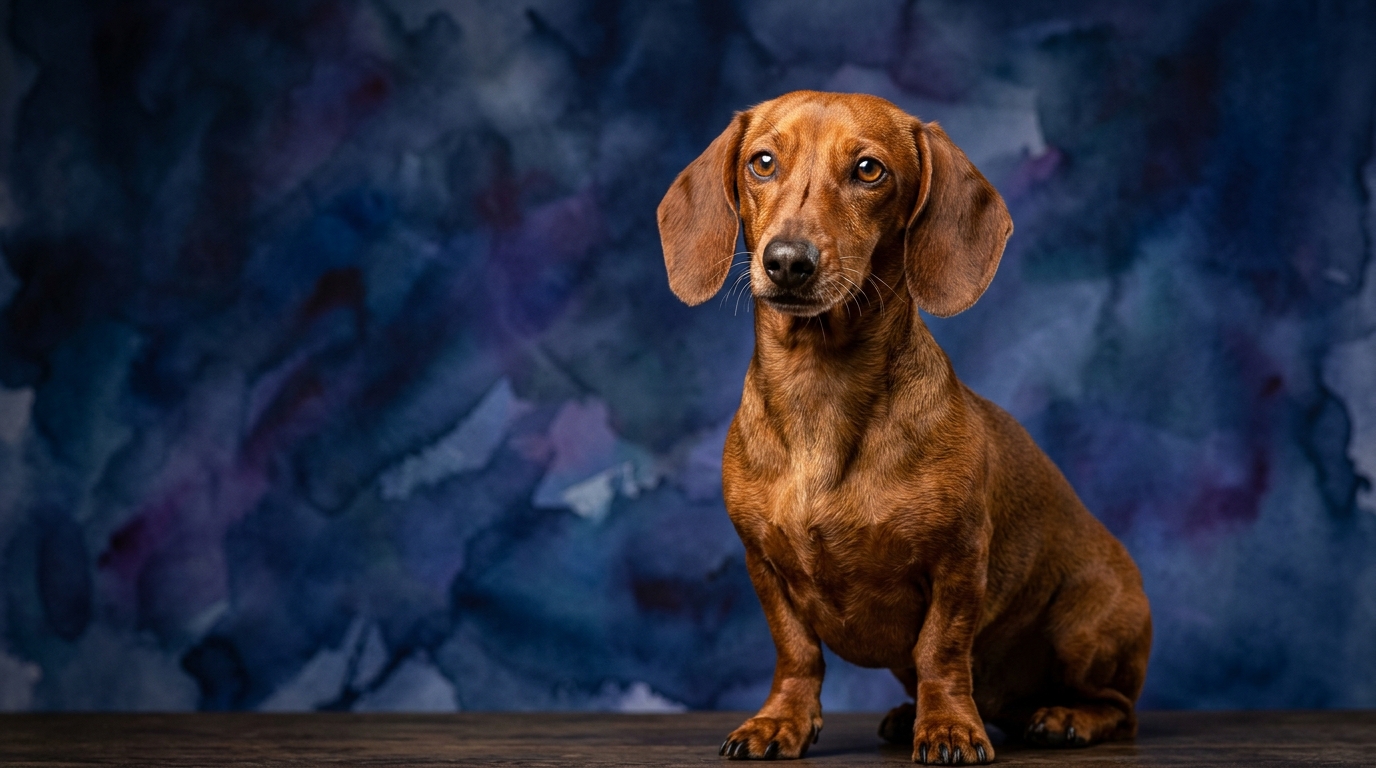
The Dachshund, a Hound breed with a Coren ranking of #49, presents a profile reflecting its badger-hunting heritage. Its Problem Solving is rated 4/5, indicating a strong capacity for independent thought and creative solutions to obstacles. Training Speed is 2/5, suggesting a more independent nature that can make conventional training a patient endeavor. Social Intelligence is 3/5, meaning they are capable of forming strong bonds but can be discerning. Instinctive Drive is a powerful 5/5, showcasing an intense propensity for scent tracking, digging, and pursuit. Memory stands at 3/5, sufficient for retaining experiences and commands, though often overshadowed by their potent drives.
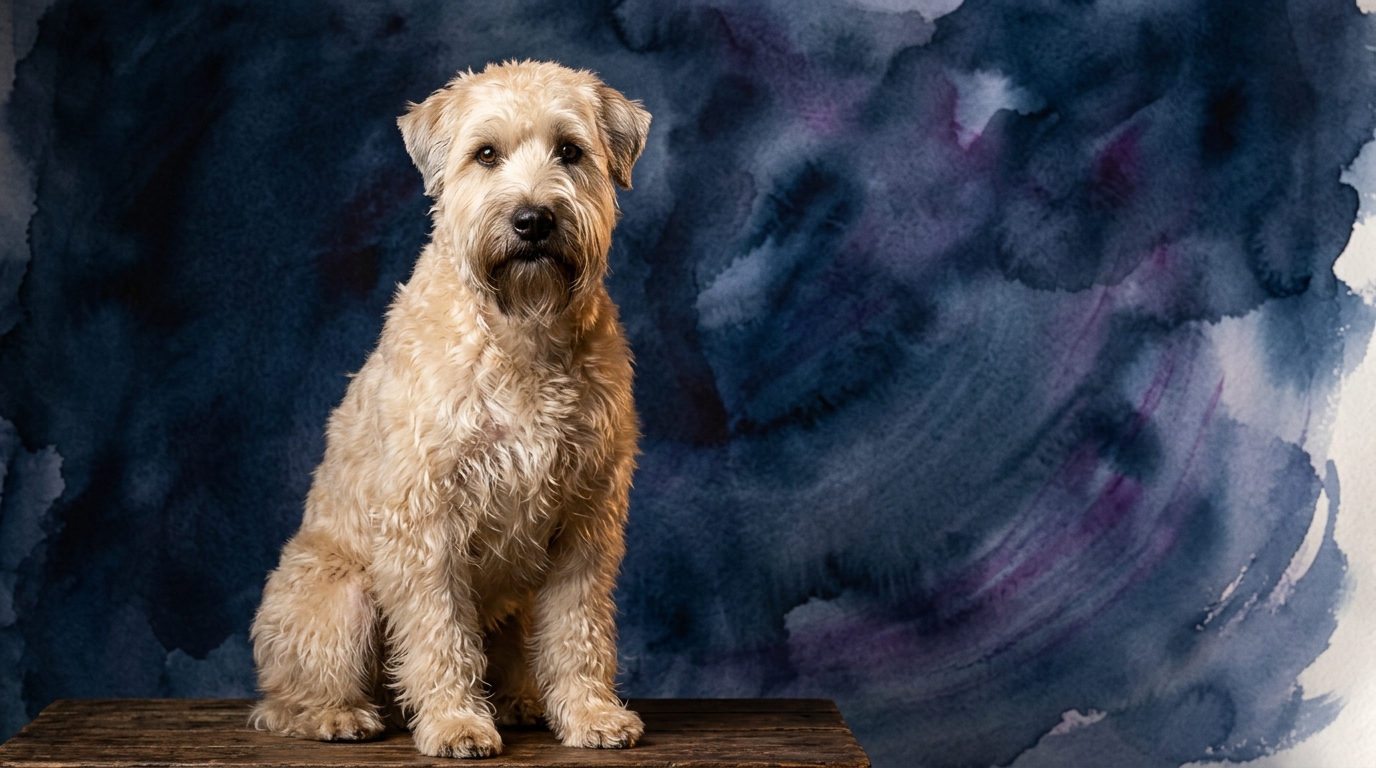
The Soft Coated Wheaten Terrier, a Terrier breed not specifically Coren-ranked, shows a more balanced, albeit still distinct, intellectual makeup. Its Problem Solving is 3/5, demonstrating solid capabilities but perhaps less ingenuity than the Dachshund. Training Speed is 3/5, indicating a moderate pace of learning, often coupled with an eager-to-please attitude typical of many terriers. Social Intelligence is also 3/5, suggesting good family integration and general amiability. Instinctive Drive is 3/5, present but not as overwhelming as the Dachshund's specialized hunting instincts. Memory is likewise 3/5, allowing for consistent retention of routines and learned behaviors.
Where the Dachshund Excels Cognitively
The Dachshund's cognitive strengths are deeply rooted in its original purpose: independent hunting. Their 4/5 Problem Solving score isn't just about general cleverness; it's about a tenacious, often inventive approach to overcoming physical and mental barriers. Bred to pursue tenacious prey like badgers deep underground, they had to think for themselves, navigate complex tunnels, and find ways to outmaneuver their quarry. This translates into a dog that will meticulously work to open a cupboard, dig under a fence, or ingeniously manipulate objects to achieve a goal. Their persistence isn't merely physical; it's a cognitive drive to dissect and conquer challenges, often employing creative strategies that consistently surprise their human companions.
Furthermore, the Dachshund's 5/5 Instinctive Drive is a testament to their highly specialized canine cognition. This isn't merely a strong prey drive; it's an ingrained, powerful suite of behaviors encompassing acute scenting, relentless digging, and single-minded pursuit. While demanding for owners, this intense drive represents a peak of specialized intelligence, where an entire behavioral repertoire is perfectly adapted for a complex, independent task. This powerful internal compass informs their focus and determination when engaged in activities that align with these inherent urges, making them unparalleled in tasks like earthdog trials or scent work.
Where the Soft Coated Wheaten Terrier Shines Cognitively
The Soft Coated Wheaten Terrier's cognitive advantages often lie in its adaptability and more cooperative nature. With a Training Speed of 3/5 compared to the Dachshund's 2/5, Wheatens generally absorb new commands and routines more readily. While they possess a lively terrier spirit and can have their moments of stubbornness, their inherent eagerness to engage with their owners and a slightly less independent disposition allow them to grasp lessons more efficiently. They typically respond well to positive reinforcement and consistent methods, often showing a quicker comprehension of expectations in structured training environments, making them a joy to teach a range of skills.
While not outscoring the Dachshund dramatically in any single dimension (except training speed), the Wheaten Terrier's consistent 3/5 across Problem Solving, Social Intelligence, Instinctive Drive, and Memory indicates a more balanced and generally adaptable cognitive profile. This equilibrium means they are less prone to the extreme challenges presented by a Dachshund's overwhelming instinctive drive or pronounced independence. Their intelligence is well-rounded, making them generally easier to integrate into various household routines without the same level of specialized management required for a breed with such intense, singular drives as the Dachshund. They offer a comprehensive cognitive package that adapts well to diverse family dynamics.
Training Dynamics: Which is Easier and Why?
Based on their respective IQ profiles, the Soft Coated Wheaten Terrier, with a Training Speed of 3/5, generally proves to be the easier breed to train compared to the Dachshund's 2/5. The Wheaten's slightly higher score reflects a greater willingness to cooperate and a quicker uptake of new commands. Wheatens often possess a cheerful disposition and a desire to please their family, which translates into more enthusiastic participation in training sessions. While still terriers with their characteristic zest and occasional distractibility, their innate bounciness and generally amenable nature make them more receptive to consistent positive reinforcement and clear guidance, allowing them to learn a broader range of commands with relative ease.
Conversely, the Dachshund's lower training speed score is a direct consequence of their formidable independent streak and intense instinctive drive. Bred to work alone underground, these dogs were not selected for strict obedience to human commands when their instincts took over. This means they often weigh commands against their own desires or perceived immediate environmental rewards. Teaching a Dachshund reliable recall when a compelling scent or digging opportunity is present, or preventing them from pursuing a perceived quarry, requires immense patience, unwavering consistency, and a profound understanding of their innate motivations. While undoubtedly capable of learning, training a Dachshund often feels more like a nuanced negotiation than a straightforward instruction, demanding a more strategic and persistent approach from their handler.
Matching Breeds to Lifestyles: Active vs. Relaxed Owners
For active owners, both breeds can find a place, but their ideal activities differ significantly. An active owner who enjoys engaging in specialized activities like earthdog trials, scent work, or consistent, challenging obedience training that respects a dog's independent spirit might find the Dachshund a uniquely rewarding, albeit demanding, companion. Their stamina for their specific tasks is remarkable, and they thrive when their minds are challenged to 'hunt' or solve complex problems. However, an active owner looking for a dog to reliably jog long distances, participate in high-level agility with fluid obedience, or be a consistently compliant hiking partner might find the Dachshund's physical structure and independent nature less suited to those roles. Their cognitive strengths lie in focused, driven tasks rather than broad athletic versatility.
The Soft Coated Wheaten Terrier, with its moderate energy levels and more balanced cognitive profile, is generally a better fit for active owners who enjoy regular walks, hikes, or even some dog sports like agility or rally obedience. They possess good stamina and genuinely enjoy being an integral part of family activities, generally adapting well to a varied routine that includes physical and mental engagement. Their social intelligence and eagerness to be involved make them pleasant, energetic companions for outings, and their quicker training speed allows them to excel in many interactive dog sports.
For relaxed owners, neither breed is truly 'low maintenance' in terms of cognitive engagement, as all dogs benefit from mental stimulation. However, the Wheaten Terrier might be a slightly more manageable choice. While they still require daily exercise and mental enrichment to prevent boredom and destructive behaviors, their less intense instinctive drives and higher training speed mean their needs can often be met with consistent daily routines, moderate play, and basic obedience. They are generally adaptable family dogs who enjoy comfort and companionship after their activity needs are met.
A relaxed owner might struggle significantly with a Dachshund. Their intense instinctive drive and formidable problem-solving abilities, combined with lower training speed, mean they will find ways to entertain themselves if not adequately stimulated and managed, often through persistent digging, vocalizing, or attempting to escape. They require considerable mental engagement and proactive management to channel their powerful instincts appropriately, which can be taxing for someone seeking a very laid-back, low-effort companion. Their cognitive makeup demands an owner who is ready for consistent, creative engagement.
The Verdict
Choose the Dachshund if you are an experienced owner prepared to manage intense instincts, appreciate a highly independent problem-solver, and are ready for consistent, patient training to channel their unique drives.
Choose the Soft Coated Wheaten Terrier if you seek a cheerful, moderately active companion who learns relatively quickly, enjoys being a central part of family life, and offers a more balanced cognitive profile without extreme specialized drives.
🧠 Find Your Pet's IQ Score
Our Pet IQ Lab assessment covers 25+ tests across 5 cognitive dimensions — personalized to your breed.
Take the Full IQ Test →Frequently Asked Questions
Are Dachshunds stubborn?
Yes, Dachshunds often exhibit a strong independent streak and high self-will, which can be perceived as stubbornness during training. This stems from their historical role as solo hunters, where independent decision-making and persistence were crucial for success.
Do Soft Coated Wheaten Terriers require a lot of mental stimulation?
While not as intensely driven as some specialized breeds, Wheatens do require regular mental stimulation to thrive. Engaging them with puzzle toys, varied training, and interactive play helps satisfy their active terrier minds and prevents boredom-induced behaviors.
Which breed is better for first-time dog owners?
The Soft Coated Wheaten Terrier is generally a more suitable choice for first-time dog owners due to its more balanced temperament, quicker training speed, and less extreme instinctive drives compared to the Dachshund. The Dachshund's pronounced independence and strong prey drive can be challenging for inexperienced handlers.