Side-by-Side Cognitive Profile: Dachshund vs. Standard Schnauzer
The Cosmic Pet Pet IQ Lab employs a multi-faceted approach to assess canine cognition, moving beyond simple obedience to encompass a dog's full mental landscape. Here, we break down the five core dimensions for both the Dachshund and the Standard Schnauzer, offering a granular view of their intellectual capabilities and inclinations.
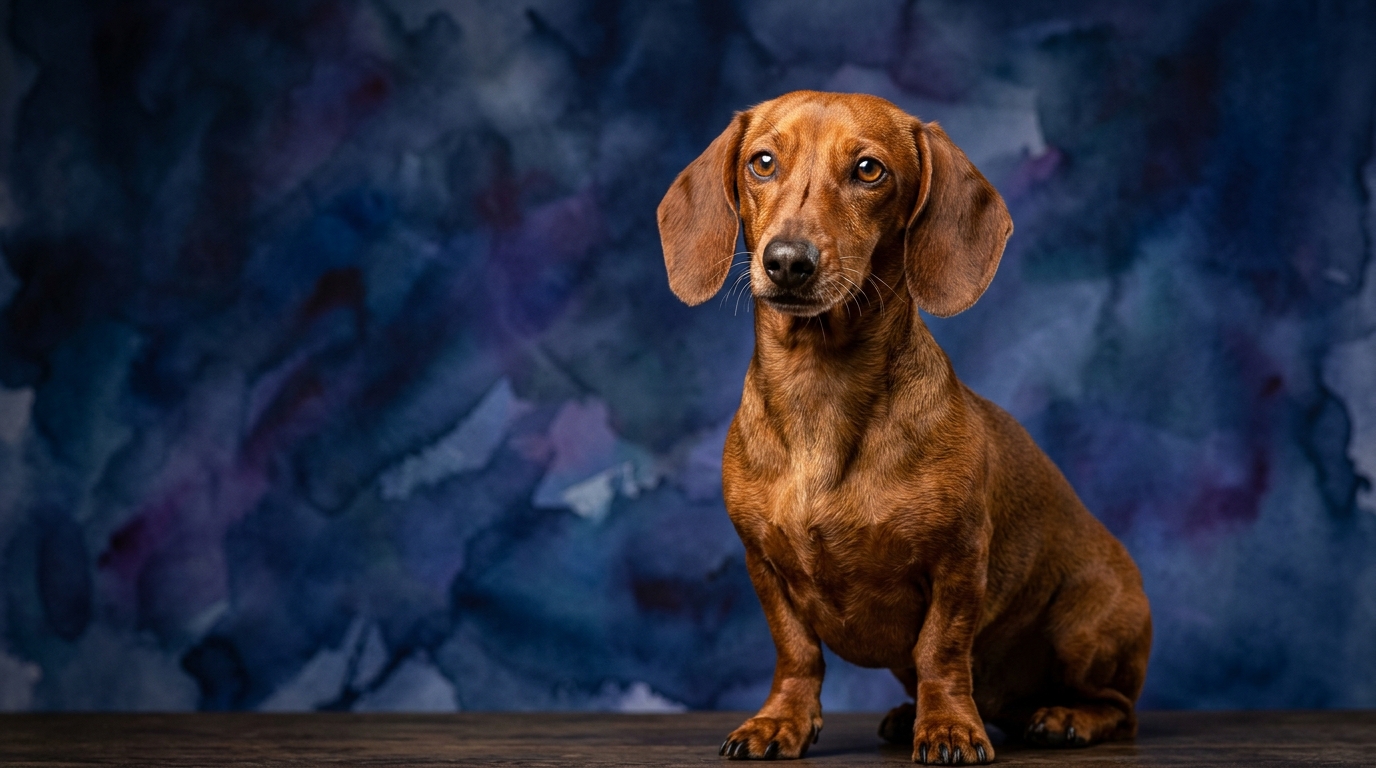
Dachshund (Hound, Coren rank #49): This breed's elongated form belies a sharp, independent mind forged by centuries of badger hunting. Their cognitive profile reflects a tenacious spirit and a specialized set of skills.
• Problem Solving (4/5): Dachshunds exhibit strong independent problem-solving, particularly when it involves scent work or navigating complex environments to reach a goal. Their determination allows them to persist through challenges, often devising creative, if sometimes stubborn, solutions.
• Training Speed (2/5): While capable of learning, Dachshunds are not the quickest to pick up new commands. Their independent nature means they often weigh the value of compliance against their own desires, requiring patience and consistent, positive reinforcement from their human companions.
• Social Intelligence (3/5): Dachshunds possess a moderate level of social intelligence, capable of forming strong bonds and understanding human cues within their immediate family. However, their historical role fostered a degree of self-reliance, meaning they may not always seek human guidance in problem-solving or social interactions outside their core group.
• Instinctive Drive (5/5): This is where the Dachshund truly shines. Their instinctive drive is exceptionally strong, manifesting as a powerful prey drive, an insatiable desire to dig, and an unparalleled ability to follow a scent trail. This drive is a fundamental part of their cognitive makeup, influencing many of their behaviors.
• Memory (3/5): Dachshunds have a functional memory, capable of recalling learned behaviors and routines. However, their strong instincts can sometimes override their memory for commands if a more compelling scent or prey opportunity presents itself, indicating a memory that serves their primary drives.
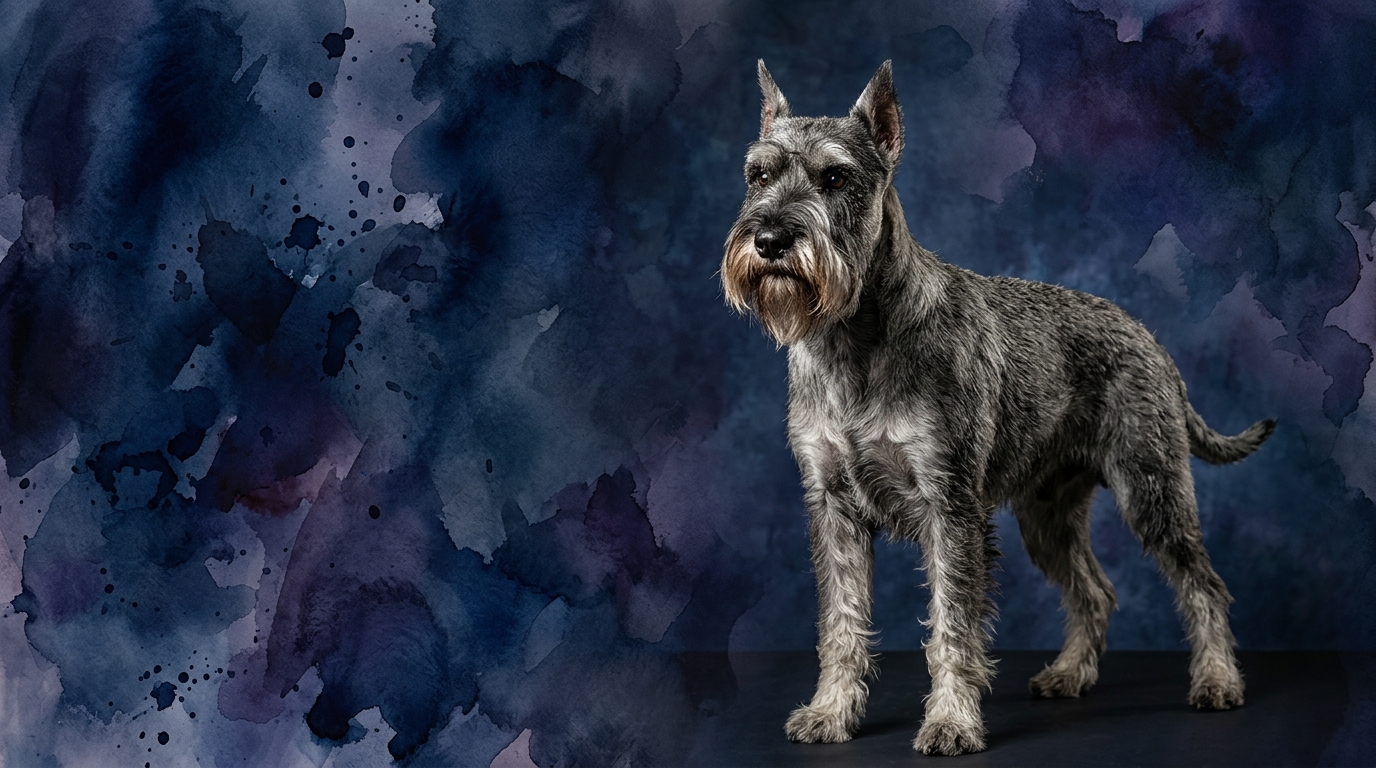
Standard Schnauzer (Working, Coren rank #22): This robust working breed, originally bred for guarding and vermin control, showcases a different set of cognitive strengths, emphasizing trainability and cooperative intelligence.
• Problem Solving (4/5): Standard Schnauzers demonstrate effective problem-solving, often approaching tasks with a methodical, intelligent focus. They are adept at understanding cause and effect, and can apply learned solutions to new situations, particularly those involving tasks or puzzles.
• Training Speed (4/5): Standard Schnauzers learn new commands and routines with impressive speed. Their eagerness to please and inherent biddability make them highly responsive to training, often mastering new skills in fewer repetitions than many other breeds.
• Social Intelligence (3/5): With a social intelligence score matching the Dachshund, Standard Schnauzers are also adept at reading human emotions and intentions within their family unit. They thrive on interaction and can form deep, loyal bonds, often seeking to be involved in family activities and demonstrating a cooperative spirit.
• Instinctive Drive (3/5): The Standard Schnauzer possesses a moderate instinctive drive. While they retain some prey drive from their vermin-hunting past and a guarding instinct from their working heritage, these drives are generally more manageable and less overwhelming than those seen in dedicated hunting breeds like the Dachshund.
• Memory (4/5): Standard Schnauzers exhibit a strong memory, retaining commands, routines, and social cues over long periods. This robust memory contributes significantly to their excellent trainability and their ability to perform complex sequences of tasks consistently.
Where the Dachshund Excels Cognitively
The Dachshund's cognitive strengths lie deeply rooted in its specialized hunting history. With an instinctive drive rated 5/5, they possess an unmatched tenacity and single-minded focus when pursuing a scent or a perceived quarry. This translates into exceptional independent problem-solving skills when faced with a challenge related to their core instincts, such as navigating a complex scent trail or burrowing under an obstacle.
Their problem-solving, rated 4/5, is often self-directed and driven by an internal motivation rather than a desire to please. A Dachshund might spend hours meticulously working to uncover a hidden toy or find a way to access a forbidden area, showcasing a persistent, strategic mind uniquely adapted for overcoming obstacles in pursuit of a goal that they define. This self-reliance in mental tasks is a hallmark of their breed.
Where the Standard Schnauzer Excels Cognitively
The Standard Schnauzer's cognitive advantages are most evident in their capacity for cooperative learning and their impressive retention. Their training speed of 4/5, combined with a 4/5 memory, allows them to absorb and recall a broad repertoire of commands and complex sequences with relative ease. This makes them highly adaptable to various training disciplines, from obedience to agility and even protection work.
Their problem-solving ability, also rated 4/5, often manifests in a more collaborative context. A Standard Schnauzer is more likely to engage with an owner to solve a puzzle or learn a new task, using their memory to apply previous lessons. Their higher Coren rank of #22 reflects this general readiness and aptitude for learning and working alongside humans, making them efficient and eager students.
Trainability: A Tale of Two Temperaments
When it comes to ease of training, the Standard Schnauzer generally presents a more straightforward path. Their training speed of 4/5 and strong memory mean they grasp new concepts quickly and reliably. They are typically motivated by praise and food, and their working background instilled a desire to engage with and respond to human direction. Their moderate instinctive drive (3/5) means fewer internal distractions competing with training focus, leading to more consistent performance.
The Dachshund, with a training speed of 2/5 and an instinctive drive of 5/5, offers a more considerable training challenge. Their independent problem-solving often means they prefer to follow their own agenda, especially if a captivating scent is involved. Training a Dachshund requires immense patience, creativity in motivation, and a deep understanding of their hound nature. Owners must work to make training more rewarding than the pursuit of natural instincts, which can be an ongoing endeavor.
Matching Canine Cognition to Owner Lifestyles
For active owners seeking a canine partner for sports, advanced obedience, or a dog that thrives on consistent mental and physical engagement, the Standard Schnauzer is an excellent fit. Their cognitive profile supports a lifestyle filled with structured activities, learning new skills, and participating in dog sports. They thrive on having a job to do and appreciate an owner who can consistently provide mental stimulation and opportunities for cooperative work.
Relaxed owners, or those who appreciate a dog with a strong, independent personality and a keen sense of purpose, might find the Dachshund more appealing. While they don't demand intense structured exercise in the same way a Schnauzer does, their profound instinctive drive requires outlets. This means providing opportunities for scent games, safe digging, or allowing them to 'hunt' for toys. Their independent nature also means they are content with periods of self-entertainment, though they cherish their cuddle time too.
The Verdict
Choose the Dachshund if you appreciate a dog with a strong, independent spirit and are prepared to engage with their profound instinctive drives through creative outlets and patient training.
Opt for the Standard Schnauzer if you desire a highly trainable, cooperative companion eager to learn and participate in structured activities, thriving on consistent mental and physical engagement.
🧠 Find Your Pet's IQ Score
Our Pet IQ Lab assessment covers 25+ tests across 5 cognitive dimensions — personalized to your breed.
Take the Full IQ Test →Frequently Asked Questions
Are Dachshunds stubborn?
Dachshunds are often perceived as stubborn due to their high instinctive drive and independent problem-solving approach. They tend to prioritize their own internal motivations, like following a scent, over immediate human commands, requiring consistent and highly rewarding training methods to gain their cooperation.
Do Standard Schnauzers require a lot of mental stimulation?
Yes, Standard Schnauzers thrive on mental stimulation due to their strong memory and quick training speed. Their working background means they enjoy having tasks and challenges, benefiting greatly from training, puzzle toys, and engaging activities that keep their minds active and prevent boredom.
Which breed is better for a first-time dog owner?
The Standard Schnauzer is generally more forgiving for a first-time dog owner due to their higher training speed and cooperative nature, making basic obedience easier to establish. Dachshunds, with their strong independent streak and lower training speed, can be more challenging for those new to dog ownership, requiring more patience and a deeper understanding of hound behavior.