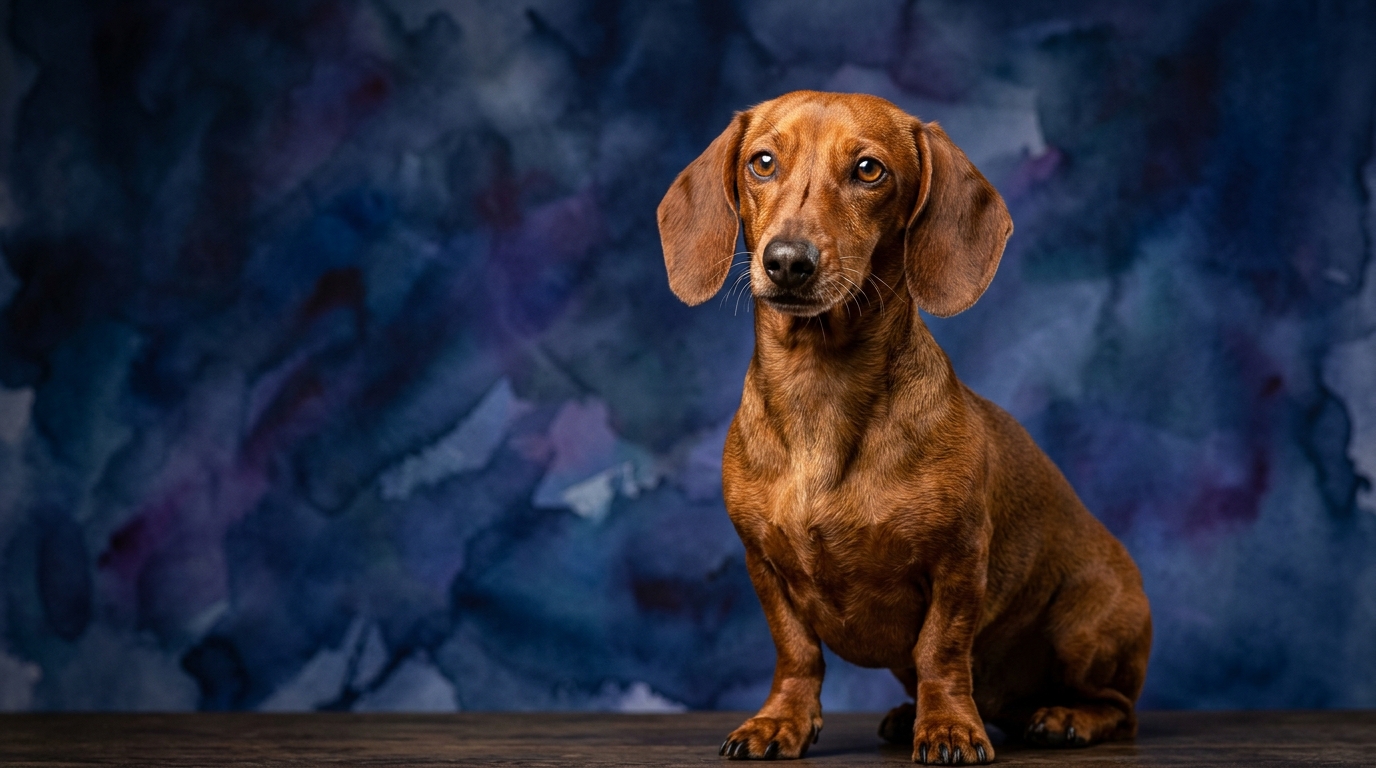
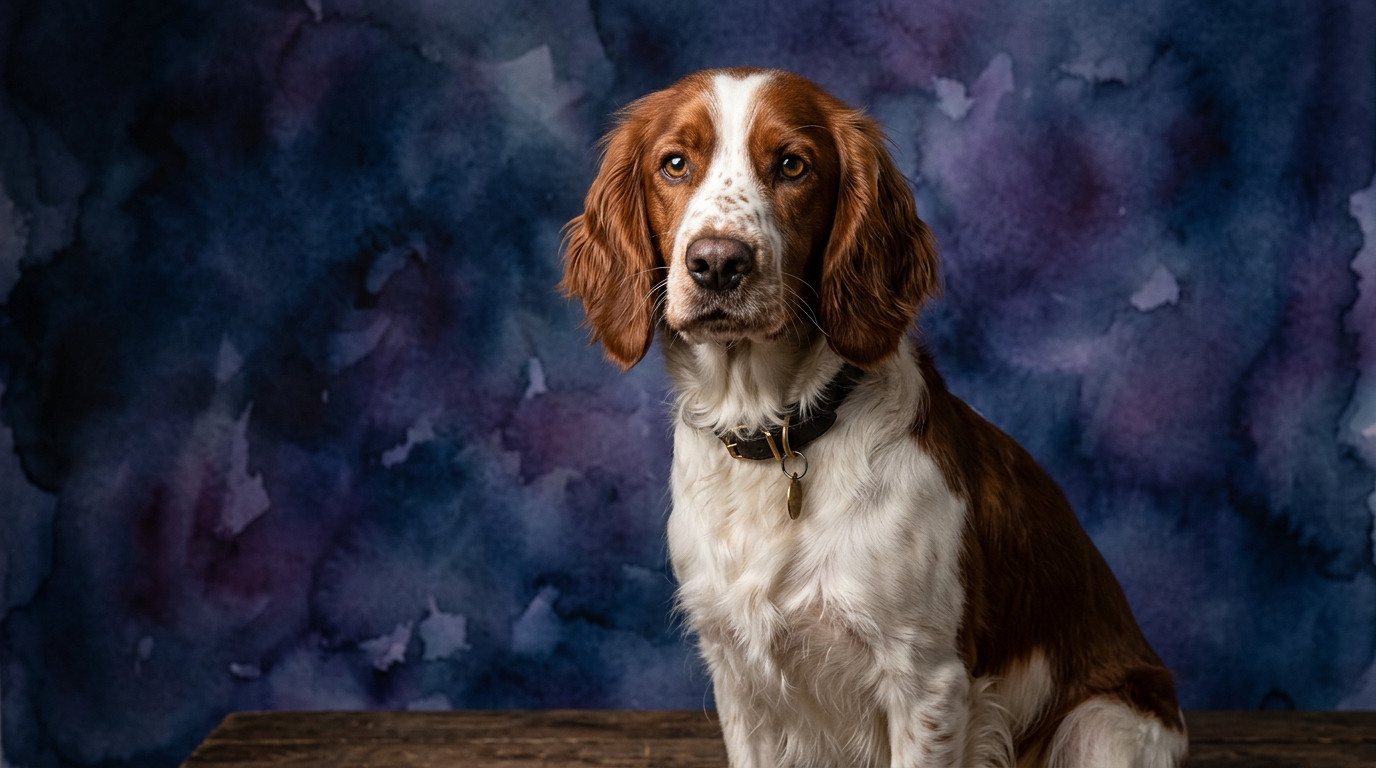
Side-by-Side IQ Profile
**Problem Solving (Dachshund 4/5, Welsh Springer Spaniel 4/5):** Both breeds demonstrate robust problem-solving abilities, though applied in different contexts. The Dachshund's score reflects its history of independent hunting, where it needed to outwit small burrowing animals, navigate complex underground tunnels, and make autonomous decisions without direct human guidance. This involved strategic thinking to flush prey from hidden spaces. The Welsh Springer Spaniel, with an identical score, applies its intellect to collaborative field work, requiring spatial awareness to locate game, adapt to changing terrain, and often retrieve based on subtle handler cues. Their problem-solving is more often a partnership, focused on efficiency and task completion within a team.
**Training Speed (Dachshund 2/5, Welsh Springer Spaniel 4/5):** A significant divergence appears in training speed. The Dachshund's 2/5 indicates a slower uptake of new commands, often due to a strong independent streak and a tendency to prioritize its innate drives over human instruction. Consistency, patience, and high-value rewards are crucial to overcome this. In contrast, the Welsh Springer Spaniel's 4/5 signifies a quicker learning curve and a greater eagerness to respond to cues. Their cooperative nature and focus on their human companions make them generally more receptive to training, allowing for more efficient and rapid acquisition of new behaviors.
**Social Intelligence (Dachshund 3/5, Welsh Springer Spaniel 3/5):** Both breeds share a moderate social intelligence score of 3/5. This suggests they can read human cues to a reasonable extent but might occasionally prioritize their own instincts or comfort over strict social etiquette. Dachshunds can exhibit wariness towards strangers and may require careful socialization to ensure polite interactions. Welsh Springer Spaniels are generally amiable and sociable, but like all dogs, benefit from proper early socialization to develop well-rounded social skills and confidently navigate diverse environments and interactions.
**Instinctive Drive (Dachshund 5/5, Welsh Springer Spaniel 3/5):** This is where the breeds sharply contrast. The Dachshund possesses an exceptionally strong instinctive drive (5/5), primarily manifested as an intense prey drive and an unwavering commitment to scent work. They are built to pursue scents relentlessly, often digging or tunneling with single-minded focus. This profound drive is central to their behavioral makeup and can be a powerful motivator or a significant challenge. The Welsh Springer Spaniel, with a 3/5, has a moderate drive to hunt and retrieve, but it is typically more handler-focused and less likely to lead to independent, prolonged pursuits on a scent trail. Their drive is more readily channeled into cooperative activities.
**Memory (Dachshund 3/5, Welsh Springer Spaniel 4/5):** The Welsh Springer Spaniel’s higher memory score of 4/5 signifies a stronger ability to recall commands, learned tasks, and spatial locations over time. This is particularly beneficial for complex field work, where remembering multi-step instructions and the location of flushed game is critical. The Dachshund's 3/5 memory is decent for routines and commands, but their powerful instinctive drives can sometimes override learned behaviors, leading to a perceived "forgetfulness" when a more compelling stimulus is present. They also tend to remember negative experiences keenly.
Where Dachshund Wins Cognitively
The Dachshund's unique cognitive strength lies in its unparalleled instinctive drive and independent problem-solving capabilities within its specific domain. When confronted with a complex scent trail or the need to navigate a confined, challenging space to reach a perceived 'prey,' the Dachshund's intellectual prowess shines. It can operate with remarkable autonomy, relying on its robust internal compass and persistent drive to achieve a goal it deems important, often outmaneuvering its quarry through sheer tenacity and strategic burrowing. This breed excels in situations demanding unwavering focus on an independent objective, making it a formidable and self-reliant hunter of small game.
Where Welsh Springer Spaniel Wins Cognitively
The Welsh Springer Spaniel's cognitive advantage is rooted in its superior training speed and memory, coupled with a highly cooperative problem-solving approach. Its capacity to quickly grasp and retain complex sequences of commands, even amidst environmental distractions, truly sets it apart. This breed excels in scenarios requiring a strong partnership with a human, where it can apply its spatial memory to recall locations of flushed game or retrieve items over varied terrain, all while maintaining keen focus on its handler's instructions. Its cognitive agility makes it adept at tasks that demand both physical and mental coordination within a structured team environment.
Which is Easier to Train and Why
The Welsh Springer Spaniel generally offers a more straightforward training experience compared to the Dachshund. With a training speed score of 4/5, the Welsh Springer Spaniel demonstrates a quicker uptake of new commands and a greater willingness to comply, often driven by an innate desire to please its human companion. Its moderate instinctive drive (3/5) means that while it possesses a natural working inclination, these drives are typically more manageable and less likely to override learned behaviors or handler instructions. They are often more focused on their human during training sessions, making recall and obedience easier to establish and maintain through positive reinforcement.
In contrast, the Dachshund's training speed of 2/5 indicates a more protracted learning curve. This, combined with its profound instinctive drive (5/5), means that a captivating scent or an opportunity to pursue a perceived quarry can easily eclipse any command. Their independent nature, honed over centuries for solitary hunting, means they often perceive commands as suggestions rather than directives, especially if their instincts are engaged. Training a Dachshund demands exceptional patience, consistent positive reinforcement, and a deep understanding of their innate motivations, often requiring more creative and persistent methods to achieve reliable obedience.
Which Suits Active Owners vs. Relaxed Owners
For active owners seeking a dynamic partner for outdoor adventures and structured activities, the Welsh Springer Spaniel is often a more fitting choice. Their moderate instinctive drive, coupled with their higher training speed and cooperative nature, makes them excellent companions for activities like hiking, agility, or scent work, where they can engage their physical and mental capacities alongside their human. They thrive on having a 'job' and benefit greatly from consistent engagement and opportunities to learn and apply new skills, channeling their energy into productive outlets that satisfy their working heritage.
The Dachshund, while possessing a formidable drive, might be a better fit for owners who appreciate a dog with a strong, independent personality and can provide focused outlets for their specific instincts without necessarily requiring high-octane physical exertion day in and day out. While they need regular exercise, their profound digging and scenting drives mean their activity might involve more focused 'work' like structured scent games or earthdog trials rather than long, cooperative runs. Relaxed owners willing to embrace and manage a strong-willed, scent-driven companion, perhaps with a smaller living space, might find the Dachshund's unique needs more aligned with their lifestyle, provided they are prepared for the significant training commitment.
The Verdict
Choose the Dachshund if you appreciate a tenacious, independent thinker with an unmatched instinctive drive for specific tasks, and are prepared for a patient, consistent training approach.
Opt for the Welsh Springer Spaniel if you desire a cooperative, quick-learning companion eager to engage in joint activities and thrive on consistent, positive training.
🧠 Find Your Pet's IQ Score
Our Pet IQ Lab assessment covers 25+ tests across 5 cognitive dimensions — personalized to your breed.
Take the Full IQ Test →Frequently Asked Questions
Are Dachshunds difficult to train?
Dachshunds can present a training challenge due to their lower training speed (2/5) and extremely high instinctive drive (5/5). They are independent thinkers, often prioritizing a compelling scent or a perceived quarry over human commands, requiring significant patience and consistent, positive reinforcement methods.
Do Welsh Springer Spaniels require a lot of mental stimulation?
Yes, Welsh Springer Spaniels benefit greatly from mental stimulation, thanks to their strong memory (4/5) and history as cooperative working dogs. Activities like obedience training, puzzle toys, scent games, and agility classes help channel their cognitive abilities and cooperative nature, preventing boredom and destructive behaviors.
Which breed is better for a first-time dog owner?
The Welsh Springer Spaniel is generally more suitable for a first-time dog owner due to its higher training speed (4/5) and more cooperative disposition. The Dachshund, with its strong independent streak and lower training speed, typically requires a more experienced owner prepared for its unique behavioral nuances and dedicated training.