Side-by-Side IQ Profile: Spotting the Differences
The Cosmic Pet Pet IQ Lab's framework allows us to dissect the distinct intellectual architectures of these two captivating breeds. While both are recognized dog breeds, their Coren rankings—Dalmatian at #39 and Basenji at #78—hint at underlying differences in their approach to learning and interaction, but these ranks only tell part of a much richer story about their cognitive strengths and challenges.
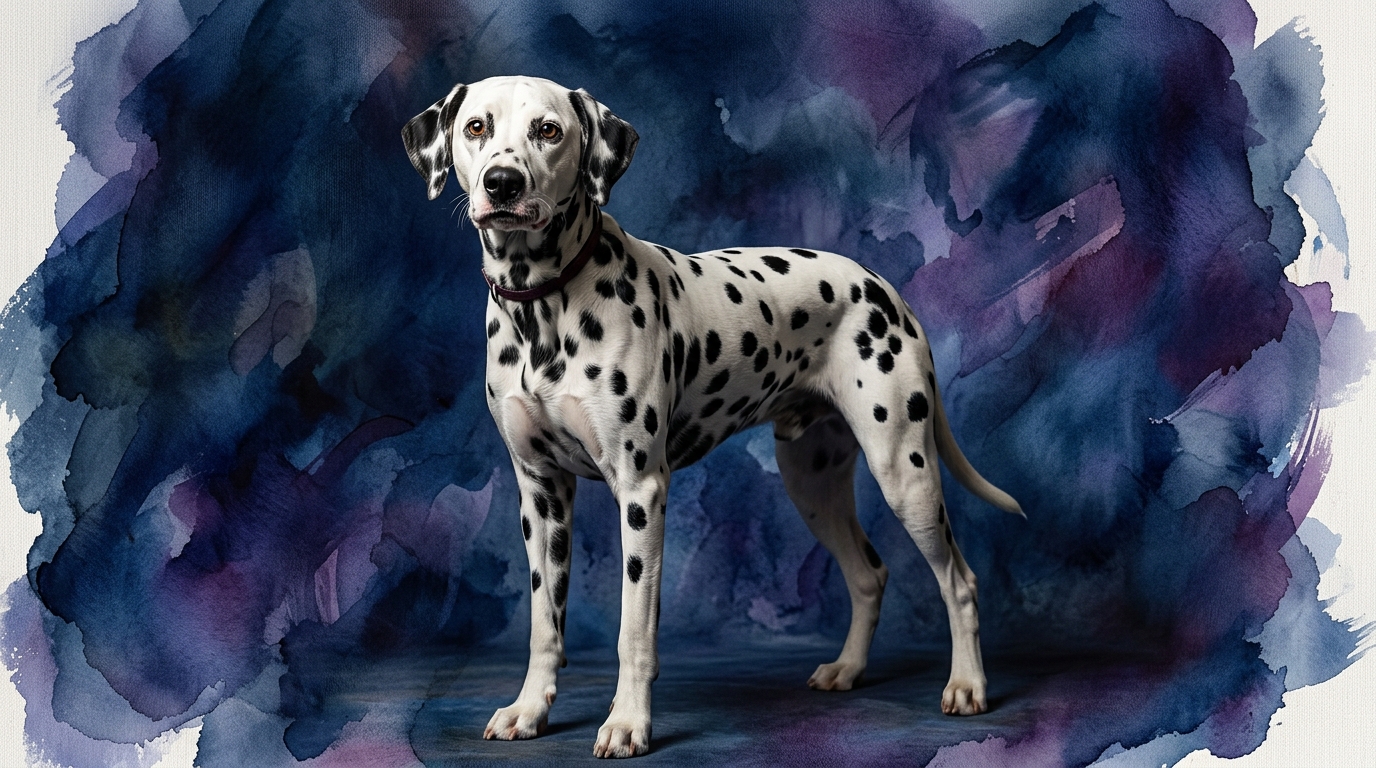
The Dalmatian, historically a carriage dog, exhibits a cognitive profile tailored for partnership and routine. Their Problem Solving is rated 3/5, indicating an ability to understand and execute established patterns, rather than invent novel solutions. Training Speed is also 3/5; they learn at a moderate pace, thriving on consistent methods and positive reinforcement. Where they truly shine is in Social Intelligence, scoring 4/5, reflecting a strong attunement to human cues and a desire for cooperative interaction. Their Instinctive Drive is 4/5, rooted in their need for vigorous exercise and patrolling, while their Memory is a solid 4/5, allowing them to retain learned commands and routines effectively.
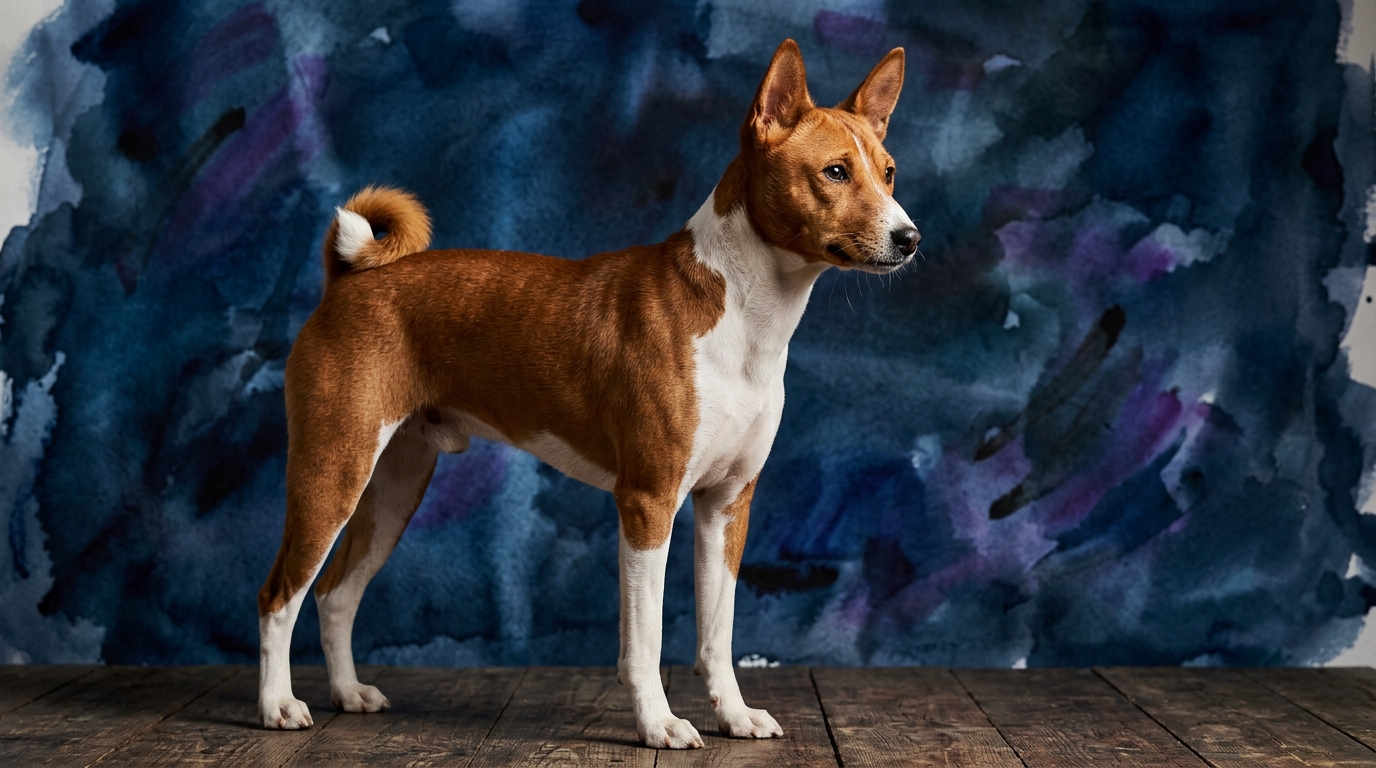
In stark contrast, the Basenji, an ancient African hunting hound, possesses a mind built for independent action and cunning. Their Problem Solving is an impressive 5/5, making them exceptionally adept at figuring out complex situations, be it escaping an enclosure or devising a strategy to acquire a desired item. However, their Training Speed is a challenging 1/5; this isn't due to a lack of capacity, but rather a profound independence and a lower inclination to comply with human directives if it doesn't align with their own interests. Social Intelligence stands at 3/5, as they form deep bonds but express affection and engagement on their own terms, often appearing aloof to strangers. Their Instinctive Drive is a powerful 5/5, manifesting as an intense prey drive and an innate urge to explore and hunt independently. Memory, like the Dalmatian, is 4/5, enabling them to recall past experiences and successful strategies with remarkable clarity.
Where the Dalmatian Wins Cognitively
The Dalmatian's cognitive strengths lie primarily in their capacity for cooperative engagement and predictable learning. Their 4/5 Social Intelligence makes them exceptionally responsive to human interaction, eager to participate in family life and form a strong, reciprocal bond. This means they are more inclined to seek out human guidance and work alongside their owners in various activities, from structured obedience to casual companionship.
Furthermore, their combination of 3/5 Problem Solving and 4/5 Memory allows them to excel in learning and consistently performing established routines. While they may not invent new solutions, they are reliable partners in tasks that require adherence to sequences and commands. This makes them particularly suited for owners who appreciate a dog that integrates smoothly into a structured lifestyle and enjoys engaging in shared activities.
Where the Basenji Wins Cognitively
The Basenji's cognitive prowess shines in its unparalleled autonomous problem-solving capabilities. With a 5/5 rating, they are master strategists, constantly analyzing their environment for opportunities and devising ingenious ways to achieve their objectives. This makes them incredibly resourceful and adaptable, capable of navigating complex situations independently, whether it's outsmarting a gate latch or locating a hidden treat.
Their equally strong 5/5 Instinctive Drive gives them an acute awareness of their surroundings and a profound ability to act on their primal impulses. This translates into exceptional sensory acumen and an inherent capacity for independent decision-making in the field. This ancient, self-sufficient intelligence means a Basenji often possesses a deep understanding of cause and effect within their world, even if it doesn't align with human expectations.
Which is Easier to Train, and Why?
When it comes to conventional training, the Dalmatian generally presents a more straightforward experience. Their 3/5 Training Speed, coupled with their 4/5 Social Intelligence, means they are typically more receptive to human instruction and eager to please their handlers. They thrive on consistency, positive reinforcement, and clear communication, viewing training as a collaborative effort. While they require patience and a firm but gentle hand, their inherent desire to work alongside people makes the learning process a rewarding partnership.
The Basenji, on the other hand, is significantly more challenging to train in the traditional sense, a direct consequence of their 1/5 Training Speed and their 5/5 Problem Solving. Their independence means they often prioritize their own agenda over human commands. They are quick to learn what benefits *them* but less inclined to perform actions simply to please an owner. Training a Basenji demands immense patience, creativity, and a deep understanding of their unique motivations, often requiring owners to make training feel like a game or a puzzle the Basenji solves for its own gain, rather than simple obedience. Their high instinctive drive also means they are easily distracted by environmental stimuli, further complicating focused training sessions.
Which Suits Active Owners vs. Relaxed Owners?
Dalmatians are ideally suited for active owners who relish structured physical engagement and enjoy a canine partner in their pursuits. Their 4/5 Instinctive Drive means they require substantial daily exercise, such as long runs, vigorous play, or participation in dog sports like agility or canicross. Their high social intelligence means they genuinely enjoy these activities *with* their people, thriving on shared experiences and consistent interaction. A relaxed owner unable to meet their considerable exercise and mental stimulation needs would likely find a Dalmatian becoming restless or developing undesirable behaviors.
Basenjis demand active and, crucially, experienced owners who appreciate an independent spirit and are prepared for a dog with an exceptionally high drive. Their 5/5 Instinctive Drive combined with 5/5 Problem Solving means they need significant physical and mental outlets, often on their own terms. They excel with owners who can provide secure, expansive environments for exploration, engage them in creative puzzle games, and understand their strong prey drive. They are not for relaxed owners; their independence and resourcefulness mean they require constant vigilance, secure fencing, and engaging activities to prevent boredom, which can lead to inventive escapes or destructive behaviors.
The Verdict: Choosing Your Canine Companion
The Verdict
Choose a Dalmatian if you seek a cooperative, socially engaged canine partner who thrives on consistent training, structured activities, and a strong bond, and if you can provide ample physical exercise and mental stimulation. They are a true team player.
Choose a Basenji if you are an experienced owner who values an independent, highly resourceful companion, appreciates unique problem-solving skills, and are prepared for a challenging yet rewarding training journey, providing secure environments and outlets for their profound instinctive drives.
🧠 Find Your Pet's IQ Score
Our Pet IQ Lab assessment covers 25+ tests across 5 cognitive dimensions — personalized to your breed.
Take the Full IQ Test →Frequently Asked Questions
Are Basenjis truly untrainable?
No, Basenjis are not untrainable; rather, they learn very differently from many other breeds. Their 1/5 training speed rating reflects a low motivation to comply with human commands if they don't see an immediate benefit or if it conflicts with their own strong independent will. Training requires immense patience, creativity, and understanding of their unique motivations, often making it feel more like a negotiation than a command-and-response.
Do Dalmatians require a lot of exercise?
Yes, Dalmatians require significant daily exercise. Bred as carriage dogs, they possess a strong instinctive drive (4/5) for running and patrolling. Without adequate physical activity and mental engagement, they can become bored, restless, and may develop behavioral issues. Consistent, vigorous exercise is crucial for their well-being.
Which breed is generally better with children?
While individual temperament and socialization play the biggest role, Dalmatians, with their higher social intelligence (4/5) and inclination towards cooperative family engagement, are generally considered more naturally inclined to interact positively with children, especially when well-socialized. Basenjis (3/5 social intelligence) can be devoted to their families but are often more independent and may prefer interactions on their own terms, requiring careful supervision with children who may not understand their nuanced cues.