Side-by-Side IQ Profile
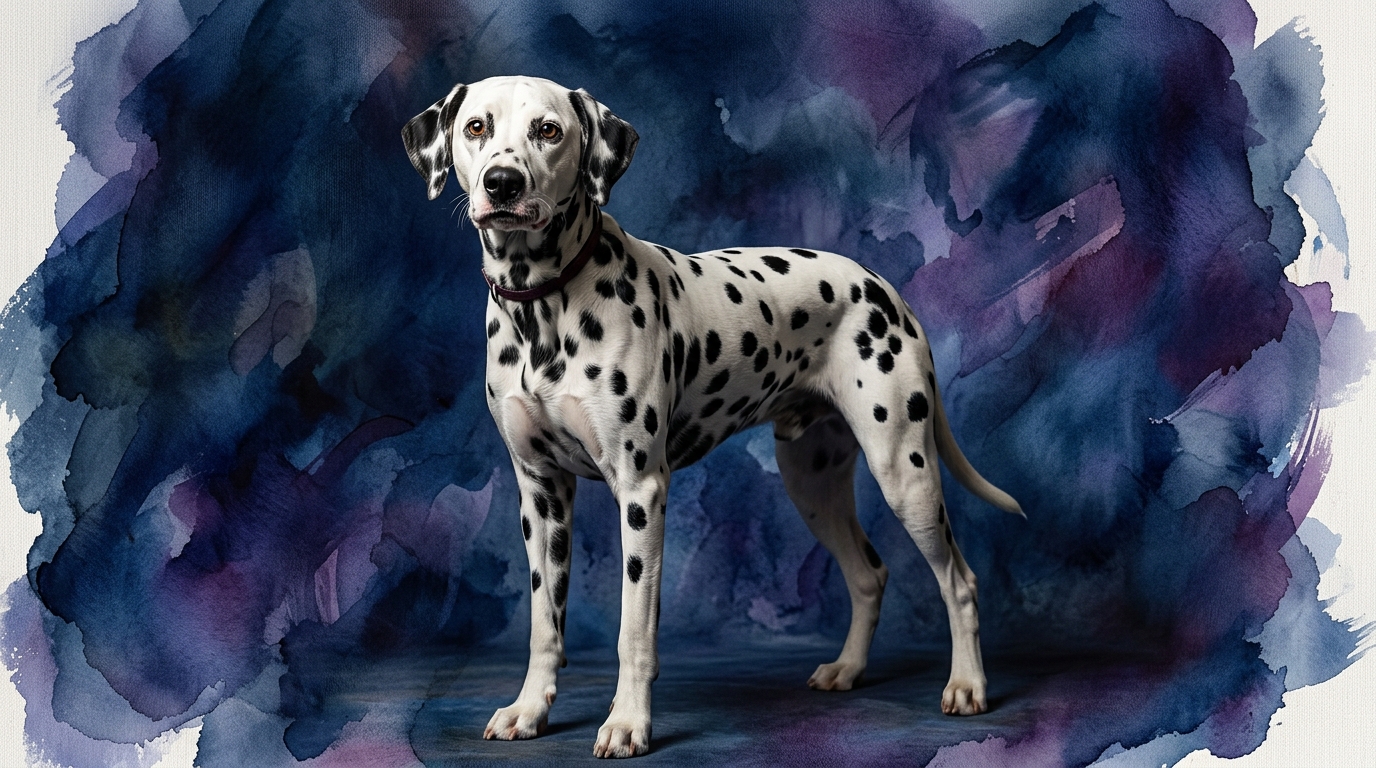
The Cosmic Pet Pet IQ Lab's five-dimensional framework offers a nuanced look at canine intelligence. The Dalmatian, with a Coren rank of #39, shows a balanced cognitive profile: Problem Solving 3/5 and Training Speed 3/5 suggest moderate learning capabilities. However, they truly excel in Social Intelligence (4/5), reflecting strong human connection; Instinctive Drive (4/5), indicating a robust need for activity and purpose; and Memory (4/5), allowing for effective retention of learned behaviors. This profile aligns with their historical role as adaptable, engaged companions.
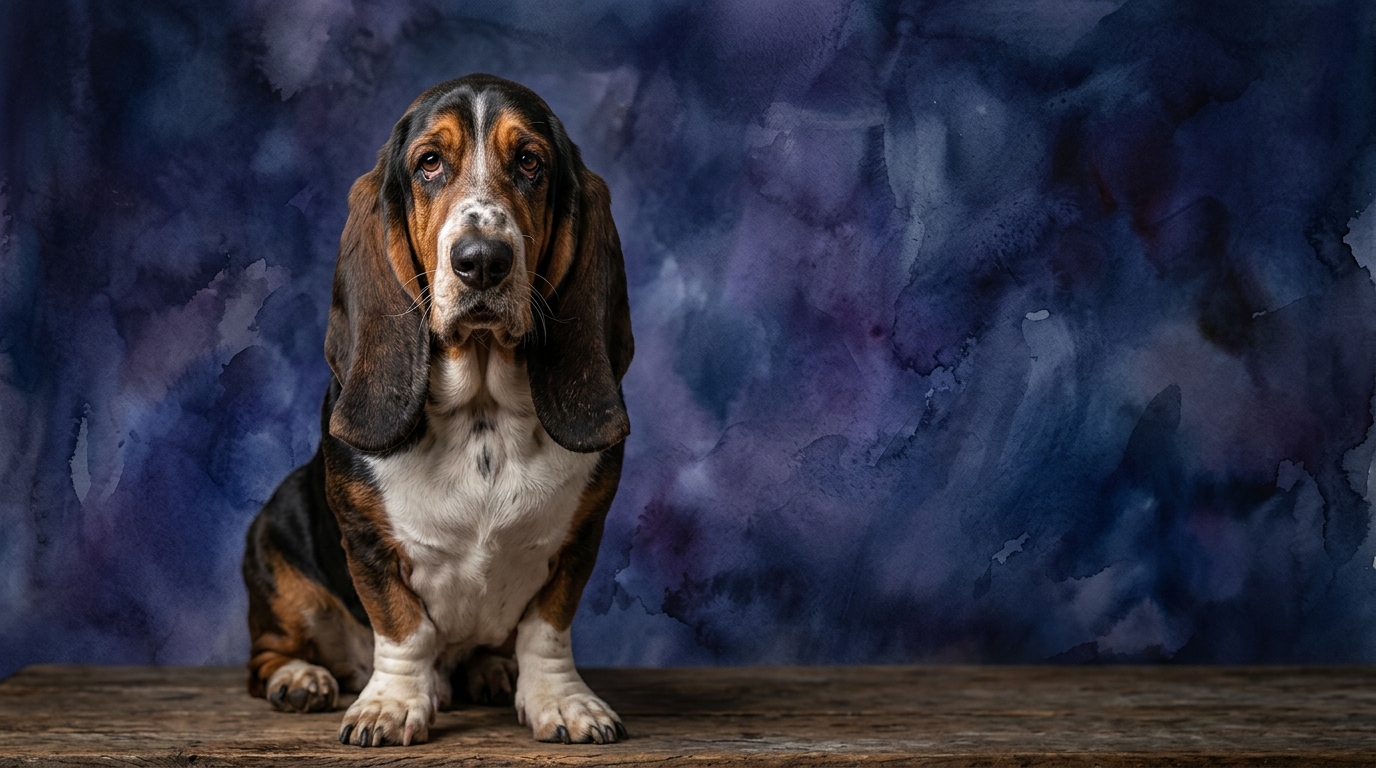
In contrast, the Basset Hound, ranked #71 by Coren, presents a highly specialized cognitive makeup. Consistently scoring 3/5 across all dimensions – Problem Solving, Training Speed, Social Intelligence, Instinctive Drive, and Memory – their intelligence is functional and purpose-driven, tailored to their heritage as scent hounds. Their scores indicate a capacity for learning and interaction that is steady rather than flashy, deeply rooted in their primary instinct for olfactory pursuit.
Where Dalmatian Wins Cognitively
The Dalmatian's cognitive edge is clear in their higher scores for Social Intelligence (4/5), Instinctive Drive (4/5), and Memory (4/5). Their superior social intelligence means they are often more attuned to human cues, actively seeking interaction and proving highly responsive companions. This heightened awareness, coupled with a strong instinctive drive for activity and purpose, makes them eager participants in family life and structured activities. Furthermore, their excellent memory allows them to quickly learn and retain complex routines and commands, making them reliable and consistent learners.
Where Basset Hound Wins Cognitively
While not numerically superior in any single category, the Basset Hound's cognitive profile represents a triumph of specialized adaptation. Their 3/5 score in Problem Solving is intensely focused on the intricate challenge of scent trailing, showcasing an unparalleled ability to interpret complex olfactory information with unwavering persistence. This highly specialized problem-solving, coupled with an Instinctive Drive (3/5) profoundly concentrated on scenting, makes them the ultimate specialists in their field. Their memory (3/5) supports this by recalling specific scent profiles, forming a unique, effective cognitive strategy for their ancient purpose.
Which is Easier to Train and Why
Despite both breeds scoring 3/5 in Training Speed, the Dalmatian generally proves easier for traditional obedience due to their higher Social Intelligence (4/5) and Memory (4/5). Their inherent desire to interact and please their humans makes them more motivated by praise and connection, enabling them to quickly grasp and consistently execute commands. The Basset Hound, with its lower social intelligence and powerful scent drive, often requires a more patient and creative approach; their single-minded pursuit of a compelling scent can easily override human commands, necessitating highly engaging, reward-based methods to capture their attention.
Which Suits Active Owners vs. Relaxed Owners
The Dalmatian, with its 4/5 Instinctive Drive and 4/5 Memory, thrives with active owners who can provide substantial physical and mental stimulation through activities like running, hiking, or dog sports. They are eager partners for adventure, flourishing when their considerable stamina and social intelligence are channeled into productive engagement. The Basset Hound, conversely, is better suited for relaxed owners who appreciate a calmer pace. While they need moderate daily walks and mental engagement, their 3/5 Instinctive Drive is primarily focused on scent work, making them content with exploring smells and enjoying comfortable routines rather than high-octane physical challenges.
The Verdict
You're an active individual or family seeking a highly engaged, socially responsive companion who thrives on consistent training, physical activity, and mental challenges. They excel when their strong instinctive drive and excellent memory are channeled into purpose, making them eager participants in an adventurous lifestyle.
You appreciate a calm, independent companion with a profound, specialized cognitive gift for scent work, and you're prepared to accommodate their unique motivations with patience and understanding. They are ideal for relaxed owners who can provide moderate exercise and plenty of opportunities for olfactory exploration.
🧠 Find Your Pet's IQ Score
Our Pet IQ Lab assessment covers 25+ tests across 5 cognitive dimensions — personalized to your breed.
Take the Full IQ Test →Frequently Asked Questions
Are Dalmatians truly smarter than Basset Hounds in a general sense?
Based on The Cosmic Pet Pet IQ Lab's metrics, Dalmatians score higher in social intelligence, instinctive drive, and memory, suggesting a broader range of general cognitive adaptability and responsiveness. However, Basset Hounds possess a highly specialized problem-solving ability and instinctive drive centered around scent, which is a profound form of intelligence in its own right, albeit less generalized.
Can Basset Hounds be trained for complex tasks beyond scent work?
Yes, Basset Hounds can certainly learn complex tasks, though their 3/5 training speed and independent, scent-driven nature mean it may require more patience and creative, high-value rewards than with some breeds. Their problem-solving (3/5) allows them to figure out new challenges, but their motivation is often best tapped when tasks relate to their natural instincts or are made highly engaging.
How does instinctive drive impact daily life for these breeds?
For Dalmatians, their 4/5 instinctive drive translates to a need for consistent physical activity and mental engagement, often manifesting as a desire to run, play, and participate in family activities. For Basset Hounds, their 3/5 instinctive drive is almost singularly focused on scent, meaning they will be drawn to follow interesting smells, requiring secure environments and careful management during walks to prevent them from wandering off.