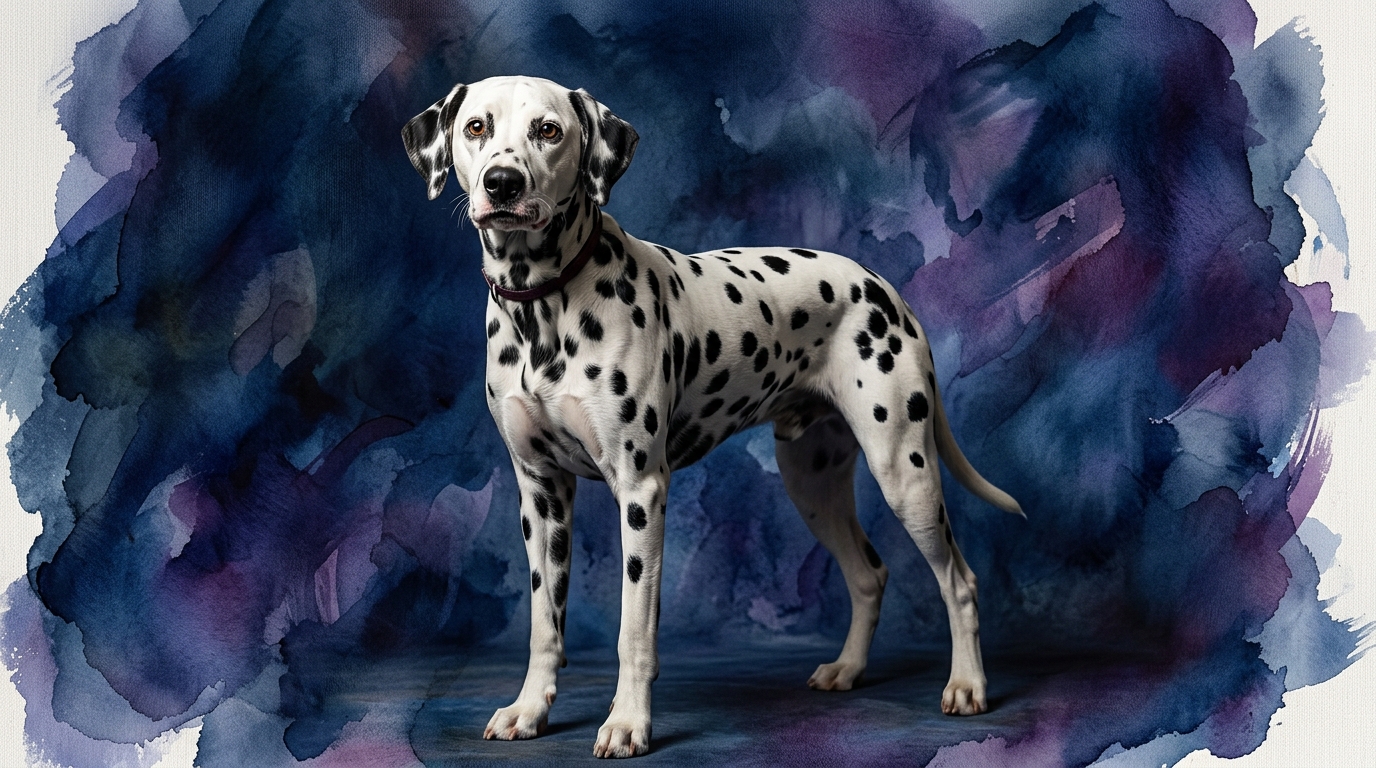
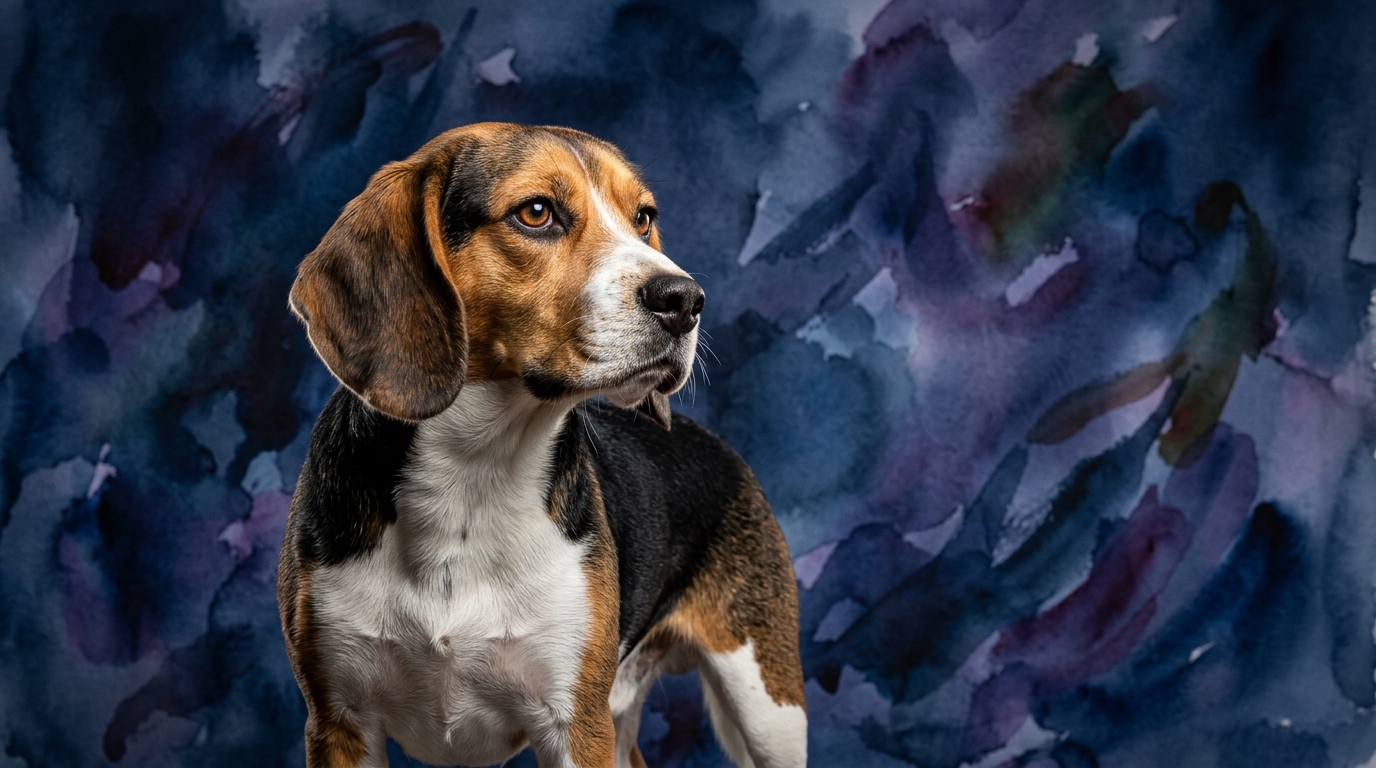
The Cosmic Pet Pet IQ Lab: Dalmatian vs. Beagle Intelligence Profile
At The Cosmic Pet Pet IQ Lab, we delve into the specific cognitive dimensions that define each breed, moving beyond generic labels to understand their unique mental architectures. For the Dalmatian, a breed historically associated with coaches and sustained activity, their cognitive profile reveals a balanced yet distinct set of abilities. Their Problem Solving is rated at 3/5, indicating a capacity for moderate challenges, often relying on learned patterns rather than independent innovation, though they can certainly tackle new puzzles. Training Speed stands at 3/5, suggesting they learn new commands at a respectable pace, responding well to clear, consistent instruction. Where Dalmatians truly shine is in Social Intelligence, scoring a robust 4/5; they are highly attuned to human emotional states and family dynamics, often seeking connection and understanding their role within the household. Their Instinctive Drive is 4/5, reflecting a substantial internal motivation tied to their historical need for sustained physical activity and a sense of purpose alongside horses and carriages, requiring outlets for this energy. Finally, their Memory is strong at 4/5, allowing them to recall complex sequences and past interactions with accuracy, making them reliable in remembering commands and routines.
The Beagle, bred for scent-tracking, presents a different but equally compelling cognitive makeup. Their Problem Solving is rated at 4/5, which is particularly strong when a scent-driven reward is involved; they exhibit remarkable ingenuity in overcoming obstacles to reach their olfactory goal, often employing creative solutions. However, their Training Speed stands at 2/5, indicating they can be slower to pick up new commands due to their independent nature and overwhelming focus on scent, often prioritizing their nose over human instruction. Social Intelligence for the Beagle is 3/5; while generally friendly and enjoying company, their primary social focus often leans towards canine companions and environmental exploration rather than intricate human emotional nuances. Their Instinctive Drive is an exceptional 5/5, making them relentless trackers driven by their nose above almost all else, a profound cognitive compulsion. Their Memory is also strong at 4/5, especially for scent trails, locations, and routines connected to their primary hunting instinct, demonstrating excellent recall for their specialized tasks.
Where the Dalmatian Wins Cognitively
The Dalmatian's cognitive edge lies significantly in their Social Intelligence (4/5), a dimension where they surpass the Beagle. This means Dalmatians are typically more attuned to the subtle cues of human communication, capable of reading emotional states and adapting their behavior accordingly. They often seek to understand their owner's intentions and desires, making them highly interactive companions who thrive on participation in family life and respond well to social feedback. This cognitive strength allows them to integrate more seamlessly into human social structures, often forming deep, empathetic bonds that are foundational to their companionship. Furthermore, their slightly higher Training Speed (3/5) compared to the Beagle's 2/5 suggests a greater readiness to absorb and respond to structured training. This indicates a more straightforward path to teaching complex behaviors when consistent, positive reinforcement methods are employed, as their social awareness often translates into a desire to please and cooperate with their human counterparts.
Where the Beagle Wins Cognitively
The Beagle's cognitive strengths are powerfully rooted in their ancestral purpose, giving them a distinct advantage in Problem Solving (4/5) and an unparalleled Instinctive Drive (5/5). While Dalmatians are capable problem-solvers, Beagles demonstrate superior ingenuity, particularly when their powerful nose is engaged. They are masters at navigating complex environments, bypassing obstacles, and devising strategies to follow a scent trail, often exhibiting persistent and creative solutions that might surprise an observer. This exceptional problem-solving ability is inextricably linked to their dominant Instinctive Drive (5/5), which is dedicated almost entirely to scent work. This drive is not merely a preference; it's a profound cognitive compulsion that fuels their focus and determination. For a Beagle, the world is a tapestry of smells, and deciphering it is their ultimate cognitive challenge and reward, making them experts in olfactory discrimination, tracking, and independent exploration.
Which is Easier to Train and Why
When it comes to ease of training, the Dalmatian generally presents a more direct path than the Beagle, primarily due to differences in their Training Speed and Instinctive Drive. Dalmatians, with their Training Speed of 3/5 and higher Social Intelligence (4/5), are often more inclined to engage with their human trainers, seeking connection and understanding the desired outcomes. They respond well to positive reinforcement and consistency, showing a respectable capacity to learn and retain commands, making them suitable for various obedience and activity-based training. In contrast, the Beagle's Training Speed of 2/5 is significantly impacted by their overwhelming Instinctive Drive (5/5). A Beagle's nose is a powerful master; once a compelling scent is detected, their focus on human instruction diminishes dramatically, and their independent hound nature often takes over. This independent, scent-driven nature means that while they are certainly capable of learning, their attention is frequently diverted, making consistent engagement and reliable recall a persistent challenge. Training a Beagle requires immense patience, creativity, and an understanding of their deep-seated desire to follow a trail, often necessitating specialized techniques to overcome their natural inclinations.
Which Suits Active Owners vs. Relaxed Owners
Understanding the cognitive and physical demands of each breed is crucial for matching them with the right lifestyle. Dalmatians, with their Instinctive Drive of 4/5 and historical role as endurance companions, are best suited for active owners who can provide consistent, vigorous exercise and mental engagement. Their social intelligence means they thrive on interactive activities like structured obedience training, agility, or long runs with their human, channeling their energy into purposeful tasks. They appreciate a structured routine that includes both physical exertion and social interaction, making them ideal for individuals or families committed to an active, engaged lifestyle. Conversely, Beagles, with their exceptional Instinctive Drive of 5/5 and unwavering focus on scent, demand a specific kind of “active” owner: one who is prepared to embrace and facilitate their profound need for olfactory exploration. This means owners who enjoy long walks in varied environments, secure off-leash areas for scent work, or engaging in dedicated scent-specific games like tracking or nose work, which taps into their core cognitive strength. A truly relaxed owner, who prefers minimal structured activity, would likely find both breeds challenging, as both possess significant energy and cognitive needs that require consistent outlets to prevent boredom and potential behavioral issues.
The Verdict
Choose a Dalmatian if you value a socially intelligent companion responsive to human cues, willing to engage in structured activities, and capable of forming deep, interactive bonds, provided you can meet their consistent exercise and mental stimulation needs.
Opt for a Beagle if you are fascinated by primal instinct and a dog driven by an unparalleled sense of smell, prepared to embrace their independent, persistent nature and provide ample opportunities for scent-based exploration and problem-solving, even if it means a slower training journey.
🧠 Find Your Pet's IQ Score
Our Pet IQ Lab assessment covers 25+ tests across 5 cognitive dimensions — personalized to your breed.
Take the Full IQ Test →Frequently Asked Questions
Do Dalmatians bark more than Beagles?
Dalmatians are generally considered moderate barkers, often using their voice to alert or express excitement, especially if under-exercised or bored. Beagles, on the other hand, are renowned for their distinctive baying howl, which they use frequently when on a scent trail or when feeling lonely, making them potentially louder in certain situations.
Are Beagles good with children?
Beagles are typically very good with children, possessing a friendly and tolerant nature that makes them suitable family pets. Their sturdy build and playful demeanor often allow them to handle the boisterous energy of kids well, though supervision is always recommended to ensure respectful interactions from both sides.
What kind of mental stimulation do Dalmatians need?
Dalmatians thrive on mental stimulation that engages their social intelligence and moderate problem-solving skills. This includes obedience training, puzzle toys, interactive games like fetch or hide-and-seek, and opportunities to learn new tricks or participate in dog sports like agility or rally.