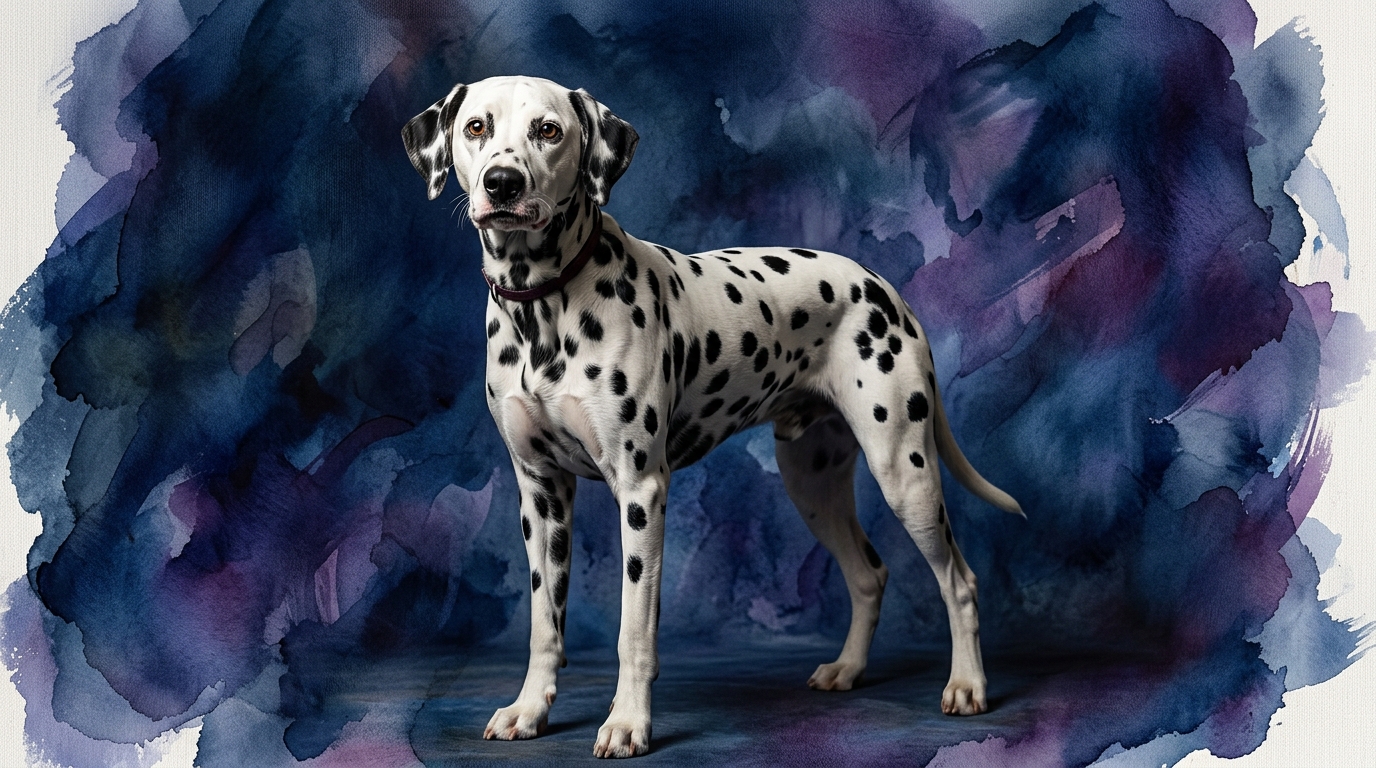
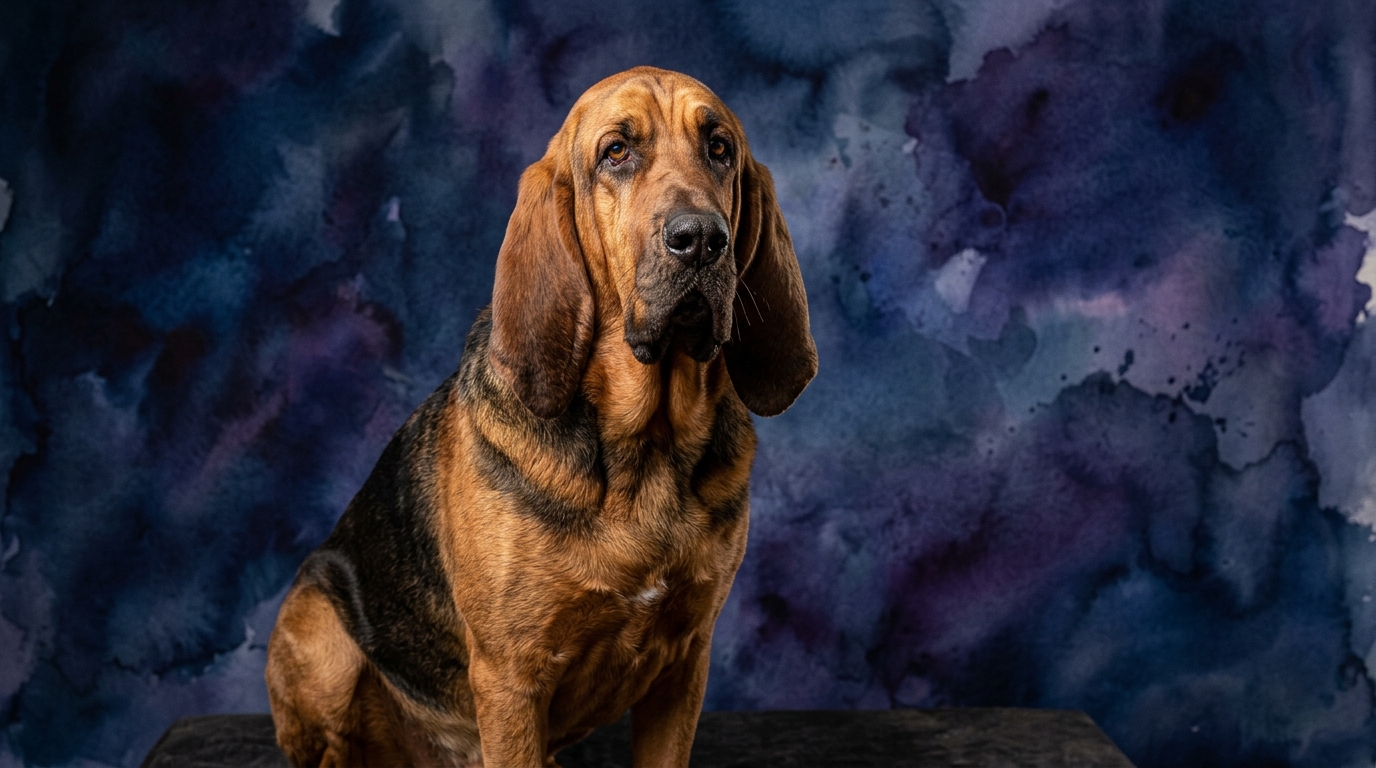
The Cosmic Pet IQ Lab: Side-by-Side Cognitive Profiles
To understand the unique mental landscapes of the Dalmatian and the Bloodhound, The Cosmic Pet IQ Lab analyzes five key cognitive dimensions. These insights reveal why each breed approaches the world, and its human companions, in fundamentally different ways. The Dalmatian, a Non-Sporting breed, registers a Coren rank of #39, suggesting a respectable capacity for working and obedience tasks. In contrast, the Bloodhound, a Hound breed, holds a Coren rank of #74, indicating a more independent and less obedience-focused cognitive makeup.
For the Dalmatian, problem-solving registers at 3/5, indicating a moderate ability to navigate novel situations, often benefiting from human guidance or established routines. Their training speed is also 3/5, suggesting they learn new commands at an average pace with consistent practice. Social intelligence shines at 4/5, highlighting their attunement to human cues and social dynamics, making them responsive companions. An instinctive drive of 4/5 points to a high energy level and a need for engagement, often manifesting as a desire to run or participate in activities. Lastly, their memory stands at 4/5, enabling them to retain learned behaviors and routines effectively.
The Bloodhound presents a distinct cognitive profile, beginning with an exceptional problem-solving score of 5/5, though this is primarily channeled through their specialized olfactory abilities. Their training speed is notably low at 1/5, reflecting a profound independence and a strong focus on their primary drive rather than human-directed tasks. Social intelligence is 2/5, indicating they are less concerned with human social nuances, often appearing aloof as they prioritize their sensory world. Their instinctive drive is a perfect 5/5, representing an overwhelming and singular motivation for scent tracking. Finally, their memory is also a perfect 5/5, particularly for complex scent patterns and sequences, allowing them to recall incredibly intricate trails over time.
Where the Dalmatian Excels Cognitively
The Dalmatian's cognitive strengths lie in its balanced blend of adaptability and social responsiveness. With a social intelligence score of 4/5, Dalmatians are generally more attuned to their human companions' moods and intentions, making them more pliable in various domestic settings. This higher social awareness translates into a greater willingness to engage in cooperative tasks and a quicker understanding of household rules and expectations. Their moderate training speed (3/5) means they are capable of learning a wide range of commands and tricks, especially when training is made interactive and engaging, leveraging their desire for companionship.
Their problem-solving ability, while not extreme, is often integrated with their social intelligence. They might figure out how to open a gate not just through trial and error, but by observing human actions or understanding the subtle cues that lead to desired outcomes. The Dalmatian’s memory (4/5) supports their consistent performance in routines and their ability to recall complex sequences of behaviors, making them reliable participants in dog sports like agility or obedience when properly motivated.
Where the Bloodhound's Cognition Shines
The Bloodhound's cognitive brilliance is almost entirely dedicated to its extraordinary olfactory capabilities. Their 5/5 problem-solving score is not about general intelligence in human terms, but an unparalleled capacity to decipher, follow, and interpret complex scent trails. This requires immense cognitive processing power, discriminating between minute odor differences, filtering out distractions, and reconstructing a narrative solely through scent. This specialized problem-solving is a testament to their evolutionary purpose and makes them invaluable in search and rescue or law enforcement.
Coupled with this is their perfect 5/5 instinctive drive, a relentless internal engine that compels them to track. This drive isn't just a physical urge; it's a powerful cognitive motivation that overrides most other stimuli. Their memory, also a perfect 5/5, is phenomenal for retaining intricate scent patterns and the spatial memory of a trail, allowing them to pick up a lost scent after a significant delay or distinguish between multiple converging tracks. This specialized memory is a marvel of canine cognition, enabling them to perform feats of detection that are beyond almost any other breed.
Training Dynamics: Dalmatian vs. Bloodhound
When it comes to ease of training, the Dalmatian generally presents a more straightforward path. Their social intelligence (4/5) means they are often eager to please and respond well to positive reinforcement methods that strengthen the bond with their handler. Their moderate training speed (3/5) indicates that with consistency, patience, and engaging techniques, they can master a variety of obedience commands and learn complex tasks. Dalmatians appreciate interaction and will often work for praise, toys, or treats, seeing training as a cooperative activity.
The Bloodhound, however, is a significantly greater challenge in traditional obedience. Their training speed of 1/5 and social intelligence of 2/5 mean they are profoundly independent and less motivated by human approval or generalized commands. Their singular focus on scent means that once they lock onto a trail, it is incredibly difficult to divert their attention. Training a Bloodhound requires understanding their powerful instinctive drive (5/5) and finding ways to integrate obedience into their natural inclination to track, rather than expecting them to abandon it. Their Coren rank of #74 directly reflects this difficulty in conventional obedience settings, demanding exceptional patience and specialized approaches from their handlers.
Lifestyle Match: Active vs. Specialized Owners
The Dalmatian, with an instinctive drive of 4/5, thrives with active owners who can provide ample physical exercise and mental engagement. They are athletic and enjoy activities like running, hiking, or participating in dog sports such as agility. Their higher social intelligence means they also benefit greatly from being integrated into family life and participating in various social outings. Owners who enjoy a dynamic lifestyle and want a canine companion to join them on adventures will find the Dalmatian a suitable match, provided they can commit to consistent training and daily stimulation.
The Bloodhound, with its overwhelming 5/5 instinctive drive, requires a very specific type of active owner — one dedicated to channeling their unparalleled scenting abilities. While they may appear calm indoors, their need to track is profound and must be met. This isn't just about general exercise; it's about focused, mentally taxing scent work. Owners must be prepared for long, deliberate tracking sessions, potentially involving specialized training in nose work, mantrailing, or even working with search and rescue organizations. A relaxed owner who cannot commit to providing this specialized outlet will find a Bloodhound challenging, as their unmet drive can lead to frustration and independent, often destructive, scent-driven behaviors.
The Verdict
Choose a Dalmatian if you seek a socially responsive, adaptable companion who enjoys varied activities and can be integrated into a dynamic family life with consistent, engaging training.
Choose a Bloodhound if you are a dedicated individual prepared to harness and channel an extreme, specialized instinctive drive for scent work, understanding their unique cognitive strengths demand exceptional patience in traditional obedience.
🧠 Find Your Pet's IQ Score
Our Pet IQ Lab assessment covers 25+ tests across 5 cognitive dimensions — personalized to your breed.
Take the Full IQ Test →Frequently Asked Questions
Is a Dalmatian a good choice for first-time dog owners?
Dalmatians can be a good choice for first-time owners who are prepared for an active, energetic breed with moderate training needs. Their social intelligence makes them responsive, but their high exercise requirements and need for consistent guidance mean they are not a 'set-it-and-forget-it' pet.
How does Bloodhound problem-solving manifest in daily life?
Bloodhound problem-solving primarily manifests through their scenting capabilities, allowing them to meticulously follow trails and locate hidden objects or people. In daily life, this means they might 'solve' the problem of finding a treat you hid or tracking where a family member went, often to the exclusion of other stimuli.
Do Dalmatians and Bloodhounds get along well with other pets?
Dalmatians, with their higher social intelligence, generally adapt well to other pets, especially if socialized early. Bloodhounds, while not typically aggressive, are often more focused on their scent world than on interacting with other animals, though they can coexist peacefully with proper introductions and supervision.