Side-by-side IQ profile
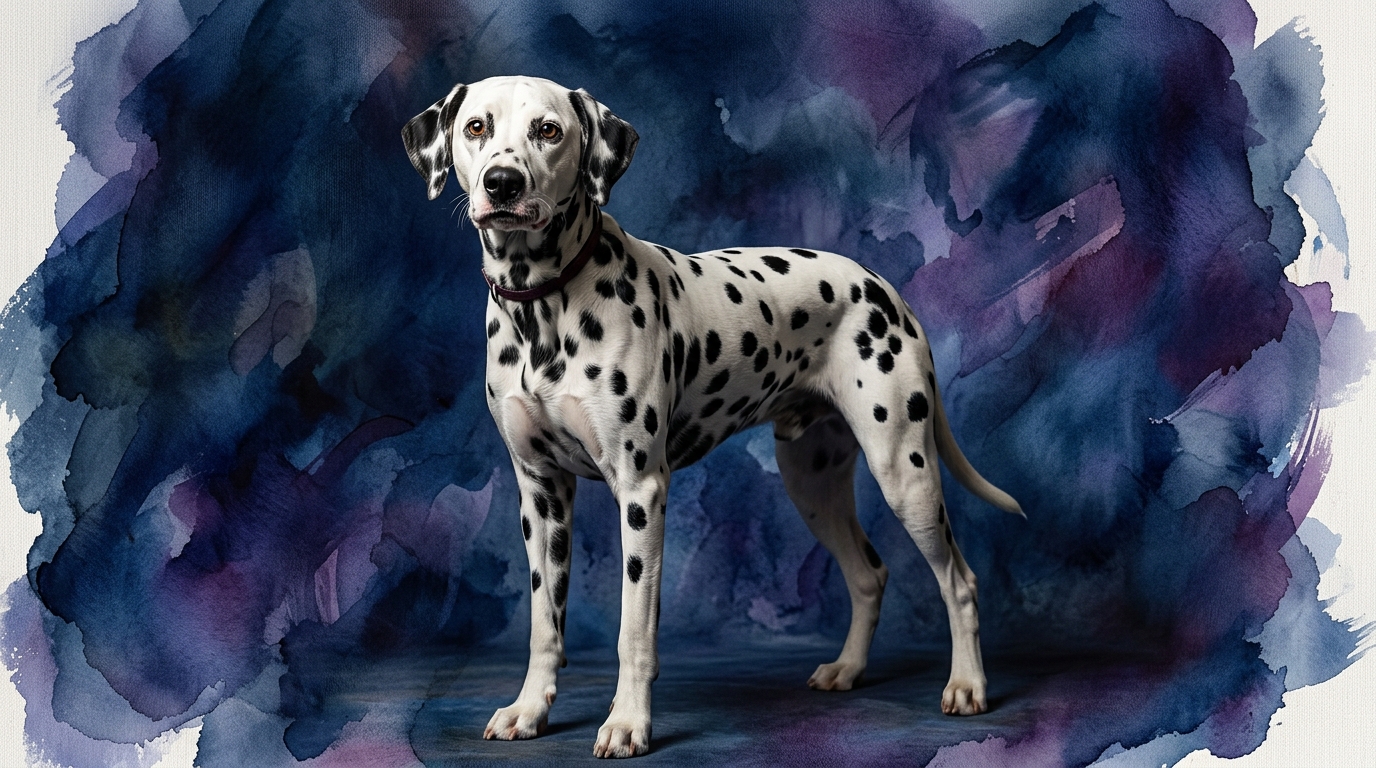
The Cosmic Pet Pet IQ Lab's assessment offers a granular view into the minds of these two breeds. The Dalmatian, a Non-Sporting breed (Coren #39), demonstrates a problem-solving ability rated 3 out of 5, indicating a capacity to figure out puzzles with moderate effort. Its training speed is also 3 out of 5, suggesting a steady learning pace that benefits from consistent methods. Where the Dalmatian truly distinguishes itself is in its social intelligence, scoring 4 out of 5, signifying a strong ability to interpret human cues. This breed also exhibits a robust instinctive drive at 4 out of 5, reflecting a deep-seated motivation for purpose, complemented by a memory score of 4 out of 5 for strong recall.
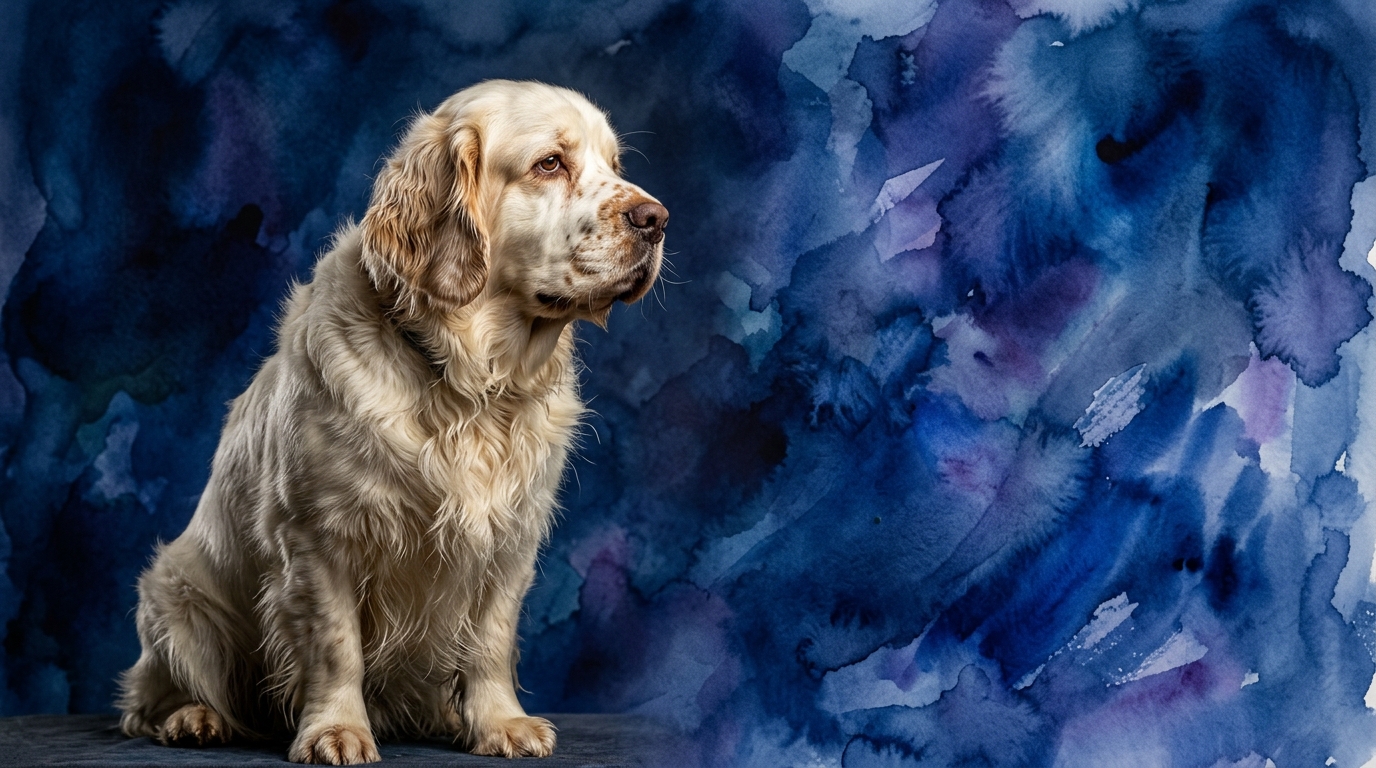
In contrast, the Clumber Spaniel, a Sporting breed (Coren #55), presents a profile of thoughtful deliberation. Its problem-solving score mirrors the Dalmatian's at 3 out of 5, indicating a similar capacity for cognitive challenge, often approached with methodical persistence. The Clumber's training speed is also 3 out of 5, suggesting a need for patient, positive reinforcement. Its social intelligence is rated 3 out of 5, meaning it's attentive and can form strong bonds, but perhaps with less overt expressiveness. The Clumber's instinctive drive is 3 out of 5, a moderate level primarily focused on ancestral scenting tasks, and its memory scores 3 out of 5, suggesting good but not as immediate recall as its spotted counterpart.
Where Dalmatian wins cognitively
The Dalmatian's cognitive profile demonstrates a distinct advantage in areas crucial for dynamic interaction and sustained engagement. Its superior social intelligence (4/5 vs. Clumber's 3/5) means Dalmatians are typically more adept at reading and responding to human emotions and social cues. This translates into a companion often more attuned to the nuances of family life and capable of intricate communication in varied social settings. Furthermore, the Dalmatian's strong instinctive drive (4/5) and memory (4/5) provide a powerful combination for purposeful activities. Historically bred as coach dogs, their drive manifests as a need for a "job" or consistent mental and physical outlets, coupled with the memory to master complex routines. This allows them to excel in activities requiring stamina, focus, and intricate learned behaviors, such as agility or advanced trick training, where recall and adaptation give them an edge.
Where Clumber Spaniel wins cognitively
While the Clumber Spaniel's individual scores might appear numerically lower, its cognitive strengths lie in its specific application of intelligence, particularly its methodical approach and focused persistence. Its problem-solving score of 3 out of 5, while equal to the Dalmatian, is often expressed through deliberate, scent-driven exploration. This breed excels in tasks requiring sustained focus on a singular goal, such as tracking or intricate scent work, where its moderate instinctive drive (3/5) is channeled into unwavering pursuit. The Clumber's moderate social intelligence (3/5) means they are generally amenable and affectionate without being overly demanding, making them calm companions who appreciate quiet companionship. Their steady memory (3/5) and training speed (3/5) mean that once a concept is learned, it is retained reliably, and they are not easily distracted from a task, making them dependable partners for unhurried progress.
Which is easier to train and why
Assessing which breed is "easier" to train requires understanding their individual learning styles, as both share a 3 out of 5 rating for training speed. The Dalmatian, with its higher social intelligence (4/5) and memory (4/5), often appears to grasp new concepts and commands more quickly, being more attuned to human instruction. However, this apparent quickness can be tempered by their strong instinctive drive (4/5), which, if not properly channeled, can manifest as independence or distraction. Training a Dalmatian requires consistent engagement, varied tasks to prevent boredom, and firm but positive leadership to channel their energy effectively.
The Clumber Spaniel, while also having a 3 out of 5 training speed and moderate memory (3/5) and social intelligence (3/5), approaches learning with a more thoughtful, deliberate pace. They are not slow learners, but require patience and clear, reward-based methods to internalize commands. Once a Clumber learns something, they tend to be very reliable. Their moderate instinctive drive (3/5), often directed towards scent work, means they can be incredibly focused on a task, but might be less inclined to perform purely for human approval without clear motivation. They respond best to a calm, consistent trainer who understands their need for positive reinforcement. Neither breed is inherently "difficult," but their cognitive profiles demand different training approaches.
Which suits active owners vs relaxed owners
The distinct cognitive profiles of the Dalmatian and Clumber Spaniel naturally align them with different owner lifestyles. The Dalmatian, characterized by its robust instinctive drive (4/5) and strong memory (4/5), thrives with active owners who can provide ample opportunities for physical exertion and mental engagement. Their historical role as endurance trotters means they possess significant stamina and a fundamental need for purposeful activity. Owners who enjoy running, hiking, or participating in dog sports like agility will find a Dalmatian a highly compatible and rewarding partner, benefiting from their keen social intelligence and memory in learning complex routines.
Conversely, the Clumber Spaniel, with its moderate instinctive drive (3/5) and more deliberate cognitive pace, is better suited for more relaxed owners. While they still require regular exercise for health, their needs are less intense. Clumbers enjoy leisurely walks, engaging in scent-based games, or simply being a calm, observant presence within the home. They are content with a comfortable routine and appreciate owners who provide consistent, gentle interaction and opportunities for methodical, low-impact activities. They are excellent companions for individuals or families seeking a thoughtful, affectionate dog that doesn't demand constant, high-energy stimulation.
The Verdict
For active individuals or families who can provide consistent engagement, varied mental challenges, and ample physical exercise to channel their strong instinctive drive and social intelligence, the Dalmatian offers a vibrant, highly interactive companion.
For those seeking a thoughtful, persistent companion that thrives on methodical tasks, moderate activity, and enjoys a more mellow, yet still interactive, home environment, the Clumber Spaniel presents a wonderfully agreeable choice.
🧠 Find Your Pet's IQ Score
Our Pet IQ Lab assessment covers 25+ tests across 5 cognitive dimensions — personalized to your breed.
Take the Full IQ Test →Frequently Asked Questions
Are Dalmatians difficult to train due to their independence?
Dalmatians possess a strong instinctive drive and moderate training speed, meaning they learn but can be independent if not properly engaged. Consistent, positive reinforcement and engaging training methods are key to harnessing their intelligence and strong memory effectively, transforming potential independence into purposeful focus.
Do Clumber Spaniels require a lot of exercise?
Clumber Spaniels have a moderate instinctive drive, requiring regular but not intense exercise. Daily walks, scent games, and opportunities for mental stimulation are important to keep them content without needing high-impact, strenuous activities, making them suitable for owners with a more relaxed pace.
How do their social intelligence scores impact family life?
A Dalmatian's higher social intelligence (4/5) means they are often more attuned to family dynamics and human emotions, potentially seeking more interactive roles. A Clumber Spaniel's moderate score (3/5) indicates they are agreeable and affectionate but might be less overtly communicative or demanding of constant social interaction, appreciating a calm, present companionship.