Side-by-Side IQ Profile: Unpacking Cognitive Dimensions
At The Cosmic Pet Pet IQ Lab, we evaluate canine intelligence across five key dimensions, providing a nuanced understanding beyond simple obedience. For both the Dalmatian and the German Pinscher, we observe fascinating similarities and subtle, yet significant, differences.
Both breeds register a 3/5 in **Problem Solving**, indicating a moderate capacity for independent thought and navigating novel challenges. They are capable of learning to overcome obstacles and figure out simple puzzles, but typically won't devise complex, multi-step solutions without human guidance. This suggests they are adaptable learners, rather than innate innovators.
Similarly, both the Dalmatian and the German Pinscher score 3/5 in **Training Speed**. This means they acquire new commands and routines at a moderate pace, requiring consistent, clear instruction and a fair amount of repetition to solidify behaviors. Owners of both breeds will find that patience and positive reinforcement are crucial for effective learning.
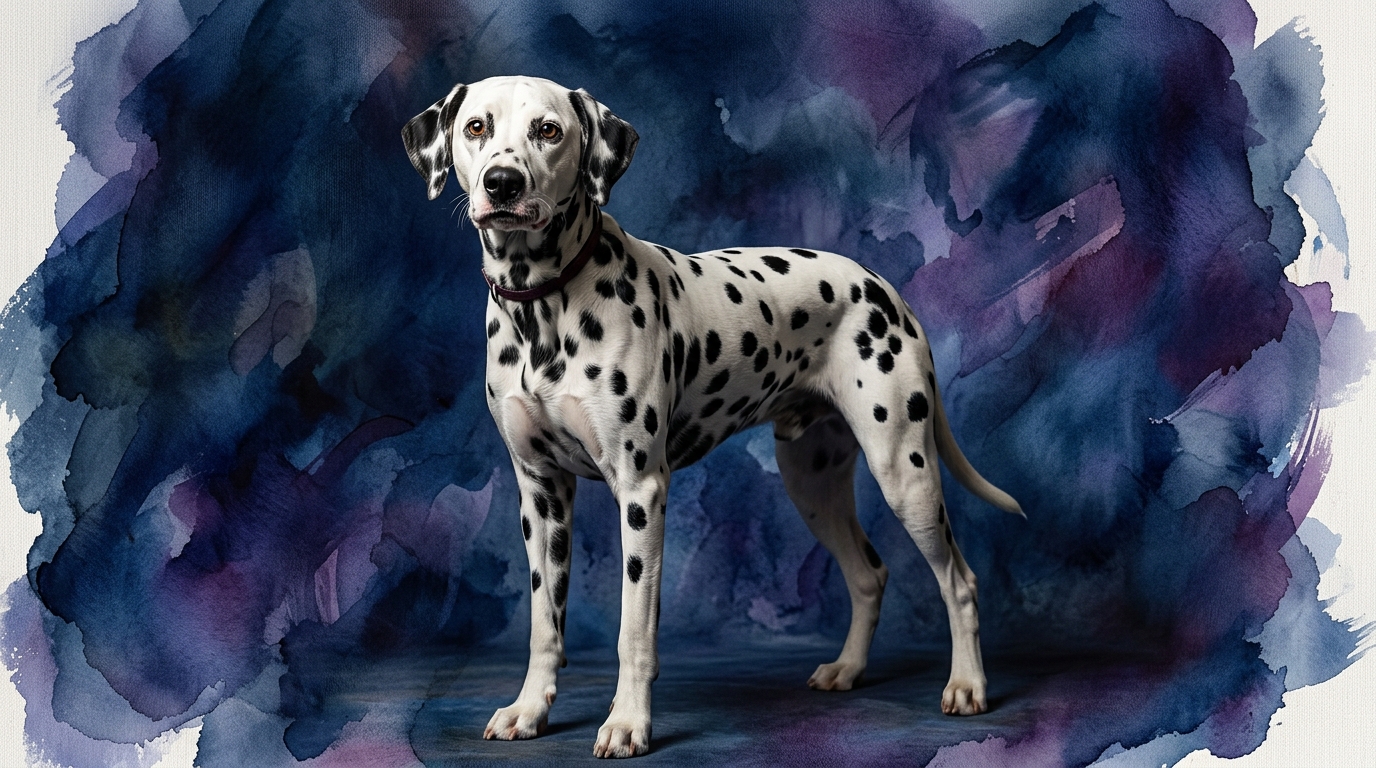
Where the breeds begin to diverge is in **Social Intelligence**. The Dalmatian earns a commendable 4/5, reflecting a strong aptitude for understanding human cues, emotions, and social dynamics. They tend to be highly attuned to their family's moods and social structure, often seeking interaction and responding well to social feedback. The German Pinscher, on the other hand, scores 3/5, indicating a good, but more independent, understanding of social interactions. They are responsive but might not possess the same level of emotional sensitivity or desire to please purely for social reward.
**Instinctive Drive** also presents a notable difference. The Dalmatian achieves a 4/5, embodying a powerful inherent drive for sustained activity, endurance, and perhaps a guarding instinct honed by centuries of trotting alongside coaches. This drive is often focused and robust. The German Pinscher shows a 3/5, possessing moderate drives reflecting its historical roles as a versatile farm dog, including vermin control and general protection, but without the intense, specialized focus seen in the Dalmatian.
Finally, **Memory** reveals another distinction. The Dalmatian scores 4/5, demonstrating a superior ability to retain learned behaviors, commands, and past experiences over time. Once a Dalmatian learns something, it tends to stick firmly. The German Pinscher registers 3/5, possessing a good memory for routines and commands, but perhaps not with the same depth or longevity as its spotted counterpart, potentially requiring more frequent refreshers.
Where the Dalmatian Wins Cognitively
The Dalmatian's cognitive strengths shine particularly in its social attunement and remarkable retention. With a 4/5 in Social Intelligence, these dogs are often deeply connected to their human companions, adept at reading subtle body language and vocal cues. This makes them highly responsive to their family's emotions and needs, fostering a strong, empathetic bond. Their superior Memory score of 4/5 means that once a Dalmatian masters a command or routine, it becomes deeply ingrained, making long-term training highly effective. This excellent recall extends to remembering people, places, and experiences, contributing to their reputation for reliability in familiar settings. Furthermore, their powerful Instinctive Drive (4/5) for endurance and sustained activity, while requiring channeling, is a significant cognitive asset for tasks demanding focus and stamina, such as extended exercise or specialized dog sports.
Where the German Pinscher Wins Cognitively
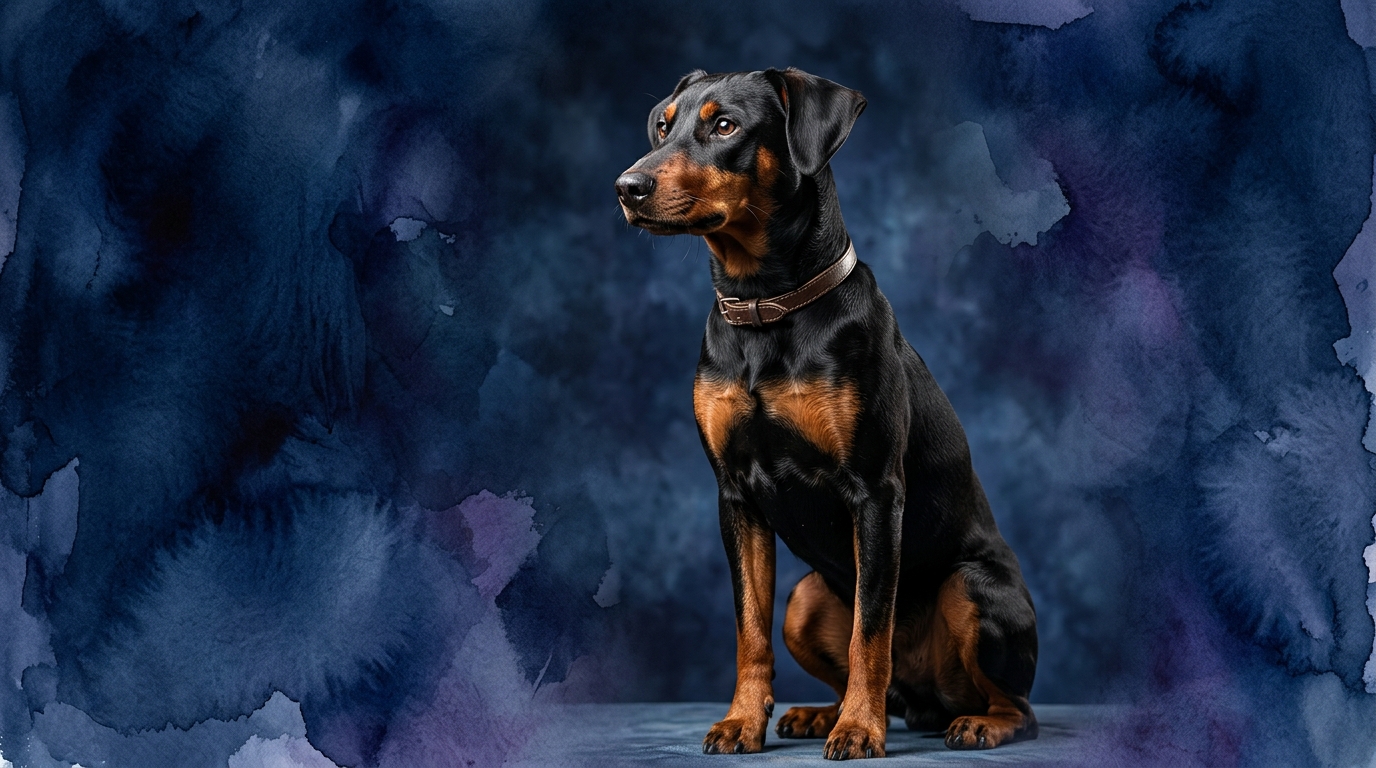
While the German Pinscher doesn't numerically surpass the Dalmatian in any specific cognitive dimension based on our IQ scores, its consistent 3/5 across problem-solving, training speed, social intelligence, instinctive drive, and memory points to a highly balanced and pragmatic intellect. This breed's strength lies in its adaptable application of these moderate abilities, allowing it to excel in varied, real-world scenarios without specializing intensely in one area. Their balanced drives mean they are less singularly focused than the Dalmatian's strong endurance drive, enabling them to switch between tasks like vermin control, guarding, and companionship with relative ease. This versatility suggests a practical intelligence, capable of adapting to diverse environments and roles, making them robust and resourceful companions.
Which is Easier to Train and Why?
Despite both breeds scoring a 3/5 in training speed, suggesting a moderate pace of learning, the Dalmatian might present a slightly smoother training experience for the dedicated owner due to other cognitive strengths. The Dalmatian's superior social intelligence (4/5) means it is often more attuned to human communication and desires, making it potentially more responsive to praise and social rewards. They tend to understand what their human wants more readily. Coupled with its stronger memory (4/5), a Dalmatian is likely to retain learned commands and routines for longer periods, solidifying training with fewer refreshers once the concept is grasped. However, their strong instinctive drive (4/5) requires early and consistent channeling to prevent it from manifesting in unwanted behaviors like excessive pulling, chasing, or restlessness.
The German Pinscher, with its 3/5 in social intelligence and memory, will require a more patient and exceptionally consistent approach. Their balanced, yet less intense, social engagement means they might be less motivated by pure desire to please and more by clear, practical incentives. Owners must be prepared for a steady, methodical training journey, focusing on clarity, positive reinforcement, and repetition to ensure concepts stick. While they are trainable and willing, they might exhibit a more independent streak, occasionally testing boundaries or needing a clearer 'what's in it for me?' motivation, reflecting their history as independent farm workers.
Matching Breeds to Lifestyles: Active vs. Relaxed Owners
The choice between these breeds significantly depends on an owner's lifestyle and capacity for engagement. The Dalmatian, with its prominent instinctive drive (4/5) rooted in its history as a coach dog, is best suited for highly active individuals or families who can provide substantial daily exercise and mental engagement. These dogs thrive on long runs, structured activities like agility or canicross, and consistent interaction that channels their considerable energy and need for purpose. An owner who cannot commit to significant daily activity might find a Dalmatian's energy levels overwhelming, potentially leading to boredom-induced behavioral challenges such as destructive chewing or excessive barking. They need a job or a consistent outlet for their stamina and focus.
The German Pinscher, while by no means a couch potato, has a more moderate instinctive drive (3/5). This makes them a versatile choice for moderately active owners who enjoy regular walks, playtime, and perhaps some dog sports, but do not necessarily require the intense, endurance-based exercise a Dalmatian demands. They are robust and energetic but can adapt to a slightly less strenuous routine, provided their need for mental stimulation, companionship, and a sense of purpose is met. They are happy to join in various family activities and are generally more adaptable to varying energy levels within a household, making them suitable for owners who are active but not necessarily extreme athletes.
The Verdict
Choose a Dalmatian if you are an active individual seeking a highly socially attuned, task-oriented companion with excellent memory for complex routines, and are prepared to channel their strong, focused drives.
Opt for a German Pinscher if you appreciate a balanced, versatile, and moderately driven companion, suitable for a range of activities without requiring extreme endurance, and are committed to consistent, clear training for a pragmatic intellect.
🧠 Find Your Pet's IQ Score
Our Pet IQ Lab assessment covers 25+ tests across 5 cognitive dimensions — personalized to your breed.
Take the Full IQ Test →Frequently Asked Questions
Is the Dalmatian's higher social intelligence always an advantage?
The Dalmatian's 4/5 social intelligence means they are often deeply bonded and responsive to their family's dynamics. However, this sensitivity can also mean they are more prone to separation anxiety or stress if not properly socialized and given consistent companionship, requiring owners to be mindful of their emotional needs.
How does the German Pinscher's balanced IQ affect its trainability for different tasks?
The German Pinscher's consistent 3/5 across all cognitive dimensions indicates a pragmatic and versatile intellect. While not excelling in one specific area, this balance allows them to be successfully trained for a variety of roles, from obedience to agility or even vermin control, provided training is clear, consistent, and patient.
Which breed is more prone to behavioral issues if not properly stimulated?
Both breeds require stimulation, but the Dalmatian's stronger instinctive drive (4/5) and higher energy mean they are potentially more prone to developing destructive behaviors, excessive barking, or restlessness if their physical and mental needs are not adequately met. The German Pinscher's moderate drives make them slightly more adaptable, though they still require regular engagement to prevent boredom.