Side-by-Side Cognitive Profiles
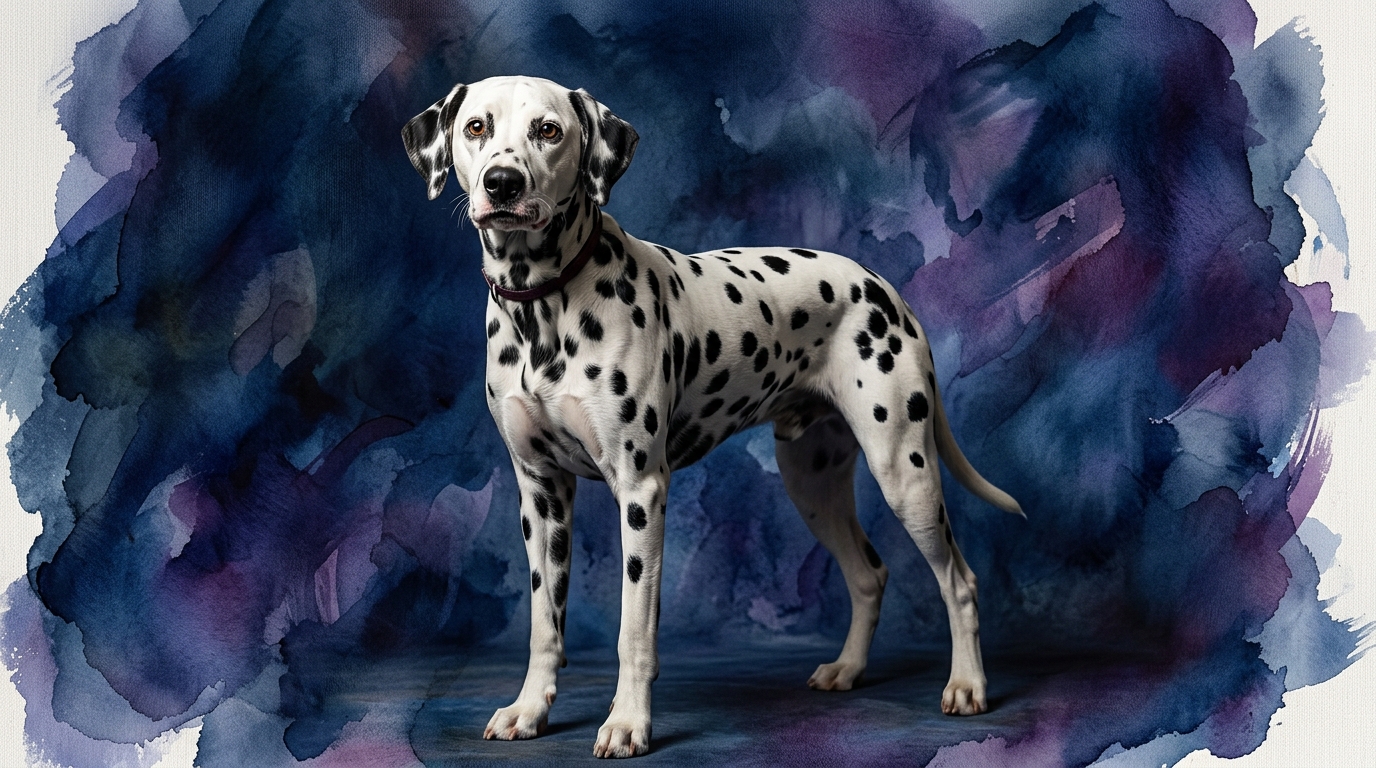
At The Cosmic Pet Pet IQ Lab, we evaluate canine intelligence across five key dimensions. For the Dalmatian, ranked #39 by Coren, its Problem Solving scores 3/5, Training Speed 3/5, Social Intelligence 4/5, Instinctive Drive 4/5, and Memory 4/5. Dalmatians are capable problem-solvers, often using their environment creatively to achieve goals like opening latches, though they may require more consistent motivation to connect complex sequences. Their training speed is moderate, meaning new commands are learned steadily with engaging methods, and their social intelligence is a standout, allowing them to deeply attune to human emotions and cues. The breed’s instinctive drive is strong, particularly for endurance and companionship, reflecting their historical role as carriage escorts, and their memory is robust, retaining learned behaviors and routines over time.
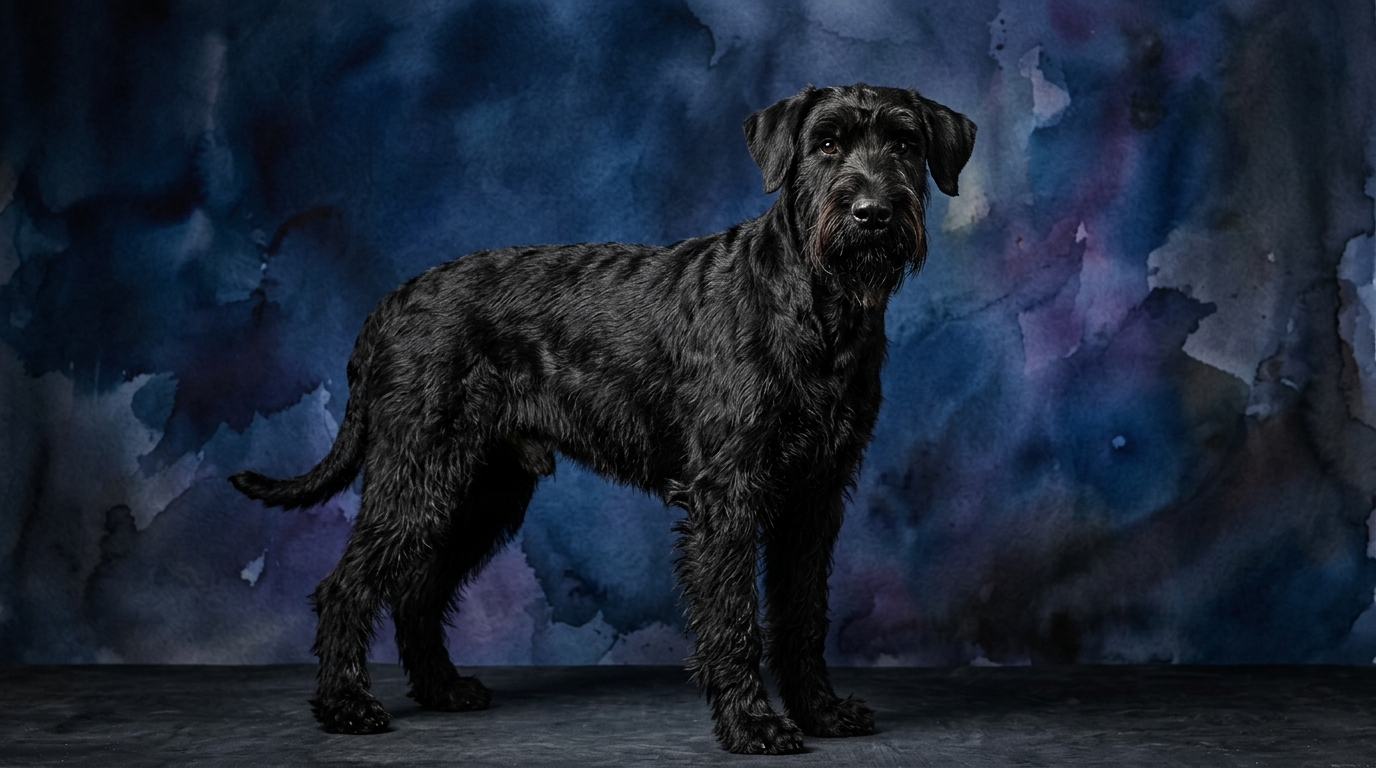
The Giant Schnauzer, holding a higher Coren rank at #28, presents a different cognitive blueprint: Problem Solving 4/5, Training Speed 4/5, Social Intelligence 3/5, Instinctive Drive 3/5, and Memory 4/5. Giant Schnauzers display superior problem-solving abilities, quickly analyzing situations and devising solutions, often showing remarkable initiative in complex tasks. Their training speed is notably faster, absorbing new commands and intricate sequences with impressive efficiency, thriving on mental challenges. While loyal and protective of their family unit, their social intelligence leans more towards direct communication rather than subtle emotional nuances with strangers. Their instinctive drive is primarily focused on guarding and protection, with a pronounced prey drive, and like Dalmatians, they possess an excellent memory for commands and past experiences.
Where the Dalmatian Excels Cognitively
The Dalmatian truly shines in areas of social intelligence and instinctive drive, surpassing the Giant Schnauzer in these dimensions. With a Social Intelligence score of 4/5, Dalmatians are remarkably adept at reading human emotions, body language, and social cues. This allows them to form exceptionally deep, empathetic bonds with their families, often anticipating needs and reacting sensitively to their owner's mood. They integrate smoothly into family dynamics, demonstrating a nuanced understanding of their social environment. Their Instinctive Drive, also at 4/5, is geared towards sustained activity and unwavering companionship, a legacy from their coach dog days. This drive makes them naturally inclined to stay connected to their 'pack' over long distances and ensures they are eager participants in shared adventures, fostering a strong partnership dynamic with their human companions.
Where the Giant Schnauzer Leads Cognitively
Conversely, the Giant Schnauzer demonstrates a clear cognitive advantage in problem-solving and training speed. Their Problem Solving score of 4/5 indicates a powerful capacity for analytical thought and independent strategizing. They can quickly assess obstacles and formulate effective solutions, often displaying a proactive approach to challenges. This makes them highly effective in tasks requiring ingenuity and adaptability. Correspondingly, their Training Speed of 4/5 means they absorb new commands and complex sequences with remarkable swiftness, often grasping concepts after only a few repetitions. This rapid learning curve, coupled with their inherent drive for purpose, makes them exceptional candidates for advanced obedience, protection work, or intricate dog sports where quick assimilation of information is paramount.
Ease of Training: A Behavioral Perspective
When considering which breed is generally easier to train, the Giant Schnauzer holds an edge due to its higher scores in Problem Solving and Training Speed. Their keen intellect allows them to quickly understand complex tasks and their faster learning curve means fewer repetitions are needed for new commands to stick. They often enjoy the mental challenge of structured training and thrive on having a 'job,' making them responsive to consistent, goal-oriented instruction. Their drive to work and please their handler, combined with their focus, facilitates a more straightforward training process for intricate behaviors or competitive disciplines.
Dalmatians, while certainly trainable, require a different approach. Their moderate Training Speed (3/5) suggests they learn at an average pace, and their strong Instinctive Drive (4/5) for exploration and independence might mean they are less inclined to repetitive drills if not made highly engaging. Trainers working with Dalmatians need to be creative, patient, and consistent, focusing on positive reinforcement and varying activities to maintain their interest. While their social intelligence helps them understand human cues, their attention might wander if training becomes monotonous, requiring a more dynamic and relationship-based methodology to achieve consistent results.
Matching Breeds to Lifestyles: Active vs. Relaxed Owners
For truly active owners, both breeds present compelling qualities, but for different reasons. The Dalmatian, with its high Instinctive Drive for endurance and companionship, is an ideal partner for long runs, hikes, or any sustained outdoor activity enjoyed alongside their human. They thrive on being an integral part of their owner's adventures, their social intelligence making them eager to share every moment. Owners who love to explore and want a canine companion deeply integrated into their active lifestyle will find a Dalmatian a tireless and enthusiastic partner.
The Giant Schnauzer, with its superior Problem Solving and Training Speed, is better suited for active owners who enjoy structured activities and mental challenges. These dogs excel in dog sports like agility, obedience, tracking, or protection work, which provide both physical exertion and crucial mental stimulation. They need an owner who can commit to consistent training and provide a 'job' that engages their sharp minds. For owners who are relaxed in their approach to canine activity and mental engagement, neither breed is truly suitable, as both possess significant energy and cognitive needs that, if unmet, can lead to boredom and undesirable behaviors.
The Verdict: When to Choose Each Breed
The Verdict
Choose a Dalmatian if you seek a deeply empathetic, socially intelligent companion eager to share long adventures, and if you are prepared for consistent, engaging, and varied training methods focused on relationship building.
Opt for a Giant Schnauzer if you desire a highly capable, quick-learning working dog that thrives on mental challenges and structured tasks, and if you appreciate a more independent, protective nature with a strong drive for purpose.
🧠 Find Your Pet's IQ Score
Our Pet IQ Lab assessment covers 25+ tests across 5 cognitive dimensions — personalized to your breed.
Take the Full IQ Test →Frequently Asked Questions
Are Dalmatians stubborn?
Dalmatians can exhibit independence, stemming from their strong instinctive drive and moderate training speed. This isn't stubbornness but often a preference for self-directed activity or a need for more engaging training approaches to maintain focus and prevent boredom.
Do Giant Schnauzers need a job?
Yes, Giant Schnauzers, with their high problem-solving and training speed, thrive on having a purpose and consistent mental stimulation. Without structured tasks or a 'job,' they can become bored and develop undesirable behaviors, making activities like obedience or dog sports essential for their well-being.
Which breed is better with children?
Dalmatians, with their higher social intelligence, are often more attuned to family dynamics and can be very patient and empathetic companions for children, given proper socialization. Giant Schnauzers can be protective and loyal but may require more supervision and specific training around children due to their guarding instincts and a less nuanced social intelligence with outsiders.