Side-by-Side Cognitive Profiles: Decoding Dalmatian and Greyhound Minds
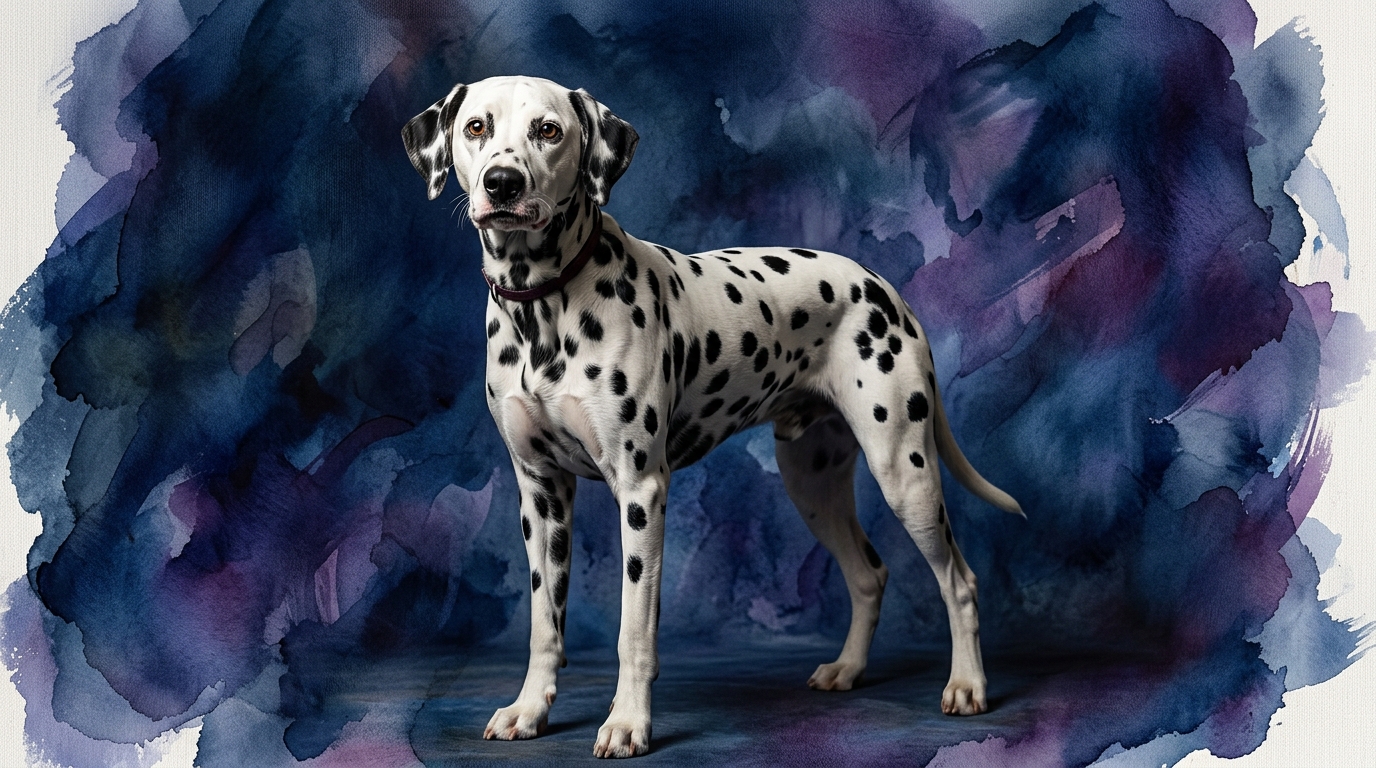
The Dalmatian, ranking #39 on the Coren scale, presents a balanced cognitive toolkit. Their Problem Solving is rated 3/5, indicating a moderate capacity for navigating novel situations and figuring out solutions. Training Speed also sits at 3/5, suggesting they absorb new commands and routines at an average pace, requiring consistent but not overly extensive repetition.
Where Dalmatians truly shine is in Social Intelligence, scoring 4/5, meaning they are adept at reading human cues, understanding social dynamics, and forming strong, perceptive bonds. Their Instinctive Drive is a robust 4/5, reflecting their historical roles requiring stamina and purpose, while Memory at 4/5 ensures they retain learned information and experiences effectively over time.
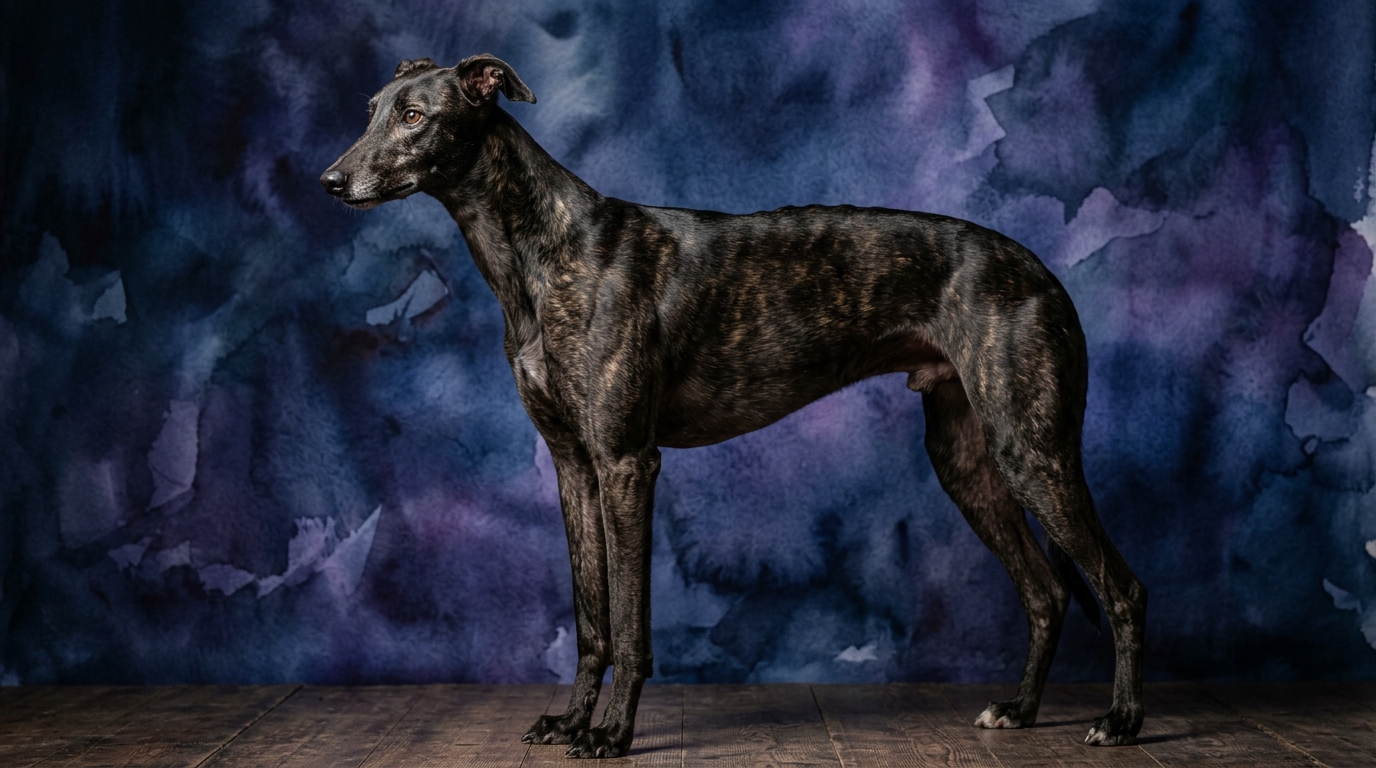
In contrast, the Greyhound, Coren rank #46, exhibits a more specialized cognitive makeup. Their Problem Solving capacity matches the Dalmatian at 3/5, but this often manifests in highly focused ways related to their primary drive. Training Speed is rated 2/5, indicating they may require more patience and innovative methods to learn new tasks, often preferring independent thought.
Their Social Intelligence is 3/5, suggesting they can be more reserved or less overtly people-focused than Dalmatians, appreciating quiet companionship. The Greyhound's defining trait is their Instinctive Drive, a perfect 5/5, which is almost entirely channeled into their unparalleled pursuit instinct and speed. Their Memory is 3/5, a functional retention level, but perhaps less comprehensive than the Dalmatian's.
Where the Dalmatian's Mind Excels
The Dalmatian's cognitive strengths distinctly lie in their social acumen and memory. With a Social Intelligence score of 4/5, Dalmatians often demonstrate a nuanced understanding of human emotions and intentions, making them highly attuned companions who can anticipate their owner's moods and react appropriately. This capability fosters deep, responsive relationships, allowing them to integrate smoothly into family life and social structures.
Coupled with a 4/5 Memory rating, Dalmatians are excellent at remembering complex routines, command sequences, and the specific rules of a household. This strong recall supports their ability to thrive in structured environments and makes them reliable partners in activities that require remembering paths or sequences, such as agility courses or advanced obedience training. Their balanced instinctive drive also means they can apply their problem-solving to a wider array of domestic tasks, rather than being solely focused on a singular drive.
The Greyhound's Unique Cognitive Prowess
The Greyhound's cognitive profile is overwhelmingly dominated by its extraordinary Instinctive Drive, rated 5/5. This isn't just about speed; it's a profound, innate focus on pursuit and chase that shapes much of their problem-solving and environmental interaction. Their problem-solving, while 3/5, is often highly specialized, enabling them to calculate trajectories, anticipate movement, and react with incredible precision during a chase, a skill honed over centuries.
This intense drive means Greyhounds process the world through a lens of movement and targets, making them masters of their domain when it comes to open spaces and the thrill of the run. While their social intelligence might be lower, their specific cognitive strengths allow them to be incredibly efficient and determined in their primary behavioral expressions, demonstrating a powerful, single-minded focus that few other breeds possess. This specialization allows them to excel in activities that tap into this innate ability, like lure coursing.
Training Responsiveness: Dalmatian vs. Greyhound
When considering ease of training, the Dalmatian generally holds an advantage due to their higher Training Speed (3/5) and superior Social Intelligence (4/5). Dalmatians are often eager to please and respond well to positive reinforcement, quickly connecting actions with rewards and understanding what is expected of them. Their strong memory helps solidify commands, making retention more consistent. Their historical role as coaching dogs, accompanying carriages over long distances, required a degree of focus and responsiveness to human direction that is still present in the breed today.
The Greyhound, with a Training Speed of 2/5, can present more of a challenge. Their independent nature, combined with their overwhelming instinctive drive, means they often prioritize their own motivations (like spotting a squirrel) over human commands. While capable of learning, they may require more patience, creativity, and highly motivating rewards. Their social intelligence, while adequate, doesn't always translate into the same eager-to-please attitude seen in Dalmatians, making consistent, engaging training crucial to overcome their occasional aloofness or distraction.
Ideal Companions for Active vs. Relaxed Lifestyles
For active owners seeking a dog with both physical endurance and mental engagement, the Dalmatian is often a more suitable match. Their 4/5 Instinctive Drive translates into a need for consistent physical activity, but also purposeful mental stimulation that keeps their problem-solving and memory skills sharp. They thrive on activities like long jogs, hiking, or dog sports that leverage their stamina and social intelligence, making them excellent partners for shared adventures. Their higher social intelligence means they genuinely enjoy being involved in family activities and can adapt to varied social settings.
The Greyhound, despite its supreme speed, paradoxically often suits a more relaxed owner, provided their specific exercise needs are met. Their 5/5 Instinctive Drive is fulfilled by intense, short bursts of running in a secure area, followed by extensive periods of lounging. They are often described as "45 mph couch potatoes," content to nap for hours. While they need regular opportunities to run, their lower training speed and more reserved social intelligence mean they generally prefer a quieter home environment, appreciating comfort and routine rather than constant social interaction or complex tasks.
The Verdict
Choose a Dalmatian if you seek an engaged, perceptive companion who thrives on consistent interaction, varied activities, and complex learning, offering a rewarding partnership built on mutual understanding and shared purpose.
Choose a Greyhound if you admire an independent spirit that requires intense, brief exercise bursts, followed by long periods of serene companionship, valuing their quiet presence and specialized instinctive drive.
🧠 Find Your Pet's IQ Score
Our Pet IQ Lab assessment covers 25+ tests across 5 cognitive dimensions — personalized to your breed.
Take the Full IQ Test →Frequently Asked Questions
Is a Dalmatian or Greyhound better for a first-time dog owner?
A Dalmatian might be slightly more manageable for a first-time owner due to their higher training speed and social intelligence, making them more responsive to guidance. Greyhounds require an owner who understands their specific exercise needs and can be patient with their independent training style.
Do Dalmatians and Greyhounds need a lot of exercise?
Yes, both breeds require exercise, but in different ways. Dalmatians need sustained activity and mental engagement, while Greyhounds thrive on short, intense sprints in a secure area, followed by extensive rest.
Which breed is more affectionate, Dalmatian or Greyhound?
Dalmatians typically display higher social intelligence and are often more overtly affectionate and engaged with their families. Greyhounds can be affectionate but tend to be more reserved, showing their devotion in quieter, less demonstrative ways.