Side-by-Side Cognitive Profiles
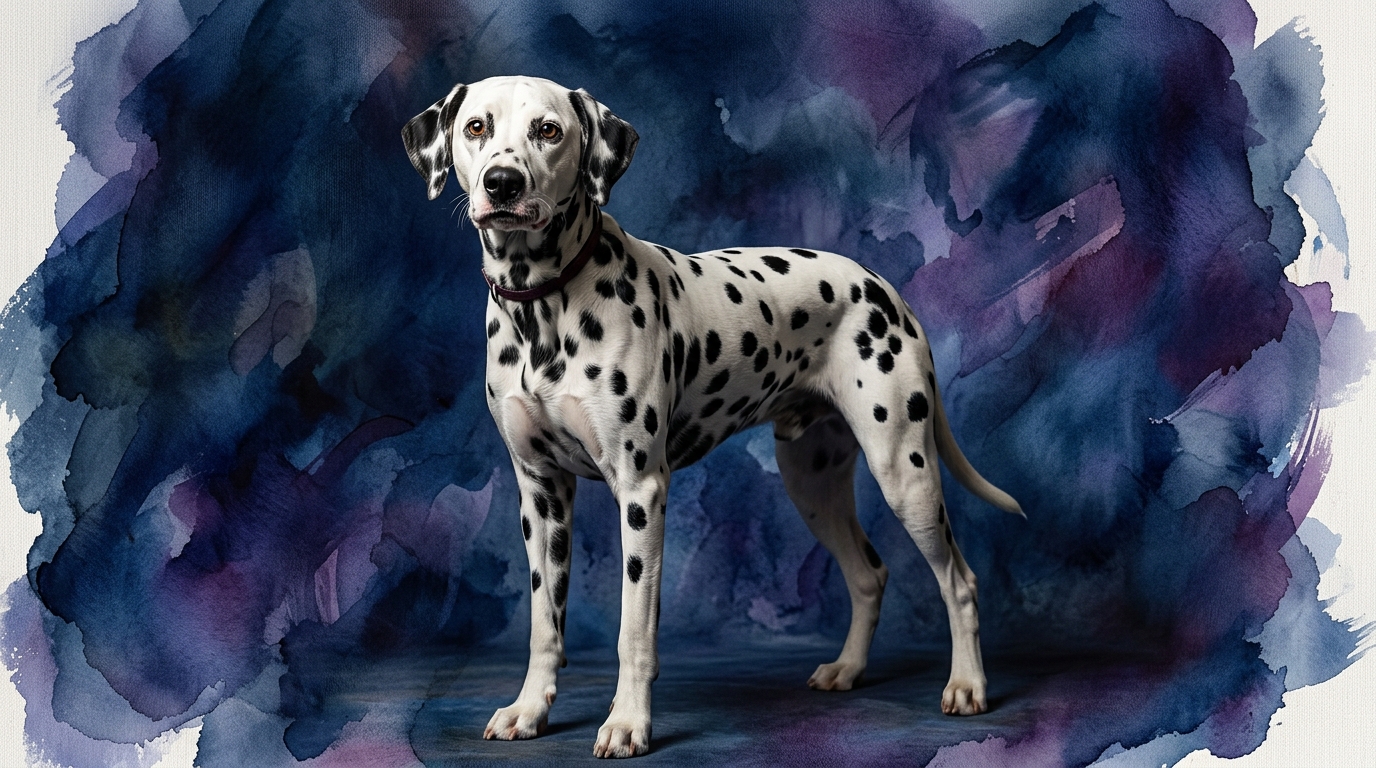
At The Cosmic Pet Pet IQ Lab, we evaluate canine intelligence across five key dimensions to provide a comprehensive understanding of each breed's cognitive strengths. The Dalmatian, a Non-Sporting group member, holds a respectable Coren rank of #39, indicating a solid foundation in obedience and adaptive intelligence. Its cognitive breakdown includes Problem Solving 3/5, Training Speed 3/5, Social Intelligence 4/5, Instinctive Drive 4/5, and Memory 4/5. These scores paint a picture of a dog that can navigate complex situations, learns at a steady pace, deeply connects with its human companions, possesses strong inherent motivations, and retains information effectively.
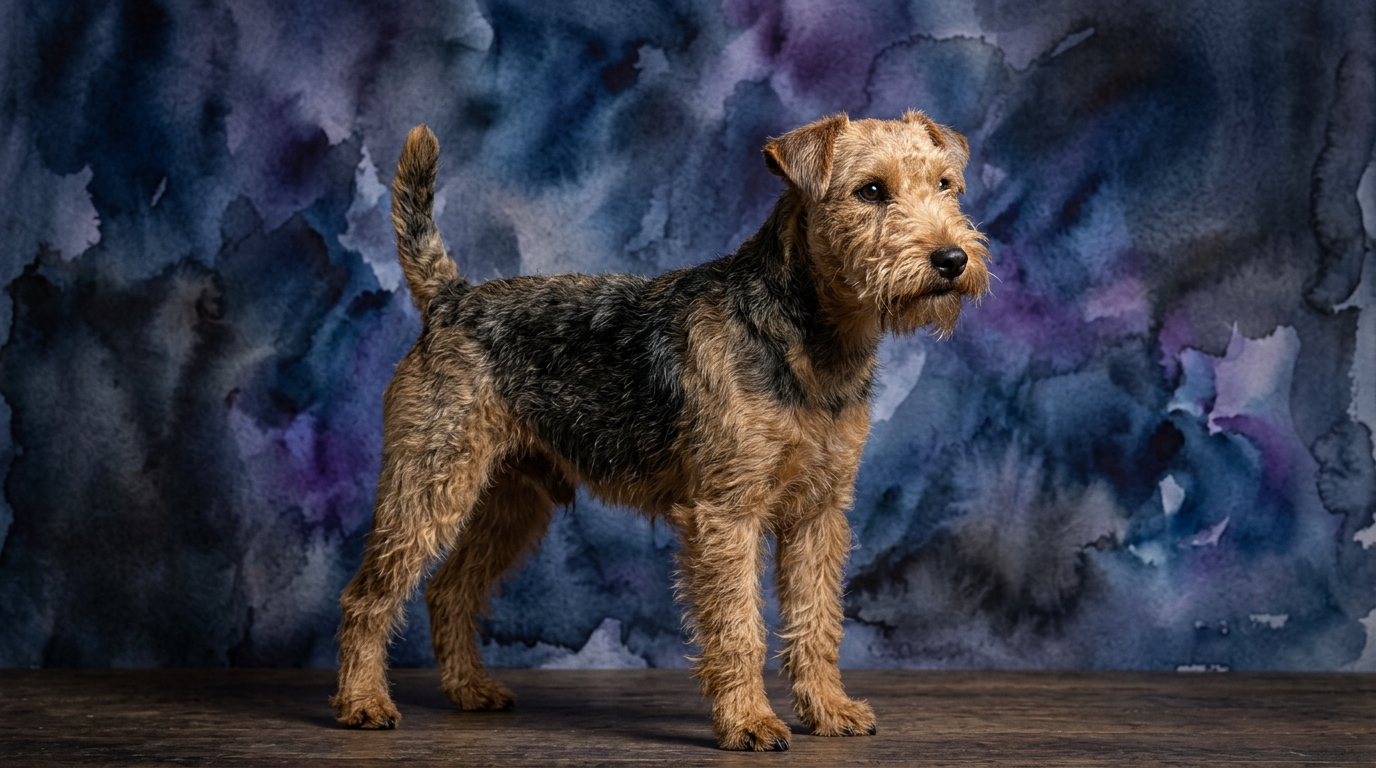
In contrast, the Lakeland Terrier, a member of the Terrier group, does not have a Coren ranking, which often suggests a more independent or specialized intelligence not always captured by standard obedience metrics. Its Pet IQ Lab scores are Problem Solving 3/5, Training Speed 3/5, Social Intelligence 3/5, Instinctive Drive 3/5, and Memory 3/5. This profile suggests a dog that is capable of independent thought and action, learns at a comparable pace to the Dalmatian, but perhaps with a different approach, and relies more on its innate terrier tenacity rather than extensive social cues or memory for day-to-day operations. Both breeds demonstrate an average capacity for problem-solving, indicating they can figure out puzzles or new scenarios with moderate effort and guidance.
Where the Dalmatian Excels Cognitively
The Dalmatian truly shines in areas of social intelligence, instinctive drive, and memory, where it scores a full point higher than the Lakeland Terrier. A Social Intelligence score of 4/5 means Dalmatians are particularly adept at reading human emotions, understanding social cues, and forming strong, reciprocal bonds. This capacity for nuanced interaction stems from their historical role as carriage dogs, requiring them to work in close harmony with horses and handlers, often in bustling environments. This makes them highly attuned to their family's mood and household dynamics, often seeking to be central to the action.
Their Instinctive Drive at 4/5 reflects a powerful motivation to perform tasks, often linked to their historical endurance and working roles. This drive, when channeled appropriately, can make them highly engaged in activities like agility, running, or even complex trick training. Coupled with a Memory score of 4/5, Dalmatians are excellent at recalling commands, routines, and even specific events or people over long periods. This superior recall aids significantly in reinforcing learned behaviors and adapting to new environments once familiarized. They process and retain information from their environment and social interactions with remarkable efficiency, making them excellent candidates for advanced obedience or service roles where consistent performance and memory are paramount.
Where the Lakeland Terrier's Cognition Shines
While the Lakeland Terrier's scores might appear lower in comparison, their cognitive profile reflects a different kind of operational brilliance, honed for independent action and tenacity. Their Problem Solving score of 3/5, identical to the Dalmatian, means they are perfectly capable of figuring out challenges, albeit often through a lens of self-reliance. This isn't about following intricate social cues but rather about assessing a situation and acting decisively, a trait invaluable for their original purpose of hunting vermin in rugged terrain. They excel at finding solutions through persistence and a 'never give up' attitude, often relying on their own judgment rather than waiting for human direction.
The Lakeland's Instinctive Drive at 3/5, while lower than the Dalmatian's, is still robust and highly focused on their terrier heritage: digging, chasing, and exploring. This drive isn't about cooperation in the same way as the Dalmatian's; it's about independent pursuit and problem-solving in the field. A Lakeland might not be as inclined to follow a complex multi-step command sequence, but it will doggedly pursue a scent trail or figure out how to get to a perceived 'prey' with remarkable ingenuity. Their cognitive strengths lie in their robust independence and the ability to make quick, self-directed decisions in dynamic environments, a form of practical intelligence that is highly effective for their breed type.
Ease of Training: Dalmatian vs. Lakeland Terrier
When it comes to training, both breeds share a Training Speed score of 3/5, suggesting they absorb new information at a moderate pace. However, the Dalmatian's higher Social Intelligence (4/5) and Memory (4/5) often translate into an easier, more cooperative training experience. Dalmatians are eager to please their human companions, making them more responsive to positive reinforcement and less prone to stubbornness. Their excellent memory means once a command is learned, it's likely to stick, requiring less frequent refreshers. Their strong instinctive drive, when channeled into structured training, can make them enthusiastic participants in activities like obedience, rally, or even complex tasks, as they thrive on having a 'job' and working alongside their person.
The Lakeland Terrier, with a Social Intelligence of 3/5 and Memory of 3/5, coupled with its inherent terrier independence, often presents a different training dynamic. While capable of learning, their attention might be more easily diverted by environmental stimuli, and their strong prey drive can make off-leash training particularly challenging in unsecured areas. Lakelands require consistent, engaging training methods that respect their independent spirit and prevent boredom. They respond best to short, fun sessions that appeal to their natural curiosity and drive, rather than repetitive drills. Owners should be prepared for a dog that will question commands or attempt to find a 'better' solution based on its own assessment, rather than simply complying, making patience and creativity key to successful training.
Suitability for Active vs. Relaxed Owners
The Dalmatian's high Instinctive Drive (4/5) and historical role as an endurance trotter make them an ideal companion for active owners. These dogs require substantial daily exercise, including long runs, brisk walks, or engaging playtime, to satisfy their physical and mental needs. Their social intelligence also means they thrive on being included in family activities, whether it's hiking, cycling, or just being present during household chores. A Dalmatian with insufficient activity or social interaction can develop behavioral issues, channeling its impressive energy and drive into less desirable outlets. Therefore, they are best suited for individuals or families who embrace an active lifestyle and are prepared to integrate their dog fully into their daily routines.
The Lakeland Terrier, while still an active breed, possesses an Instinctive Drive of 3/5, which manifests differently. Their activity needs are more about bursts of intense play and exploration rather than sustained endurance. They are well-suited for owners who enjoy engaging in interactive games, short but vigorous walks, or activities like earthdog trials that tap into their natural terrier instincts. While they appreciate companionship, their slightly lower social intelligence and higher independence mean they might be content with less constant direct interaction than a Dalmatian, as long as their mental and physical needs are met through structured play and exploration. A relaxed owner might find the Lakeland’s independent spirit and episodic bursts of energy more manageable than the Dalmatian's sustained endurance requirements, provided they can still offer consistent engagement and appropriate outlets for their terrier traits.
The Verdict
Choose the Dalmatian if you seek a highly social, cooperative companion for an active lifestyle, valuing strong memory and a deep bond in your daily adventures. Their eagerness to please and ability to retain complex information make them rewarding for dedicated trainers.
Opt for the Lakeland Terrier if you appreciate an independent, tenacious companion with a clever, self-reliant approach to problem-solving, and can provide engaging, varied activities to satisfy their spirited terrier nature.
🧠 Find Your Pet's IQ Score
Our Pet IQ Lab assessment covers 25+ tests across 5 cognitive dimensions — personalized to your breed.
Take the Full IQ Test →Frequently Asked Questions
Do Dalmatians need a lot of exercise?
Yes, Dalmatians have a high instinctive drive (4/5) and were bred for endurance, so they require significant daily exercise, including long runs or vigorous play, to stay healthy and well-behaved. Without proper outlets, their energy can lead to behavioral challenges.
Are Lakeland Terriers good for first-time dog owners?
Lakeland Terriers can be a good fit for first-time owners who are prepared for a dog with an independent streak and a strong terrier drive. Their training requires consistency and creativity, and owners should be ready to manage their prey drive and provide engaging mental stimulation.
Which breed is better with children?
Dalmatians, with their higher social intelligence (4/5), often integrate well into family dynamics and can be very affectionate with children when properly socialized and trained. Lakeland Terriers can also be good with children, but their independent nature means interactions should always be supervised to ensure respectful boundaries from both sides.