Side-by-Side Cognitive Profiles: Decoding Dalmatian and Parson Russell Terrier IQ
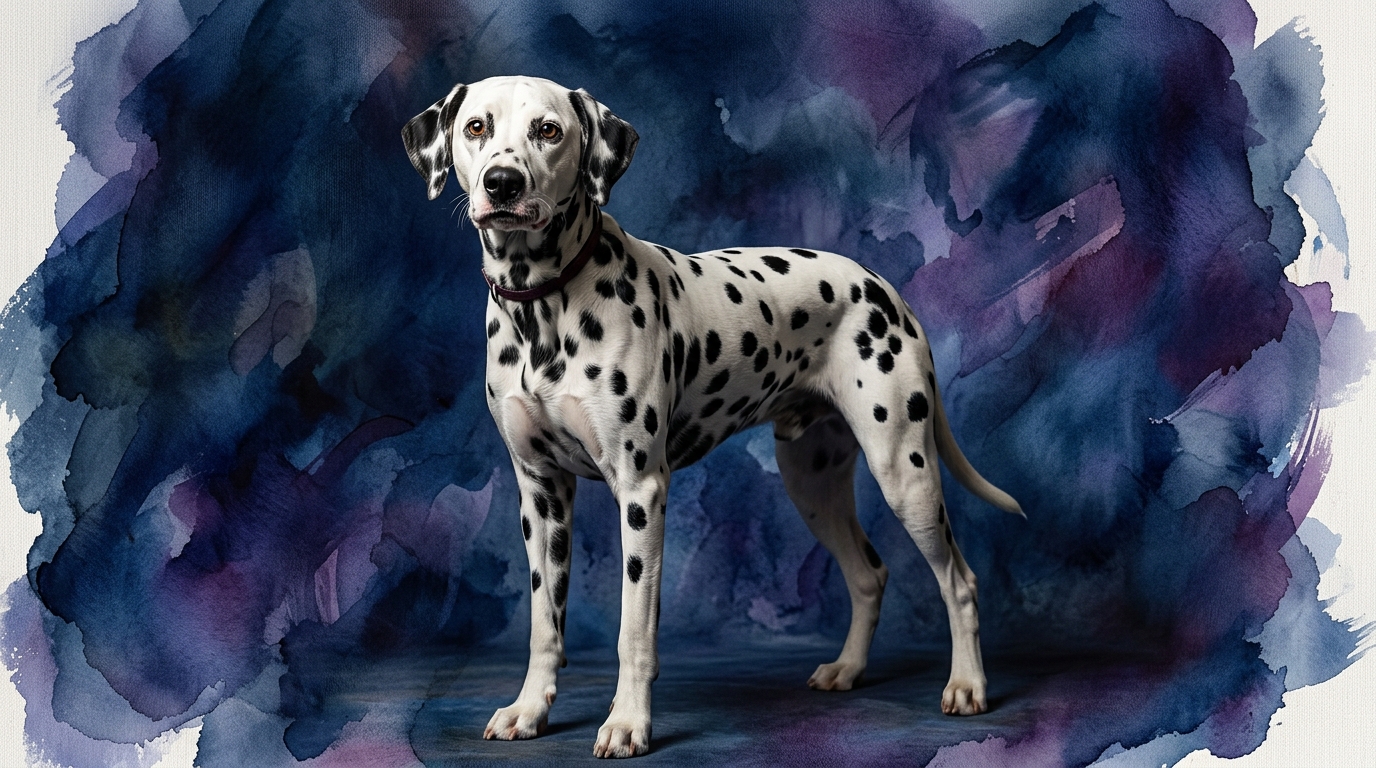
Delving into the specifics of The Cosmic Pet Pet IQ Lab's framework reveals unique cognitive blueprints for each breed. For the Dalmatian, a Non-Sporting dog with a Coren rank of #39, we observe a balanced set of attributes. Their problem-solving ability registers at 3 out of 5, indicating a capacity for navigating new challenges with a moderate degree of independent thought and strategy. Training speed also scores 3 out of 5, suggesting they grasp new commands and routines at a steady pace, requiring consistent, clear instruction rather than instant mastery. Where Dalmatians truly distinguish themselves is in their social intelligence, achieving a robust 4 out of 5. This score reflects a pronounced aptitude for understanding human cues, social hierarchies, and emotional states, making them particularly attuned companions. Their instinctive drive also scores 4 out of 5, often manifesting as a strong motivation for specific activities like endurance running or vigilance, rooted in their historical roles. Finally, their memory stands at an impressive 4 out of 5, indicating a strong ability to recall past experiences, learned behaviors, and even complex sequences.
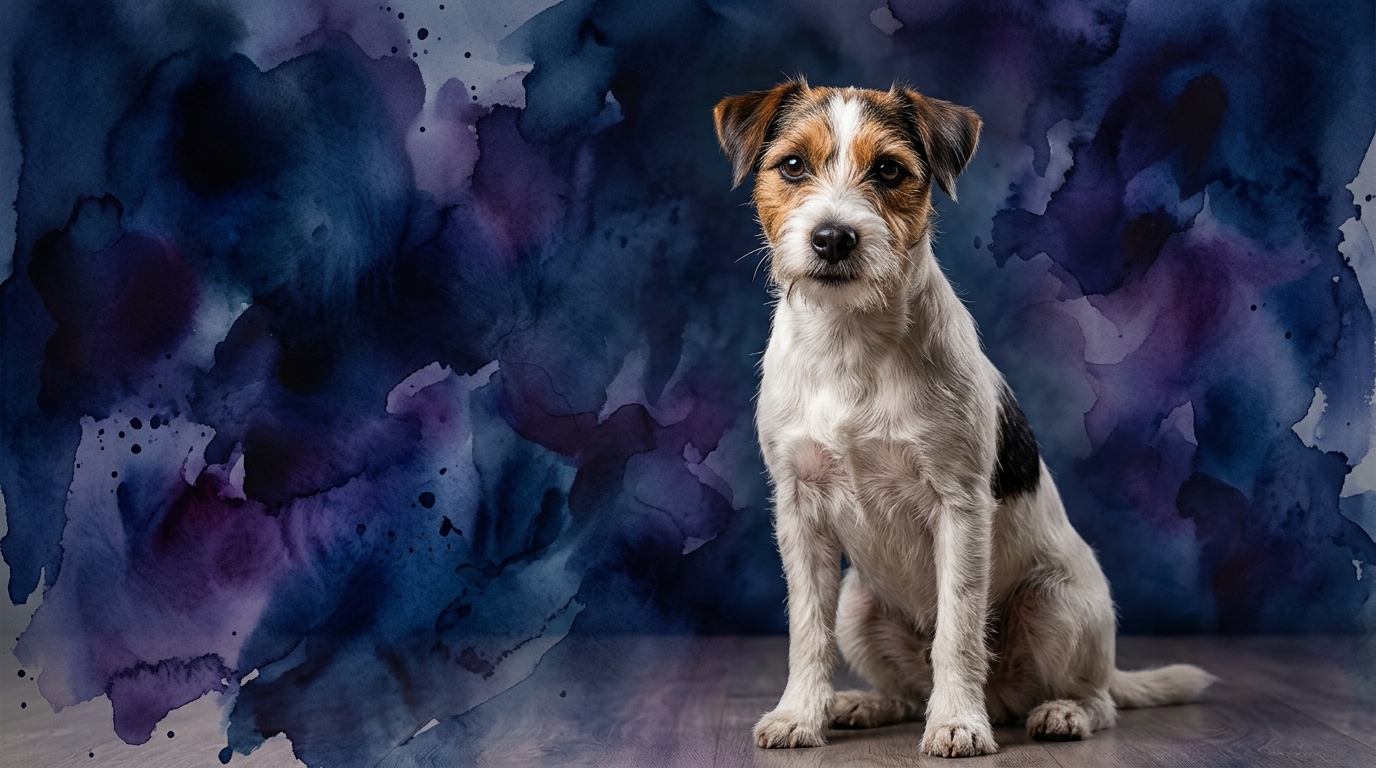
The Parson Russell Terrier, a vibrant member of the Terrier group and not Coren-ranked, presents a profile marked by a consistent, if slightly lower, scoring across the board. Their problem-solving ability matches the Dalmatian at 3 out of 5, suggesting a similar capacity to work through obstacles, often with characteristic terrier tenacity and perhaps a trial-and-error approach. Training speed also aligns with the Dalmatian at 3 out of 5, meaning they too require patient and engaging methods to internalize commands, though their independent streak might add a layer of complexity. In social intelligence, the Parson Russell Terrier scores 3 out of 5, indicating a solid understanding of their human companions but perhaps less sensitivity to subtle emotional shifts compared to the Dalmatian. Their instinctive drive also sits at 3 out of 5; for terriers, this often translates to a powerful prey drive and an urge to dig or explore, though perhaps less broadly applied than a Dalmatian's endurance-focused drive. Lastly, their memory scores 3 out of 5, reflecting a competent ability to retain information and learned behaviors, albeit not with the same depth or duration as a Dalmatian.
Where the Dalmatian's Cognition Shines Brighter
The Dalmatian's cognitive advantages are most evident in their superior social intelligence and memory. With a 4/5 in social intelligence, Dalmatians often display a remarkable ability to interpret human body language, vocal inflections, and emotional states. This allows them to form exceptionally strong bonds with their families, frequently anticipating needs or reacting appropriately to mood shifts, fostering a deep, empathetic connection. This heightened social awareness makes them particularly adept at navigating complex household dynamics and responding to nuanced communication from their owners, making interactions feel more intuitive and harmonious.
Furthermore, their 4/5 memory score provides a distinct edge in retaining complex training sequences, remembering specific routes during walks, or recalling past interactions with various individuals or other animals. This robust memory capacity means that once a behavior or rule is established, it tends to stick, leading to more reliable long-term obedience and fewer instances of 'forgetting' previously learned lessons. For owners interested in advanced obedience, trick training, or tasks requiring sequential actions, the Dalmatian's memory offers a significant cognitive asset, allowing them to build upon a solid foundation of past learning.
Where the Parson Russell Terrier's Cognition Holds its Own
While the Parson Russell Terrier's scores might appear lower in some areas, their distinct cognitive strengths lie in the sheer force of their problem-solving approach and their resilient, independent spirit. Scoring 3/5 in problem-solving, their method is often characterized by an unwavering persistence. When faced with an obstacle, a Parson Russell Terrier is less likely to give up quickly, preferring to try multiple approaches, even if seemingly inefficient, until a solution is found. This tenacity, while sometimes frustrating to an owner, reflects a robust cognitive drive to overcome challenges, whether it's figuring out how to get to a dropped toy under furniture or finding a way through a perceived barrier.
Their instinctive drive, at 3/5, combined with their problem-solving, fuels an exploratory and tenacious mindset. This translates into a dog that is highly motivated to investigate, dig, and chase, using their cognitive faculties to achieve these innate goals. While their social intelligence might be a point lower than the Dalmatian's, the Parson Russell Terrier's cognitive strength lies in its self-reliance and determined focus on tasks, making them formidable little hunters and excellent companions for those who appreciate a dog with a strong, independent will and an enduring drive to achieve its objectives.
Training Dynamics: Which Breed Offers a Smoother Path?
When considering ease of training, the Dalmatian generally presents a smoother path due to their higher social intelligence and memory. Their 4/5 social intelligence means they are more inclined to pay attention to their human's instructions and emotional cues, actively seeking to understand and cooperate. This desire to work alongside their owner translates into a greater willingness to engage in training sessions and respond to commands. Coupled with their 4/5 memory, once a lesson is learned, it is typically retained effectively, reducing the need for constant re-teaching and allowing for more rapid progression through various levels of obedience or complex tasks.
The Parson Russell Terrier, with a 3/5 in both training speed and social intelligence, coupled with their inherent terrier independence and instinctive drive, can pose a more significant challenge. While capable of learning, their attention is often divided between their owner's commands and the myriad of fascinating scents and sights in their environment, driven by their natural instincts. Their problem-solving tenacity can sometimes manifest as stubbornness if they perceive a more interesting 'problem' to solve than the one presented by their trainer. Effective training for a Parson Russell Terrier requires exceptional patience, creativity, and high-value rewards to consistently capture and maintain their focus, turning training into an engaging game rather than a strict lesson to counteract their independent streak.
Matching Lifestyles: Active Explorers vs. Engaged Companions
The cognitive and physical needs of both breeds align with distinct owner lifestyles. Dalmatians, often associated with carriage dogs, possess an enduring stamina and require substantial physical activity. Their strong instinctive drive (4/5) for movement and vigilance, combined with their capacity for learning complex routes and recalling past experiences, makes them ideal for active owners who enjoy long runs, hiking, or participation in dog sports like agility or canicross. Their high social intelligence also means they thrive on interactive engagement with their human companions, needing mental stimulation that involves problem-solving alongside their family, rather than purely independent tasks. They are well-suited for owners who can dedicate time to both vigorous exercise and consistent, rewarding social interaction.
Parson Russell Terriers, while also energetic, present a different kind of activity requirement. Their 3/5 instinctive drive is often channeled into bursts of intense activity, digging, and exploring, driven by their keen senses and problem-solving tenacity. They excel with owners who can provide outlets for their natural terrier behaviors, such as earthdog trials, extensive fetch sessions in a secure yard, or puzzle toys that challenge their persistent problem-solving skills. While they appreciate companionship, their independent streak means they can be content with slightly more self-directed play, provided their environment offers sufficient mental and physical stimulation to prevent boredom. They are a good fit for active owners who appreciate a robust, spirited dog with a strong drive for discovery and physical engagement in bursts, rather than prolonged, steady exertion.
The Verdict
Choose a Dalmatian if you seek a highly socially attuned companion with an impressive memory, capable of forming deep bonds and excelling in complex, consistent training regimes that leverage their cooperative nature and endurance.
Opt for a Parson Russell Terrier if you appreciate a tenacious, independent spirit, a persistent problem-solver, and are prepared to engage with a dog whose energetic bursts and instinctive drives require creative, engaging outlets and patient, consistent training.
🧠 Find Your Pet's IQ Score
Our Pet IQ Lab assessment covers 25+ tests across 5 cognitive dimensions — personalized to your breed.
Take the Full IQ Test →Frequently Asked Questions
Are Dalmatians good at understanding human emotions?
Yes, with a social intelligence score of 4/5, Dalmatians are notably adept at interpreting human emotional cues and body language. This makes them highly responsive and empathetic companions who often seem to anticipate their owners' moods and needs, fostering a deep connection.
Do Parson Russell Terriers get bored easily if not mentally stimulated?
Absolutely. Parson Russell Terriers possess a persistent problem-solving drive and instinctive urges for exploration and digging, scoring 3/5 in both. Without sufficient mental and physical outlets, they can become bored and channel their energy into less desirable behaviors like excessive digging or chewing.
Which breed is better for first-time dog owners?
While both breeds require dedicated owners, the Dalmatian's higher social intelligence and memory can make their training journey slightly more straightforward for a first-timer willing to commit to their exercise needs. The Parson Russell Terrier's independent nature and strong drives might be more challenging for someone without prior experience in managing terrier tenacity.