Side-by-Side IQ Profile: Dalmatian vs. Pug
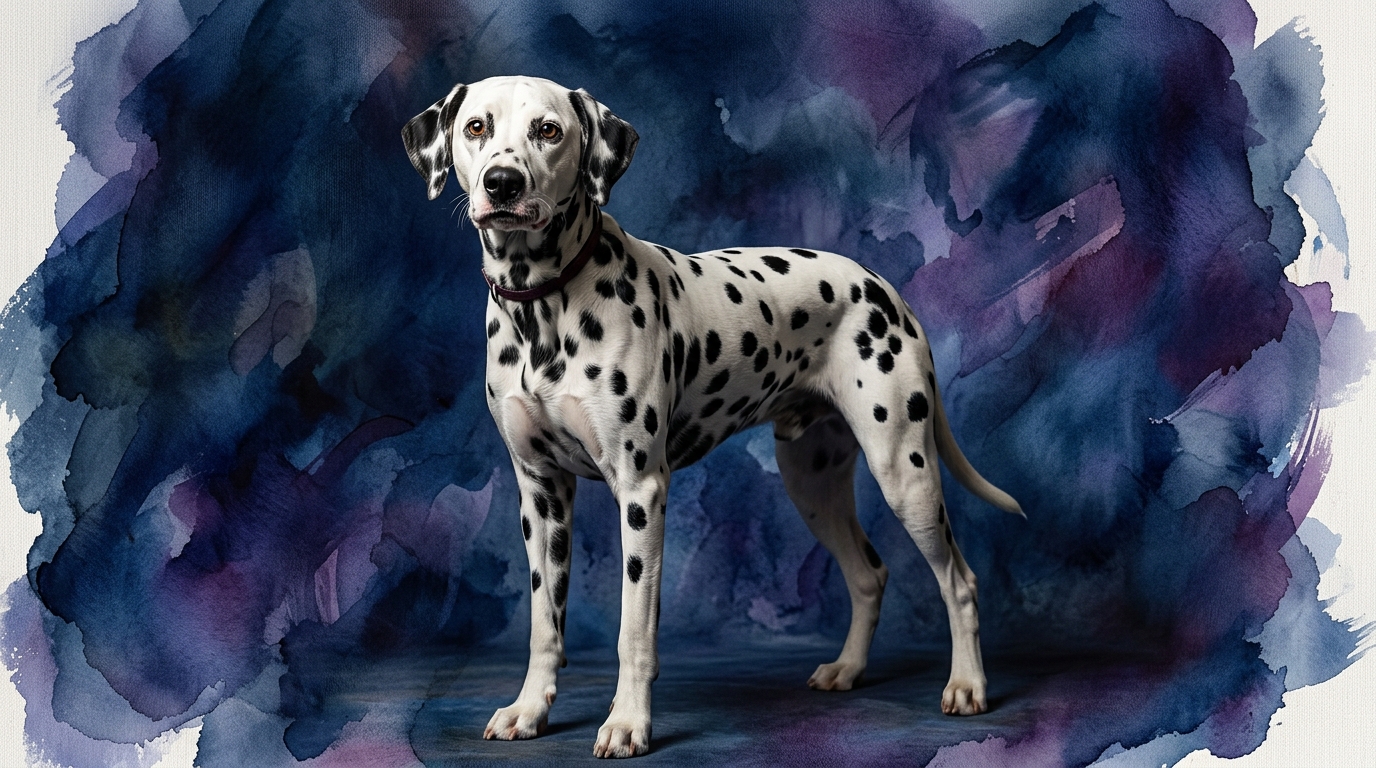
The Cosmic Pet Pet IQ Lab assesses canine intelligence across five key dimensions, providing a granular view of each breed’s cognitive landscape. For the Dalmatian, a Non-Sporting breed with a Coren rank of #39, its profile paints a picture of moderate cognitive engagement. Its Problem Solving is rated 3/5, indicating a capacity for navigating new situations and figuring out solutions to environmental challenges, often showing a persistent, investigative approach when motivated. Training Speed is 3/5, meaning these dogs learn commands at a respectable pace, generally responding well to consistent, positive reinforcement. Social Intelligence stands at 4/5, reflecting a strong ability to interpret human cues and bond deeply with their families, often attuned to emotional shifts. Instinctive Drive is 4/5, revealing a robust intrinsic motivation for activity and purpose, stemming from their historical roles. Finally, Memory is 4/5, suggesting Dalmatians retain information effectively, remembering complex routines and learned commands.
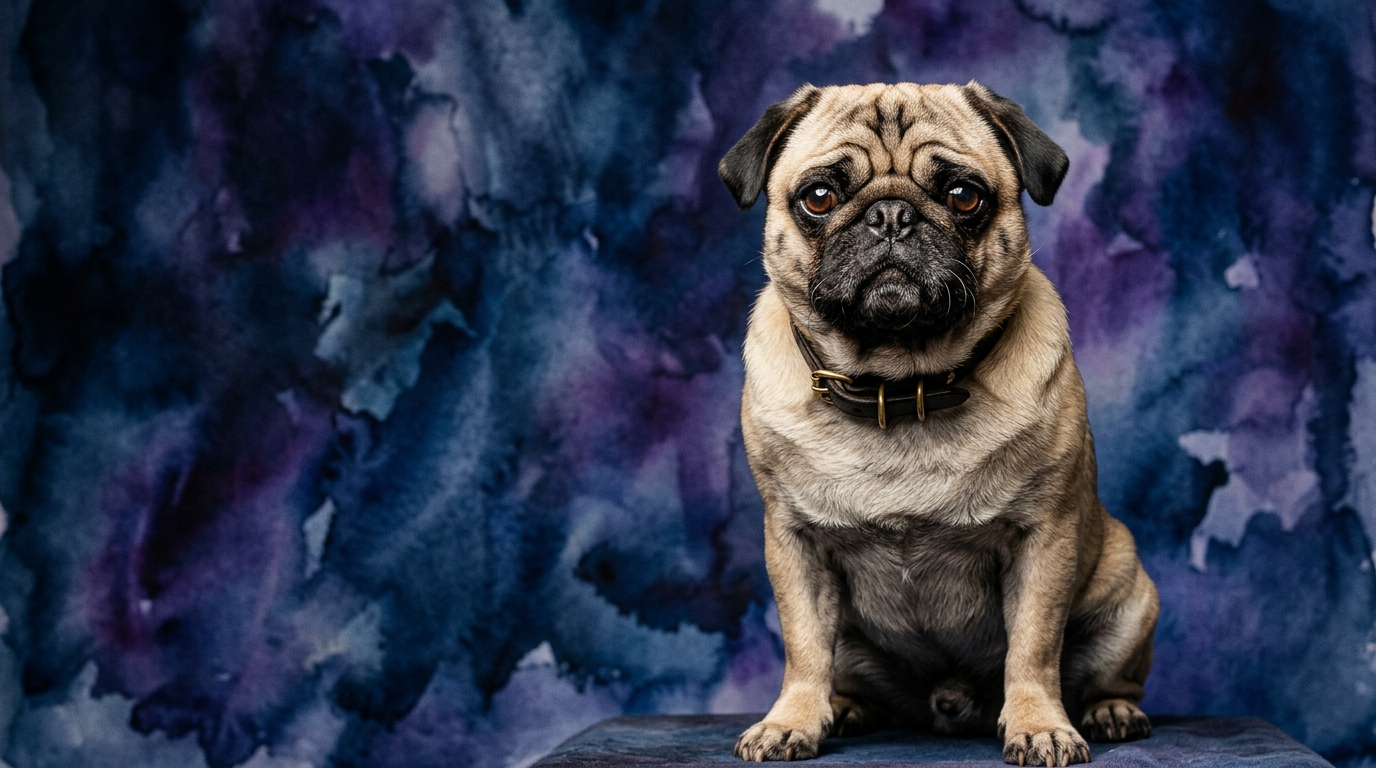
Conversely, the Pug, a Toy breed with a Coren rank of #57, presents a different cognitive emphasis, prioritizing companionship and comfort. Its Problem Solving is rated 2/5, indicating a lower inclination for independent strategic thinking, often preferring to rely on human companions to resolve dilemmas. Training Speed is 2/5, meaning learning new commands can be a more gradual process, requiring numerous repetitions and a patient approach due to potentially limited attention spans. However, the Pug's Social Intelligence is its standout trait at a perfect 5/5, underscoring an exceptional ability to read human emotions, intentions, and social dynamics, making them profoundly empathetic. Instinctive Drive is 2/5, showing a notably low intrinsic urge for strenuous activity or complex tasks, with primary motivations centering around comfort and human presence. Memory is 3/5, a serviceable recall for routines and familiar people, crucial for their social bonding, but perhaps not for vast, intricate command sets.
Where the Dalmatian Wins Cognitively
Dalmatians generally demonstrate a more robust capacity for independent thought and action, particularly in novel or challenging situations. Their 3/5 problem-solving score suggests they can navigate moderately intricate challenges, whether it's figuring out how to open a gate or retrieving a hidden toy through a series of obstacles, often showing a persistent curiosity that drives them to explore solutions rather than waiting for human intervention. This cognitive strength is significantly bolstered by their stronger instinctive drive (4/5), which historically manifested in their demanding roles as coaching dogs, requiring them to stay alert, make quick decisions, and maintain endurance over long distances. Today, this translates into a natural inclination for engaging in structured activities, learning complex sequences in sports like agility, and maintaining focus during extended training sessions. Furthermore, their 4/5 memory solidifies this advantage, allowing them to retain intricate training sequences, the layout of frequently visited environments, and the nuances of various commands with greater precision, making multi-step tasks and advanced obedience more achievable over time. This combination allows Dalmatians to be more proactive learners and participants in their environment.
Where the Pug Wins Cognitively
Pugs truly shine in the realm of social intelligence, boasting a perfect 5/5 score that underscores their unparalleled ability to connect with humans on a deeply intuitive level. This isn't merely about being affectionate; it's about a profound, almost uncanny, understanding of human emotions and intentions, allowing them to offer comfort, solicit attention, or express their own needs with remarkable precision. A Pug might not solve a complex puzzle box as quickly as a Dalmatian, but it will almost certainly be the first to notice your mood shifting and respond with a comforting nudge, a playful invitation, or a quiet presence to lighten the atmosphere. Their social acumen makes them masters of companionship, adept at reciprocal interaction that strengthens the human-animal bond. While their memory is rated 3/5, it is particularly adept at recalling personal interactions, the specific individuals who provide affection and security, and the routines that lead to positive social engagement. This specialized memory contributes significantly to their role as devoted companions who deeply value their familial bonds and are exceptionally good at reading the room.
Which is Easier to Train, and Why?
When it comes to formal training, the Dalmatian generally presents a more straightforward and often quicker learning experience. Their higher scores in training speed (3/5), instinctive drive (4/5), and memory (4/5) collectively contribute to this advantage. Dalmatians possess an inherent motivation to engage and perform, stemming from their historical working roles, which means they often grasp new commands with fewer repetitions and retain them for longer periods. They are more likely to view training as an engaging activity, responding well to consistent, reward-based methods that challenge both their intellect and physical capabilities, thriving on the partnership aspect of structured learning. In stark contrast, the Pug, with its 2/5 training speed and 2/5 instinctive drive, often requires a more patient, positive, and sometimes highly creative approach. While Pugs are eager to please their beloved humans (a testament to their high social intelligence), their lower intrinsic drive for complex tasks and often shorter attention spans mean trainers must keep sessions brief, fun, and exceptionally rewarding, often focusing on basic obedience and household manners rather than intricate tricks or advanced commands. Their 3/5 memory is sufficient for established routines but might struggle with an extensive and rapidly expanding command set.
Matching Breed to Owner Lifestyle: Active vs. Relaxed
For owners seeking an active, mentally engaged, and physically robust companion, the Dalmatian is typically the more suitable choice. Their robust instinctive drive (4/5) and moderate problem-solving abilities (3/5) mean they thrive on regular, vigorous exercise, structured play, and mental challenges like agility, obedience trials, or scent work. A Dalmatian left without sufficient physical and cognitive stimulation can quickly become restless, bored, or even mischievous, channeling their substantial energy into less desirable behaviors such as excessive chewing or digging. They are excellent partners for running, hiking, long walks, or any activity that allows them to stretch their endurance and utilize their problem-solving skills, and appreciate owners who can dedicate significant time to their comprehensive needs. Conversely, the Pug is an ideal fit for more relaxed owners who prioritize companionship and comfort over strenuous activity. Their notably lower instinctive drive (2/5) and preference for warmth and soft surfaces make them perfectly content with shorter, leisurely walks and plenty of couch time, provided they receive ample social interaction and affection. A Pug's perfect day often involves snuggling, observing household activities from a comfy perch, and being the delightful center of gentle attention, making them superb companions for those with a more sedentary lifestyle, smaller living spaces, or simply a desire for a devoted, low-key furry friend.
The Verdict
Choose a Dalmatian if you seek a proactive, engaged companion for an active lifestyle, valuing a dog that thrives on mental challenges and consistent training.
Opt for a Pug if you desire a highly empathetic, devoted companion perfectly suited for a relaxed home environment and prioritizing social interaction above strenuous activity.
🧠 Find Your Pet's IQ Score
Our Pet IQ Lab assessment covers 25+ tests across 5 cognitive dimensions — personalized to your breed.
Take the Full IQ Test →Frequently Asked Questions
Are Dalmatians difficult to train?
Dalmatians have a moderate training speed (3/5) and strong memory (4/5), making them responsive to consistent, positive methods. While they aren't instant learners, their instinctive drive (4/5) means they enjoy engaging in structured activities and can master a wide range of commands with dedicated effort.
What is a Pug's best cognitive trait?
A Pug's standout cognitive trait is its exceptional social intelligence (5/5). They are remarkably adept at reading human emotions and intentions, making them intuitive and deeply empathetic companions who excel at forming strong, reciprocal bonds with their families.
Do Dalmatians need a lot of exercise?
Yes, Dalmatians possess a strong instinctive drive (4/5) and require significant physical and mental stimulation. Regular vigorous exercise, combined with engaging activities that challenge their problem-solving skills (3/5), is crucial to keep them content and well-behaved.