Side-by-Side Cognitive Profiles
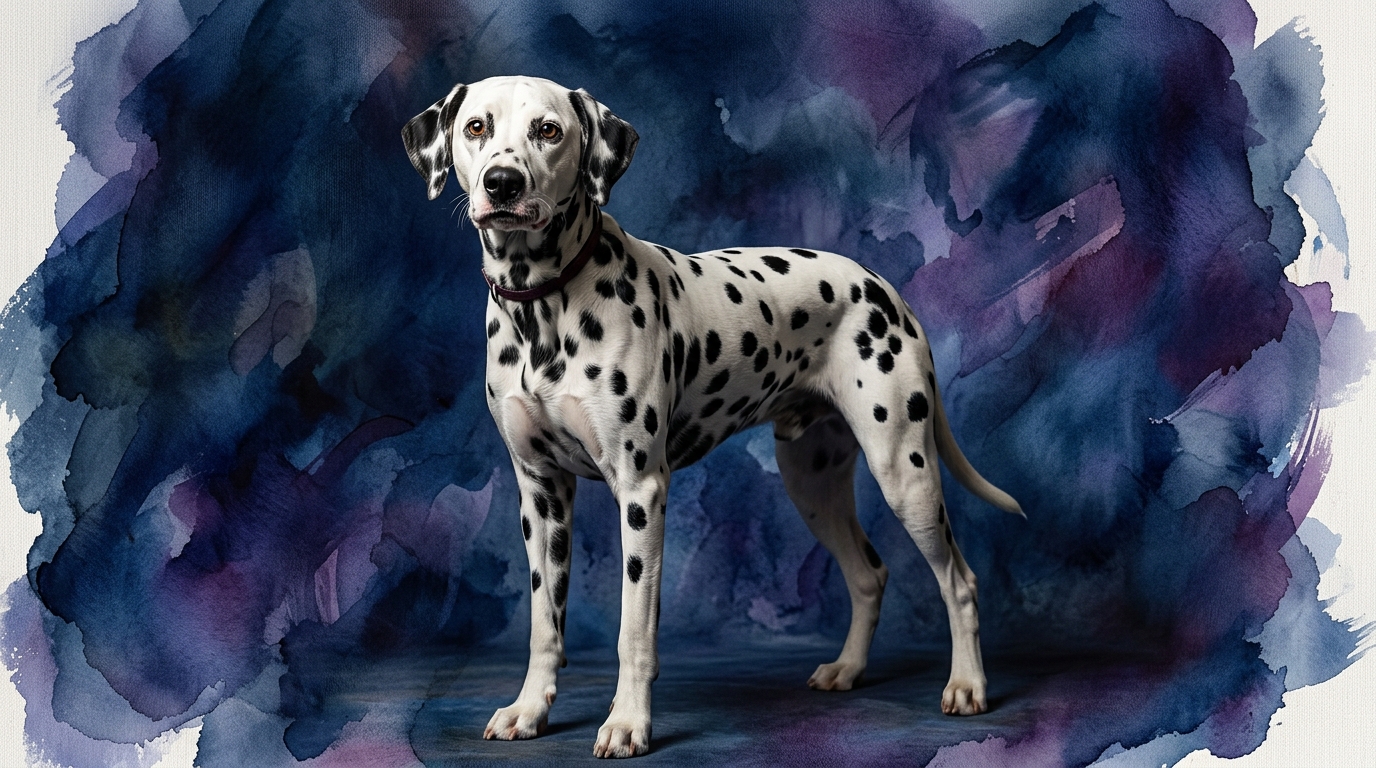
**Dalmatian:** Originating from a history of guarding and carriage work, the Dalmatian's cognitive makeup reflects their need for awareness and endurance. Their Problem Solving is rated 3/5, indicating a moderate ability to navigate straightforward challenges but potentially needing guidance for complex tasks. Training Speed also sits at 3/5; they learn steadily with consistent, positive reinforcement, balancing a desire to please with an independent streak. Where they truly stand out is in Social Intelligence (4/5), showing a strong capacity to read human cues and adapt to various social settings, fostering deep familial bonds. Their Instinctive Drive is robust at 4/5, manifesting as a persistent need for physical activity and purpose. Finally, their Memory at 4/5 is a significant asset, allowing reliable recall of routines, commands, and spatial information over time.
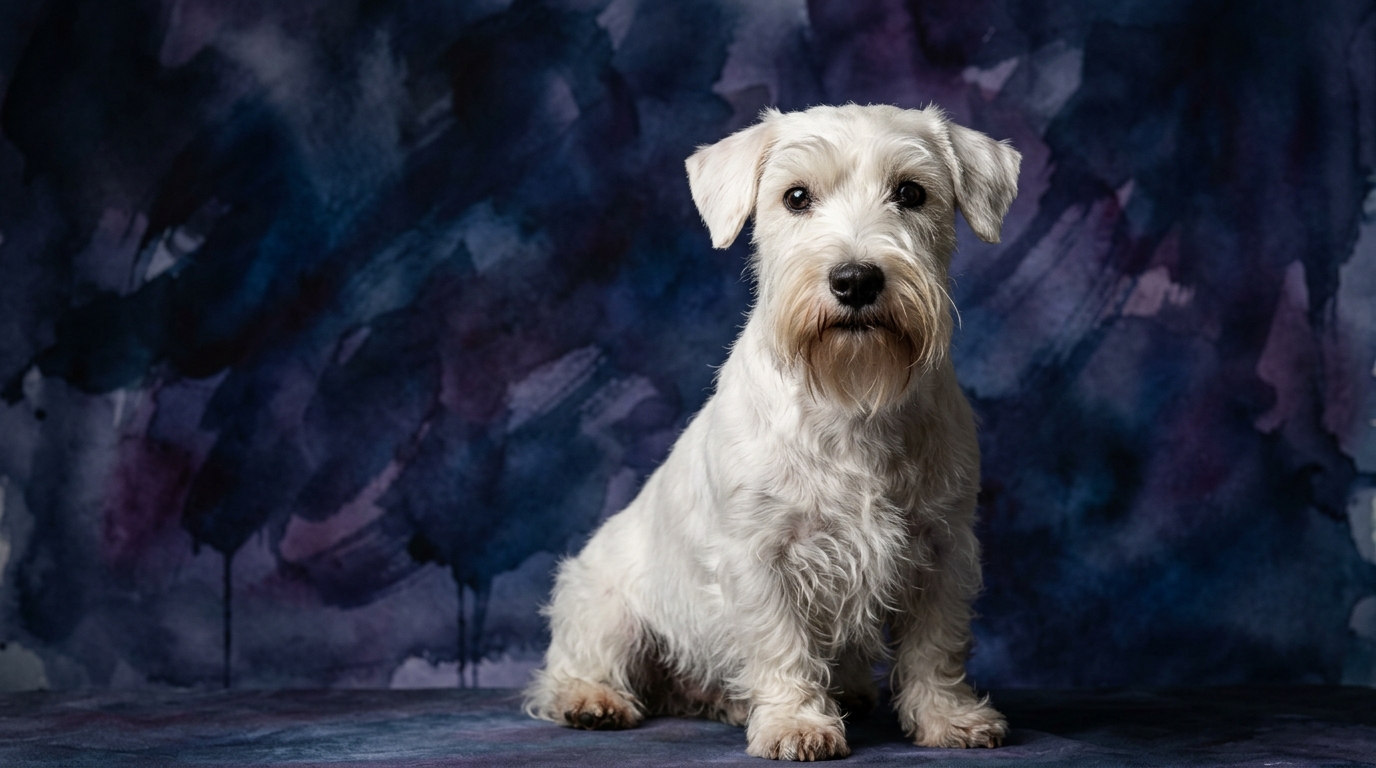
**Sealyham Terrier:** Bred for hunting vermin, the Sealyham Terrier's cognitive profile emphasizes tenacity and focused determination. Their Problem Solving is 3/5, similar to the Dalmatian, meaning they can tackle practical obstacles, often with a characteristic terrier persistence. Their Training Speed is also 3/5; they grasp new concepts at a moderate pace, though their independent nature can sometimes require more engaging and patient methods. Social Intelligence for the Sealyham is 3/5; they form strong bonds with their immediate family but might be more reserved or discerning with strangers compared to the more outwardly gregarious Dalmatian. Their Instinctive Drive is 3/5, reflecting a natural inclination to dig, chase, and explore with curiosity, though perhaps less intensely than breeds with higher endurance drives. Memory is rated 3/5, meaning they retain learned behaviors, but consistent reinforcement is beneficial, especially for commands not naturally aligned with their instincts.
Where the Dalmatian Excels Cognitively
The Dalmatian's cognitive profile reveals distinct advantages, particularly in areas related to social interaction and sustained activity. Their 4/5 social intelligence rating positions them as more attuned to human emotional states and social cues than the Sealyham Terrier. This means a Dalmatian is often quicker to pick up on subtle changes in an owner's mood or intentions, fostering a more fluid, responsive companionship. Furthermore, their 4/5 instinctive drive and memory ratings converge to create a dog with both the physical endurance and the mental map-making ability to thrive in structured, purposeful activities. While a Sealyham might lose interest or get distracted, a Dalmatian's robust memory and drive allow them to consistently perform complex routines or navigate extended routes, making them adept at activities requiring sustained focus and recall, such as advanced obedience or agility courses where sequence memory is crucial. This combination also contributes to their historically reliable performance as carriage dogs, remembering routes and maintaining pace over long distances.
Where the Sealyham Terrier Shines Cognitively
While the Sealyham Terrier's scores are consistently moderate, their strengths lie in their tenacious, independent spirit, which, while sometimes challenging for training, is a cognitive asset in specific contexts. Their problem-solving at 3/5, combined with their terrier drive, means they are adept at persistent, focused tasks, particularly those involving exploration and discovery. A Sealyham, when motivated by a scent or a hidden toy, will exhibit remarkable determination in figuring out how to access it, often employing creative, albeit sometimes stubborn, methods. Unlike the Dalmatian’s broad social awareness, the Sealyham’s cognitive strengths are often directed inward towards their immediate goals or outward towards a specific task. This focused determination, even with a moderate instinctive drive, makes them surprisingly effective at tasks requiring sustained individual effort, such as scent work or navigating a complex burrow-like puzzle, where sheer will often compensates for a lack of Coren ranking. Their moderate memory serves them well in these focused tasks, recalling the steps to achieve a specific, self-rewarding outcome.
Which is Easier to Train and Why
Based on The Cosmic Pet Pet IQ Lab data, both breeds share a 3/5 rating for training speed, suggesting neither is inherently “easier” in terms of how quickly they grasp a new command. However, the qualitative differences in their other cognitive dimensions paint a clearer picture of the training experience. The Dalmatian's superior social intelligence (4/5) and stronger memory (4/5) often translate to a more cooperative and consistent training partner. They are generally more attuned to their owner's desires and recall learned behaviors more reliably, even after a break. Their higher instinctive drive, while requiring an outlet, can be channeled into training, as they enjoy having a “job” or purpose. In contrast, the Sealyham Terrier's moderate social intelligence (3/5) and memory (3/5), coupled with their characteristic terrier independence, can make training a more nuanced endeavor. They may require more varied and engaging methods to maintain focus, and their intrinsic motivation might lean more towards self-rewarding activities (like digging or chasing) rather than solely pleasing their owner. While they learn, their interpretation of “following a command” might involve a moment of internal debate, making consistency and patience paramount for their handlers.
Which Suits Active Owners vs. Relaxed Owners
The cognitive profiles strongly suggest different suitability for owner lifestyles. The Dalmatian, with its 4/5 instinctive drive and 4/5 memory, is clearly better suited for active owners who can provide consistent, purposeful engagement. Their endurance-bred history means they require significant physical exercise, but their cognitive needs extend beyond just physical exertion. They thrive on activities that engage their memory and problem-solving, such as long jogs with varying routes, agility training, or even canine parkour, where their ability to remember sequences and adapt to new obstacles is utilized. A Dalmatian with insufficient mental and physical stimulation can become bored or restless, potentially developing undesirable behaviors. Conversely, while the Sealyham Terrier's instinctive drive is moderate at 3/5, their terrier nature still demands regular, albeit perhaps less endurance-focused, activity. They suit owners who enjoy interactive play, short but intense bursts of activity, and mental games that tap into their problem-solving and hunting instincts, such as scent work or hide-and-seek. A Sealyham can adapt to a more relaxed home environment, provided their need for mental engagement and a secure outdoor space for exploration is met. They are less likely to demand constant, high-octane activity than a Dalmatian, making them a better fit for owners who appreciate a dog with bursts of energy rather than sustained output.
The Verdict
Opt for a Dalmatian if you are an active individual or family seeking a highly social, perceptive companion for endurance activities, complex training, and a strong, consistent memory for routines.
Select a Sealyham Terrier if you appreciate a resilient, independent spirit in a dog, enjoy engaging in focused, interactive play and scent games, and prioritize a companion whose energy peaks are manageable for a moderately active lifestyle.
🧠 Find Your Pet's IQ Score
Our Pet IQ Lab assessment covers 25+ tests across 5 cognitive dimensions — personalized to your breed.
Take the Full IQ Test →Frequently Asked Questions
Does a higher Coren ranking mean a dog is smarter overall?
Not necessarily. The Coren ranking primarily measures a dog's working and obedience intelligence, focusing on how quickly they learn and obey commands from humans. It doesn't fully encompass other cognitive dimensions like problem-solving in novel situations, social intelligence, or instinctive drives, which are crucial for a holistic understanding of a dog's cognitive profile.
Can a Sealyham Terrier be trained for advanced obedience despite its moderate training speed?
Yes, absolutely. While a Sealyham Terrier's training speed is rated as moderate, their inherent tenacity and moderate problem-solving abilities mean they are capable of advanced obedience. Success relies on consistent, positive reinforcement, making training sessions engaging, and understanding their independent terrier nature, which may require more patience and creative motivation.
How does instinctive drive impact daily life for these two breeds?
For Dalmatians, a 4/5 instinctive drive means they require ample opportunities for sustained physical activity, like long runs or vigorous play, to prevent restlessness. For Sealyham Terriers, a 3/5 instinctive drive translates to a need for outlets for digging, chasing, and exploring, often satisfied with interactive games, secure yard access for sniffing, or structured scent work, rather than just raw endurance.