Side-by-Side Cognitive Profiles
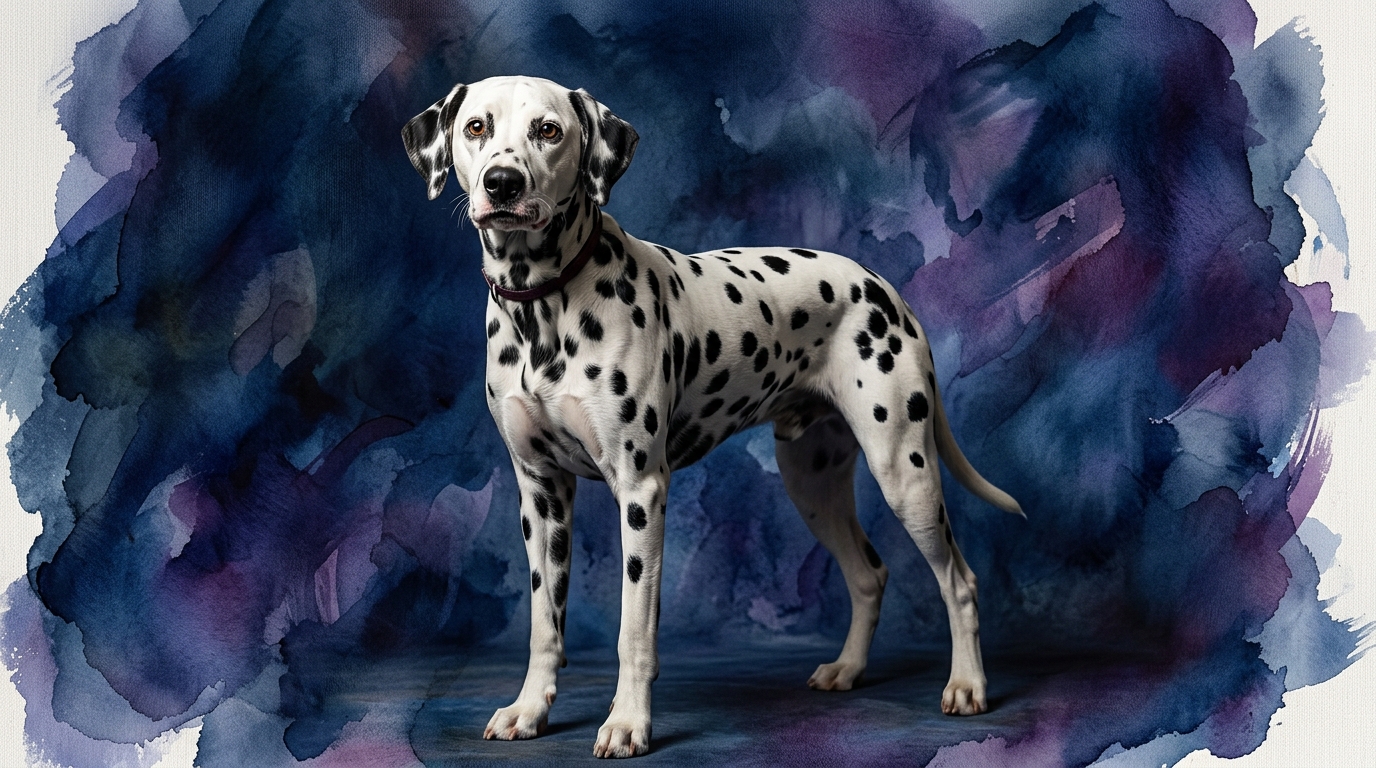
The Cosmic Pet Pet IQ Lab provides a unique lens through which to compare canine intelligence across five key dimensions. For the Dalmatian, categorized in the Non-Sporting Group and ranked #39 by Coren, its profile highlights a problem-solving ability of 3/5, a training speed of 3/5, a social intelligence of 4/5, an instinctive drive of 4/5, and a memory score of 4/5. This suggests a dog capable of moderate cognitive challenges, learning at an average pace, but excelling in understanding human and environmental cues, possessing strong inherent motivations, and retaining information effectively.
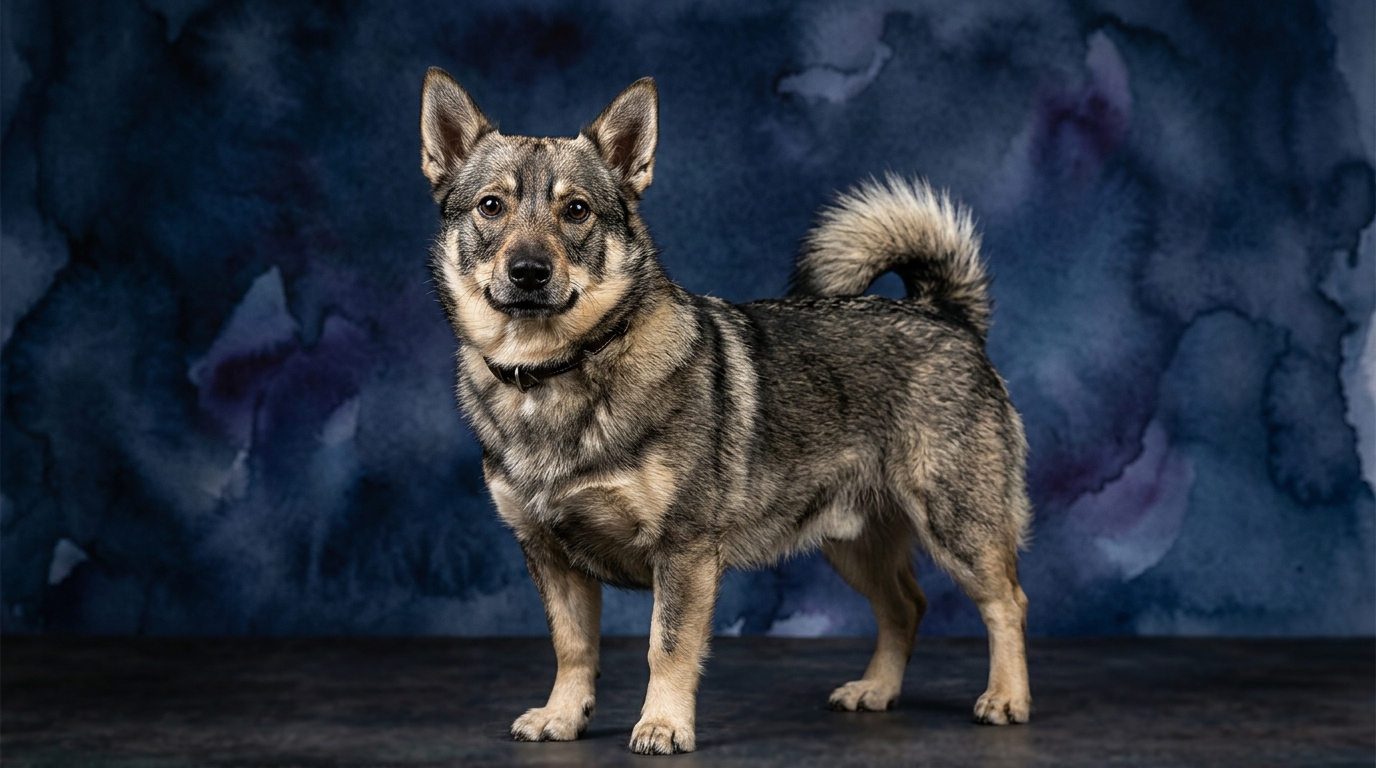
In contrast, the Swedish Vallhund, a member of the Herding Group and not ranked by Coren, presents a more uniformly balanced profile. It scores 3/5 in problem-solving, 3/5 in training speed, 3/5 in social intelligence, 3/5 in instinctive drive, and 3/5 in memory. This indicates a robust and consistent cognitive capacity across the board, without the pronounced peaks seen in some other breeds. The Vallhund demonstrates solid competency in navigating challenges, learning new tasks, interacting with its environment, acting on its inherent drives, and recalling experiences, all at a steady, reliable pace.
Where the Dalmatian Excels Cognitively
The Dalmatian's cognitive strengths truly shine in areas demanding nuanced understanding and retention. With a social intelligence score of 4/5, Dalmatians often demonstrate a keen ability to interpret human body language, vocal inflections, and emotional states, making them particularly attuned companions. This heightened social awareness means they can pick up on subtle cues that might be missed by other breeds, fostering a deeper, more responsive bond with their human family. This capability is invaluable in cooperative tasks or in environments where understanding social dynamics is beneficial.
Furthermore, their 4/5 memory score indicates a strong capacity for recalling complex routines, learned commands, and past experiences over extended periods. This cognitive trait supports their historical roles, such as coaching dogs who needed to remember routes and maintain pace alongside carriages. For owners, this translates into a dog that can master intricate sequences and maintain proficiency with less frequent refreshers, making them excellent candidates for advanced obedience, agility, or performance sports where remembering long patterns is crucial. Coupled with a 4/5 instinctive drive, Dalmatians possess a robust inner motivation that, when properly channeled, can fuel sustained engagement in specific activities, from endurance running to intricate scent work, allowing them to pursue tasks with impressive focus and vigor.
Where the Swedish Vallhund's Profile Shines
While the Swedish Vallhund's cognitive scores are consistently 3/5 across all dimensions, this balanced profile is precisely where its unique strength lies. Rather than excelling in one specific area, the Vallhund demonstrates a reliable, practical intelligence that is adaptable and consistently competent. A 3/5 in problem-solving indicates they are capable of navigating moderate challenges and learning effective strategies without becoming overly frustrated by complexity. This even keel across cognitive functions suggests a dog that is consistently predictable in its learning and responses, which can be a significant advantage for owners seeking a stable and dependable companion.
Their 3/5 instinctive drive, rooted in their herding heritage, means they possess a natural inclination for tasks that involve movement and control, but without the overwhelming intensity that might characterize breeds with higher drive scores. This allows their herding instincts to be channeled into manageable activities like herding games, agility, or even organized urban herding without requiring constant, high-pressure engagement. The Vallhund's consistent 3/5 in social intelligence and memory also implies they are perfectly capable of forming strong bonds and learning routines, albeit perhaps requiring slightly more explicit communication or repetition than a Dalmatian. This balanced competency ensures they are robust, versatile learners well-suited to a variety of family environments and activities, offering a reliable, steady cognitive companion.
Which is Easier to Train and Why
When considering ease of training, both Dalmatians and Swedish Vallhunds share a training speed score of 3/5, suggesting they learn new commands and behaviors at an average pace. However, their differences in social intelligence and instinctive drive offer nuances in their trainability. The Dalmatian, with its 4/5 social intelligence, often appears more responsive to training due to its greater attunement to human cues and a stronger desire to engage cooperatively. This means a Dalmatian might be quicker to understand what is being asked of it through subtle body language or tone, and more motivated by social reinforcement and praise. Their higher instinctive drive, while requiring careful direction, also provides a powerful engine for learning when a task aligns with their inherent motivations, making them enthusiastic participants once they grasp the objective.
Conversely, the Swedish Vallhund's 3/5 social intelligence suggests they may require more explicit and consistent communication during training sessions. They might be less inclined to 'read between the lines' of human behavior, necessitating clearer commands and more structured repetition. While they possess an instinctive drive (3/5), it might be less generalized than the Dalmatian's, often focused on their herding tendencies. This means training success with a Vallhund might hinge on tapping into or redirecting their specific herding instincts. Neither breed is inherently 'difficult' to train, but the Dalmatian's higher social intelligence and robust drive can make them seem more intuitive and eager to please in a training context, while the Vallhund benefits from clear, consistent, and perhaps more task-oriented training approaches.
Active Owners vs. Relaxed Owners
The cognitive profiles of these two breeds offer clear guidance for potential owners regarding activity levels. Dalmatians, with their 4/5 instinctive drive and memory, thrive with active owners who can provide consistent physical exercise and engaging mental challenges. Their historical role as coaching dogs speaks to their endurance and need for sustained activity; they require more than just a casual stroll. Owners who enjoy long runs, hiking, agility training, or complex obedience routines will find a highly motivated and capable partner in a Dalmatian. Their strong memory also means they benefit from routine and consistent training, which helps channel their robust drive productively. Without sufficient mental and physical outlets, a Dalmatian's energy and drive can manifest in less desirable behaviors, making them unsuitable for predominantly relaxed, sedentary lifestyles.
The Swedish Vallhund, while a herding breed with a 3/5 instinctive drive, presents a slightly more adaptable profile. They definitely require regular exercise and mental stimulation to prevent boredom, but their needs might be less intense than a Dalmatian's. Their compact size and balanced cognitive scores suggest they can be content with daily walks, play sessions, and opportunities to engage their minds with puzzles or simple training games. They are well-suited for owners who are active but perhaps not marathon runners, or those who enjoy varied activities rather than highly specialized, intense routines. While they are not a 'couch potato' breed, a Vallhund can adjust more readily to a moderately active household that prioritizes consistent engagement without the demanding intensity often associated with a Dalmatian's vigor. Their robust yet balanced nature makes them a good fit for active families who appreciate a dog with a purpose but also enjoys downtime.
The Verdict
Choose a Dalmatian if you are an active, experienced owner seeking a highly attuned and driven partner for complex activities, valuing strong social bonds and a dog with exceptional recall for intricate routines.
Opt for a Swedish Vallhund if you desire a robust, adaptable companion with a balanced, practical intelligence, suitable for moderately active lifestyles and owners who appreciate a steady, reliable learner with a manageable herding drive.
🧠 Find Your Pet's IQ Score
Our Pet IQ Lab assessment covers 25+ tests across 5 cognitive dimensions — personalized to your breed.
Take the Full IQ Test →Frequently Asked Questions
Do Dalmatians require a lot of mental stimulation?
Yes, Dalmatians, with their 4/5 memory and instinctive drive, benefit significantly from consistent mental stimulation. Engaging them in puzzle toys, advanced training, or dog sports helps channel their cognitive energy and prevents boredom, complementing their substantial physical exercise needs.
Are Swedish Vallhunds good for first-time dog owners?
Swedish Vallhunds can be suitable for first-time owners who are committed to consistent training and providing regular exercise. Their balanced 3/5 cognitive profile means they are generally responsive and adaptable, though their herding instincts require understanding and appropriate outlets.
How do their social intelligence scores impact household dynamics?
A Dalmatian's 4/5 social intelligence means they are often highly perceptive of household moods and dynamics, potentially making them more sensitive to family interactions. A Swedish Vallhund's 3/5 social intelligence indicates they are competent in social settings but might be slightly more independent, requiring clearer social cues and consistent interaction to solidify their role within the family unit.