Side-by-Side Cognitive Profiles
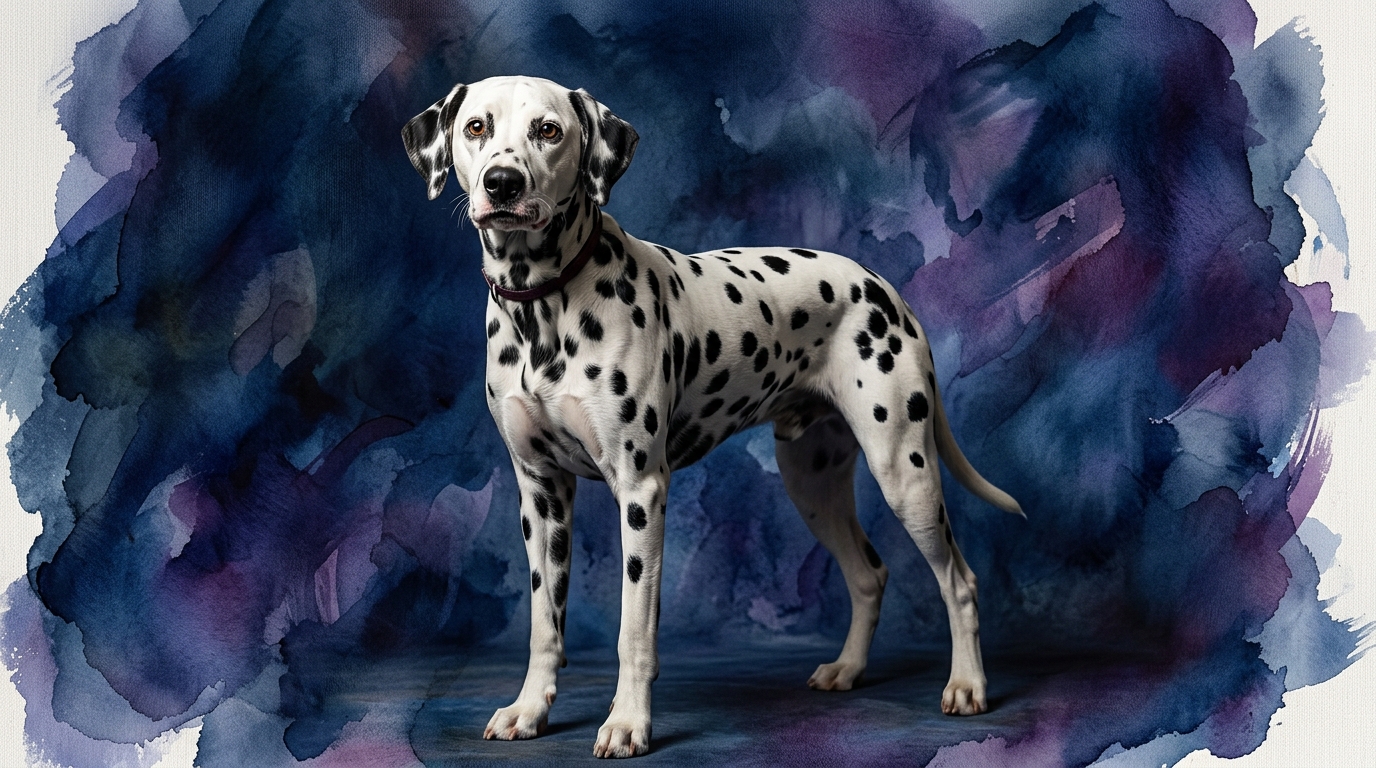
At The Cosmic Pet Pet IQ Lab, we dissect canine intellect across five crucial dimensions, revealing the unique cognitive landscapes of each breed. The Dalmatian, ranking #39 on Coren's scale, demonstrates a balanced yet distinct set of mental aptitudes. Their problem-solving capacity sits at a solid 3/5, indicating an ability to navigate challenges but perhaps needing consistent guidance. Training speed is also 3/5, suggesting they learn at a steady pace, often requiring engaging and varied approaches to maintain focus. Where Dalmatians truly shine is in social intelligence, scoring an impressive 4/5, making them highly attuned to human emotions and social cues. Their instinctive drive is equally robust at 4/5, reflecting a strong inner motivation often tied to their historical roles. Finally, their memory is strong at 4/5, meaning they retain experiences and learned behaviors effectively over time.
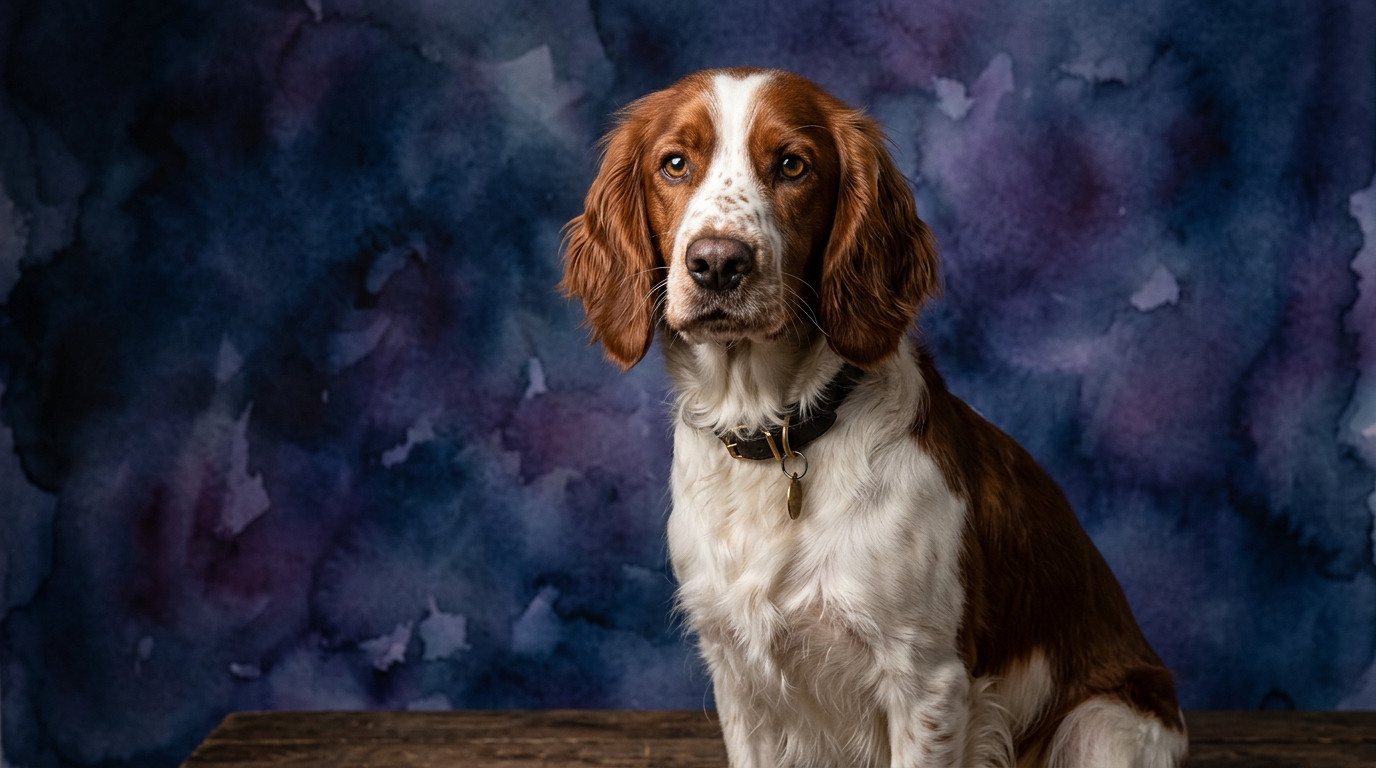
The Welsh Springer Spaniel, with a higher Coren rank of #31, presents a different cognitive emphasis. They exhibit a superior problem-solving ability at 4/5, indicating a resourceful mind capable of navigating complex situations with greater independence. Their training speed also stands at 4/5, suggesting a quicker grasp of new commands and a generally more biddable nature during structured learning sessions. In social intelligence, they score 3/5, connecting well with their family but perhaps less acutely perceptive of subtle human emotional shifts compared to Dalmatians. Their instinctive drive is rated 3/5, reflecting a manageable level of natural hunting instincts that can be channeled into appropriate activities. Like Dalmatians, Welsh Springers boast a strong memory at 4/5, ensuring they recall training and past interactions with considerable accuracy.
Where the Dalmatian Excels Cognitively
The Dalmatian's cognitive profile reveals a particular strength in social intelligence and instinctive drive. Their 4/5 social intelligence means they are often exceptionally perceptive of their human companions' moods and intentions. This allows them to form deep, empathetic bonds, often responding to subtle shifts in tone or body language in ways that other breeds might miss. They excel at reading a room, understanding the social dynamics, and adapting their behavior accordingly, making them highly intuitive companions in a family setting. This perceptive quality can manifest as a keen awareness of routines and household harmony, often anticipating needs or reacting to emotional states with a comforting presence.
Furthermore, the Dalmatian's 4/5 instinctive drive is a testament to their enduring purpose and tenacity. Historically bred to run alongside carriages for miles, their drive encompasses not just physical stamina but also a mental resilience and focus on specific tasks. This strong inner motivation, while requiring proper outlets, allows them to commit wholeheartedly to activities that align with their natural inclinations, such as long-distance running or engaging in purposeful work. Their high drive, when channeled correctly, means they can demonstrate remarkable focus and endurance in pursuits that capture their interest, making them tireless partners for specific activities.
Where the Welsh Springer Spaniel Wins Cognitively
The Welsh Springer Spaniel's cognitive strengths lie prominently in their problem-solving ability and training speed. With a 4/5 rating in problem-solving, this breed demonstrates a significant capacity for independent thought and finding solutions to novel challenges. This means they are often adept at navigating complex environments, figuring out how to open gates, or understanding multi-step commands with greater ease. Their resourcefulness makes them excellent candidates for advanced obedience, agility, or scent work, where understanding intricate tasks and adapting to new scenarios is paramount. They approach puzzles with a thoughtful curiosity, often experimenting with different actions until they achieve their desired outcome, showcasing a proactive mental approach.
Complementing their problem-solving prowess is their 4/5 training speed, indicating a natural aptitude for learning new commands swiftly and efficiently. Welsh Springers typically display a strong eagerness to please, which, combined with their quick mental processing, makes them highly responsive to training cues. They are often less prone to the independent streaks that can sometimes challenge other breeds, preferring to work cooperatively with their handlers. This combination of quick learning and problem-solving makes them exceptionally rewarding for owners who enjoy structured training sessions and aspire to participate in dog sports or engage in complex command sequences. Their ability to pick up on new behaviors rapidly means training can progress at an encouraging pace.
Training Aptitude: Which Breed is Easier?
When considering ease of training, the Welsh Springer Spaniel generally holds an advantage over the Dalmatian. The Welsh Springer's 4/5 training speed and 4/5 problem-solving ability contribute to a more straightforward and often quicker learning process. They tend to be more biddable and task-oriented, eager to understand what is expected of them and to perform accordingly. Their slightly lower instinctive drive (3/5) compared to the Dalmatian means their natural urges are often more manageable and less likely to override their focus during training sessions, allowing for more consistent engagement and quicker mastery of commands. Their inclination to work cooperatively with their human partners makes them highly receptive to positive reinforcement methods and structured lessons.
The Dalmatian, while certainly trainable, presents a different set of considerations with a 3/5 training speed and 4/5 instinctive drive. Their learning can be a bit more independent, and their strong drives may lead to moments of distraction or a desire to follow their own agenda. Owners often need to be more creative and patient, making training sessions highly engaging and varied to keep a Dalmatian's interest. Their endurance and drive mean they require substantial physical and mental exercise before training to help them focus. While they remember well (4/5 memory), getting them to consistently apply learned behaviors requires understanding their unique motivations and channeling their strong personality effectively.
Matching Breeds to Lifestyles: Active vs. Relaxed Owners
Both Dalmatians and Welsh Springer Spaniels require active engagement, but the nature of that activity differs, making them suitable for distinct types of active owners. For owners who enjoy long, sustained physical activities and appreciate a perceptive companion, the Dalmatian is an excellent fit. Their 4/5 instinctive drive and endurance mean they thrive on extensive runs, hikes, or even accompanying their owners on bike rides. Their 4/5 social intelligence ensures they are deeply connected to their human partners during these activities, making them engaging companions for shared adventures. They need consistent outlets for their drive to prevent boredom and potential destructive behaviors, making them ideal for individuals or families committed to an energetic outdoor lifestyle.
The Welsh Springer Spaniel, with their 4/5 problem-solving and training speed, suits active owners who enjoy structured activities and mental challenges. They excel in dog sports like agility, obedience, or scent work, where their quick learning and resourcefulness can be fully utilized. While they certainly need physical exercise, their 3/5 instinctive drive is often channeled more effectively through purposeful tasks rather than purely endurance-based activities. Owners who enjoy teaching new tricks, participating in competitive events, or engaging in interactive games that challenge their dog's intellect will find a highly cooperative and enthusiastic partner in a Welsh Springer. Neither breed is well-suited for truly 'relaxed' owners in the sense of minimal daily activity, as both possess significant needs for physical and mental stimulation.
The Verdict
Choose the Dalmatian if you value a highly perceptive, empathetic companion for long, active outings and are prepared to engage a dog with strong, independent drives.
Opt for the Welsh Springer Spaniel if you seek a biddable, quick-learning partner for structured activities, dog sports, or a consistent family companion who thrives on mental tasks.
🧠 Find Your Pet's IQ Score
Our Pet IQ Lab assessment covers 25+ tests across 5 cognitive dimensions — personalized to your breed.
Take the Full IQ Test →Frequently Asked Questions
Do Dalmatians understand human emotions better than Welsh Springer Spaniels?
Yes, Dalmatians score higher in social intelligence (4/5 vs 3/5), suggesting they are often more attuned to human moods and subtle cues. This perception allows them to respond with greater empathy to their owner's emotional state, fostering a deep connection.
Which breed is better at learning new tricks quickly?
The Welsh Springer Spaniel generally learns new commands faster, with a training speed of 4/5 compared to the Dalmatian's 3/5. Their eagerness to please and higher problem-solving aptitude contribute to this quicker acquisition of new skills and a more consistent training experience.
How do their instinctive drives impact daily life?
Dalmatians have a stronger instinctive drive (4/5), which often manifests as a need for sustained physical activity and purpose, potentially leading to chasing behaviors if not managed with appropriate outlets. Welsh Springer Spaniels (3/5) possess hunting instincts that require outlets like scent work, but they are generally less intense and more focused on cooperative tasks, making their drives slightly more manageable.