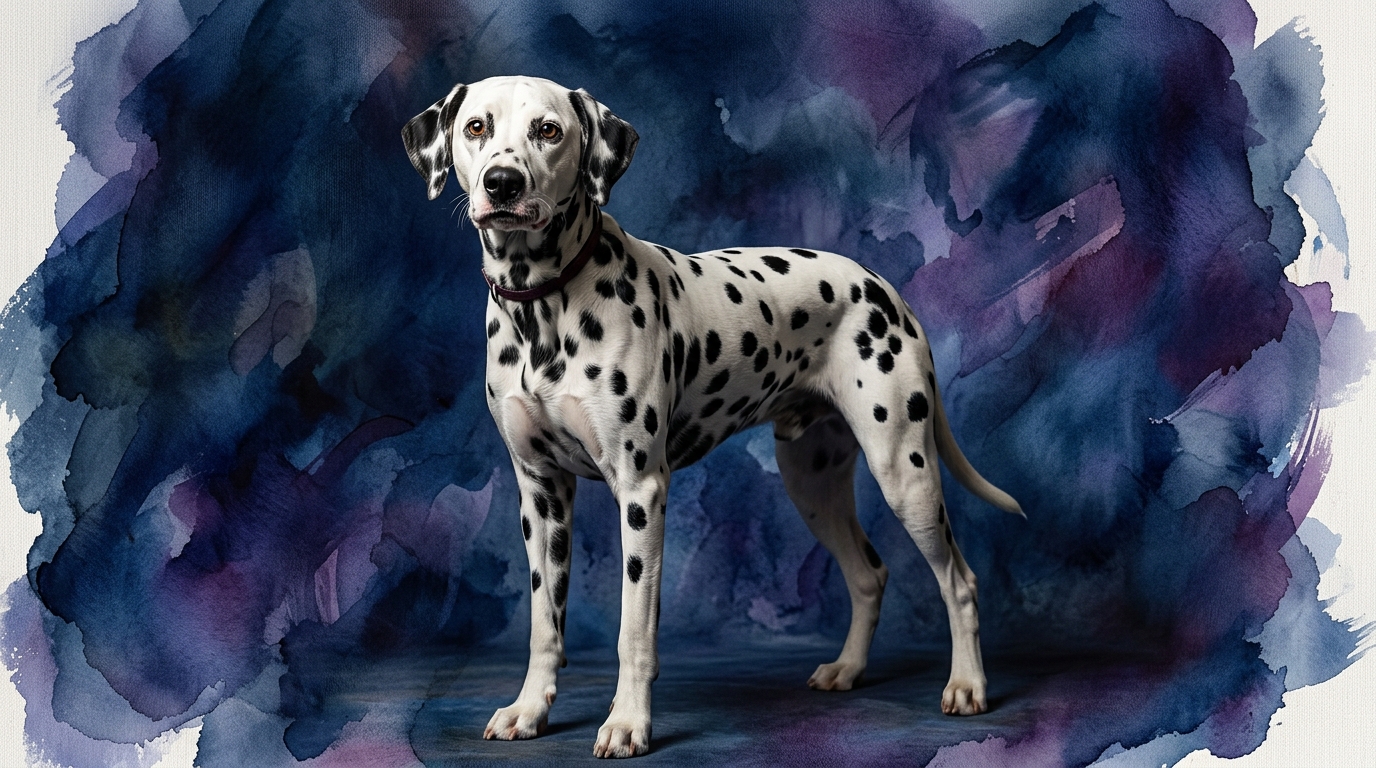
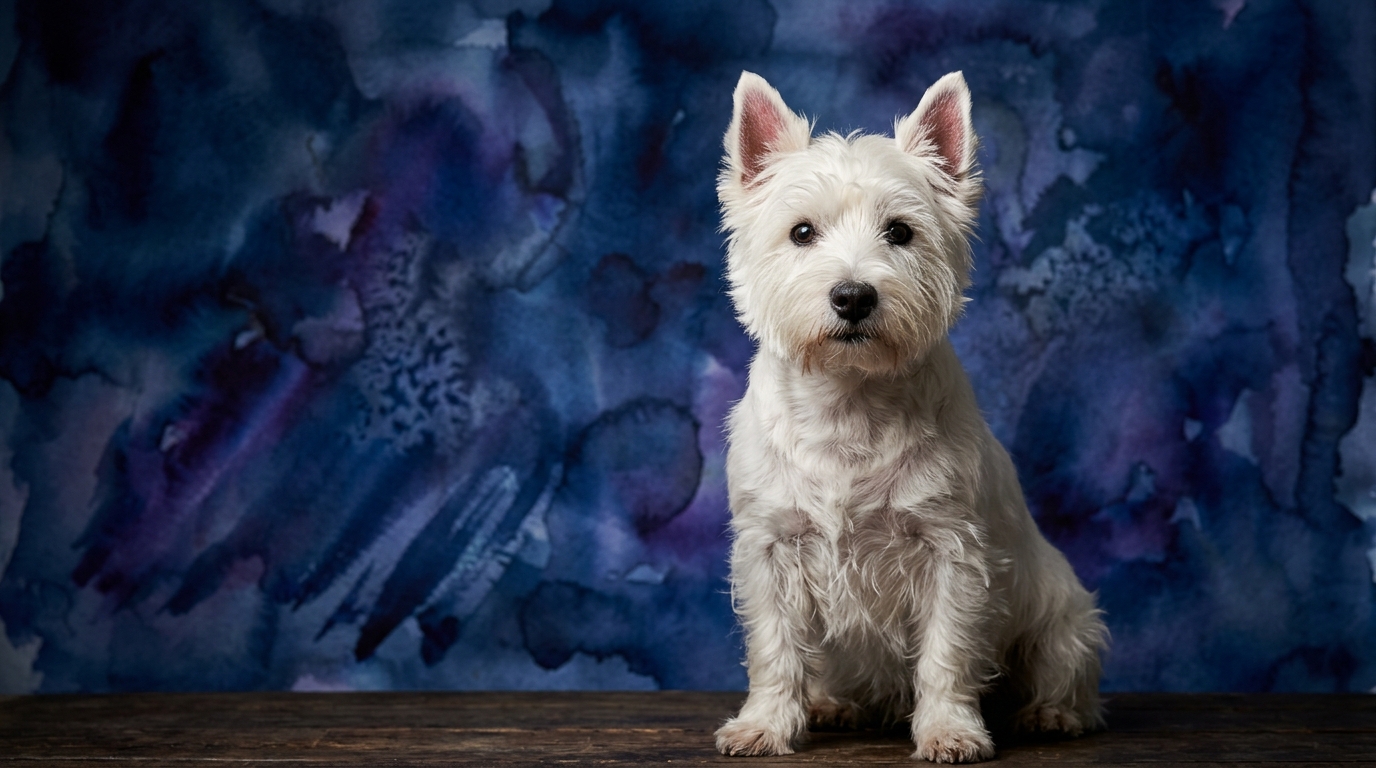
Side-by-Side IQ Profile: Unpacking Canine Cognition
The Cosmic Pet Pet IQ Lab employs a multi-dimensional approach to assess canine cognition, moving beyond a single 'intelligence' score. For the Dalmatian, ranked #39 by Coren, and the West Highland White Terrier, ranked #47, we examine problem-solving, training speed, social intelligence, instinctive drive, and memory to paint a comprehensive picture.
Both breeds score identically at 3/5 for **Problem Solving**, indicating a moderate capacity to navigate novel situations or figure out puzzles. For Dalmatians, this might manifest in finding creative ways to engage with their environment or people. For Westies, it often involves persistent, trial-and-error approaches to achieve a goal, typical of a terrier's independent hunting style.
Similarly, **Training Speed** stands at 3/5 for both, meaning neither breed is at the extreme end of rapid command acquisition. They both require consistent, positive reinforcement methods. Dalmatians, with their history of working alongside horses, learn routines well but might not pick up complex tricks instantly. Westies, while eager to please their chosen person, possess a certain independence that can make initial training a gradual process.
A key differentiator emerges in **Social Intelligence**: the Dalmatian scores 4/5, while the Westie registers 3/5. This indicates Dalmatians exhibit a higher aptitude for understanding human cues, emotions, and social structures within a family, often more attuned to their owner's mood. Westies, while affectionate, tend to be more focused on their immediate interests, displaying a slightly less nuanced grasp of complex social dynamics, characteristic of their independent working heritage.
**Instinctive Drive** also varies, with the Dalmatian at 4/5 and the Westie at 3/5. Dalmatians possess a strong inherent drive, historically tied to their endurance and pacing alongside carriages, translating into a need for sustained purpose and activity. Westies, while driven by their terrier instincts for digging, chasing, and exploring, exhibit this drive in bursts rather than sustained, directed efforts, focusing more on independent pursuit of small prey.
Finally, both breeds share a robust **Memory** at 4/5. Dalmatians will recall routines, commands, and experiences effectively, making learned behaviors quite durable. Westies also retain information well, remembering training cues, favorite places, and even past negative experiences, which can contribute to their sometimes-stubborn reputation if not managed with positive methods.
Where the Dalmatian Wins Cognitively
The Dalmatian's cognitive advantages are rooted in their historical role as a companion and working dog alongside humans. Their 4/5 social intelligence score shines through in their ability to form deep, reciprocal bonds. They are more likely to pick up on subtle human body language and vocal tones, making them highly responsive to their owners' emotional states and intentions. This sensitivity facilitates a more fluid communication and partnership, particularly in activities requiring close cooperation and a shared understanding.
With a 4/5 instinctive drive, Dalmatians thrive on having a job or a consistent activity. This drive isn't merely about bursts of energy; it's about a sustained mental and physical engagement that aligns with their historical stamina. Whether it’s long runs, agility training, or a consistent routine of play, their cognitive framework benefits from structured, enduring tasks. This higher drive rating suggests a greater capacity for maintaining focus over longer periods when motivated, making them excellent partners for endurance-based activities.
While individual training speed scores are equal, the Dalmatian's higher Coren rank of #39, indicating above-average working and obedience intelligence, suggests a greater overall trainability. This means they generally require fewer repetitions to learn new commands and obey them more reliably, particularly for complex sequences. Their superior social intelligence further contributes to this, making them more inclined to follow human direction once a strong, trusting bond is established, leading to more consistent and willing compliance.
Where the West Highland White Terrier Wins Cognitively
Despite an equal 3/5 problem-solving score, the Westie's distinct terrier heritage fosters a unique brand of cognitive strength: independent problem-solving and resourcefulness. Their historical role required them to make decisions autonomously, often out of sight of their human companions, to locate and dispatch vermin. This cultivates a resourceful, self-reliant approach to challenges, making them adept at figuring things out on their own terms. They excel at tasks requiring persistence and a bit of cleverness, even if it means bending the rules to achieve their goal.
The Westie's instinctive drive, while rated 3/5, is intensely focused when it comes to their primary terrier urges. This isn't about sustained endurance but rather an unwavering, almost obsessive focus on a specific goal – be it digging, chasing a squirrel, or pursuing a scent. This tenacity, while sometimes challenging in training due to its independence, is a cognitive strength for tasks that require single-minded determination. When a Westie sets its mind to something, it commits fully to its immediate objective.
Their independent nature, stemming from their working history, also grants Westies a certain adaptability in novel environments, within limits. Less reliant on constant human direction in new, stimulating surroundings, a Westie is more likely to assess the situation and act on its own initiative, exploring and engaging with its environment with confidence. This self-sufficiency is a cognitive advantage in situations where immediate human guidance is not readily available, allowing them to navigate new experiences with a spirited curiosity.
Which is Easier to Train and Why
Based on their cognitive profiles and historical roles, the Dalmatian generally presents as the easier breed to train. Their higher social intelligence (4/5) means they are more attuned to human commands and intentions, making them more receptive to instruction. They are often eager to please and form a cooperative partnership, which streamlines the learning process. The Dalmatian's Coren rank of #39 further supports this, indicating a quicker grasp of new commands and a higher rate of obedience compared to the Westie's #47. While both have a 3/5 training speed, the Dalmatian's overall cognitive profile, especially their social responsiveness, makes them more inclined to follow and integrate human-led learning.
The West Highland White Terrier, despite also having a 3/5 training speed, can present more challenges due to their independent nature and strong instinctive drives (3/5). Terriers were bred to work autonomously, making their own decisions in the field. This independence can translate into a 'what's in it for me?' attitude during training, requiring more creative motivation and patience from the owner. While they are clever and possess a good memory (4/5), their drive to pursue their own interests (like chasing a scent) can override a command if not properly managed. Successful Westie training often relies on making the owner's requests more appealing than their innate terrier urges, demanding consistency and a deep understanding of their motivated behaviors.
Which Suits Active Owners vs. Engaged Owners
For active owners, the Dalmatian is an excellent match. Their 4/5 instinctive drive and historical role as endurance runners mean they require substantial physical activity and mental engagement. They thrive on long runs, hikes, agility sports, or consistent, vigorous play sessions. Their higher social intelligence also means they generally enjoy participating in activities *with* their owner, making them ideal companions for those who want a canine partner for their adventures. Dalmatians can become bored and destructive if their energy and cognitive needs are not met, making an active lifestyle a prerequisite for their well-being.
For engaged owners who appreciate a spirited companion, the West Highland White Terrier can be a good fit. While not requiring the same sustained endurance as a Dalmatian, Westies are spirited terriers with a 3/5 instinctive drive that manifests in bursts of energy and a need for mental stimulation. They enjoy vigorous play, daily walks, and opportunities to explore and 'hunt' (even if it's just finding treats). Their independent nature means they can entertain themselves to some extent, but they still need consistent interaction and activities that engage their problem-solving skills, like puzzle toys or scent work. An owner who isn't prepared for a terrier's spirited antics and need for daily engagement might find a Westie's determination overwhelming; they are not content to be couch potatoes without proper outlets for their breed-specific drives.
The Verdict
Opt for a Dalmatian if you seek a highly social, physically enduring canine partner for active pursuits and appreciate a dog that is generally more responsive to cooperative training.
Select a Westie if you admire independent problem-solvers with tenacious spirits, are prepared for consistent, motivation-based training, and enjoy a companion with a spirited zest for life.
🧠 Find Your Pet's IQ Score
Our Pet IQ Lab assessment covers 25+ tests across 5 cognitive dimensions — personalized to your breed.
Take the Full IQ Test →Frequently Asked Questions
Do Dalmatians and Westies learn new commands at the same rate?
While both breeds score 3/5 for training speed, suggesting a similar rate for initial command acquisition, the Dalmatian's higher Coren rank (#39 vs #47) and superior social intelligence often make them more consistently obedient and quicker to generalize learned behaviors. The Westie's independent streak can require more repetition and creative motivation to integrate commands reliably.
Which breed is better at understanding human emotions and social cues?
The Dalmatian, with a social intelligence score of 4/5, generally outperforms the West Highland White Terrier (3/5) in this aspect. Dalmatians are often more attuned to their owner's moods and intentions, leading to a more nuanced and responsive social interaction. Westies, while affectionate, tend to be more focused on their own immediate interests.
Are Dalmatians or Westies more prone to independent problem-solving?
While both score 3/5 for problem-solving, the West Highland White Terrier's historical role as an independent hunter has fostered a more self-reliant, tenacious approach to figuring things out on their own. Dalmatians can solve problems, but their higher social intelligence often means they are more inclined to look to their human for guidance or collaboration in novel situations.