Side-by-Side IQ Profile
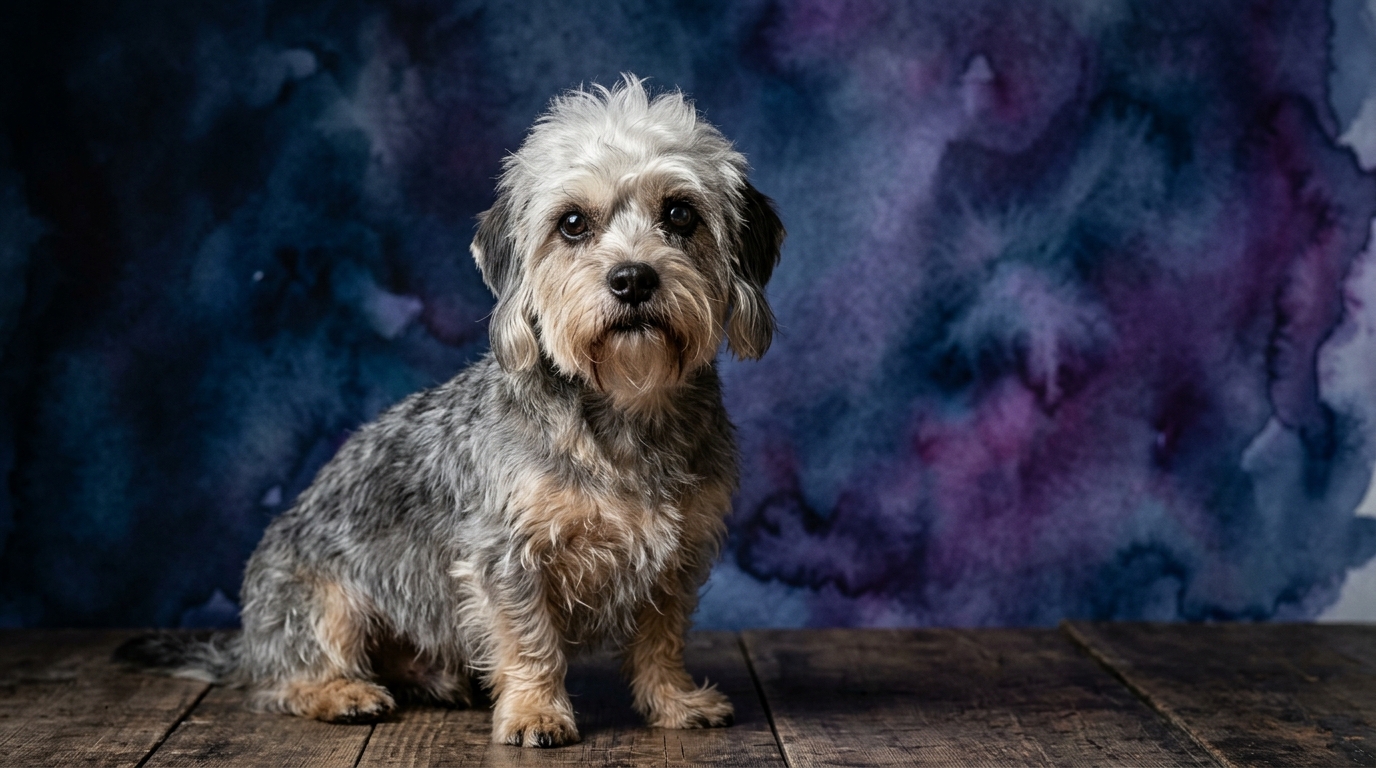
**Dandie Dinmont Terrier:** This unique terrier, despite its charming appearance, possesses a cognitive framework deeply rooted in its working heritage. Their **Problem Solving (3/5)** often translates to a persistent, independent approach to challenges, adept at figuring out how to achieve goals like navigating complex scent trails or outsmarting barriers to reach a desired object. For a Dandie, problem-solving is often driven by their terrier instincts, making them resourceful in scenarios that engage their natural drives. Their **Training Speed (3/5)** indicates a moderate ability to grasp new commands; they respond well to consistent, positive reinforcement and methods that make training feel like a game, though their independent streak means compliance might be chosen rather than instantly obeyed. In **Social Intelligence (3/5)**, they exhibit a balanced understanding of cues, adapting their behavior accordingly, forming strong family bonds but showing reserve with strangers. Their **Instinctive Drive (3/5)** is moderately strong, primarily centered around their historical role as vermin hunters, manifesting as keen interest in scent work, digging, and pursuing small, fast-moving objects. Their **Memory (3/5)** is solid, allowing them to retain learned behaviors and experiences effectively, aiding in navigation and recall of training cues over time.
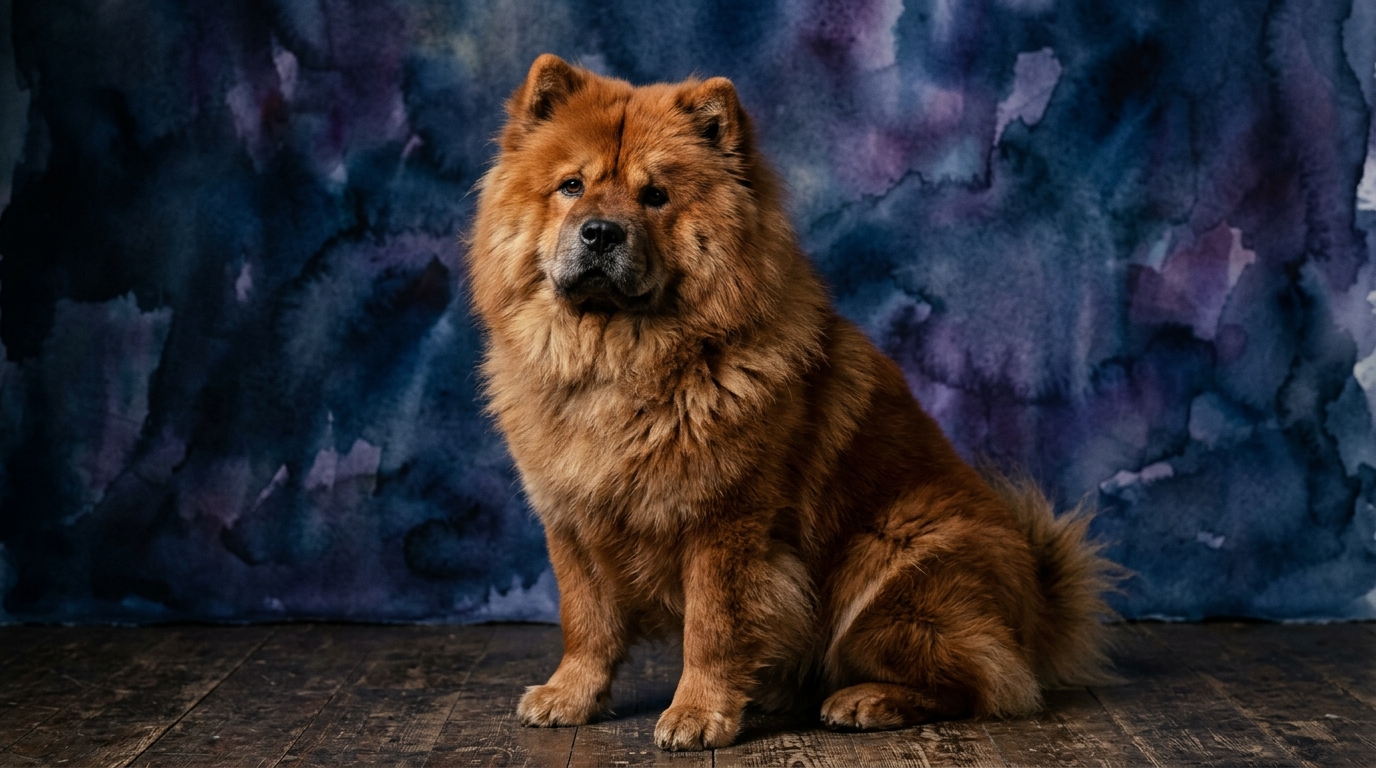
**Chow Chow:** The majestic Chow Chow presents a distinct cognitive profile, marked by independence and dignity. Their **Problem Solving (3/5)** often indicates a deliberate, methodical approach; they are capable of assessing situations and finding solutions, but their independent nature means they might take their time to process and decide on the best course of action. For a Chow Chow, problem-solving is less about frantic action and more about considered strategy, especially concerning their comfort or resources. Their **Training Speed (3/5)** means they *can* learn quickly, but their willingness to perform is highly dependent on their motivation and respect for the trainer; they are not inherently eager-to-please and require clear, consistent leadership. A Chow Chow's **Social Intelligence (3/5)** is characterized by a high degree of discernment, acutely aware of social dynamics but often choosing aloofness, particularly with outsiders. Their **Instinctive Drive (3/5)** is moderately strong and diverse, reflecting ancient origins as versatile working dogs—guarding, hunting, and herding—manifesting as strong protective instincts, a keen sense of territory, and self-sufficiency. Their **Memory (3/5)** is good, enabling them to recall past experiences, training, and social interactions, contributing to consistent behaviors and lasting impressions of people and places.
Where Dandie Dinmont Terrier Wins Cognitively
The Dandie Dinmont Terrier's cognitive edge often lies in their tenacious application of problem-solving to achieve self-directed goals, particularly those involving exploration or discovery. Their terrier heritage imbues them with a remarkable ability to focus intensely on a perceived "job," such as tracking a scent or investigating a burrow, demonstrating a persistent mental drive to complete the task. This breed shows a particular adeptness at navigating complex physical environments, using their sharp senses and agile minds to overcome obstacles in pursuit of a perceived quarry, often displaying a cleverness born from their instinct to hunt. Their willingness to engage with interactive puzzles or scent games often surpasses that of more reserved breeds, showcasing a proactive mental engagement with their surroundings. This persistent, inquisitive problem-solving, driven by a natural curiosity and prey drive, allows them to excel in situations requiring independent thought and sustained effort, especially when working without direct human instruction, making them excellent companions for those who enjoy structured mental games.
Where Chow Chow Wins Cognitively
The Chow Chow demonstrates a unique cognitive strength in their discerning social intelligence and their capacity for independent, self-regulated decision-making. Unlike many breeds driven by a strong desire to please, Chow Chows excel at assessing social situations with a keen, often aloof, observation, processing information before choosing a response that aligns with their inherent dignity and self-preservation. Their cognitive processes allow them to filter out unnecessary stimuli, focusing only on what they deem relevant or threatening, making them exceptional at maintaining composure in varied environments. This breed's memory, coupled with their selective social engagement, contributes to their ability to form deep, lasting bonds with their chosen few, remembering subtle cues and past interactions with remarkable accuracy. Their problem-solving, while not overtly enthusiastic, is often characterized by a thoughtful, strategic approach to challenges, preferring to find the most efficient and least disruptive path forward, especially concerning their personal comfort and territorial boundaries, showcasing a quiet, considered intellect.
Which is Easier to Train and Why
While both breeds score 3/5 in training speed, the Dandie Dinmont Terrier generally presents a more straightforward training experience for the average owner due to differences in their social motivation. Dandies, while independent, often possess a zest for engaging with their human companions, viewing training as an interactive activity or a stimulating challenge. They respond well to positive reinforcement, especially when it involves praise, treats, or a favorite toy, and their moderate social intelligence makes them keen to understand and respond to human cues. Their tenacity, which can sometimes manifest as stubbornness, can also be harnessed to encourage perseverance in learning new tasks, particularly if the training taps into their natural curiosity and drive.
The Chow Chow, despite possessing the cognitive capacity to learn, often requires a more nuanced and patient approach to training. Their 3/5 training speed is heavily influenced by their independent, sometimes aloof, temperament and their discerning social intelligence. Chows are not inherently driven to please and will often weigh the value of compliance against their own desires. Training a Chow Chow demands a consistent, confident leader who can earn their respect through fair and clear communication, without resorting to harsh methods that can cause them to shut down. Their memory ensures they retain what they learn, but their willingness to perform a command is often contingent on their current mood or perceived benefit, making their training a test of patience and understanding for the owner.
Which Suits Active Owners vs Relaxed Owners
For owners seeking a companion for more active, varied engagement, the Dandie Dinmont Terrier is generally a more suitable choice. Their moderate instinctive drive and problem-solving skills make them enthusiastic participants in activities like scent work, moderate hiking, or interactive play sessions that challenge their curious minds. While not requiring extreme athleticism, they thrive on mental stimulation and opportunities to explore, making them a good fit for owners who enjoy consistent, engaging interactions and can provide outlets for their natural terrier instincts. Their social intelligence allows them to adapt well to different social settings, making them amenable to outings and new experiences, fostering a lively partnership.
The Chow Chow, with its more reserved demeanor and independent nature, is typically better suited for relaxed owners who appreciate a dignified, self-sufficient companion. While they benefit from regular, moderate exercise, their mental stimulation often comes from observing their surroundings and maintaining their territory rather than constant interaction or high-energy activities. Their discerning social intelligence means they are content with a smaller, trusted circle and are not typically seeking extensive social engagements. Owners who value a quiet presence, respect a dog's personal space, and are prepared to offer consistent, calm leadership will find the Chow Chow a rewarding, albeit distinctive, companion, thriving in a predictable, serene environment.
The Verdict
Choose the Dandie Dinmont Terrier if you seek an active, curious companion who enjoys engaging in moderate mental and physical challenges, and you appreciate a tenacious, independent problem-solver with a zest for exploration.
Opt for the Chow Chow if you prefer a dignified, independent companion content with a more relaxed pace, and you are prepared to earn the respect of a discerning, self-reliant dog who values personal space and quiet loyalty.
🧠 Find Your Pet's IQ Score
Our Pet IQ Lab assessment covers 25+ tests across 5 cognitive dimensions — personalized to your breed.
Take the Full IQ Test →Frequently Asked Questions
How does the Dandie Dinmont Terrier's problem-solving differ from the Chow Chow's, given both score 3/5?
A Dandie's 3/5 problem-solving is often proactive and tenacious, driven by curiosity and instinct to investigate or "hunt," while a Chow Chow's 3/5 is typically more deliberate, strategic, and self-preservational, focused on efficiency and their own comfort and boundaries.
Do both breeds enjoy interactive puzzle toys given their similar IQ scores?
Both can engage with puzzle toys, but a Dandie Dinmont Terrier is likely to approach them with more persistent enthusiasm and physical manipulation, whereas a Chow Chow might solve them more methodically, and only if sufficiently motivated or intrigued by the reward.
What impact does their social intelligence score of 3/5 have on their family interactions?
For Dandies, 3/5 social intelligence means they are generally affable and responsive to family, enjoying interaction. For Chows, it translates to deep, selective loyalty to their chosen family, often expressed through quiet presence and discerning affection rather than overt displays.